A House-Trained Boxer That Regresses
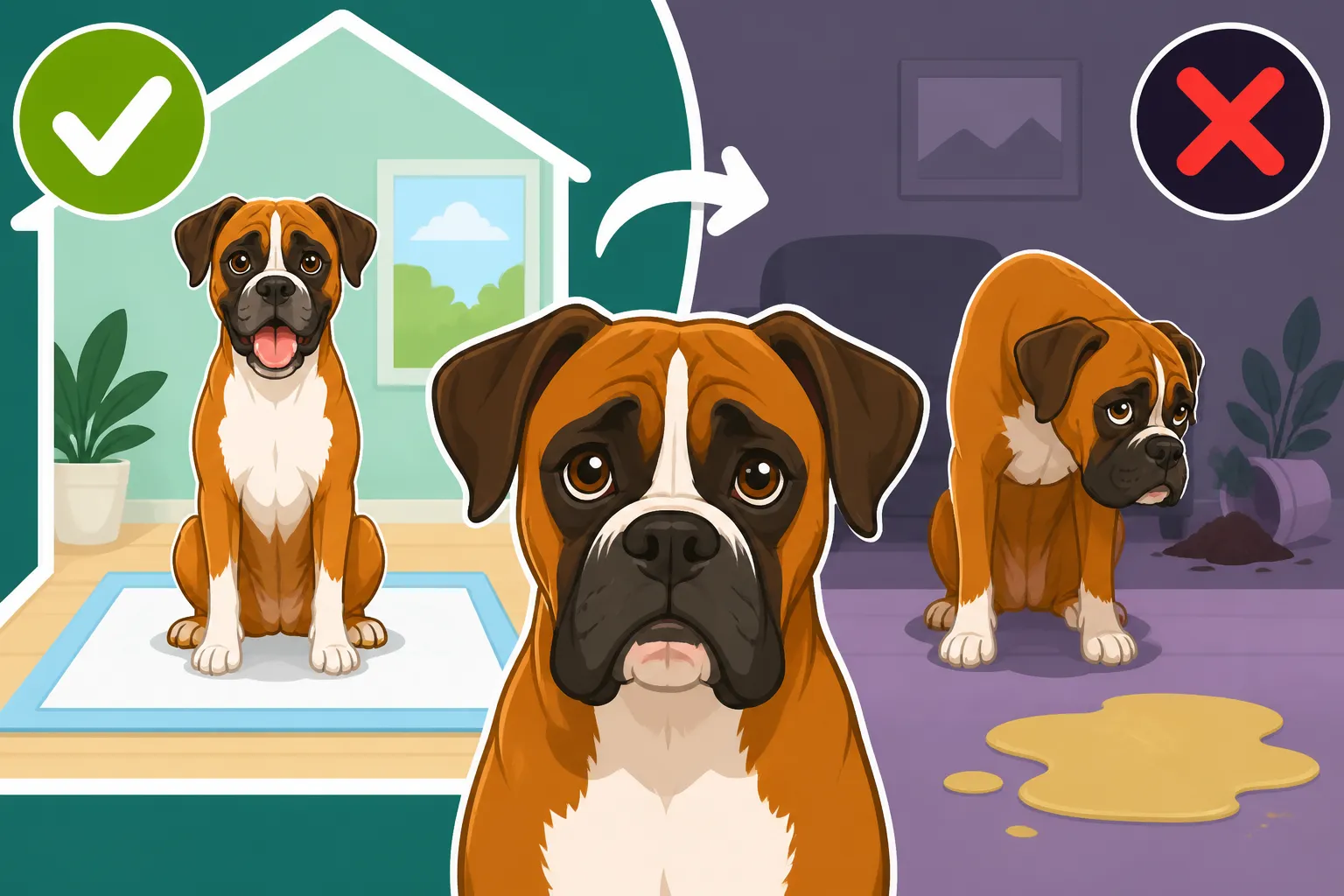
It's incredibly frustrating, and often heartbreaking, when a Boxer you thought was perfectly house-trained suddenly starts having accidents in the house again. You've put in the work, celebrated the milestones, and then one day, it feels like you're back to square one, wiping up puddles and wondering what went wrong. This guide is here to help you navigate this bewildering situation, offering a deep dive into the common reasons why a house-trained Boxer might regress and what practical steps you can take to get things back on track.
First Things First: Rule Out Medical Issues
Before you even begin to consider behavioral causes for your Boxer's sudden house-training regression, the absolute first step is to schedule a visit to your veterinarian. Boxers are stoic dogs, and sometimes the only sign of an underlying health problem is a change in their established habits. It's easy to assume it's "just" a behavioral issue, but often, a medical condition is the root cause. This is not just a quick check-up; it needs to be a thorough investigation.
Urinary Tract Infections and Bladder Stones
One of the most common medical culprits behind house-training regression is a urinary tract infection (UTI). Just like in humans, a UTI can cause frequent, urgent, and often painful urination, making it impossible for your Boxer to hold it until they get outside. They might suddenly have accidents right after coming in from a potty break, or even leak small amounts of urine when lying down. You might also notice them straining to urinate, or their urine appearing cloudy or discolored.
Bladder stones are another possibility, often presenting with similar symptoms to a UTI. These can be incredibly uncomfortable and make it very difficult for your Boxer to completely empty their bladder. The urgent need to urinate, combined with the pain, can easily lead to accidents indoors. Your vet will typically perform a urinalysis to check for infection, and possibly X-rays or an ultrasound to look for stones or other bladder abnormalities. Early diagnosis and treatment are crucial not only for house-training but for your Boxer's overall comfort and health.
Digestive Upsets and Colitis
It's not just urinary issues that can cause indoor accidents; digestive problems can wreak havoc on your Boxer's house-training as well. Conditions like inflammatory bowel disease, food sensitivities, or specific Boxer-prone issues like colitis can lead to sudden, uncontrollable diarrhea or a much more urgent need to defecate. If your Boxer is suddenly having loose stools or piles of poop in the house, especially at night or shortly after eating, a gastrointestinal issue is highly likely.
Changes in diet, even a new bag of the same food, can sometimes trigger a sensitive Boxer's digestive system. Stress, as we'll discuss later, can also play a significant role in digestive flare-ups. You might find yourself cleaning up accidents that are more liquid or contain Bloody Mucus in a Young Boxer's Stool, which is a clear sign that something is amiss internally. Your vet might recommend a fecal test, dietary changes, or even medication to soothe their gut. Understanding specific Boxer sensitivities, such as Boxer Colitis and the Young Dogs It Hits, is important here.
Age-Related Incontinence or Cognitive Decline
As Boxers age, their bodies, much like ours, start to change. For an older Boxer, house-training regression might be a sign of age-related incontinence. This isn't a behavioral issue, but a physiological one, where their bladder control simply isn't what it used to be. They might leak urine without even realizing it, especially when sleeping or getting up from a nap. This is more common in spayed females but can affect any older dog.
Another consideration for senior Boxers is canine cognitive dysfunction (CCD), sometimes referred to as "doggy dementia." If your older Boxer seems confused, disoriented, stares blankly at walls, or forgets familiar routines, coupled with indoor accidents, CCD could be a factor. They might simply forget where the door is or that they even need to go outside. For these cases, management often involves more frequent potty breaks, easier access to the outdoors, and sometimes medication to help with cognitive function. Caring for a Boxer Past Eight covers many aspects of managing an aging Boxer's health.
Behavioral and Environmental Triggers for Regression
Once your vet has given your Boxer a clean bill of health, it's time to put on your detective hat and explore the behavioral and environmental factors that might be causing the regression. Boxers are sensitive, intelligent, and deeply attached to their families, which means even subtle changes can have a big impact on their emotional well-being and, consequently, their behavior.
Stress and Anxiety in Your Boxer
Boxers are often described as "clowns" due to their goofy, playful nature, but beneath that fun-loving exterior lies a sensitive soul. Stress and anxiety are huge contributors to house-training regression. Think about it: when you're stressed, you might also experience physical symptoms. Dogs are no different. A Boxer feeling anxious might struggle to hold their bladder or bowels, or they might eliminate indoors as a direct response to their emotional state. Common stressors include changes in the household dynamic, such as a new baby, a new pet, or even a family member moving out. A sudden change in your work schedule, leading to your Boxer being A Boxer Left Alone All Day for longer periods than they are used to, can certainly trigger anxiety.
Signs of stress aren't always obvious. Beyond accidents, look for changes like excessive licking, pacing, whining, destructive chewing (like A Boxer That Chews Doorframes When Left), or a decreased appetite. They might also become more clingy or, conversely, withdrawn. If your Boxer's world has been turned upside down, even in ways that seem minor to you, it can manifest as house-training regression. Addressing the underlying anxiety, perhaps with more consistent routines, mental stimulation, or even the help of a professional behaviorist, is key.
Changes in Routine or Environment
Boxers are creatures of habit. They thrive on predictability and a stable routine. Any significant change to their daily schedule or living environment can be upsetting enough to disrupt their house-training. Have you recently moved to a new house? Even if it's a bigger, better home, the unfamiliar smells, sounds, and layout can be disorienting and stressful for your Boxer. They might not know where their designated potty spot is, or feel insecure in the new space.
Similarly, a shift in daily routine, such as you suddenly working longer hours, or the children's school schedule changing, can throw them off. If their potty breaks become less frequent or less predictable, they simply might not be able to hold it for as long as needed. Even subtle changes, like a different brand of cleaner being used on the floors, can confuse a dog if it masks their scent markers for "outside." Consistency is paramount, especially during The Boxer Puppyhood That Lasts Three Years and beyond.
Submissive or Excitement Urination
Sometimes, house-training regression isn't about deliberately defying rules or even a medical issue, but rather an involuntary response. Submissive urination typically occurs when a dog feels threatened, intimidated, or overly submissive. This might happen when a person leans over them, uses a loud voice, or even during a scolding. The Boxer doesn't mean to pee; it's an automatic, appeasement gesture. You might notice them cowering, tail tucked, or rolling onto their back as they urinate.
Excitement urination, on the other hand, usually happens during highly stimulating situations, like greeting visitors, playtime, or when you return home after being away. The sheer joy and overstimulation cause a temporary loss of bladder control. Boxers, being naturally exuberant and demonstrative dogs, can be prone to this. While not a "dirty dog" behavior, it's still an accident you have to clean up. Both types of urination require a gentle, understanding approach, avoiding punishment, and working on building confidence or managing excitement levels during triggers.
Re-establishing Good Habits and Preventing Future Accidents
Once you've addressed any medical concerns and identified potential behavioral or environmental triggers, it's time to systematically re-establish good house-training habits. Think of it like starting fresh with a new puppy, but with the added advantage that your Boxer already understands the basic concept. Consistency, patience, and positive reinforcement will be your best friends here.
Going Back to Basics: Crate Training and Scheduled Potty Breaks
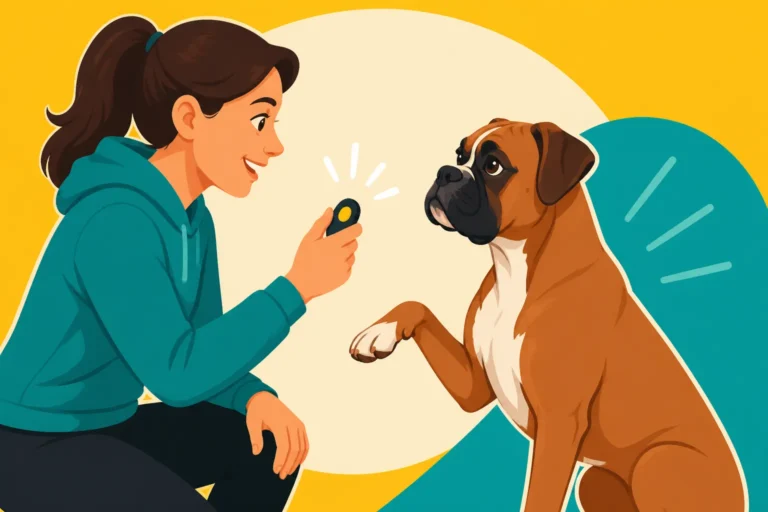
The most effective way to reset house-training is to go back to the fundamentals. This means re-implementing a strict potty schedule and utilizing management tools like crate training. Take your Boxer outside much more frequently than you think they need, especially after waking up, after meals, after playtime, and before bed. Make these trips boring – no play until they've done their business. When they go, heap on the praise and reward them with a high-value treat. This reinforces that pottying outside is the absolute best choice.
Crate training can be incredibly useful during this phase. Boxers often see their crate as a den, a safe space where they don't want to soil. A properly sized crate (like Crates Big Enough for a Grown Boxer) can prevent accidents when you can't supervise them directly, for instance, when you're cooking dinner or stepping out briefly. Remember, the crate is not a punishment, but a tool to help them succeed. Slowly increase the time they spend in the crate as their reliability improves. For Boxers, who appreciate a secure den, Why a Boxer Needs a Crate More Than Most is a key point in their training.
Here's a sample daily potty schedule you might implement:
| Time | Activity | Notes |
|---|---|---|
| 6:00 AM | First thing out of bed | Immediate trip outside, no distractions. |
| 6:30 AM | Breakfast | Water available. |
| 7:00 AM | After breakfast | Another trip outside, even if they just went. |
| 8:00 AM | Before you leave for work | Final trip outside, praise for success. |
| 12:00 PM (Mid-day) | Potty break (walker/home visit) | Crucial for preventing accidents while alone. |
| 4:00 PM | Welcome home / After nap | Immediate trip outside. |
| 5:00 PM | Dinner | Water available. |
| 5:30 PM | After dinner | Another trip outside. |
| 7:00 PM | Playtime / Training session | Break for potty during or after. |
| 9:00 PM | Before bed | Final trip outside, even if it's just a few drops. |
Beyond the schedule, thorough cleaning of old accident spots is paramount. Dogs are drawn to re-eliminate where they've gone before, thanks to residual odors we can't detect. Use enzymatic cleaners, readily available on platforms like Amazon, that break down these odors rather than just masking them. This helps eliminate the "bathroom signal" in your home.
Managing Stress and Providing Enrichment
If stress or anxiety is at the root of your Boxer's regression, simply going back to basics with potty training isn't enough. You need to address the emotional well-being of your dog. This might involve increasing their physical exercise, ensuring they get sufficient walks or playtime, keeping in mind Boxer Exercise Needs and the Heat That Limits Them. Mental enrichment is equally important; puzzle toys, scent games, and short, fun training sessions can help reduce boredom and anxiety. Keeping Boxer Training Sessions Interesting can make a huge difference in their daily routine.
Consider any changes in your household that might be contributing to their stress. Is there a new person, pet, or even just more noise than usual? Try to minimize these stressors or slowly desensitize your Boxer to them. For separation anxiety, a common issue in Boxers, gradual desensitization, leaving for very short periods and slowly increasing the time, combined with calming routines before you leave, can be effective. Products like calming diffusers or supplements can sometimes offer a small amount of support, but they are not a substitute for addressing the underlying cause. Some online platforms, like BAXTER & Bella, offer virtual training resources and courses that can provide structured support for managing anxiety and re-establishing good habits.
When to Seek Professional Help
If you've diligently worked through medical checks and behavioral adjustments for several weeks without seeing significant improvement, or if the problem seems to be escalating, it's definitely time to bring in professional help. Your veterinarian can provide referrals to board-certified veterinary behaviorists or certified professional dog trainers who specialize in house-training issues and anxiety.
A veterinary behaviorist is a vet who has gone on to specialize in animal behavior, offering a deep understanding of both the medical and behavioral aspects of your Boxer's problem. They can diagnose complex behavioral conditions and prescribe medication if appropriate. A certified professional dog trainer can provide hands-on guidance, help you identify subtle triggers you might be missing, and develop a customized training plan. They can also offer valuable insights into managing specific Boxer behaviors, such as A Boxer That Barks at Every Noise when overstimulated, which might be linked to their anxiety. Don't feel like a failure if you need to consult an expert; they are there to provide specialized support and help your Boxer (and you!) get back to a happier, accident-free life.
Summary of Potential Causes and Initial Actions
| Cause Category | Specific Examples | Key Signs to Look For | Initial Action Steps |
|---|---|---|---|
| Medical Issues | UTI, Bladder Stones, Colitis | Frequent urination, straining, cloudy urine, diarrhea, blood in stool, lethargy, pain. | Immediate Vet Visit for urinalysis, fecal test, X-rays. |
| Stress/Anxiety | New pet/person, routine change, separation anxiety, loud noises. | Pacing, whining, destructive chewing, excessive licking, clinginess, hiding, decreased appetite. | Identify stressors, increase exercise/mental enrichment, consult a professional. |
| Environmental Changes | Moving to new home, schedule shift, new furniture. | Disorientation, accidents in new spots, lack of access to usual potty area. | Re-establish strict routine, crate training, thorough cleaning. |
| Behavioral (Learned) | Not fully house-trained in the first place, submissive/excitement urination, marking. | Accidents after greetings, during excitement, when feeling threatened, or in new areas. | Go back to basics, positive reinforcement, manage triggers (excitement/fear). |
| Age-Related | Incontinence, Cognitive Dysfunction (Dementia). | Leaking urine when sleeping, confusion, disorientation, forgetting routines. | Vet consult, more frequent potty breaks, easier outdoor access, possible medication. |
Disclaimer
This article is for general informational purposes only and does not constitute professional advice. Laws, prices and regulations vary by location and change over time. Consult a qualified professional for guidance on your specific situation.