Boxer Puppy Teeth on Hands and Clothes
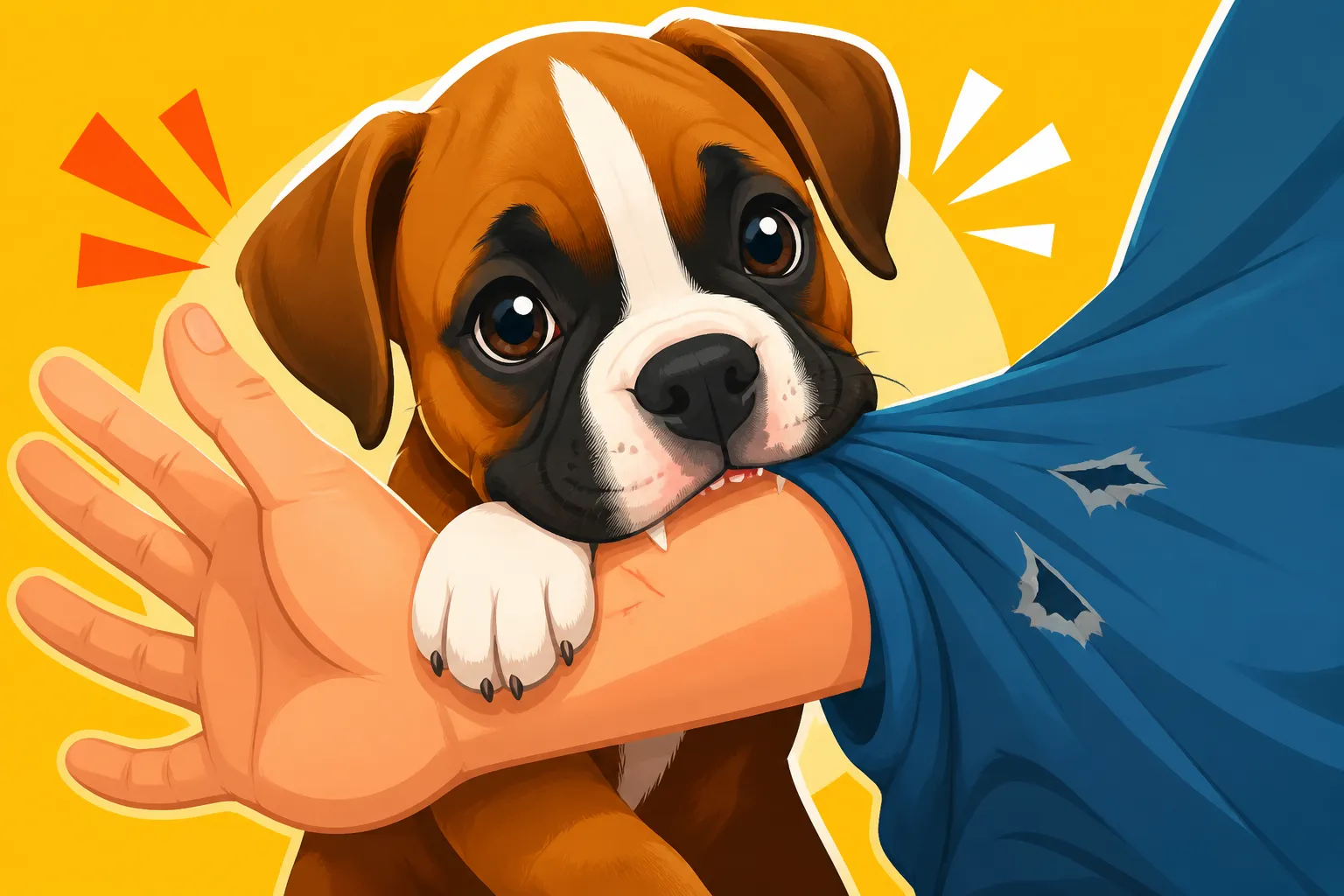
Bringing home a Boxer puppy is an absolute joy, but that joy can quickly turn into frustration when those razor-sharp puppy teeth start latching onto your hands, ankles, and favorite clothes. It's a common struggle for new Boxer owners, feeling like you're constantly fending off a tiny, land-shark, and it leaves you wondering if this relentless mouthing will ever stop. This comprehensive guide is here to walk you through understanding why your Boxer puppy is so mouthy and, more importantly, equip you with actionable strategies and tools to gently but firmly teach them to use their mouths appropriately.
Understanding Boxer Puppy Biting: It's Not Aggression
It's easy to feel personally attacked when your adorable Boxer puppy sinks its teeth into your skin, even if it's not breaking the skin. You might worry they're aggressive or that you're doing something wrong. Let me assure you, for the vast majority of Boxer puppies, this kind of biting is a completely normal, natural part of their development, not a sign of aggression. Their world is explored through their mouths, and as owners, it's our job to guide that exploration.
The Natural Urge to Explore with Their Mouths
Imagine a human baby. What's the first thing they do when they get their hands on a new object? They put it in their mouth! Puppies are no different. From the moment they're born, their mouths are their primary tool for understanding their environment. They use them to nurse, to play with littermates, and to interact with their world. When your Boxer puppy comes home, their little brains are hardwired to continue this exploration. Your hands, feet, and even your clothes become fascinating new objects to investigate.
This isn't malicious, and it's certainly not an attempt to hurt you. It's simply how they learn about textures, pressure, and boundaries. When they mouth you, they're not trying to be naughty; they're trying to figure things out. They're also teething, which is a whole other layer of discomfort for them, and chewing on anything and everything provides relief for their sore gums. It's a rough period for both puppy and owner, but understanding its roots in natural behavior can help you approach it with more patience. Boxers, in particular, tend to stay in this puppy-like phase for a surprisingly long time, so you'll often hear owners joke that The Boxer Puppyhood That Lasts Three Years is a very real thing!
The Difference Between Play Biting and Aggression
A common concern among new Boxer owners is whether their puppy's biting is crossing the line into aggression. It's a valid worry, but thankfully, true aggression in young puppies is rare, especially in a breed known for its gentle nature with family. Most Boxer puppy biting is firmly in the realm of play.
When a Boxer puppy is play biting, their body language will typically be loose and wiggly. Their tail might be wagging, even if it's just a little nub wagging furiously. Their ears might be relaxed, and their facial expression will likely be soft, not tense or hardened. They might growl, but it will be a low, playful rumble rather than a hard, threatening sound. The nips themselves will often be quick, followed by a shake of the head, and they usually aren't delivered with full force, though those needle-sharp teeth can certainly feel otherwise! You might even notice them doing their famous "Boxer wiggle" when they're excited and engaging in this kind of play. This kind of mouthing is them practicing their social skills, learning how hard they can bite without hurting their playmates – which, for now, is you! If you're ever in doubt, observe the context and their overall demeanor. A puppy that's playfully nipping will usually disengage easily or respond to a change in your tone.
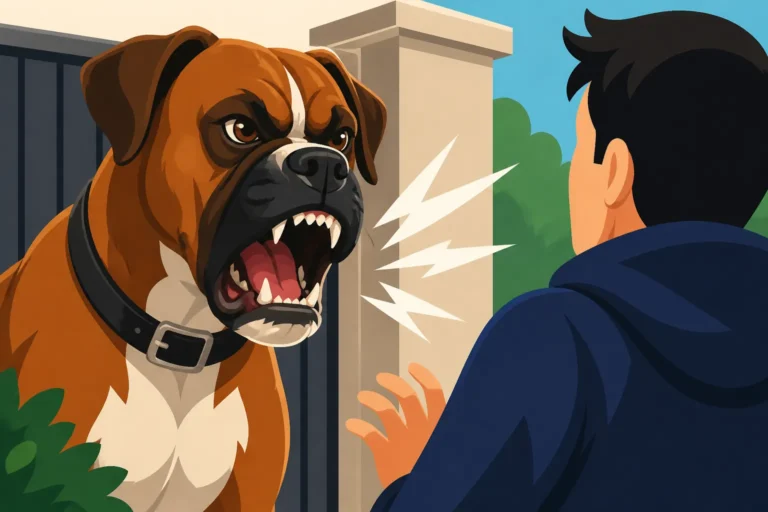
On the other hand, signs of true aggression in a puppy are more concerning and warrant immediate professional intervention. These might include a stiff body, a hard stare, growling that sounds deep and sustained, raised hackles, snarling, or intentionally going for repeated, hard bites that draw blood without immediate release. If your puppy is showing these kinds of signs, particularly if they're accompanied by fear or defensiveness, it’s a different ballgame, and you should consult a qualified professional immediately. But for the vast majority of owners struggling with sharp little nips, it's just puppy play, and we can manage it with consistent training.
Effective Strategies to Manage Boxer Puppy Mouthing
So, you've established your Boxer puppy isn't trying to eat you, just play with you a bit too enthusiastically. Great! Now, how do you teach them that human skin and clothing are not chew toys? The key is consistency, clear communication, and offering appropriate alternatives.
Teaching Bite Inhibition: The "Ouch!" Method
One of the most effective ways to teach a puppy not to bite too hard is to mimic what their littermates and mother would do. When a puppy bites too hard in play, another puppy will yelp loudly and disengage. This teaches the biting puppy that they've crossed a line and ended the fun. You can replicate this with your Boxer puppy.
The moment those sharp teeth make contact with your skin, even if it doesn't really hurt, let out a sharp, high-pitched "Ouch!" or "Yip!" — just like a puppy would. Then, immediately withdraw your hand or whatever body part they've latched onto, and completely disengage from play for a few seconds. Turn your back, walk away, or even leave the room briefly. The goal is to make the consequence of hard biting a sudden end to all the fun. This communicates very clearly: "That bite hurt, and because of it, playtime is over."
It's crucial that everyone in the household uses this method consistently. If one person allows the puppy to mouth them without consequence, while another yelps and disengages, the puppy will become confused. Your Boxer needs a clear, unified message from everyone it interacts with. You'll often find that the puppy's bites will gradually become softer as they learn the threshold. This process, often referred to as "bite inhibition," is vital. Even if a Boxer occasionally nips in later life, a well-taught puppy will know not to bite down hard. For more on this, you might find Teaching a Boxer Puppy to Soften Its Grip helpful.
Redirection is Your Best Friend
Puppies need to chew, especially when they're teething. It's a physiological and behavioral need. Simply telling them "no" without offering an alternative is like telling a hungry person not to eat without giving them food. It just doesn't work. This is where redirection comes in. The moment your Boxer puppy starts to mouth your hands, clothes, or furniture, immediately and calmly redirect their attention to an appropriate chew toy.
Keep a variety of suitable chew toys handy in every room your puppy spends time in. When they go for your hand, gently remove it and immediately offer a toy. Wiggle the toy, make it enticing, and praise them enthusiastically when they take the toy instead. The goal is to teach them: "Hands are for petting, toys are for chewing." Durable rubber toys, rope toys, or even some puzzle feeders can be excellent choices. You'll want to choose items sturdy enough to withstand a Boxer's powerful jaws.
Using a brand like Kong, for instance, for stuffing with treats or peanut butter, can provide a longer-lasting distraction. If you're looking for recommendations, many excellent, durable options can be found on Amazon. The key is to make the approved chew toy more appealing than your sleeve or fingers. Always supervise chew time, especially with new toys, to ensure they are safe and won't break into pieces that could be swallowed. For a deeper dive into what chews work, check out Chews That Redirect a Mouthy Boxer.
Managing Over-Excitement and Nap Time
Sometimes, biting isn't just about exploration or teething; it's a direct result of an overtired or overstimulated puppy. Just like human toddlers, Boxer puppies can become cranky and nip more when they're exhausted. They don't know how to "turn off," and sometimes excessive biting is their way of acting out when they're past their bedtime.
If your Boxer puppy is getting particularly mouthy, especially after a period of intense play or excitement, it might be a sign they need a nap. Enforced naps in a quiet, comfortable crate can be a game-changer. A young puppy might need 18-20 hours of sleep a day, and ensuring they get quality rest can significantly reduce nuisance biting.
Similarly, managing their excitement levels can help. While Boxers are known for their playful energy, teaching them to settle and have calm downtime is crucial. Avoid games that overly hype them up right before you need them to be calm, and make sure their environment is generally predictable and not constantly stimulating. Remember that Boxers have a tendency to be quite "zoomy," and controlling that energy is part of the challenge and the fun.
Practical Tools and Techniques for Success
Beyond the basic strategies, there are specific tools and techniques that can significantly aid your efforts in managing Boxer puppy mouthing. These are about setting your puppy up for success and ensuring you have the right resources at your disposal.
Chew Toys That Stand a Chance Against a Boxer Puppy
Boxers are powerful chewers, even as puppies. Finding toys that last and truly satisfy their chewing needs is essential. You'll go through a lot of toys, so embrace it!
Here's a breakdown of good chew toy types:
| Toy Type | Benefits | Considerations |
|---|---|---|
| Durable Rubber Toys | Long-lasting, satisfying chew, often can be stuffed for engagement. | Can be expensive; ensure size is appropriate to prevent choking. |
| Nylon Chews | Very durable, good for strong chewers, various shapes and textures. | Can be hard on teeth if puppy chews aggressively; supervise for splintering. |
| Rope Toys | Good for tug-of-war (with rules), helps clean teeth. | Can fray and ingest fibers; supervise and discard when damaged. |
| Puzzle Feeders | Mental stimulation, slows down eating, redirects chewing energy. | Can be destroyed if not durable; requires refilling. |
| Dental Chews | Designed to help clean teeth and freshen breath. | Often not as durable as other chews; check ingredients for sensitivities. |
Rotate toys to keep them interesting. A toy that's always available might lose its appeal. When you're actively redirecting your puppy from your hand, present a novel, exciting toy. Look for toys specifically marketed for "power chewers" or "large breed puppies." You can find a huge selection of these kinds of toys on Amazon, and reading reviews from other Boxer owners can be very helpful in choosing ones that hold up.
Puppy Classes and Professional Guidance
While you can do a lot of foundational training at home, enrolling your Boxer puppy in a reputable puppy class or seeking professional guidance can be incredibly beneficial. Puppy classes offer a controlled environment for socialization, which is crucial for a Boxer, and they provide opportunities for your puppy to interact with other puppies and learn appropriate play behavior. These classes also offer invaluable support and advice from experienced trainers on common puppy issues like biting, house-training, and basic obedience.
A good trainer can observe your puppy's specific biting style and offer tailored advice. They can help you refine your "Ouch!" method, suggest alternative toys, and provide exercises to build bite inhibition. Many programs, like those offered by BAXTER & Bella, also provide online resources and virtual support, which can be fantastic for those who want structured guidance from home or between in-person classes. Remember that early positive experiences are incredibly important for a Boxer's development, so making sure your puppy is Socializing a Boxer Puppy Before Sixteen Weeks can really set them up for success. Plus, having a professional confirm that your puppy's mouthing is normal can be a huge relief!
Consistency and Patience: The Boxer Owner's Mantra
Let's be real: training a puppy, especially a high-energy, intelligent, and sometimes stubborn Boxer, requires a monumental amount of consistency and patience. There will be days when you feel like you're making no progress, when your puppy seems to forget everything you've taught them, and those little shark teeth feel sharper than ever. This is normal.
Every single interaction is a training opportunity. Every time your puppy mouths you, you need to respond consistently, whether that's with a yelp and disengagement or an immediate redirection to a toy. If sometimes you allow it and sometimes you don't, your Boxer puppy will get mixed signals and take much longer to understand what you want. All family members must be on the same page, using the same cues and consequences. This isn't a quick fix; it's a process. But with unwavering consistency, your Boxer puppy will learn. They're smart, eager to please, and deeply bonded to their families, which means they want to learn what makes you happy.
It can be especially challenging during the "teenage" phase when Boxers start to push boundaries, which often coincides with their full teething process. The Age a Boxer Stops Chewing Furniture might feel like a distant dream, but stay the course! Keep reinforcing the good behaviors, ignore the attempts at attention-seeking biting, and celebrate every small victory.
When to Seek Professional Help (and What to Expect)
For most Boxer puppy owners, consistent application of the strategies above will eventually lead to a well-mannered dog who understands not to put their teeth on people. However, there are instances where the biting escalates beyond normal puppy behavior or takes on characteristics that suggest a deeper issue. Knowing when to call in the cavalry is important for both your safety and your puppy's well-being.
Recognizing Escalating Biting or True Aggression
As discussed earlier, normal puppy play biting is usually accompanied by loose body language and an overall playful demeanor. However, if you start to notice any of the following, it's time to take it seriously and seek professional help:
- Consistent drawing of blood: While accidental nips can break the skin, if your puppy is consistently biting hard enough to draw blood, especially without any "warning" or if they aren't responding to your "ouch" or disengagement, it's a red flag.
- Stiff body language: If your puppy's body stiffens, their ears are pinned back, their tail is tucked (or stiffly raised), and their lips are curled in a snarl, this is not playful.
- Intense guarding: If your puppy bites or acts aggressively when you try to take away a toy, food, or even their bed, this is resource guarding and needs professional intervention.
- Fear-based aggression: Some puppies will bite out of fear, particularly if they feel cornered, are startled, or are uncomfortable with certain handling. This often manifests as defensive biting, sometimes preceded by shaking or trying to retreat.
- Lack of bite inhibition: If your puppy seems unable to learn to soften their bite, despite consistent training, it could indicate a deeper issue with their impulse control or a lack of understanding of social cues. This also means you are not getting through to them, and a professional can help bridge that communication gap.
These are not behaviors to be taken lightly or simply "waited out." The longer these behaviors persist, the harder they are to change.
Consulting a Certified Professional Dog Trainer or Behaviorist
If you're observing any of the concerning behaviors mentioned above, or if you simply feel overwhelmed and unable to make progress with the mouthing on your own, don't hesitate to reach out to a professional. This is not a sign of failure, but rather a responsible step towards ensuring your Boxer grows into a safe, well-adjusted adult.
Look for a Certified Professional Dog Trainer (CPDT-KA) or a Certified Dog Behavior Consultant (CDBC), or a Veterinary Behaviorist. These individuals have specific education and experience in animal behavior and positive reinforcement training. They will:
- Assess the Situation: They'll observe your puppy, ask detailed questions about their history, daily routine, and the specific biting incidents. They'll try to understand the root cause of the behavior.
- Develop a Personalized Plan: Based on their assessment, they'll create a tailored training and management plan for you and your Boxer. This might involve specific exercises, environmental changes, or even dietary adjustments.
- Teach You: A good professional will not just train your dog; they will teach you how to understand and communicate with your Boxer effectively. This empowers you to continue the training long after their sessions are over.
- Offer Ongoing Support: They should be available to answer questions and adjust the plan as needed.
When selecting a professional, ask about their methods (ensure they use positive reinforcement!), their certifications, and if they have experience with Boxers or similar breeds. It's perfectly acceptable to ask Whether a Trainer Has Worked With a Boxer Before to ensure they understand the breed's unique quirks and intelligence. Investing in professional guidance early can prevent small issues from becoming big problems, ultimately leading to a happier, safer life for both you and your beloved Boxer.
Disclaimer
This article is for general informational purposes only and does not constitute professional advice. Laws, prices and regulations vary by location and change over time. Consult a qualified professional for guidance on your specific situation.