Moving a Boxer Puppy to Adult Food
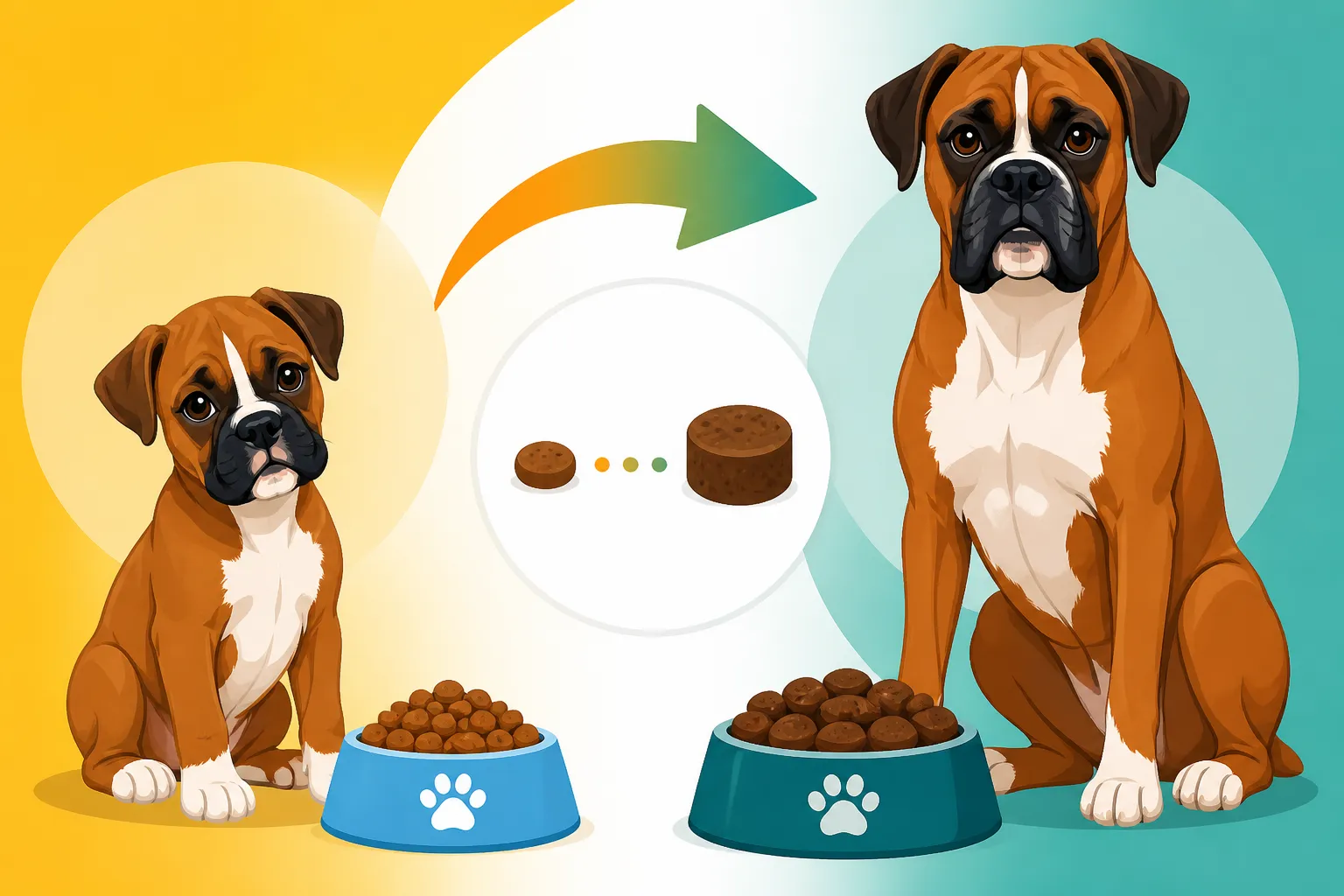
One of the most common worries new Boxer puppy parents have is knowing when and how to shift their rapidly growing fur baby from puppy chow to adult dog food. It feels like just yesterday you brought home that tiny, wrinkly bundle of energy, and now suddenly, you're faced with making a dietary change that could impact their long-term health. Getting this transition right is absolutely crucial for a Boxer, a breed known for its extended growth period and unique sensitivities.
Why Timing the Switch Matters for Your Growing Boxer
You might think switching food is a simple matter of age, but for a Boxer, it's a bit more nuanced. Their bodies, especially their joints and developing organs, are under a lot of stress during their formative months, and proper nutrition is the bedrock of their future well-being. Getting the timing right can prevent a whole host of problems down the line.
Understanding Growth Plates and Large Breed Needs
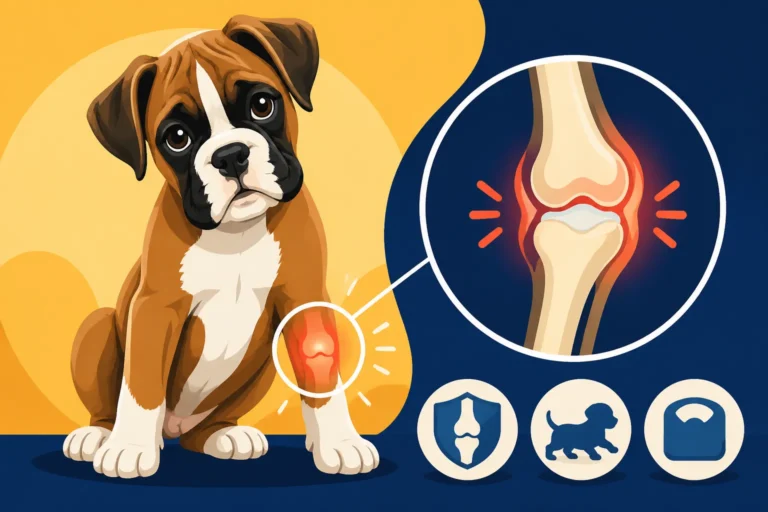
Boxers are magnificent, powerful dogs, but they also fall into the "large breed" category, which means their growth is fundamentally different from a smaller dog. While a Chihuahua might be fully grown by eight months, your Boxer is still developing structurally well into their second year, sometimes even closer to three. This extended growth period means their bones, particularly the growth plates (the soft, cartilaginous areas at the ends of long bones that eventually harden), need careful nutritional support. If a Boxer puppy grows too fast, or gets too much of certain nutrients, it can lead to orthopedic issues like hip and elbow dysplasia.
This is why large breed puppy foods exist. They are specifically formulated with controlled levels of calcium, phosphorus, and energy to support steady, moderate growth, not rapid bulk. You want a Boxer to grow strong, not just big, and that takes time and the right fuel. Providing a diet that promotes a slower, more even development helps those crucial growth plates close properly and reduces stress on their developing joints. This careful balance is key to supporting a healthy skeletal structure for a lifetime of zoomies and wiggles.
The "When" of the Transition: Age and Maturity Cues
Most experts will give you a general age range for switching a large breed puppy to adult food, often somewhere between 12 to 18 months. For a Boxer, I often lean towards the later end of that spectrum, sometimes even closer to 24 months for some individuals, depending on their specific growth trajectory. Remember, Boxers are slow to mature, both physically and mentally. Why a Boxer Acts Like a Puppy Until Three It's not just about how tall they are; it's about bone density and overall musculoskeletal development.
Beyond a calendar age, you need to observe your individual dog. Is your Boxer starting to look less "puppy-like" and more "dog-like"? Are they losing that gangly, awkward phase and beginning to fill out with more muscle? Look at their body condition: are they still lean, or are they starting to carry a little extra puppy fluff that feels more like fat? Are their growth spurts becoming less frequent and less dramatic? These are all cues that their growth rate is slowing, and they might be ready for the nutritional profile of an adult maintenance diet. A vet check-up around this time can also be invaluable for assessing their physical maturity.
The Dangers of Rushing or Delaying
Making the switch too early can be detrimental. Your Boxer puppy still needs the concentrated nutrients, higher protein levels, and specific mineral balances found in quality puppy food to finish developing properly. Pulling them off that diet prematurely could lead to nutritional deficiencies, impacting bone density and muscle development. Worse, if you switch them to a regular adult food that's not designed for large breeds, it might not provide the right ratios, inadvertently causing rapid growth spurts that stress immature joints. This is a common pitfall that can set a young Boxer up for orthopedic problems later on.
On the flip side, delaying the switch for too long also carries risks. While it might seem harmless, keeping an older, nearly mature Boxer on puppy food can lead to them becoming overweight. Puppy foods are calorie-dense to support rapid growth, and an adult Boxer consuming those calories without the same growth demands will pack on pounds quickly. Excess weight puts undue strain on their joints, exacerbates any underlying orthopedic conditions, and can contribute to other health issues like heart problems, which Boxers are already predisposed to. Why Extra Weight Hurts a Boxer's Heart It's a delicate balance, and getting it right is a huge part of being a responsible Boxer owner.
How to Make the Transition Smoothly and Safely
Okay, so you've determined your Boxer puppy is ready for the big switch. Don't just dump a bag of new food into their bowl one morning! A sudden change can wreak havoc on their digestive system, leading to upset stomachs, diarrhea, or even food refusal. The key here is patience and a slow, gradual approach. Think of it less as a switch and more as a gentle slide.
The Gradual Approach: A Seven-Day Plan
A slow introduction is essential to minimize digestive upset. Here’s a typical seven-day plan, but feel free to extend it if your Boxer has a particularly sensitive stomach:
- Days 1-2: Start by mixing about 25% new adult food with 75% of their old puppy food. Keep a close eye on their appetite and stool consistency. If everything seems normal, you're good to move on.
- Days 3-4: Increase the new food to 50% and reduce the old food to 50%. Again, monitor carefully. This is often the point where you might start to see subtle changes if their system is reacting.
- Days 5-6: Now, it's 75% new adult food and just 25% old puppy food. Your Boxer is getting a good taste and feel for the new diet at this stage.
- Day 7 and Beyond: If all has gone well, you can now feed 100% of the new adult food. However, continue to monitor them closely for several more days, just to be sure they've fully adjusted.
If at any point your Boxer shows signs of an upset stomach – loose stools, vomiting, or a lack of appetite – pull back to the previous day's ratio and hold there for a couple more days before trying to increase the new food again. Some Boxers might need a 10-day or even 14-day transition period, and that’s perfectly fine. There’s no rush when it comes to digestive health!
Monitoring Your Boxer During the Change
During this transition, your Boxer's body will be adjusting, and it's your job to be their best advocate. Pay close attention to a few key indicators. First, stool consistency is probably the most important. You want to see firm, well-formed stools. If they become soft, runny, or if you notice any mucus or blood, it's a clear sign their system isn't happy. Secondly, watch their appetite and energy levels. Are they still eager to eat? Are they finishing their meals? Do they have their usual Boxer bounce and enthusiasm? A sudden drop in appetite or lethargy could indicate a problem.
Also, observe any changes in behavior. While rare, some dogs might experience discomfort that manifests as restlessness or changes in sleeping patterns. If you notice any concerning symptoms that persist for more than a day or two, or if they are severe (like repeated vomiting or profound lethargy), don't hesitate to call your veterinarian. They can offer specific advice, and in some cases, might recommend a probiotic supplement to aid digestion during the switch. Why a Boxer Puppy's Stools Never Firm Up
Choosing the Right Adult Food for Your Boxer
Selecting the right adult food for your Boxer isn't a one-size-fits-all decision, but there are some excellent guidelines. Since they are a large breed, consider formulas specifically designed for large breeds, which often contain joint-supporting ingredients like glucosamine and chondroitin and have a calorie density appropriate for their adult metabolism. Look for a named meat protein (like "chicken meal" or "beef") as the first ingredient. Many Boxers thrive on diets with moderate to high protein and moderate fat levels to maintain their lean, muscular physique.
When you're looking for food, whether you're browsing the aisles at your local pet store, scrolling through options on Chewy, or checking out subscription services like Ollie, always scrutinize the ingredient list. Avoid foods with excessive fillers, artificial colors, or vague "meat by-products." For some Boxers with sensitive stomachs, a novel protein diet (like lamb or venison) or limited ingredient diets can be beneficial. It's often a process of trial and error to find what truly suits your individual dog. Many owners find value in online retailers like Amazon for the sheer variety and convenience of home delivery, allowing them to compare different brands and formulas until they strike gold. Feeding a Boxer to Stay Lean and Muscled
Here's a quick comparison of general food considerations:
| Feature | Large Breed Adult Food (Typical) | General Adult Food (Typical) |
|---|---|---|
| Protein Level | Moderate to High (e.g., 25-30%) | Varies widely (e.g., 20-28%) |
| Fat Level | Moderate (e.g., 12-18%) | Varies widely (e.g., 10-20%) |
| Calcium/Phos. | Controlled levels for joint health | Standard levels, not necessarily optimized for large breeds |
| Joint Support | Often includes glucosamine, chondroitin | Less common or in lower concentrations |
| Kibble Size | Larger kibble, encourages chewing | Varied, can be smaller |
| Calorie Density | Moderate, to prevent obesity and support steady metabolism | Can be higher, not always ideal for large, slower metabolisms |
| Target Dog | Adult dogs 50+ lbs, especially those with slower maturity rates | All adult dogs, without specific breed size considerations |
Common Challenges and Troubleshooting During the Switch
Even with the most careful planning, sometimes the transition hits a snag. Don't get discouraged! It's completely normal for a Boxer's sensitive system to react, and there are almost always ways to troubleshoot these hiccups. The key is to be observant, patient, and proactive.
Upset Stomachs and Digestive Woes
The most frequent complaint during a food transition is an upset stomach, manifesting as diarrhea, vomiting, or sometimes even constipation. If you see soft stools or diarrhea, the first thing to do is revert to the previous food ratio that didn't cause issues and hold there for a few extra days. You can also try adding a tablespoon of canned pumpkin (plain, not pie filling!) to their food, which can help firm up stools due to its fiber content. Some vets also recommend probiotics to help rebalance gut flora, especially for a breed like the Boxer prone to sensitive tummies.
If your Boxer is vomiting repeatedly, refuses to eat for more than 24 hours, or seems lethargic in addition to digestive upset, it's time for a call to the vet. While often just a reaction to the new food, these symptoms could signal something more serious, or that the new food simply doesn't agree with them. Never ignore persistent digestive issues, as dehydration can quickly become a concern, particularly in younger dogs. Remember that Diet Changes for a Boxer With Colitis are a common necessity for this breed, so identifying food sensitivities early is important.
Picky Eaters and Refusal to Eat New Food
Some Boxers can be surprisingly finicky, or just resistant to change. If your puppy is turning their nose up at the new food, first, make sure they aren't actually feeling unwell. If they're otherwise bright and energetic, try a few tricks. You can add a little warm water to the kibble to create a gravy-like consistency and release more aroma – often enticing to dogs. A small dollop of plain yogurt or a spoonful of low-sodium chicken broth can also make the new food more appealing.
If they're still not taking to it, consider trying a different brand or protein source. Just like humans, dogs have preferences. Perhaps they don't like the texture or taste of the current adult food. Don't give up on the idea of adult food altogether; simply try another option, always remembering to transition gradually again. Sometimes, breaking the total daily ration into three smaller meals can also help, as smaller portions might be less intimidating than a big bowl of unfamiliar food. Feeding a Boxer Twice a Day
Weight Changes and Body Condition Scoring
As your Boxer transitions to adult food, their caloric needs will change, and you'll need to adjust their feeding amount accordingly. It's common for owners to accidentally overfeed or underfeed during this period. The best way to monitor this is by regularly assessing their body condition. You should be able to feel their ribs easily without seeing them protruding, and they should have a discernible waist when viewed from above. When seen from the side, their abdomen should tuck up slightly behind the rib cage.
If your Boxer starts to look too thin or too chunky, adjust their daily food intake. Small adjustments, like adding or subtracting a quarter cup of food per day, can make a big difference over time. Remember, the feeding guidelines on the bag are just that – guidelines. Every Boxer is an individual with unique metabolism and activity levels. Regular vet visits are also crucial during this period. Your vet can give you an objective assessment of your Boxer's body condition and help you fine-tune their diet. Feeling a Boxer's Ribs Through Muscle
Beyond the Food Bowl: Long-Term Nutritional Considerations
Successfully transitioning your Boxer to adult food is a significant milestone, but it's really just the beginning of a lifelong journey of nutritional management. As they mature and age, their dietary needs will continue to evolve, and staying on top of these changes is vital for their sustained health and happiness.
Maintaining Ideal Body Weight Throughout Adulthood
One of the absolute most critical things you can do for your Boxer's long-term health is to keep them at an ideal body weight. Boxers are powerful, athletic dogs, but they are also prone to certain health conditions like hip and elbow dysplasia, and later in life, arthritis. Every extra pound your Boxer carries puts additional strain on their joints, exacerbating these issues. Furthermore, obesity is a risk factor for heart disease, which Boxers are already predisposed to with conditions like ARVC (Boxer cardiomyopathy). Boxer Cardiomyopathy and the Holter Monitor
It's far easier to prevent weight gain than to take it off once it's accumulated. Measure your Boxer's food carefully at every meal. Don't free-feed; Boxers can easily overeat if given constant access to food. Limit treats, and choose healthy, low-calorie options when you do give them. Regularly perform a body condition check at home, feeling their ribs and observing their waistline. Your vet will also do this at their annual check-ups, but daily vigilance from you is the best defense against creeping weight gain. Taking Weight Off a Boxer Without Losing Muscle
Understanding Your Boxer's Unique Dietary Needs
Boxers, as a breed, can have some particular sensitivities that might influence their diet throughout their lives. Many Boxers have sensitive stomachs, which can sometimes manifest as colitis. Boxer Colitis and the Young Dogs It Hits This means some may do better on specific protein sources, limited ingredient diets, or even prescription foods if issues arise. They are also known for being a gassy breed, and sometimes adjusting their diet to a higher quality, easily digestible food can help mitigate this.
As they enter their senior years, their nutritional requirements will shift again. Older Boxers might need fewer calories, but more joint support, or a diet that is easier to chew and digest. Some Boxers might develop allergies over time, requiring you to consider novel protein or hydrolyzed protein diets. Staying informed and flexible with their diet, always in consultation with your vet, will ensure they get the right fuel at every stage of their life. You might wonder Whether a Boxer Needs High-Protein Food or if Raw Diets and a Boxer's Sensitive Colon are appropriate, and these questions are best answered with professional guidance specific to your dog.
The Role of Regular Vet Check-ups in Diet Management
Your veterinarian is your most valuable partner in managing your Boxer's diet, not just during the puppy-to-adult transition, but for their entire life. Annual (and eventually semi-annual for seniors) wellness exams provide an opportunity for your vet to assess your Boxer's overall health, including their weight, muscle mass, and any emerging health concerns that might impact their diet. They can help you fine-tune food choices, recommend supplements, and address any digestive or health issues as they arise.
Never hesitate to discuss any dietary concerns or questions with your vet. They have a deep understanding of Boxer-specific health issues and can provide personalized recommendations based on your dog's age, activity level, and medical history. What works for one Boxer might not be ideal for another, even within the same household. A proactive approach to nutrition, guided by professional advice, is one of the best investments you can make in your Boxer's long and healthy life. Feeding a Boxer Puppy Through the Growth Year is just the start; the journey continues with informed choices every step of the way.
Disclaimer
This article is for general informational purposes only and does not constitute professional advice. Laws, prices and regulations vary by location and change over time. Consult a qualified professional for guidance on your specific situation.