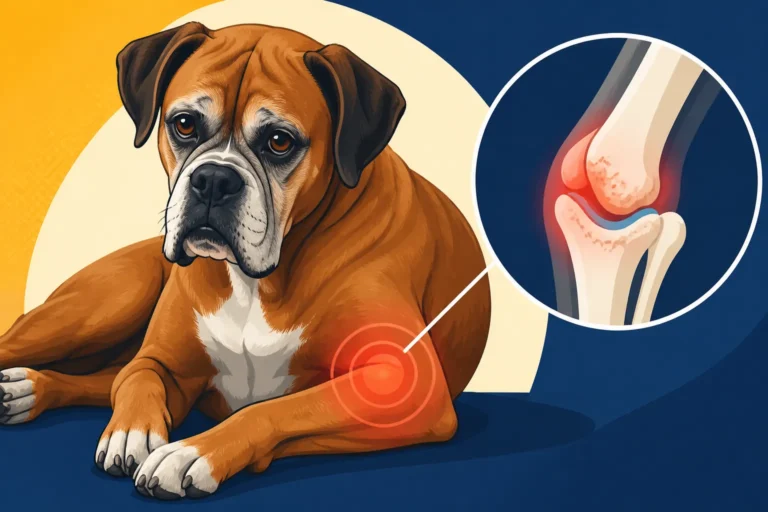
Why Cancer Kills More Boxers Than Anything Else
It’s a heartbreaking reality that so many of us Boxer owners face: cancer is the leading cause of death for our beloved blocky-headed, wiggling companions. There’s a particular sting in watching a dog, so full of life and joy, suddenly succumb to a disease that feels both inevitable and unfair. This guide isn't about sugarcoating that truth, but rather about arming you with detailed information, understanding why cancer targets Boxers so relentlessly, and what we, as their dedicated caregivers, can do to fight back or, at the very least, navigate this challenging journey with knowledge and compassion.
The Stark Reality of Boxer Cancer Rates
If you've spent any time in Boxer circles, whether online forums, breed clubs, or just chatting with other owners at the dog park, you've heard the stories. The seemingly healthy Boxer who developed a lump, the sudden decline, the devastating diagnosis. It's not just anecdotal; statistics consistently show that Boxers are disproportionately affected by various forms of cancer. This isn't just bad luck; it’s a deep-seated characteristic of the breed, something we need to understand fully to give our dogs the best chance. It weighs heavily on every Boxer parent's mind, a quiet worry that often overshadows their dog's boundless energy and goofy charm.
Understanding the Statistics
It’s a grim picture, but one we absolutely must look at head-on. Studies, particularly those examining canine mortality data, consistently place Boxers high on the list for cancer-related deaths. While specific percentages can vary slightly depending on the study and demographic, it’s not uncommon to find figures suggesting that more than 40% of Boxers will develop some form of cancer in their lifetime, and a significant portion of those will ultimately succumb to it. This contrasts sharply with the general canine population, where the risk, while still present, isn't as overwhelmingly dominant as a cause of death.
For instance, major veterinary teaching hospitals and breed-specific health surveys have highlighted these alarming trends for decades. This isn't a new phenomenon; it's something that has been part of the breed's health profile for a long time, evolving as veterinary medicine gets better at diagnosing and categorizing these diseases. The sheer volume of Boxer owners who experience this firsthand creates a collective understanding within the community that our dogs face a unique battle. It’s why topics like The Cancers That Take Most Boxers are so frequently discussed and researched within the breed community.
The types of cancer are varied, too, making it a complex challenge. We're not just talking about one specific cancer; Boxers are prone to a handful of aggressive types, including mast cell tumors, lymphoma, and various brain tumors, among others. Each carries its own set of challenges, symptoms, and prognoses, adding layers of complexity to diagnosis and treatment. This widespread susceptibility means that almost every Boxer owner will, at some point, have to confront the specter of cancer, whether it's a suspicious lump or a more generalized illness.
The Emotional Toll on Boxer Families
Living with the knowledge that your beloved Boxer has a heightened risk of cancer is incredibly taxing. It’s a constant undercurrent of anxiety, especially as they get older. Every new lump, every slight change in appetite or energy, can send a wave of fear through you. You might find yourself meticulously examining your dog, feeling for bumps, checking their gums, watching their gait—all in an effort to catch something, anything, early. This vigilance, while necessary, can be emotionally exhausting.
When a diagnosis finally comes, it's often devastating. It hits differently than, say, a common injury or a treatable infection. Cancer in a Boxer often feels like a betrayal of their vibrant spirit, a cruel twist of fate for such a loving and joyful breed. The decisions that follow – whether to pursue aggressive treatment, manage symptoms, or provide palliative care – are some of the hardest any pet owner will ever face. The financial burden can be immense, but the emotional cost often outweighs even that, leaving scars on the hearts of those who simply wanted to give their Boxer the longest, happiest life possible.
Many owners speak of the grief being compounded by the feeling of helplessness. Despite all their love and best efforts, they often feel powerless against a disease so ingrained in the breed's genetic makeup. This is why connecting with other Boxer owners, sharing experiences, and finding support networks become so vital. It’s a shared burden that, sadly, too many of us understand on a deeply personal level. The reality of Boxer Lifespan and the Years That Decide It often comes down to how and when cancer makes its appearance.
Genetic Predisposition and Breed-Specific Risks
So, why Boxers? Why do these wonderful dogs, with their boundless enthusiasm and sweet temperaments, carry such a heavy genetic burden when it comes to cancer? It largely boils down to their genetic makeup, a legacy passed down through generations. Understanding this predisposition isn't about placing blame, but about gaining insight into the breed's unique biology and finding ways to mitigate the risks where possible. It's a complex interplay of selective breeding, genetic bottlenecks, and the inheritance of specific risk factors.
Inherited Susceptibility
The root of the problem lies deep within the Boxer's DNA. Like many purebred dogs, Boxers have a relatively small gene pool due to generations of selective breeding for specific physical traits and temperaments. While this has given us the distinctive Boxer we adore, it has also inadvertently concentrated certain genes that increase cancer susceptibility. This phenomenon is not unique to Boxers, but they certainly stand out as a prime example.
Research has identified several genetic markers and pathways that appear to be linked to the increased cancer rates in Boxers. For instance, specific gene mutations or variations in immune system genes might make them less effective at identifying and destroying cancerous cells before they proliferate. Additionally, genes involved in cell regulation and tumor suppression may function differently or be less robust in Boxers, creating an environment where abnormal cell growth is more likely to take hold and less likely to be suppressed. This directly ties into discussions around Whether Boxer Cancer Risk Is Inherited.
It's a delicate balance because these genetic predispositions often come from the very lines that produce the traits breeders and owners cherish: the strong musculature, the distinctive head, the energetic disposition. This makes breeding decisions incredibly challenging, as breeders strive to maintain breed standards while simultaneously trying to improve health outcomes by careful selection and genetic testing. It's an ongoing battle, and even with the best intentions, the genetic lottery can still deal a cruel hand.
Specific Cancers Common in Boxers
When we talk about cancer in Boxers, it’s not a vague, generalized threat. There are a few specific types that are overwhelmingly prevalent and contribute significantly to their high mortality rates. These include mast cell tumors, lymphoma, and various forms of brain tumors. Each of these carries its own insidious nature and demands specific attention.
Mast Cell Tumors: These are notoriously common in Boxers, appearing as skin lumps but capable of being far more aggressive and internal. They can be tricky because their appearance doesn't always reflect their malignancy. A small, benign-looking lump could be a high-grade tumor, while a large, angry-looking one might be relatively low-grade. They originate from mast cells, which are part of the immune system, and when cancerous, they can release histamine and other chemicals, causing local swelling, redness, and itching, and even systemic issues like gastrointestinal upset. It’s why What a Boxer Mast Cell Grade Means is so critical for prognosis and treatment planning.
Lymphoma: This cancer of the lymphatic system is also a significant concern for Boxers. It can manifest in various ways, often by causing swollen lymph nodes that feel like hard lumps under the jaw, in the armpits, or behind the knees. However, it can also affect internal organs like the spleen, liver, or bone marrow, making it a systemic disease that can progress rapidly. Boxers can develop different forms of lymphoma, and the prognosis varies depending on the specific type and stage at diagnosis. Understanding Boxer Lymphoma and How It Presents is vital for early recognition.
Brain Tumors: Boxers have a higher incidence of primary brain tumors compared to many other breeds. These tumors can lead to a range of neurological symptoms, including seizures, behavioral changes, weakness, circling, or blindness. The onset of symptoms can be sudden or gradual, making diagnosis challenging initially, as these signs can sometimes be mistaken for other neurological conditions or even normal aging. MRI or CT scans are usually required for definitive diagnosis. The impact of Brain Tumors in Boxers can be devastating, given the critical function of the affected organ.
These specific cancer types often contribute to the heartbreaking statistic that Boxer cancer treatment is often a significant financial undertaking.
Environmental Factors and Lifestyle Influences
While genetics undeniably play a massive role in Boxer cancer rates, we can’t completely overlook the environment and lifestyle. While these factors might not be the primary cause, they can certainly act as triggers or accelerators for the underlying genetic predispositions. Just like in humans, a combination of nature and nurture often dictates health outcomes. As responsible owners, we have a degree of control over these aspects, giving us some power in an otherwise daunting situation.
Diet and Nutrition's Role
The food we feed our Boxers is a constant topic of debate among owners and experts alike, and rightly so, given its potential impact on overall health, including cancer risk. While there’s no single "anti-cancer diet" that guarantees prevention, optimal nutrition plays a critical role in supporting a strong immune system and reducing inflammation, both of which are crucial for fighting off disease.
For Boxers, a diet rich in high-quality protein, moderate healthy fats, and complex carbohydrates, alongside a diverse array of vitamins, minerals, and antioxidants, is paramount. Many owners opt for fresh, whole food diets or high-quality commercial kibbles that avoid excessive fillers, artificial preservatives, and dubious ingredients. The theory is that by reducing the body's inflammatory load and providing essential nutrients for cellular repair and immune function, you create a less hospitable environment for cancer cells to thrive.
Some research suggests that diets high in simple carbohydrates or those causing chronic inflammation could contribute to cancer progression, though definitive studies specifically on Boxers are still evolving. Fish oil, rich in omega-3 fatty acids, is a popular supplement known for its anti-inflammatory properties, and many Boxer owners incorporate it into their dog's regimen. The goal isn't to cure cancer through diet, but to build a robust foundation for health that might help ward off disease or support the body during treatment. It's a continuous conversation around Feeding a Boxer to Stay Lean and Muscled and healthy.
Exposure to Toxins and Carcinogens
Our modern world, unfortunately, exposes our pets to a myriad of potential toxins and carcinogens, both indoors and out. While it’s impossible to create a perfectly sterile environment, being aware of common culprits can help us minimize exposure and reduce the cumulative burden on our Boxers' systems. Their relatively short lifespans mean that any exposure accumulates more rapidly in terms of their overall existence.
Think about common household products: cleaning sprays, air fresheners, pesticides used on lawns, and even flame retardants in furniture. Boxers spend a lot of time close to the ground, inhaling these chemicals and even ingesting them through licking their paws or grooming themselves after walking through treated areas. Switching to pet-safe, natural cleaning products, avoiding lawn chemicals, and regularly vacuuming to reduce dust (which can harbor these chemicals) are all small steps that can make a difference.
Outdoor exposures are also a concern. Car exhaust, industrial pollutants, and herbicides sprayed in parks can all contribute to a dog’s toxic load. While we can’t control all outdoor environments, choosing safe walking routes, limiting exposure to heavily sprayed areas, and wiping down paws after walks can help. Even things like cigarette smoke can be carcinogenic to dogs, so if you smoke, doing so away from your Boxer is crucial. While not a direct cause, minimizing exposure to these environmental stressors reduces the overall pressure on your Boxer's immune system, potentially buying them more healthy years.
Early Detection: The Best Weapon Against Cancer
Given the Boxer's notorious susceptibility to cancer, early detection isn't just a recommendation; it's an absolute necessity. Finding a tumor when it's small, localized, and hasn't had a chance to spread significantly can dramatically improve prognosis and increase the chances of successful treatment. This requires a proactive approach from both you and your veterinarian. Waiting for obvious symptoms often means the cancer has already progressed.
The Importance of Regular Vet Checks
Your veterinarian is your most critical partner in the fight against Boxer cancer. Regular, twice-yearly wellness exams (especially as your Boxer enters middle age, around 5-6 years old) are non-negotiable. During these visits, your vet isn't just listening to their heart and lungs; they're performing a thorough physical examination, feeling for any new lumps or bumps, checking lymph nodes, examining the mouth, and assessing overall body condition.
These routine check-ups create a baseline. Your vet becomes familiar with your Boxer’s normal body, making it easier to spot subtle changes over time. They can also advise on age-appropriate screenings or discuss any specific concerns you might have. Don't hesitate to point out anything, no matter how minor it seems to you. That tiny skin tag you noticed could be nothing, or it could be the first sign of a mast cell tumor. Trust your gut; you know your dog best.
Beyond the physical exam, your vet might recommend routine blood work and urinalysis, especially for older Boxers. While these tests aren't definitive for cancer, they can sometimes flag systemic issues, changes in organ function, or abnormalities in blood cell counts that could be indicative of underlying disease, prompting further investigation. It’s a holistic approach to monitoring your Boxer's health as they age.
Becoming Your Boxer's Advocate: Weekly Lump Checks on a Boxer
While your vet plays a crucial role, you are on the front lines every single day. No one sees or touches your Boxer as much as you do. This makes you your dog's primary advocate and early detection specialist. Implementing a routine of Weekly Lump Checks on a Boxer is perhaps the single most impactful thing you can do at home.
This isn't about frantically searching; it's about a calm, systematic examination. When you're petting your Boxer, use the opportunity to run your hands over every inch of their body:
- Head and Neck: Feel under their chin, along their jawline, and down their neck for any swollen lymph nodes or new bumps.
- Body: Systematically check their chest, sides, belly, and back. Pay close attention to areas like armpits, groin, and along their ribs.
- Legs and Paws: Don't forget their legs, all the way down to their toes and paw pads. Check between their toes, too, as mast cell tumors can appear in unusual places.
- Tail and Rear: Examine their tail and the area around their anus.
Note down anything new, no matter how small. Is it firm or soft? Movable or fixed? Has it changed in size or texture? Take a picture with a ruler next to it for comparison. If you find anything suspicious, even if it seems innocuous, make an appointment with your vet. A fine needle aspirate (FNA) can often provide answers quickly and non-invasively. Remember, it's always better to be overly cautious when it comes to Boxer lumps.
Common Boxer Cancers and Their Characteristics
As we've touched upon, Boxers are unfortunately predisposed to a range of cancers, but some are far more prevalent than others. Knowing the key characteristics of these common cancers can empower you to recognize potential signs early and seek veterinary attention promptly. These are the cancers that keep Boxer owners awake at night, and understanding them is crucial.
Mast Cell Tumors in Boxers
Mast cell tumors (MCTs) are often called "the great imitators" because they can look like almost anything: a wart, an insect bite, a fatty lump, or even just an irritated patch of skin. This makes them particularly tricky and underscores the importance of having any new lump checked by your vet. While some MCTs are benign (Grade I), many are aggressive (Grade II or III) and can spread rapidly if not treated effectively.
They most commonly appear on the skin, but they can also develop internally, affecting organs like the spleen, lymph nodes, or bone marrow. When on the skin, they can sometimes fluctuate in size due to the release of histamine, which can cause local inflammation or "Darier's sign." If you notice a lump that suddenly swells, turns red, or seems itchy, especially after being poked or rubbed, it should raise a red flag.
Diagnosis typically involves a fine needle aspirate (FNA), where a small sample of cells is taken and examined under a microscope. If the FNA is suspicious for MCT, surgical removal with wide margins is often the first line of defense. The removed tumor is then sent for histopathology to determine its grade and completeness of removal. Depending on the grade and location, further treatment like chemotherapy or radiation might be recommended to prevent recurrence or metastasis. The decision to pursue Surgery Margins on a Boxer Mast Cell Tumor is often critical for long-term prognosis.
Lymphoma: A Systemic Threat
Lymphoma is a cancer of the lymphocytes, a type of white blood cell, and can affect any part of the body where lymphoid tissue is present. In Boxers, it often presents in the lymph nodes, but it can also involve the spleen, liver, gastrointestinal tract, skin, or bone marrow. This systemic nature makes it a particularly challenging cancer to treat.
The most common presentation is multicentric lymphoma, where multiple peripheral lymph nodes become enlarged. You might feel these as firm, non-painful swellings under your Boxer’s jaw (submandibular), in front of their shoulders (prescapular), or behind their knees (popliteal). Other signs can be vague and non-specific, including lethargy, loss of appetite, weight loss, or gastrointestinal upset.
Diagnosis usually involves an FNA of an enlarged lymph node, followed by cytology. A biopsy of the lymph node is often needed for definitive diagnosis and subtyping the lymphoma, which helps guide treatment. Staging tests, such as blood work, urinalysis, chest X-rays, and abdominal ultrasound, are crucial to determine the extent of the disease. While lymphoma is rarely curable, it is often very treatable with chemotherapy, leading to remission and an improved quality of life for a significant period. The specific Staging a Boxer's Lymphoma determines the treatment protocol and outlook.
Brain Tumors in Boxers
Boxers have a genetic predisposition to developing primary brain tumors, particularly gliomas, which originate from the supportive cells of the brain. These tumors can be incredibly challenging because of their location and the vital functions of the brain. The symptoms often depend on the tumor's size and location, making early diagnosis difficult unless the signs are dramatic.
Common signs of a brain tumor in a Boxer include:
- Seizures: This is often the most common and noticeable symptom, ranging from mild focal seizures (twitching of a limb or face) to generalized grand mal seizures. This is why Seizures That Signal a Boxer Brain Tumor should always be investigated.
- Behavioral Changes: Your normally affectionate Boxer might become withdrawn, irritable, or aggressive. They might also show disorientation, staring into space, or pacing.
- Neurological Deficits: This can include weakness or incoordination on one side of the body, circling, head tilting, difficulty walking, or vision problems.
- Changes in Appetite or Thirst: While less specific, these can sometimes be subtle indicators.
Diagnosis requires advanced imaging, typically an MRI or CT scan of the brain. These scans can pinpoint the tumor's location and size, which is critical for determining treatment options. Treatment for brain tumors can be complex and may involve surgery (if the tumor is accessible and resectable), radiation therapy, and/or chemotherapy, often combined with medications to manage symptoms like seizures and brain swelling. The prognosis varies widely depending on the tumor type, size, and location.
Diagnosis and Treatment Options
When a Boxer is diagnosed with cancer, it can feel like the world has stopped spinning. But it’s crucial to remember that a diagnosis is not an immediate death sentence. Veterinary oncology has made tremendous strides, and there are many diagnostic tools and treatment options available today that can significantly extend a Boxer’s life and maintain their quality of life. The path forward is often complex, requiring careful consideration and collaboration with your veterinary team.
Diagnostic Procedures: From Biopsy to Imaging
Once a suspicious lump or symptom is identified, your vet will begin a series of diagnostic tests to confirm a cancer diagnosis, determine the type of cancer, and assess its extent (staging). This process is vital for formulating the most effective treatment plan.
- Fine Needle Aspirate (FNA): Often the first step for palpable lumps. A small needle collects cells for microscopic examination (cytology). It’s quick, minimally invasive, and can often differentiate between benign and malignant growths, or identify specific cell types like mast cells or lymphocytes.
- Biopsy: If an FNA is inconclusive or if a more definitive diagnosis is needed, a biopsy involves surgically removing a small piece of tissue for histopathological examination. This provides a more detailed analysis of the cells and tissue architecture, crucial for accurate grading and typing of tumors.
- Blood Work and Urinalysis: These tests provide a general overview of your Boxer's health, checking organ function, red and white blood cell counts, and detecting any systemic imbalances. While not diagnostic for cancer, they can reveal abnormalities that suggest underlying disease or indicate how well your Boxer might tolerate certain treatments.
- Diagnostic Imaging:
- X-rays: Chest X-rays are common to check for metastasis (spread of cancer) to the lungs, a common site for secondary tumors. Abdominal X-rays might be used to look for enlarged organs or masses.
- Ultrasound: Abdominal ultrasound allows for detailed visualization of internal organs like the liver, spleen, kidneys, and lymph nodes, helping to identify masses or enlarged structures not visible on X-rays.
- CT (Computed Tomography) and MRI (Magnetic Resonance Imaging): These advanced imaging techniques provide highly detailed cross-sectional images of the body. They are particularly valuable for diagnosing brain tumors, evaluating the extent of complex tumors in other locations, and surgical planning. For instance, diagnosing A Boxer That Tests Clear but Still Has ARVC often requires an echocardiogram, highlighting the importance of specialized imaging for different conditions.
Each diagnostic step builds a more complete picture, allowing your veterinary oncologist to make informed recommendations tailored to your Boxer's specific situation.
Understanding Chemotherapy for a Boxer With Cancer
The word "chemotherapy" often conjures images of severe side effects in humans, and understandably, many owners are hesitant about putting their Boxer through it. However, chemotherapy in veterinary medicine is generally much different, with the primary goal being quality of life rather than solely cure.
Veterinary chemotherapy protocols are typically designed to minimize side effects while still effectively targeting cancer cells. The doses are often lower than in human medicine, and dogs generally tolerate chemotherapy much better. Common side effects, if they occur, might include mild nausea, decreased appetite, or some lethargy, which are usually manageable with supportive medications. Hair loss, while possible, is rare in Boxers due to their short coats.
Chemotherapy can be administered orally (pills at home) or intravenously (injections at the vet's office), depending on the specific drug and protocol. It's often used for systemic cancers like lymphoma, or as an adjunctive treatment after surgery for aggressive tumors like high-grade mast cell tumors. Your vet will discuss the specific drugs, their potential side effects, the treatment schedule, and the expected outcomes. It’s a significant commitment, both emotionally and financially, but can often provide many months or even years of good quality life. Knowing Chemotherapy for a Boxer With Cancer is a crucial part of treatment planning.
Radiation and Surgical Interventions
Beyond chemotherapy, surgery and radiation therapy are powerful tools in the fight against Boxer cancer.
- Surgery: For localized tumors, surgical removal is often the preferred and most effective treatment. The goal is to remove the entire tumor, along with a margin of healthy tissue around it, to ensure all cancerous cells are excised. For mast cell tumors, for instance, achieving How Wide a Boxer Tumor Margin Should Be is critical for preventing recurrence. Surgery can be curative for many types of cancer if detected early and completely removed. It may also be used to remove large tumors to improve quality of life, even if some microscopic disease remains.
- Radiation Therapy: This treatment uses high-energy radiation to kill cancer cells and shrink tumors. It's often used for tumors that cannot be completely removed surgically, or for those in sensitive areas where wide surgical margins are difficult to achieve (e.g., tumors on the face or limbs). Radiation is also a cornerstone of treatment for many brain tumors. It typically involves multiple short sessions, often requiring anesthesia for each treatment to ensure precise targeting. Side effects can include skin irritation or hair loss in the treated area, but these are usually temporary.
Often, a multimodal approach, combining surgery, chemotherapy, and/or radiation, yields the best results, especially for aggressive cancers. Your veterinary oncologist will explain which options are most appropriate for your Boxer’s specific cancer type, stage, and overall health.
Proactive Care and Support
Facing a Boxer cancer diagnosis is overwhelming, but proactive care and a strong support system can make a significant difference in managing the disease and maintaining your dog's quality of life. It’s about more than just medical treatments; it’s about holistic well-being.
Nutritional Support and Supplements
Nutrition becomes even more critical for a Boxer undergoing cancer treatment or managing the disease long-term. Cancer cells often compete with healthy cells for nutrients, and treatment can sometimes lead to decreased appetite or digestive upset.
- High-Quality, Digestible Diet: Focus on easily digestible, highly palatable foods. Many veterinary oncologists recommend diets higher in protein and moderate in fat, with controlled carbohydrate levels, to help maintain muscle mass and provide energy. Some prescription diets are specifically formulated for cancer patients.
- Omega-3 Fatty Acids: Fish oil supplements, rich in EPA and DHA, are frequently recommended due to their anti-inflammatory and potential anti-cancer properties. They can also help support the immune system and improve coat health.
- Antioxidants: While a balanced diet provides antioxidants, some owners explore additional supplements. However, it's crucial to discuss any supplements with your vet, as some can interfere with chemotherapy drugs.
- Appetite Stimulants: If your Boxer's appetite is waning, your vet might prescribe appetite stimulants to ensure they're getting enough calories and nutrients.
- Probiotics: These can help support gut health, which is often compromised during treatment, and aid in digestion.
The goal is always to keep your Boxer nourished, strong, and comfortable. What works for one Boxer might not work for another, so flexibility and close communication with your vet are key.
The Role of Pet Insurance like Healthy Paws
Let’s be honest: cancer treatment is expensive. From diagnostic imaging to surgery, chemotherapy, and supportive care, the costs can quickly spiral into thousands or even tens of thousands of dollars. This financial burden, on top of the emotional stress, can force unimaginable choices upon families. This is where pet insurance, specifically policies from providers like Healthy Paws, can be an absolute lifesaver.
Having a robust pet insurance policy in place before a diagnosis makes an enormous difference. Policies typically cover a significant portion of unexpected veterinary bills, including those for cancer diagnosis and treatment. This allows you to focus on getting your Boxer the best possible care without having to make decisions based solely on your bank account. Many owners deeply regret not having Insuring a Boxer Before the First Lump when they are suddenly hit with a massive bill.
It’s crucial to understand how pet insurance works and to choose a policy that offers comprehensive coverage for chronic illnesses like cancer. Many plans operate on a reimbursement model: you pay the vet directly, and then submit a claim to your insurance provider for repayment. Some, like Healthy Paws, are known for their strong coverage for serious illnesses and a straightforward claims process, which can provide immense peace of mind. Getting a policy in place while your Boxer is young and healthy is key, as conditions diagnosed before coverage begins are usually considered "pre-existing" and may not be covered.
Quality of Life Considerations
Ultimately, our primary goal is to ensure our Boxer maintains a good quality of life throughout their battle with cancer. This involves constant assessment and honest conversations with your vet and your family. What does a "good day" look like for your Boxer? Are they still enjoying their food, walks, playtime, and cuddles?
Palliative care focuses on managing pain and symptoms to ensure comfort, even if a cure isn't possible. This can involve pain medication, anti-inflammatory drugs, anti-nausea medication, and nutritional support. For some Boxers, this is the most compassionate path, allowing them to spend their remaining time at home, surrounded by love, without the stress of aggressive treatments.
It’s a heartbreaking decision to know Knowing When a Boxer With Cancer Has Had Enough. This is a deeply personal choice, but having a clear understanding of your Boxer's quality of life indicators, and open communication with your veterinary team, can help you navigate this difficult time with confidence and compassion. Options like Hospice Care for a Boxer can provide invaluable support during the final stages, focusing entirely on comfort and dignity.
Looking Ahead: Research and Hope
While the statistics for Boxer cancer are daunting, it's important to remember that the field of veterinary oncology is constantly evolving. Dedicated researchers and veterinarians are tirelessly working to understand canine cancers better, develop new diagnostic tools, and discover more effective and less toxic treatments. There is hope on the horizon, fueled by scientific advancements and a deep commitment to improving the lives of our beloved Boxers.
Advances in Canine Oncology
The landscape of veterinary cancer care today is vastly different from even a decade ago. We're seeing exciting breakthroughs in several areas:
- Targeted Therapies: These treatments specifically target cancer cells based on their unique molecular characteristics, often resulting in fewer side effects than traditional chemotherapy. For example, some new drugs are designed to inhibit specific enzymes or pathways that are overactive in certain types of cancer, like mast cell tumors.
- Immunotherapy: Harnessing the body's own immune system to fight cancer is a rapidly growing field. Canine cancer vaccines (like the melanoma vaccine) and other immune-modulating drugs are showing promise in stimulating the dog's immune response against cancer cells.
- Improved Diagnostics: Advanced imaging techniques (like high-resolution MRI and PET scans) are becoming more accessible, allowing for earlier and more precise tumor detection and staging. Molecular diagnostics, such as genetic testing for specific cancer markers, are also becoming more sophisticated, helping tailor treatment plans.
- Minimally Invasive Procedures: Techniques like laparoscopic surgery or interventional radiology are offering less invasive ways to diagnose and treat certain cancers, reducing recovery times and improving patient comfort.
- Personalized Medicine: The goal is to move towards personalized treatment plans based on a Boxer’s individual tumor genetics and overall health profile, ensuring the most effective and least toxic approach.
These advancements mean that a cancer diagnosis today might have a very different prognosis and treatment pathway than it would have just a few years ago. It’s a field of continuous discovery, offering new avenues of hope.
Supporting Boxer-Specific Cancer Research
The only way to truly turn the tide against Boxer cancer is through dedicated research. Many breed-specific clubs and veterinary foundations are actively funding studies focused on understanding the genetic predispositions, identifying early biomarkers, and developing better treatments specifically for the cancers prevalent in Boxers.
Organizations like the American Boxer Club Charitable Trust and the Canine Health Foundation play a crucial role in raising funds and supporting cutting-edge research projects. These studies often focus on identifying the specific genes responsible for Boxer cancer susceptibility, improving screening methods, and testing novel therapies. For example, understanding the intricacies of The Striatin Gene Test for Boxers for ARVC has shown how genetic research can benefit the breed, and similar efforts are underway for cancer.
As Boxer owners, we can contribute to this vital work. This might involve participating in clinical trials with your Boxer (if appropriate and available), making donations to reputable canine cancer research organizations, or simply spreading awareness about the importance of supporting these efforts. Every dollar and every piece of data contributes to a collective effort to improve the health and lengthen the lives of our beloved Boxers, ensuring that future generations might not face such a daunting challenge.
| Common Boxer Cancers | Typical Location(s) | Potential Early Signs |
|---|---|---|
| Mast Cell Tumors | Skin, subcutaneous tissue, spleen | New lumps (any size/texture), fluctuating lump size/redness |
| Lymphoma | Lymph nodes, spleen, liver, GI tract | Enlarged lymph nodes (jaw, armpit, knee), lethargy, weight loss |
| Brain Tumors | Brain | Seizures, behavioral changes, weakness, circling, vision issues |
| Hemangiosarcoma | Spleen, heart, liver, skin | Lethargy, weakness, pale gums, abdominal distention, collapse |
Disclaimer
The information provided in this guide is intended for educational purposes only and should not be considered a substitute for professional veterinary advice. Always consult with your veterinarian for any health concerns or before making any decisions related to your Boxer's care.