Whether a Boxer Wart Needs Removing
Finding a new lump or bump on your beloved Boxer can be an absolute heart-stopper. We’ve all been there, running our hands over that silky coat, only to discover something unexpected that sends our minds reeling with worry. Often, these bumps turn out to be harmless, but sometimes, they warrant closer inspection. One common culprit is the "wart," and it leaves many Boxer owners wondering if it's something that just needs to be watched or if it requires immediate removal. This guide aims to clear up that confusion, giving you a clear picture of what Boxer warts are, when they can be left alone, and when it’s time to call the vet.
Understanding What Boxer Warts Really Are
When you first feel that rough, cauliflower-like growth on your Boxer, your mind probably jumps to all sorts of scary places. But more often than not, what we commonly refer to as a "wart" on a Boxer is a benign viral growth. It’s important to understand the nature of these growths to better assess their potential impact on your furry friend.
The Different Kinds of Bumps Boxers Get and Why Warts are Unique
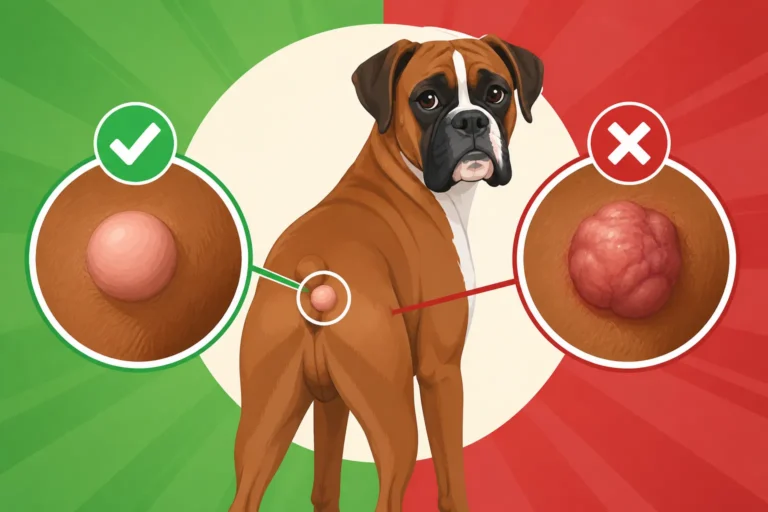
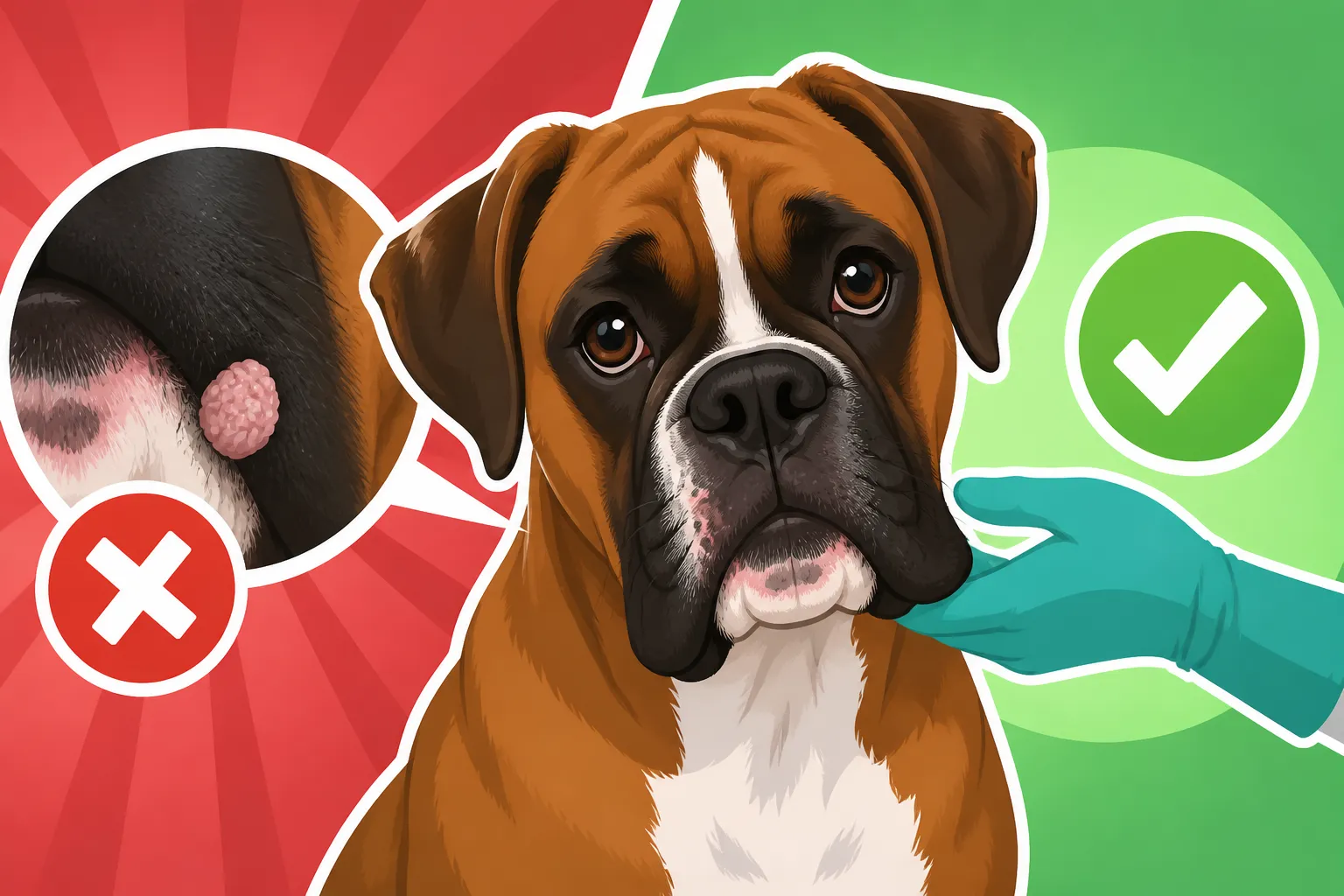
Boxers, unfortunately, seem to be magnets for all sorts of skin lumps and bumps. It’s a common frustration for us owners, constantly feeling for new developments. While some lumps can be quite serious, many are actually benign. Warts, or more formally viral papillomas, are distinct because they are caused by a virus. They typically appear as small, often multiple, cauliflower-like growths. You might find them in or around your Boxer’s mouth, on their eyelids, between their toes, or on other areas of their skin. They have a characteristic rough, irregular texture, and they can be pink, white, or even pigmented.
It's easy to confuse a wart with other common Boxer lumps, which is why a proper diagnosis from your vet is always the safest bet. For instance, a common benign growth, especially in young Boxers, is a histiocytoma. These often appear as rapidly growing, dome-shaped, hairless red lumps that can spontaneously regress, much like some warts. Then there are lipomas, which are fatty lumps often found under the skin in older dogs. These are soft, movable, and generally harmless. The real concern, of course, is the dreaded mast cell tumor, which can vary wildly in appearance and behavior. This is why when you're doing your Weekly Lump Checks on a Boxer, paying attention to texture, color, and how quickly a lump appears can give you initial clues, but it's never a substitute for veterinary expertise. Knowing the difference is critical, and sometimes, even vets need to perform diagnostics to be absolutely certain. If you're ever questioning Telling a Boxer Fatty Lump From a Tumor, a vet visit is in order.
How Boxers Get Warts and Why Young Dogs Are Prone
Boxer warts are caused by the canine papillomavirus. It's a highly contagious virus, typically spread through direct contact with an infected dog or contaminated objects like toys, food bowls, or even shared water. The virus enters through small cuts or abrasions in the skin. Once exposed, there's usually an incubation period of about one to two months before the warts actually appear.
The reason young Boxers, particularly puppies and adolescents, are so prone to getting these warts is largely due to their developing immune systems. Just like kids in daycare who seem to catch every bug going around, young dogs haven't yet built up robust immunity to common viruses. Their immune systems are still learning the ropes, making them more susceptible to the papillomavirus. As they mature, their immune systems strengthen, often leading to the spontaneous regression of these warts. However, older Boxers, especially those with compromised immune systems due perhaps to illness, certain medications, or simply advanced age, can also develop papillomas. It’s a good reminder that Caring for a Boxer Past Eight sometimes comes with a new set of dermatological challenges.
When a Boxer Wart Might Need Removal
While many Boxer warts are harmless and resolve on their own, there are definite scenarios where removal isn't just a good idea, but a necessary step to ensure your dog's comfort and health. It’s not just about aesthetics; it's about functionality and preventing secondary issues.
Warts Causing Discomfort or Interference
Imagine having a rough, fleshy growth inside your mouth or right on your eyelid – pretty uncomfortable, right? The same goes for our Boxers. If a wart appears in a location where it's constantly being irritated, rubbed, or bumped, it can become a real problem. For example, warts inside the mouth or on the lips can interfere with eating and drinking. They can get traumatized by chewing, leading to bleeding, pain, and a heightened risk of secondary bacterial infections. This is especially true if you notice blood in their water bowl or on their toys.
Warts on the paw pads or between the toes are another common source of trouble. These can make walking painful, leading to limping or excessive licking, which then compounds the problem by causing inflammation and infection. Similarly, a wart on an eyelid can rub against the cornea, causing irritation, excessive tearing, and potentially even corneal ulcers. Even a wart in a spot where their collar or harness rubs regularly can become chronically inflamed. In these situations, your vet will likely recommend removal to alleviate your Boxer's discomfort and prevent more serious complications. Getting rid of the irritating growth improves their quality of life immediately.
Warts That Look Suspicious or Change Rapidly
This is perhaps the most critical reason for considering wart removal: when a growth simply doesn't look or act like a typical viral papilloma. While viral warts have a characteristic appearance, some other, more concerning growths can mimic them. A wart that grows unusually fast, changes color, bleeds spontaneously without trauma, becomes ulcerated, or appears to be deeply rooted in the skin rather than just on the surface, should always raise a red flag.
Boxers are predisposed to various forms of cancer, and sometimes, a seemingly innocent "wart" could be something far more sinister, like a squamous cell carcinoma or an atypical mast cell tumor. Even though we’d all prefer to think the best, it’s not worth taking a chance with these possibilities. If your vet has any doubt, they will recommend removal and submission of the tissue for histopathology (a biopsy). This is the only way to get a definitive diagnosis and confirm whether the growth is benign or malignant. Sometimes, what looks like a benign Boxer Skin Tumor That Is Not Cancer could actually be something that requires urgent attention. Never underestimate the importance of veterinary examination and diagnostic testing when a lump behaves unexpectedly. This kind of diagnostic work can sometimes come with a price tag, but many owners find peace of mind and financial support through pet insurance like Healthy Paws, which can cover unexpected illness and injury costs, including diagnostics for suspicious growths.
The Watch and Wait Approach for Boxer Warts
It’s often a relief to hear that not every lump needs immediate intervention. For many viral warts, a patient, watchful approach is perfectly appropriate and often the best course of action. This strategy relies on your Boxer's own body doing the work.
Natural Regression and Immune System Response
The beauty of most viral papillomas is that they tend to be self-limiting. This means that, in time, a healthy Boxer's immune system will typically mount a response against the virus and cause the warts to shrink and eventually disappear on their own. This process can take anywhere from a few weeks to several months. It's truly fascinating to watch their bodies figure it out! The immune system essentially recognizes the viral cells as foreign invaders and works to eliminate them. This is especially common in young Boxers who develop oral papillomas, where clusters of warts can appear quickly and then vanish just as rapidly once their immune system catches up.
During this "watch and wait" period, your vet might recommend monitoring the warts with regular check-ins, perhaps every few weeks. They’ll want to ensure the warts aren't growing excessively, becoming inflamed, or causing any problems. Keeping a log or taking photos can be really helpful for tracking changes. It’s a testament to the power of a dog's natural defenses, and often, less is more when it comes to these types of growths. Of course, a growth that is verified to be a benign Histiocytomas on a Young Boxer also tends to regress on its own, so identifying the exact type of lump is crucial to deciding on this approach.
Supporting Your Boxer While Warts Resolve
Even if you're taking a "watch and wait" approach, there are things you can do to support your Boxer and make them more comfortable. The primary goal is to prevent irritation, infection, and further spread of the virus. If the wart is in a place where your Boxer can lick or chew it, consider using an Elizabethan collar (e-collar) or a soft cone for short periods. This prevents self-trauma, which can lead to bleeding and secondary infections. Keeping the wart clean and dry is also important; you might gently clean the area with a mild antiseptic solution if your vet recommends it, especially if it’s near the mouth or on a paw.
Some vets might suggest dietary supplements aimed at boosting the immune system, such as L-Lysine or specific mushroom extracts, though their efficacy against papillomavirus in dogs isn't always definitively proven. Always discuss any supplements with your vet first to ensure they are safe and appropriate for your Boxer. Avoid any "at-home" remedies like tying off warts or applying harsh chemicals, as these can cause significant pain, infection, and scarring. Patience is key here, allowing your Boxer's body to do what it's designed to do. Providing a balanced, high-quality diet and ensuring your Boxer gets appropriate exercise and rest also contributes to overall immune health, helping them fight off the virus more effectively. This general health support is vital for all aspects of Boxer Lifespan and the Years That Decide It.
Vet-Recommended Removal Options for Persistent Warts
While many warts do disappear on their own, some just stubbornly stick around or cause enough trouble that removal becomes necessary. When that's the case, your veterinarian has several effective methods at their disposal to get rid of them safely.
Surgical Excision and Cryosurgery
The most straightforward and common method for removing persistent or problematic warts is surgical excision. This involves your vet surgically cutting out the wart and a small margin of surrounding tissue. It's typically done under general anesthesia, ensuring your Boxer is comfortable and still. For warts that are bothering your dog, bleeding, or if there's any suspicion of malignancy, this is often the preferred route because it allows for the entire growth to be sent off for histopathology. This is the only way to confirm what the lump truly is and ensure it’s completely benign, or to identify if it's something more concerning.
Another excellent option, particularly for smaller warts or those in delicate areas, is cryosurgery. This method uses extreme cold (liquid nitrogen) to freeze and destroy the wart tissue. It's less invasive than traditional surgery and often requires only light sedation or local anesthetic, depending on the wart's size and location. The wart eventually shrivels and falls off a few days to a couple of weeks after the procedure. Cryosurgery is generally quick, with minimal bleeding, and a relatively fast recovery time. However, it's not ideal for very large or deeply rooted warts, as it might not get all the cells, leading to recurrence. When considering any procedure requiring sedation or anesthesia for your Boxer, it's worth discussing Anesthesia Risk in a Flat-Faced Boxer with your vet, as their brachycephalic nature can present specific considerations.
Less Invasive Treatments and Home Care Cautions
Beyond traditional surgery and cryosurgery, there are a few other less invasive treatments vets sometimes employ for warts. Laser removal uses a concentrated beam of light to vaporize the wart tissue, offering precision and often less bleeding than traditional surgery. Another option, especially for widespread oral papillomas that are causing significant issues, can be the use of interferon, an antiviral protein. This might be given systemically (via injection) or topically, aiming to boost the immune response against the virus. These treatments are less common for a single, isolated wart but can be valuable in specific cases.
It's crucial to stress caution when it comes to "home remedies" for wart removal. As tempting as it might be to try something you read online, things like applying apple cider vinegar, tea tree oil, or attempting to "tie off" a wart can be incredibly painful for your Boxer, lead to severe infections, and potentially cause more harm than good. These substances can burn your dog's skin, and improper removal attempts can lead to excessive bleeding or incomplete removal, which may encourage regrowth or introduce bacteria. Always, and I mean always, consult with your veterinarian before attempting any treatment for your Boxer's warts. Your vet can accurately diagnose the lump, recommend the safest and most effective course of action, and help you understand potential costs, some of which might be covered by your pet insurance plan like those offered by Healthy Paws. Being proactive with veterinary care, even for something that seems minor, can save a lot of heartache (and potentially bigger bills) down the line.
Table: Common Boxer Skin Lumps and Their Characteristics
| Type of Lump | Typical Appearance | Common Location | Usual Course / Recommendation |
|---|---|---|---|
| Viral Papilloma (Wart) | Cauliflower-like, rough, often multiple | Mouth, eyelids, paws, skin | Often regresses spontaneously, removal if bothersome or suspicious |
| Histiocytoma | Red, dome-shaped, hairless, rapid growth | Head, ears, limbs | Often regresses spontaneously within 2-3 months |
| Lipoma | Soft, movable, non-painful, under skin | Trunk, armpits, flanks | Benign fatty tumor, usually left alone unless very large or interferes |
| Sebaceous Cyst | Small, firm, fluid-filled, can rupture | Trunk, head, neck | Benign, may rupture and get infected; often removed if recurring or large |
| Mast Cell Tumor | Highly variable; can be firm, soft, raised | Anywhere, especially trunk, limbs | Highly variable, requires immediate veterinary assessment and biopsy |
| Basal Cell Tumor | Firm, solitary, well-defined, often hairless | Head, neck, shoulders | Generally benign, but some forms can be malignant; removal recommended |
Disclaimer
This article is for general informational purposes only and does not constitute professional advice. Laws, prices and regulations vary by location and change over time. Consult a qualified professional for guidance on your specific situation.