Why a Neutered Boxer Puts on Weight
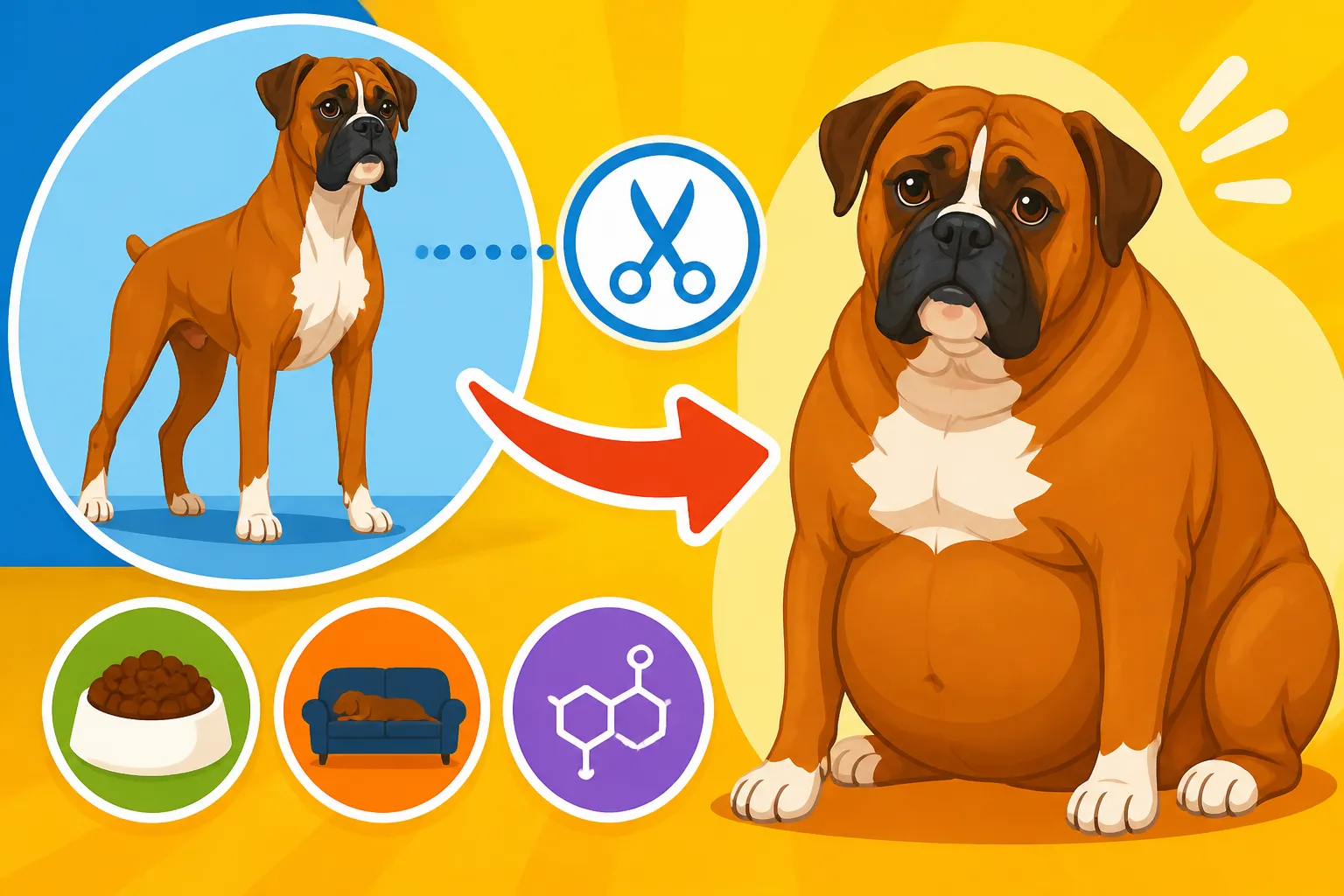
It's a familiar scenario for many Boxer owners: you get your beloved, bouncy Boxer puppy neutered, expecting a calmer, perhaps less rambunctious dog, only to find that within months, they start to pack on the pounds. This isn't just a cosmetic issue; it's a real challenge that can lead to significant health problems down the line. This guide will delve deep into why neutered Boxers often gain weight, exploring the hormonal shifts, activity level changes, and how you can proactively manage their diet and exercise to keep them lean, muscular, and healthy for years to come.
The Hormonal Shift After Neutering
When a male Boxer is neutered, it involves the surgical removal of the testicles, which are the primary producers of testosterone. This procedure, while offering many health and behavioral benefits, creates a profound hormonal shift that directly impacts a dog's metabolism and body composition. Understanding these changes is the first step in preventing unwanted weight gain.
Understanding the Role of Testosterone
Testosterone is more than just a "male hormone" responsible for reproductive functions and typical male behaviors. In dogs, as in humans, testosterone plays a crucial role in maintaining muscle mass, bone density, and a higher metabolic rate. It helps the body burn calories more efficiently and supports a more active, energetic disposition. Think of it as a natural internal furnace that keeps the engine running hotter.
When this hormone is removed from the equation, that furnace effectively turns down. Boxers are naturally athletic and muscular dogs, and testosterone helps maintain that lean, powerful physique. Without it, there's a tendency for muscle mass to decrease over time if not actively countered with targeted exercise and diet. This reduction in muscle means the body burns fewer calories at rest, making it easier for fat to accumulate, even if the dog's food intake stays the same.
Changes in Energy Metabolism
The absence of testosterone directly alters a Boxer's basal metabolic rate (BMR), which is the number of calories their body burns just to perform basic functions like breathing, digestion, and maintaining body temperature. An intact male Boxer typically has a higher BMR than a neutered one. This means that after neutering, your Boxer needs fewer calories to simply exist.
Many owners continue feeding the same amount of food they did when their Boxer was intact, not realizing that their dog's energy expenditure has fundamentally changed. It's like having a car that suddenly becomes more fuel-efficient but continuing to fill the tank as often as before – eventually, the fuel spills over. The body becomes more efficient at storing fat from excess calories, rather than burning them for energy or building muscle. This metabolic shift is one of the primary drivers behind post-neutering weight gain and highlights why a simple adjustment to diet is so critical.
The Effect on Appetite and Satiety
Another less obvious but significant impact of neutering is on a Boxer's appetite and feelings of satiety, or fullness. Hormones play a complex role in regulating hunger and fullness signals in the brain. Some studies suggest that the hormonal changes post-neutering can actually increase a dog's appetite, making them feel hungrier more often, or less satisfied after a meal.
Imagine your Boxer, who has always loved his food, suddenly seeming even more ravenous. He might beg more, hover around the kitchen, or act perpetually starved, even after eating his regular portion. This can be incredibly challenging for owners who want to please their beloved companion. It takes a strong will to resist those soulful Boxer eyes, especially if you believe they are genuinely hungry. This increased drive to eat, combined with a lower caloric need, creates a perfect storm for weight gain. It’s crucial to understand that their internal hunger cues may be slightly off, making careful portion control even more vital.
Lifestyle and Activity Level Changes
While the hormonal changes are biochemical, the practical reality of living with a neutered Boxer often involves subtle, yet significant, shifts in their daily routine and overall energy output. These lifestyle factors, when combined with metabolic changes, accelerate the tendency for weight gain.
Activity Levels Naturally Decline
It's a common observation that some Boxers, once neutered, might experience a slight, gradual decline in their overall energy levels. While Boxers are known for their boundless "puppyhood that lasts three years" and sustained energy well into adulthood, some individuals do become a little less driven, less inclined to zoom around the yard for extended periods, or less enthusiastic about long, vigorous play sessions. This isn't universally true for every Boxer, but it's a pattern many owners report.
This shift might be subtle. Your Boxer might still enjoy a good walk, but perhaps their intensity during fetch isn't quite the same, or they tire a little faster. These small changes, accumulated over weeks and months, mean fewer calories are being burned each day. If their food intake isn't adjusted downwards to match this slightly reduced activity, those unburned calories quickly turn into stored fat. It’s easy to miss these gradual shifts, especially when you're used to a dog that seems to run on an endless battery.
The Importance of Consistent Exercise
Despite any potential decline in raw energy, Boxers remain an incredibly athletic and active breed. They require consistent, vigorous exercise not just for their physical health, but for their mental well-being too. Relying solely on your Boxer's natural inclination to play might not be enough after neutering. As they get older, even intact Boxers might require a more structured approach to exercise.
Owners need to become more proactive in scheduling and facilitating their Boxer's activity. This means engaging them in dedicated play sessions, regular brisk walks, runs, or even dog sports. Boxer Exercise Needs and the Heat That Limits Them emphasizes the breed's needs, and these needs don't disappear after neutering; they simply might require more initiation from you. Think about activities like long-line fetch in a safe, open space, brisk walks around the neighborhood, or even agility training if your Boxer enjoys it. The goal is to ensure they are expending a sufficient amount of energy daily, challenging their muscles and cardiovascular system.
Overfeeding as an Unintended Consequence
One of the biggest culprits for weight gain in neutered Boxers isn't necessarily a massive increase in food, but simply not decreasing the food as their needs change. Many owners continue feeding the same portion size or even slightly more out of habit or affection. It's easy to rationalize, "He's such a good boy, a little extra won't hurt," especially if they seem to enjoy their meals so much. However, these small excesses add up over time.
Consider a Boxer who, pre-neuter, burned 1,800 calories a day and ate a diet providing 1,800 calories. Post-neuter, his BMR might drop, and his activity might slightly decrease, bringing his daily calorie expenditure down to 1,600. If he continues to eat 1,800 calories, that's a surplus of 200 calories every single day. Over a week, that's 1,400 extra calories, and over a month, 6,000. These seemingly small excesses lead to gradual, insidious weight creep that can be hard to notice until it's become a significant problem. This is where The Yearly Bill for a Seventy-Pound Boxer can highlight unexpected costs of not managing weight, which includes potential vet bills for weight-related issues.
Practical Strategies to Prevent and Manage Weight Gain
Preventing and managing weight gain in a neutered Boxer isn't about deprivation; it's about intelligent management, thoughtful dietary choices, and a commitment to their active lifestyle. These strategies are all about balance and ensuring your Boxer gets what they need without overdoing it.
Re-evaluating Your Boxer's Diet
The first and most impactful step is to critically re-evaluate your Boxer's food intake. This almost always means reducing their current portion size. It’s not about switching to a "diet" food initially, but rather feeding less of their existing high-quality food. Most commercial dog foods have feeding guidelines on the bag, but these are often broad averages. For a neutered dog, you might need to feed 10-20% less than the recommended amount for an intact dog of the same weight. Daily Calories for a Seventy-Pound Boxer explains how to calculate ideal intake.
Consider the calorie content of their current food. If your Boxer is on a high-calorie performance diet, it might be too rich for their post-neuter needs. Look for foods that are specifically formulated for "adult maintenance" or "weight management" which typically have fewer calories per cup but still offer excellent nutrition. Brands available through retailers like Chewy or Amazon offer a vast selection, allowing you to compare nutritional profiles and caloric density. Some owners also find success with fresh food diets, like those from Ollie, as they often have very clear portion control guidelines and are made with whole ingredients, which can help with satiety.
Here’s a simplified comparison of general calorie needs:
| Boxer Status | Estimated Daily Calorie Range (Rough Guide) | Considerations |
|---|---|---|
| Intact, Active Adult | 1,600 – 2,200 calories | Higher metabolic rate, more muscle mass. |
| Neutered, Moderately Active Adult | 1,200 – 1,800 calories | Lower metabolic rate, potential for muscle loss. |
| Neutered, Less Active/Senior | 1,000 – 1,500 calories | Further reduced activity, increased fat storage risk. |
Note: These are general estimates. Individual needs vary greatly based on age, actual activity level, and specific metabolism. Always consult your vet for precise recommendations.
When you do reduce food, ensure it’s still a balanced diet. Protein and Fat for a Muscular Boxer is crucial for muscle maintenance. You want to reduce calories from fat and carbohydrates, not protein, to help them feel full and retain muscle.
Adapting Exercise Routines
Simply cutting calories without adjusting exercise might lead to a frustrated, under-stimulated Boxer. Boxers thrive on activity. Instead of focusing on just "less food," think about "more effective movement." If your Boxer has become a couch potato, gradually reintroduce more vigorous activity. A 20-minute walk twice a day might have been sufficient before, but now consider adding a third, or extending one of those walks to 45 minutes of brisk pace.
Incorporating varied activities can keep things interesting for your Boxer, who can get bored with repetition. Try new walking routes, visit dog parks (if appropriate for your Boxer's temperament), or play interactive games like fetch or flirt pole in the yard. Remember that Boxers are brachycephalic (flat-faced), so be mindful of overheating, especially in warmer weather. Boxer Exercise Needs and the Heat That Limits Them and How Fast a Flat-Faced Boxer Overheats are essential reading. Even indoor games and puzzle toys can provide mental and some physical stimulation on days when outdoor exercise is limited. Consistent, varied activity is key to Taking Weight Off a Boxer Without Losing Muscle and ensuring they remain happy and engaged.
Regular Monitoring and Vet Consultation
You can't manage what you don't measure. Regularly monitoring your Boxer's weight and body condition is essential. Weekly or bi-weekly weigh-ins at home (if you have an accurate scale) or at your vet's office can help you catch small gains before they become big problems. More importantly, learn how to assess your Boxer's body condition score (BCS). Reading a Boxer's Ribs and Waist provides excellent guidance on this. You should be able to easily feel their ribs, see a visible waistline, and have an abdominal tuck when viewed from the side.
Your veterinarian is your best resource. Schedule a post-neutering check-up to discuss appropriate dietary adjustments and exercise plans tailored to your Boxer's individual needs. They can rule out any underlying medical conditions that might contribute to weight gain, such as hypothyroidism, which can sometimes present similar symptoms. They can also advise on specific caloric needs and recommend specific foods or supplements if necessary. If your Boxer has already started to gain weight, your vet can help you create a safe and effective weight loss plan. Don't hesitate to seek their professional guidance; it's a vital part of responsible Boxer ownership.
Common Pitfalls and How to Avoid Them
Even with the best intentions, it's easy to fall into common traps when managing a neutered Boxer's weight. Recognizing these pitfalls can help you steer clear of them and maintain your dog's optimal health.
Ignoring Subtle Weight Creep
One of the most insidious problems is the gradual "weight creep." Your Boxer doesn't suddenly gain ten pounds overnight. It's usually a pound here, two pounds there, over several months. You might not notice it at first because you see your dog every day. Their beautiful, muscular physique slowly becomes a bit softer, their waistline less defined, and their ribs a little harder to feel. Why Extra Weight Hurts a Boxer's Heart is a critical reminder of the long-term consequences.
By the time you do notice, it might be five or ten pounds, which is a significant amount for a Boxer. Early detection is crucial. This is why consistent body condition scoring and regular weigh-ins are so important. If you feel their ribs are harder to discern, or their belly seems a little rounder, act immediately. Don't wait until it becomes a visible and harder-to-reverse problem. Being proactive means adjusting their diet or increasing activity at the first sign of softening, not after they've clearly become overweight. How Fast a Heavy Boxer Should Come Down offers more on safe weight loss rates.
The "Guilt Factor" in Feeding
Let's be honest: we love our Boxers, and feeding them makes us feel good. Their enthusiastic reaction to mealtime, their persistent stares, and their hopeful pawing can be incredibly hard to resist. This "guilt factor" often leads owners to overfeed. We might feel bad about reducing their portions, especially if they seem to be begging or acting hungry, or we might equate food with love and affection.
It’s important to remember that true love for your Boxer means prioritizing their long-term health and well-being, even if it means saying no to those pleading eyes. An overweight Boxer is at higher risk for conditions like arthritis, diabetes, and heart problems, which can severely impact their quality of life and shorten their Boxer Lifespan and the Years That Decide It. Instead of expressing love through extra food, try alternative forms of affection like longer play sessions, more cuddle time, or training with healthy, low-calorie treats (or even small pieces of their kibble). Break the association between food and guilt, and focus on providing a balanced life.
Not Adjusting Treats and Snacks
Treats and table scraps are often overlooked culprits in Boxer weight gain. A handful of biscuits here, a piece of cheese there, a bite of dinner under the table – these seemingly small indulgences add up incredibly quickly. Many commercial dog treats are surprisingly high in calories, and a few can easily equate to an extra meal's worth of calories, completely derailing your carefully planned diet.
After neutering, and especially if your Boxer tends to put on weight, every calorie counts. Be ruthless about treats. Opt for low-calorie alternatives like small pieces of plain cooked chicken, carrots, green beans, or even just individual pieces of their regular kibble used as rewards during training. Chews that survive Boxer training sessions are great, but even these can be calorie dense, so moderation is key. If you're giving a treat, deduct those calories from their daily food allowance. Ensure everyone in the household understands and adheres to the new treat policy. Consistency across the board is vital to prevent those sneaky extra calories from finding their way into your Boxer's diet.
Disclaimer
This article is for general informational purposes only and does not constitute professional advice. Laws, prices and regulations vary by location and change over time. Consult a qualified professional for guidance on your specific situation.