How Fast a Heavy Boxer Should Come Down
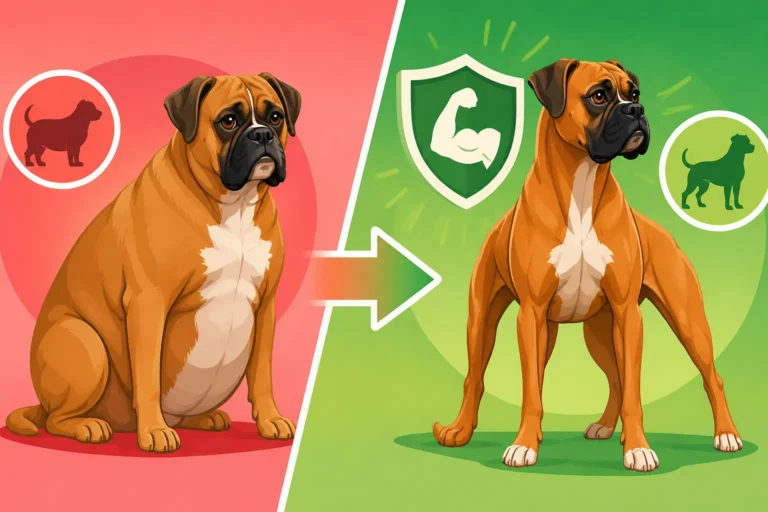
It’s a truly disheartening thing to watch your beloved Boxer put on too much weight. Those joyful, athletic clowns are meant to be lean and muscular, full of boundless energy, and when their bodies start to thicken, it’s not just about aesthetics—it’s about their health and happiness. This guide will walk you through how to approach Boxer weight loss safely and effectively, ensuring you bring your cherished companion back to a healthy physique without compromising their well-being.
Why Carrying Extra Pounds Is So Dangerous for a Boxer
For a breed as athletic and predisposed to certain health conditions as the Boxer, excess weight isn’t just a minor inconvenience; it’s a serious threat. Their unique physiology makes them particularly vulnerable to the compounding effects of obesity. We all want our Boxers to live a full, vibrant life, and keeping them at a healthy weight is one of the most proactive things we can do to achieve that.
Strain on Joints and Mobility
Think about the sheer power and joy a Boxer exhibits when they "box" with their front paws or launch into a full-body wiggle. All that movement, all that energy, puts considerable stress on their joints even at a healthy weight. When a Boxer carries extra pounds, every step, every jump, every playful pounce amplifies that strain. This can exacerbate existing conditions like Boxer Hip Dysplasia and Spondylosis or accelerate the onset of arthritis. Imagine trying to run a marathon with a heavy backpack on; it's simply not what the body was designed for. Over time, this constant pressure leads to inflammation, pain, and eventually, reduced mobility. A Boxer who can't run and play freely isn't a truly happy Boxer.
Increased Risk of Serious Health Issues
Beyond joint problems, excess weight contributes to a whole host of more severe health concerns for Boxers. Their brachycephalic (flat-faced) structure already makes them prone to respiratory issues and overheating. Add extra fat, especially around the neck and chest, and their ability to breathe efficiently is further compromised. This makes exercise difficult and increases the risk of heatstroke, especially in warmer climates.
Furthermore, Boxers are notoriously susceptible to heart conditions like Arrhythmogenic Right Ventricular Cardiomyopathy (ARVC). While obesity doesn't directly cause ARVC, it can certainly complicate the management of any pre-existing heart condition and put additional stress on an already compromised cardiovascular system. You can learn more about Why Extra Weight Hurts a Boxer's Heart by looking at related articles. Just like in humans, obesity in dogs can also lead to diabetes, certain types of cancer, and a decreased ability to tolerate anesthesia, which is a significant concern for a breed known to have higher anesthetic risks.
Exacerbated Bloat Risk
Boxers are a deep-chested breed, which, unfortunately, makes them genetically predisposed to Gastric Dilatation-Volvulus (GDV), commonly known as bloat. Bloat is a life-threatening emergency where the stomach fills with gas and can twist, cutting off blood supply. While the exact links aren't fully understood, some theories suggest that an overweight dog might have a larger fat pad around the stomach, which could potentially complicate its position or make it more difficult for veterinarians to identify and treat the condition quickly. Keeping your Boxer lean means one less factor potentially contributing to this terrifying condition.
What a Healthy Rate of Weight Loss Looks Like for a Boxer
When you realize your Boxer needs to lose weight, it's natural to want to see results fast. However, "fast" is often counterproductive and even dangerous in canine weight loss. The goal isn't just to shed pounds, but to shed fat while preserving lean muscle mass, and that requires a steady, sustainable approach.
The Ideal Pace: A Slow and Steady Drop
Veterinarians generally recommend that dogs lose weight at a rate of 1-2% of their total body weight per week. For a Boxer who might weigh, say, 70 pounds, this means aiming for a loss of about 0.7 to 1.4 pounds per week. This might not sound like much when you're eager to see a difference, but it's the safest and most effective way to ensure long-term success.
Think about it: rapid weight loss often leads to muscle wastage, which is the last thing you want for your muscular Boxer. Losing muscle can actually slow down their metabolism in the long run, making it harder to keep the weight off once it's gone. Plus, quick, drastic changes can be tough on their system, potentially leading to nutritional deficiencies or digestive upset. Patience is truly a virtue here. You want a journey, not a sprint, towards a healthier weight.
Calculating Your Boxer's Target Weight and Weekly Goal
Before you start, you need a realistic target. Your vet can help you determine your Boxer's ideal healthy weight based on their frame and muscle structure. Once you have that target, you can calculate the total amount of weight your Boxer needs to lose.
Let's say your Boxer currently weighs 85 pounds, and their ideal weight is 65 pounds. That's a target loss of 20 pounds.
- Weekly Goal: At 1-2% of current body weight:
- 1% of 85 pounds = 0.85 pounds per week
- 2% of 85 pounds = 1.7 pounds per week
- So, a healthy weekly loss would be between roughly 0.85 and 1.7 pounds.
This slower pace allows their body to adjust gradually, reduces the risk of nutrient deficiencies, and helps them build new, healthy habits that will stick. It's about shifting their metabolism to burn fat while preserving that magnificent Boxer muscle.
Signs of Unhealthy vs. Healthy Weight Loss
It's crucial to be able to distinguish between healthy, sustainable weight loss and a dangerous, too-rapid decline. Here's a quick guide:
| Feature | Signs of Healthy Weight Loss | Signs of Unhealthy (Too Fast) Weight Loss |
|---|---|---|
| Energy Levels | Maintained or improved energy, more active and playful. | Lethargy, weakness, unwillingness to move. |
| Muscle Mass | Retained or improved muscle tone, feeling firmer. | Visible muscle wasting, especially over the hips and shoulders. |
| Coat/Skin | Healthy, shiny coat; skin supple. | Dull, dry coat; flaky skin; excessive shedding. |
| Behavior | Generally good mood, less food-obsessed (eventually). | Increased irritability, constant hunger, begging, anxiety. |
| Stool Quality | Consistent, firm, healthy stools. | Diarrhea, constipation, or inconsistent stool. |
| Weight Drop | Gradual, consistent loss of 1-2% body weight per week. | Sudden, drastic drops; more than 2-3% of body weight in a short time. |
| Veterinary Check | Vet confirms healthy progress, advises minor adjustments. | Vet expresses concern, recommends immediate changes to the plan. |
If you notice any signs of unhealthy weight loss, contact your veterinarian immediately. They can help you adjust the plan to prioritize your Boxer's health and well-being.
The Pillars of Safe Boxer Weight Loss: Diet and Exercise
Achieving a healthy weight for your Boxer isn't about deprivation; it's about making smart, sustainable choices in their diet and exercise routine. This two-pronged approach is the most effective way to help them shed those extra pounds without compromising their health or happiness.
The Dietary Overhaul: What Goes Into the Bowl
This is where the biggest impact can often be made. Many Boxers gain weight because they're simply eating too much of the wrong stuff, or even too much of the right stuff.
Calorie Control and Food Quality
The first step is to accurately assess your Boxer's current caloric intake and compare it to what they should be eating for their ideal weight. This is where your vet is invaluable, as they can provide a precise recommendation. Generally, you'll need to reduce their daily calories by about 20-30% from their maintenance level.
- Measuring is Key: Ditch the guesswork! Invest in an accurate kitchen scale to weigh your Boxer's food, rather than relying on measuring cups. The difference between a "scoop" and an actual measured portion can be significant. Even a slight overfeeding each day adds up to pounds over weeks and months.
- High-Quality, Lean Foods: Opt for dog foods specifically formulated for weight management, or those that are lower in fat and higher in protein and fiber. These foods help your Boxer feel full without consuming excess calories. Look for quality ingredients and avoid fillers. While some Boxers might do well on grain-free, it's more about overall caloric density and nutrient balance. Check out Whether a Boxer Needs High-Protein Food for more details on protein levels.
- Prescription Diets: For Boxers needing more significant weight loss or with underlying health issues, your vet might recommend a prescription weight-loss diet. Brands like Purina Pro Plan Veterinary Diets, Royal Canin Veterinary Diet, or Hill's Prescription Diet offer formulas designed to promote fat loss while maintaining muscle mass and satiety. You can often purchase these through your vet or reputable online retailers like Chewy.
- Fresh Food Options: Some owners find success with fresh food diets, like those offered by Ollie, as they allow for precise portion control and tend to be nutrient-dense without excessive calories. Just be sure to work with a vet or a canine nutritionist to ensure a balanced diet.
Saying Goodbye to Excessive Treats and Table Scraps
This is often the hardest part, both for you and your Boxer! Those puppy-dog eyes are hard to resist, but treats and human food add up fast.
- Treat Swaps: Replace high-calorie dog biscuits with low-calorie, high-fiber alternatives. Think baby carrots, green beans, apple slices (without seeds), or plain cooked pumpkin. Just make sure they're safe for dogs.
- Portion Treats: If you use commercial treats, break them into tiny pieces. Your Boxer doesn't care about the size; they care about the number of rewards.
- No Table Scraps: Period. It's tough, especially when they beg, but human food is often too high in fat, sugar, and calories for dogs.
- Fish Oil for a Boxer's Skin and Heart: While not for weight loss directly, supplements like fish oil can support overall health, including skin, coat, and heart, which is especially important for a Boxer during a dietary change. Discuss any supplements with your vet.
The Exercise Regimen: Moving That Magnificent Body
Exercise is the other crucial piece of the puzzle, but it needs to be introduced gradually and mindfully, especially for an overweight Boxer. Jumping straight into intense workouts can lead to injury or put undue stress on their heart and joints.
Starting Slow and Building Up
- Walks, Not Runs (Initially): Begin with shorter, more frequent walks. If your Boxer is heavily overweight, even 10-15 minutes of gentle walking, two or three times a day, is a great start. Gradually increase the duration and pace as their stamina improves. A good goal is working up to 30-45 minutes of brisk walking twice a day.
- Low-Impact Activities: Swimming can be an excellent low-impact exercise option, reducing stress on their joints while providing a full-body workout. Just be mindful of a Boxer's brachycephalic snout and supervise them closely in water, as they are not natural swimmers. Remember, The Temperature a Boxer Should Stop Walking At is lower for Boxers due to their build, so adjust exercise times accordingly, especially in warmer weather.
- Play Sessions: Incorporate gentle play into your routine. Fetch with a soft toy in the yard, or a game of tug-of-war (supervised, of course) can be great ways to burn calories and engage their minds. For high-energy Boxers, check out articles on Harnesses and Leads for a Pulling Boxer to make walks more enjoyable for both of you.
Making Exercise Fun and Consistent
Boxers are intelligent and love to please, but they can also get bored easily.
- Variety is the Spice of Life: Change up your walking routes, introduce new games, or explore dog-friendly trails. This keeps them mentally stimulated and prevents the routine from becoming monotonous.
- Puzzle Toys: For mental exercise, especially on days when physical activity might be limited (e.g., due to extreme heat), puzzle feeders are fantastic. They make your Boxer "work" for their kibble, slowing down eating and engaging their brain. Amazon offers a wide selection.
- Consistency is Key: Aim for daily exercise, even if it's just a short walk. Regular activity keeps their metabolism humming and reinforces healthy habits. Missing a day here and there is fine, but don't let it become a habit.
Monitoring Progress and Adjusting the Plan
Weight loss isn't a linear journey, and it's rare for a plan to work perfectly without some tweaks along the way. Diligent monitoring and regular check-ins with your vet are essential to ensure your Boxer is losing weight safely and effectively.
Weekly Weigh-Ins and Body Condition Scoring
Once a week, ideally on the same day and at the same time, weigh your Boxer. Most vet clinics are happy for you to pop in just for a quick weigh-in, often free of charge. Keep a log of their weight loss to track progress and identify any plateaus or unexpected drops.
Beyond the scale, learning to assess your Boxer's body condition score (BCS) is incredibly important. You should be able to:
- Feel their ribs easily without pressing hard, but not see them prominently.
- Observe a distinct waist when looking down at them from above, behind their ribs.
- Notice an abdominal tuck when viewing them from the side.
Regularly performing a Reading a Boxer's Ribs and Waist check is more meaningful than just the number on the scale, as it accounts for their individual build and muscle mass. As your Boxer loses weight, remember to also perform Running Hands Over a Boxer for Lumps weekly, as skin folds can hide new growths.
Adjusting Calorie Intake and Exercise Levels
If your Boxer isn't losing weight at the recommended 1-2% per week, don't get discouraged! It simply means you need to make some adjustments.
- Plateaus: If weight loss stalls for a few weeks, consider a slight further reduction in calories (e.g., another 5-10%), or increasing their exercise duration or intensity. Even small changes can kickstart the process again.
- Too Rapid Loss: If your Boxer is losing weight too quickly, or if they seem lethargic or unwell, increase their caloric intake slightly and consult your vet. Rapid weight loss can lead to muscle loss and other health complications.
- Listen to Your Boxer: Pay close attention to their energy levels, enthusiasm for food, and overall demeanor. A healthy weight loss journey should leave them feeling more energetic and comfortable, not miserable or constantly hungry. If they seem overly hungry, consider incorporating more high-fiber, low-calorie vegetables into their meals.
The Importance of Regular Veterinary Check-ups
Your veterinarian is your best partner in this journey. Regular check-ups are vital, especially during a weight loss program. They can:
- Rule out underlying medical conditions that might contribute to weight gain or make weight loss difficult (e.g., hypothyroidism).
- Provide tailored dietary recommendations and help you choose the best food for your Boxer, considering any specific health needs.
- Monitor for nutrient deficiencies and suggest appropriate supplements if necessary.
- Adjust medication dosages if your Boxer is on any chronic medications, as weight loss can sometimes affect how these work.
- Offer guidance on safe exercise protocols, especially if your Boxer has joint issues or a heart condition like ARVC, where Cutting a Boxer's Exercise After a Heart Diagnosis might be necessary.
Don't hesitate to reach out to your vet with any questions or concerns. They want to see your Boxer thrive just as much as you do. With patience, consistency, and expert guidance, your heavy Boxer can absolutely come down to a healthy weight and enjoy many more active, happy years by your side.
Disclaimer
This article is for general informational purposes only and does not constitute professional advice. Laws, prices and regulations vary by location and change over time. Consult a qualified professional for guidance on your specific situation.