Raw Diets and a Boxer’s Sensitive Colon
It’s a heart-wrenching experience when your beloved Boxer is struggling with a sensitive colon. You’ve likely seen the signs: loose stools, flatulence that could clear a room, the urgent need to go, and maybe even a little blood or mucus in their stool. It leaves you feeling helpless, constantly searching for answers, and wondering if you're doing something wrong with their diet. This guide is here to explore one of the most talked-about, yet often misunderstood, dietary approaches for dogs with sensitive digestive systems: raw feeding. We'll delve into why Boxers are prone to these issues, how a raw diet might impact their delicate gut, and what you absolutely need to consider before making a switch.
Understanding Your Boxer's Sensitive Colon
Boxers, for all their goofy charm and boundless energy, are unfortunately quite famous for their sensitive digestive systems. It's a common lament among Boxer owners, and it’s not just in your head. Many Boxers seem to look at certain foods and decide their gut isn't going to have it, leading to a host of uncomfortable symptoms.
Why Boxers Are Prone to Digestive Issues
There's a genetic predisposition at play here. Boxers are more susceptible to certain gastrointestinal conditions that contribute to their sensitive colons. One of the most prominent is a condition often referred to as Boxer Colitis and the Young Dogs It Hits, or sometimes granulomatous colitis. This isn't your everyday upset stomach; it's an inflammatory condition that can be quite persistent and distressing for both dog and owner. Even without a formal diagnosis of colitis, many Boxers simply have a more reactive digestive tract compared to other breeds. Their gut microbiome, the complex community of bacteria living in their intestines, might be more easily thrown out of balance by dietary changes, stress, or even environmental factors.
Another factor is their brachycephalic (flat-faced) anatomy, which can lead to them swallowing more air when they eat, contributing to gas and discomfort. Their deep chests also put them at a higher risk for bloat, though this is a separate, acute issue, overall gut health is certainly a consideration. You might notice your Boxer frequently has Straining and Small Stools in a Boxer, or passes very soft, unformed feces, even on a seemingly appropriate diet. It's a constant tightrope walk to find what works for them, and the frustration of repeated vet visits and endless diet trials is very real.
Common Symptoms of a Sensitive Gut in Boxers
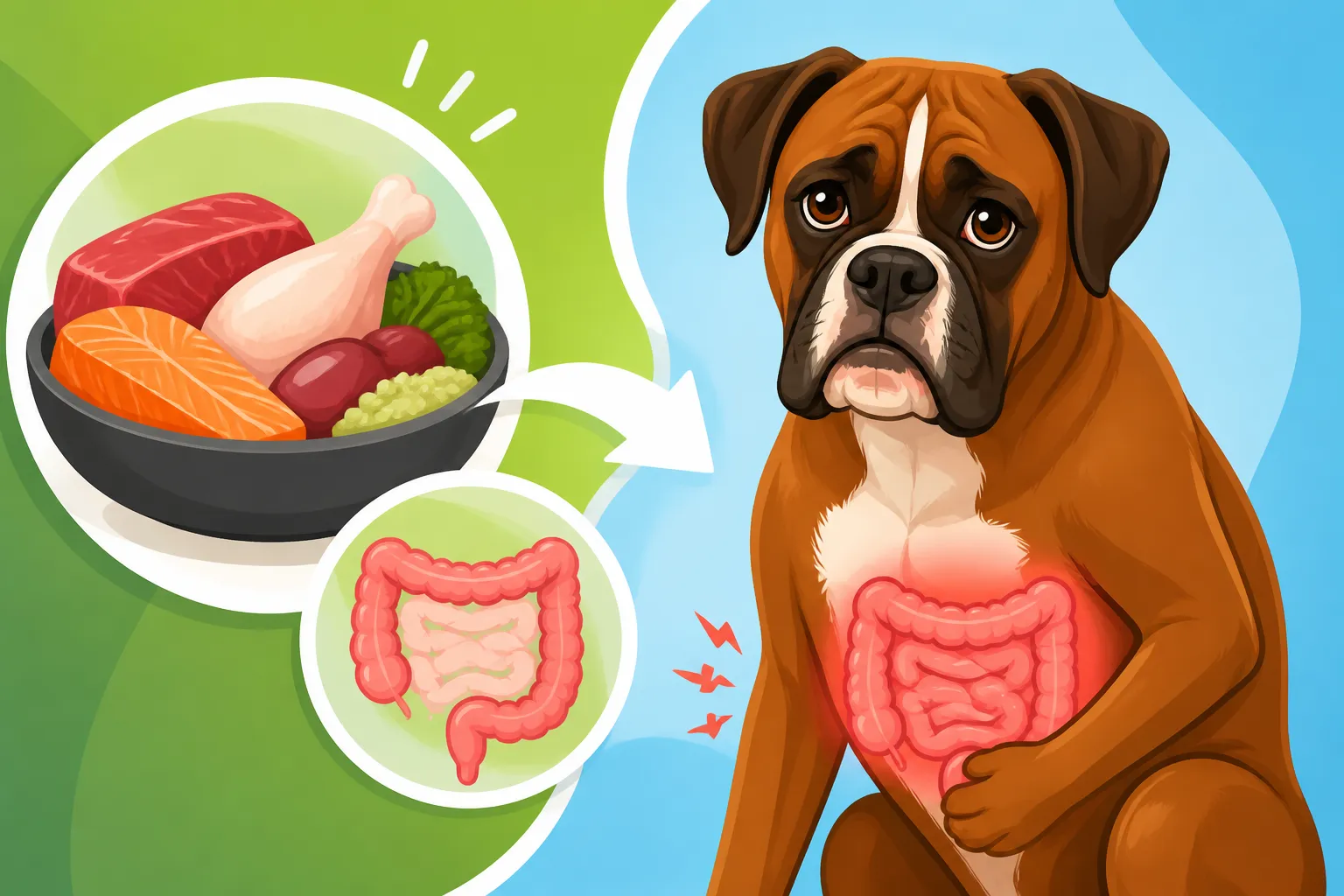
Beyond the obvious loose stools, a sensitive colon can manifest in various ways. You might observe your Boxer having excessive gas, which is often a sign that their digestive system is struggling to break down certain components of their food. There's also chronic diarrhea, sometimes with visible Bloody Mucus in a Young Boxer's Stool, indicating irritation or inflammation in the colon lining. Dogs with sensitive guts may also vomit intermittently, have a reduced appetite, or show signs of abdominal discomfort like hunching or restlessness.
Some owners even report their Boxer acting "off" or lethargic during a flare-up, which makes perfect sense—who feels good when their stomach is in knots? It's not just about the poop; it's about their overall well-being and quality of life. Understanding these symptoms is the first step towards finding a diet that truly supports their sensitive system, whether that's a specialized kibble, a home-cooked meal, or indeed, a raw diet.
The Allure of Raw Feeding for Sensitive Stomachs
For many Boxer owners grappling with digestive woes, the idea of a raw diet often comes up as a potential solution. The reasoning behind it can be quite compelling, particularly when conventional methods haven't yielded the relief you're hoping for.
What is a Raw Diet?
A raw diet, often referred to as BARF (Biologically Appropriate Raw Food) or prey model raw, primarily consists of uncooked meat, bones, and organs, sometimes supplemented with certain fruits, vegetables, and other ingredients. The philosophy is rooted in the idea that dogs, being descendants of wolves, are naturally designed to consume a diet similar to what their wild ancestors would eat. This means food that is unprocessed, enzyme-rich, and free from grains, fillers, and artificial additives often found in commercial kibble.
There are various approaches to raw feeding. Some owners opt for a strictly DIY method, meticulously sourcing and preparing individual ingredients to meet nutritional guidelines. Others choose commercially prepared raw foods, which come in frozen patties or nuggets and are formulated to be complete and balanced. Then there are freeze-dried or dehydrated raw options, which offer convenience while still adhering to the raw philosophy.
Why Owners Consider Raw for Digestive Issues
The appeal for owners of dogs with sensitive colons, particularly Boxers, is often the promise of a more natural, digestible food source. Advocates of raw feeding suggest that cooking denatures enzymes and nutrients, making food harder for a dog's digestive system to process. With a raw diet, the argument is that these natural enzymes are preserved, aiding digestion and nutrient absorption.
Many owners report significant improvements in their dogs' digestion after switching to raw, including firmer, smaller, and less odorous stools, reduced gas, and a resolution of chronic diarrhea. The absence of common allergens like corn, wheat, or soy, which can trigger sensitivities in some dogs, is another major draw. For a Boxer struggling with a chronically irritated gut, the idea of a diet free from potential irritants and full of easily assimilated nutrients sounds like a dream come true. You're simply desperate for something, anything, to bring your furry friend comfort.
Navigating Raw for a Boxer's Sensitive Gut
While the concept of raw feeding holds promise, embarking on this journey with a Boxer who already has a sensitive colon requires careful consideration and a thoughtful approach. It's not a switch to be made lightly, and what works wonders for one dog might exacerbate issues in another.
Potential Benefits for a Sensitive Boxer
When done correctly, a raw diet can offer several potential benefits for a Boxer with a sensitive digestive system. Firstly, the increased moisture content in raw food can be beneficial. Dogs on kibble often don't drink enough water, leading to drier, harder stools or, conversely, a need for their body to pull water from other functions for digestion, potentially contributing to gut irritation. Raw food, being naturally high in moisture, supports better hydration and smoother passage of stool.
Secondly, the highly digestible nature of raw meat and bone can mean less undigested material reaching the colon, potentially reducing the workload on an already sensitive gut. Owners often report a reduction in inflammation and irritation, which can be a game-changer for conditions like Boxer Colitis and the Young Dogs It Hits. Furthermore, the targeted nutrition, free from fillers and artificial ingredients, can simplify the diet and make it easier to pinpoint any remaining sensitivities. If your Boxer has food allergies to common kibble ingredients, switching to a single novel protein raw diet, perhaps something like venison or rabbit, could lead to dramatic improvements.
Risks and Challenges with Raw Feeding for Sensitive Boxers
Despite the potential upsides, there are significant risks and challenges when feeding a raw diet, especially to a Boxer with a pre-existing sensitive gut. The primary concern is bacterial contamination. Raw meat can harbor bacteria like Salmonella and E. coli, which, while dogs are generally more resilient to them than humans, can still cause gastrointestinal upset, especially in a dog with an already compromised digestive system. Strict hygiene practices are paramount during preparation and feeding to prevent cross-contamination in your home.
Another challenge is ensuring nutritional completeness and balance. A DIY raw diet, if not meticulously planned with expert guidance, can lead to nutrient deficiencies or excesses, which can be detrimental to any dog, let alone one with health issues. Commercially prepared raw foods typically address this, but it’s crucial to choose reputable brands that adhere to AAFCO or FEDIAF standards. Some Boxers might also struggle with the density of raw food or the bone content, leading to constipation or, ironically, diarrhea if the fat content is too high. It's a fine balance, and adjusting the diet to suit an individual Boxer's needs can take time and patience.
Furthermore, a sudden switch can be a shock to a sensitive system. Transitioning to raw needs to be done gradually and carefully, monitoring for any adverse reactions. For a Boxer prone to conditions like Bloody Mucus in a Young Boxer's Stool, any dietary upset could lead to a flare-up. It's a journey, not a sprint.
Practical Steps for a Raw Diet Transition
If you're considering a raw diet for your Boxer with a sensitive colon, it's vital to approach the transition with careful planning, patience, and professional guidance. This isn't a "wing it" situation.
Consulting Your Veterinarian
Before making any significant dietary change, especially to a raw diet for a dog with a sensitive colon, the absolute first step is to consult your veterinarian. Share your concerns, your Boxer's history of digestive issues, and your interest in raw feeding. Your vet can provide crucial insights, rule out underlying medical conditions (like parasites, which can also cause Straining and Small Stools in a Boxer), and help you weigh the pros and cons specific to your Boxer's health profile. They might recommend specific tests or even suggest a veterinary nutritionist who specializes in raw diets to ensure it's a safe and appropriate path.
While some conventional vets may express reservations about raw feeding due to potential risks, many are open to discussing it and can offer guidance on safe practices or refer you to colleagues who are more familiar with raw nutrition. Do your research, be prepared with questions, and maintain an open dialogue. This partnership is key to your Boxer's health.
Gradual Transition and Monitoring
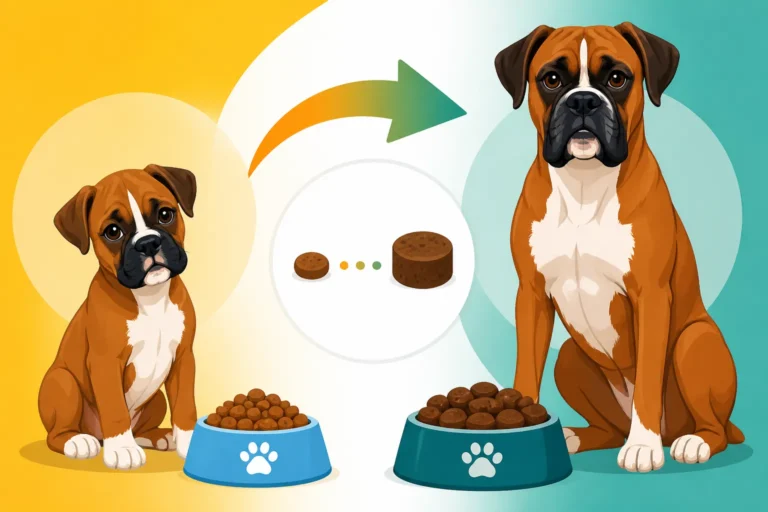
Once you've decided to proceed, a slow and gradual transition is essential, particularly for a sensitive Boxer. Sudden changes can overwhelm their digestive system, leading to further upset. There are a few ways to approach this:
- Cold Turkey (Not Recommended for Sensitive Guts): This involves stopping the old food and immediately starting raw. While some dogs handle this, it's generally not advisable for Boxers with sensitive colons.
- Gradual Mix (Use with Caution): This involves mixing small amounts of raw food with their current food, gradually increasing the raw portion over several days or weeks. However, some believe mixing raw and kibble can be problematic due to different digestion times.
- Separate Meals (Often Best for Sensitive Guts): This method involves feeding the old food for one meal and the new raw food for another, gradually phasing out the old food over time. For example, you might feed a small raw meal in the morning and a smaller kibble meal in the evening for a few days, then increase the raw and decrease the kibble.
During this transition, meticulously monitor your Boxer's stools, appetite, energy levels, and any signs of discomfort. Keep a journal! Note the consistency, color, and frequency of their bowel movements. Look for any Telling Boxer Colitis From Ordinary Diarrhea symptoms. If you see signs of digestive upset, slow down the transition or revert to the previous step. You might consider starting with easily digestible proteins like chicken or turkey, or even a novel protein if allergies are suspected.
Sourcing and Hygiene for Raw Diets
Choosing your raw food source is critical. For DIY feeders, seek out high-quality, human-grade meats from reputable butchers or suppliers. If you opt for commercially prepared raw diets, research brands thoroughly. Look for companies that follow rigorous safety standards, perform pathogen testing, and formulate their meals to be complete and balanced. Online retailers like Chewy often carry a range of reputable freeze-dried raw foods from various brands, which can be a good starting point for convenience and safety.
Hygiene cannot be overstated. Treat raw pet food with the same care you would raw meat for human consumption.
- Wash hands thoroughly before and after handling raw food.
- Clean and sanitize all surfaces, bowls, and utensils that come into contact with raw meat immediately. Durable stainless steel bowls, readily available from retailers like Amazon, are easy to clean and sanitize.
- Store raw food separately in the freezer or refrigerator to prevent cross-contamination with human food.
- Thaw raw food safely in the refrigerator, not on the counter.
- Dispose of uneaten raw food promptly.
For a Boxer with a sensitive colon, maintaining a clean environment minimizes the risk of introducing additional bacterial load that could trigger a flare-up. You're trying to heal, not harm.
Managing Your Boxer's Gut Health Long-Term
Switching to a raw diet might be a significant step, but maintaining your Boxer's sensitive gut health is an ongoing commitment. It involves more than just the food in their bowl.
Adjusting and Fine-Tuning the Raw Diet
Even after a successful transition, you might find that your Boxer's needs evolve. You may need to experiment with different protein sources. Some Boxers thrive on chicken, while others do better on Novel Protein Diets for a Boxer like duck, lamb, or rabbit, especially if they have suspected sensitivities to more common meats. The fat content in a raw diet is also important; too much fat can trigger diarrhea in sensitive individuals. Adjusting the ratio of meat, bone, and organs might be necessary.
Consider adding Fiber and Probiotics for a Boxer Colon. Fiber, found in certain vegetables or psyllium husk, can help regulate bowel movements, while probiotics introduce beneficial bacteria to the gut, improving overall digestive function. You can find many high-quality canine-specific probiotic supplements on Chewy or Amazon that can be easily added to meals. These can be particularly helpful if your Boxer has been on antibiotics for conditions like colitis, as antibiotics can disrupt the natural gut flora.
Regularly assessing your Boxer's stool quality and energy levels is crucial. If their stools become consistently loose again, or if they seem uncomfortable, it's time to re-evaluate their diet and consult your vet or nutritionist.
| Raw Diet Type | Description | Pros for Sensitive Boxers | Cons for Sensitive Boxers |
|---|---|---|---|
| DIY Raw (BARF/PMR) | Owner sources and prepares individual ingredients (meat, bone, organs, +/- produce). | Complete control over ingredients, ability to customize. | High risk of nutritional imbalance/deficiency without expert guidance; hygiene demands. |
| Commercial Frozen | Pre-made, complete, and balanced frozen raw meals from specific brands. | Convenient, nutritionally balanced (if reputable brand), varied proteins. | Can be expensive, requires freezer space, careful thawing, potential for varying quality. |
| Freeze-Dried/Air-Dried | Raw ingredients processed to remove moisture, shelf-stable, rehydrated before feeding. | Convenient, long shelf life, less mess, good for travel. | Can be expensive, some processing may slightly alter nutrient profile, less moisture than fresh. |
Recognizing When a Diet Isn't Working
It's tempting to push through with a diet you believe is "best," but sometimes, a raw diet simply isn't the right fit for an individual Boxer, especially one with a very sensitive colon or underlying health issues. Signs that the raw diet isn't working might include:
- Persistent diarrhea or loose stools: Despite adjustments, your Boxer's stool quality doesn't improve or even worsens.
- Vomiting: Frequent vomiting after meals is a clear red flag.
- Lack of appetite: Your Boxer consistently refuses meals or seems uninterested in food.
- Weight loss or poor body condition: They aren't absorbing nutrients effectively, leading to a decline in their physical state.
- Increased gas or discomfort: Why Boxers Are Famously Gassy already, but an unsuitable diet can make it much worse.
- Persistent Bloody Mucus in a Young Boxer's Stool: This indicates ongoing inflammation and irritation.
If you observe these signs, it's important to revisit your veterinarian immediately. It might be that the raw diet isn't agreeing with them, or there could be another medical issue at play that needs addressing. Don't feel like a failure if raw doesn't work out. The goal is your Boxer's health and comfort, and sometimes that means exploring other options like prescription diets for sensitive stomachs or Cooking for a Boxer That Reacts to Kibble yourself. The important thing is to be responsive to your Boxer's individual needs.
Disclaimer
This article is for general informational purposes only and does not constitute professional advice. Laws, prices and regulations vary by location and change over time. Consult a qualified professional for guidance on your specific situation.