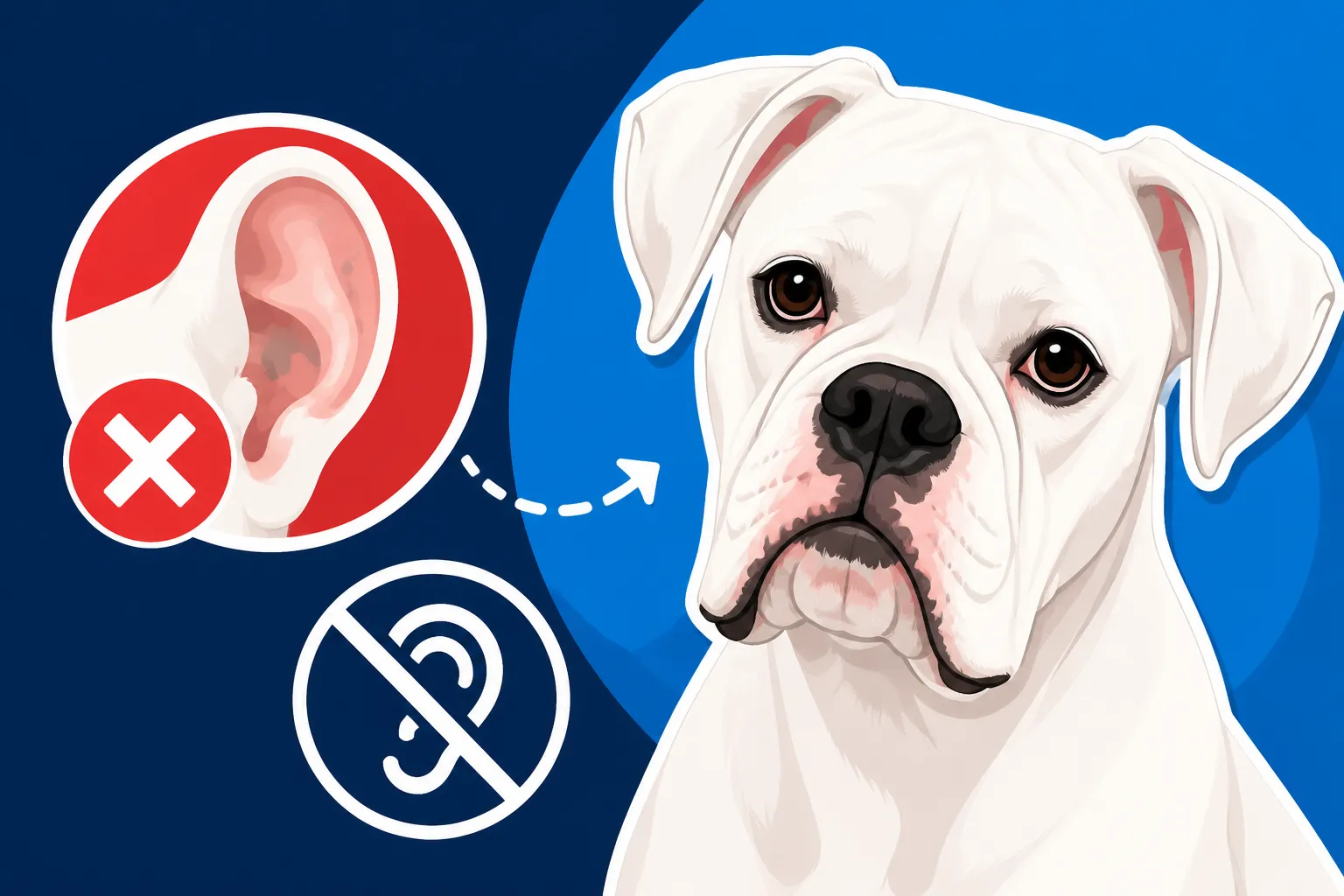
Deafness in White Boxers
Finding out your beloved Boxer puppy might have a hearing impairment is a real gut punch for any owner. The joy of bringing home that wiggly, affectionate bundle often comes with dreams of long walks, playful barks, and a lifetime of companionship. But when you suspect deafness, it can throw you for a loop, leaving you wondering how you'll communicate, keep them safe, and ensure they live a full, happy life. This comprehensive guide will walk you through everything you need to know about deafness in white Boxers, from understanding its genetic roots to practical advice for raising a deaf companion, helping you navigate this challenge with confidence and love.
Understanding White Boxers and Their Unique Genetic Predispositions
Let's clear something up right away: a white Boxer is just that – a Boxer. They share the same wonderful temperament, energy, and love for their families as their fawn and brindle counterparts. However, their striking white coats come with a specific genetic quirk that makes them more susceptible to certain health issues, with deafness being the most prominent. It's a part of their genetic makeup, not a flaw, but it does mean we need to be extra mindful of their care.
The Genetic Link Between Coat Color and Deafness
The connection between a white coat and deafness in Boxers (and several other breeds like Dalmatians, Australian Shepherds, and Border Collies) boils down to a fascinating but sometimes unfortunate genetic pathway. It's linked to the gene responsible for pigment. Specifically, the gene associated with white spotting or an all-white coat can, in some cases, also affect the development of the specialized cells in the inner ear that are crucial for hearing. These cells, called melanocytes, are responsible for producing pigment, but they also play a vital, though not fully understood, role in the proper functioning of the cochlea, the snail-shaped organ in the inner ear that converts sound vibrations into nerve impulses.
When a Boxer inherits two copies of the gene for white coloring, it can lead to a lack of melanocytes in parts of the inner ear. Without these essential cells, the structures within the cochlea can degenerate, leading to sensorineural deafness. This isn't a problem with the outer ear or ear canal, but rather an issue with the nerve pathways themselves, making it a permanent condition. It’s a bit like having a beautiful, intricate machine where one tiny, seemingly unrelated part is missing, rendering a whole crucial function inoperable.
Why White Boxers Aren't Albinos
It’s a common misconception that white Boxers are albinos, but this isn’t the case at all. Albinism is a separate genetic condition characterized by a complete lack of pigment (melanin) in the skin, hair, and eyes due to a genetic mutation that interferes with melanin production. True albino dogs would have pink eyes and noses, and their skin would be extremely sensitive to light and prone to sunburn.
White Boxers, on the other hand, do have pigment. You'll notice they typically have dark eyes (often brown, like other Boxers), and many will have areas of pigment on their nose, lips, or eyelids, even if small patches. Their white coat is simply an extreme expression of the "extreme white spotting" gene. They carry genes for fawn or brindle but also two copies of the white spotting gene, which masks these underlying colors. This distinction is important because while both conditions result in a white appearance, their underlying genetic causes and associated health risks are different. While white Boxers are predisposed to deafness and certain skin issues, albinism carries a much broader range of severe health implications, most notably extreme light sensitivity and vision problems.
The Science Behind Congenital Deafness in Boxers
Understanding the "how" of deafness in Boxers requires a little dive into biology. It's not just about a lack of color; it's about the intricate dance of cell development in a tiny, vital organ. The process typically goes awry before a puppy is even a few weeks old, meaning it's a congenital condition – present from birth.
Melanocytes and Their Role in Hearing
As mentioned, melanocytes are usually known for producing melanin, the pigment that gives color to skin, hair, and eyes. But their role extends beyond aesthetics. In the inner ear, specifically within the stria vascularis of the cochlea, melanocytes are thought to be crucial for maintaining the delicate balance of ions and fluids that are necessary for sound transmission. Think of them as the support staff for the cochlea's finely tuned machinery. They help create the electrical potential that allows hair cells to convert sound vibrations into nerve signals that the brain can interpret.
In white Boxers with genetic deafness, these melanocytes either fail to migrate properly to the inner ear during embryonic development or are simply absent or dysfunctional. Without them, the stria vascularis can’t function correctly, leading to a cascade of problems that cause the hair cells and nerve endings in the cochlea to degenerate. This degeneration can happen very early in a puppy's life, sometimes even before their ears fully open at around two weeks of age. This means that a deaf white Boxer never truly experiences sound in the affected ear, or ears. It's a permanent structural issue, not something that can be fixed with medication or surgery, which is why early identification is so important. You can learn more about Why a White Boxer May Be Deaf in our detailed guide.
Unilateral vs. Bilateral Deafness
When we talk about deafness in Boxers, it's not always an all-or-nothing situation. Dogs can experience deafness in one ear (unilateral deafness) or both ears (bilateral deafness). The implications for a dog and its owner vary significantly depending on which type they have.
Unilateral Deafness:
A Boxer with unilateral deafness can hear perfectly fine out of one ear. This means they can still respond to sounds, locate where sounds are coming from, and generally behave much like a hearing dog. The challenge for owners is often identifying unilateral deafness. Because the dog can hear with their good ear, owners might not even realize there's an issue. The dog might tilt its head to listen or adjust its position to use its "good" ear, but otherwise, its behavior could be indistinguishable from a fully hearing dog. This is why thorough testing, like the BAER test, is so important, especially for white Boxer puppies, even if they seem to react to sound. A dog with unilateral deafness might still startle at sudden noises or respond to their name, making it very easy to miss the fact that one ear isn't working. In a bustling household, it's incredibly difficult to isolate which ear is picking up the sound, which is why relying solely on behavioral observation isn't enough.
Bilateral Deafness:
This is when both ears are affected, and the Boxer cannot hear any sounds. This presents a much more significant challenge but is also usually much easier for owners to detect early on. A bilaterally deaf Boxer will not respond to their name, a squeaky toy, or even loud noises like clapping or dropping a pan. They might appear very deep sleepers, as no sound will wake them. While this requires more adjustments from the owner in terms of training and safety, many deaf Boxers thrive and lead incredibly rich lives. Their other senses, particularly sight and smell, often become heightened, making them incredibly observant and responsive to visual cues. The key is consistent, visual-based communication and creating a safe environment tailored to their needs. Our guide on Whether Deafness in a Boxer Is Always Total delves deeper into these distinctions.
Here’s a quick overview of the differences:
| Feature | Unilateral Deafness | Bilateral Deafness |
|---|---|---|
| Affected Ears | One ear is deaf, the other is hearing. | Both ears are deaf. |
| Detection | Often difficult to detect behaviorally. | Usually easier to detect early on. |
| Sound Response | Appears to respond to sounds (using the good ear). | No response to any sounds. |
| Behavior | May tilt head to listen, otherwise normal. | Appears unresponsive to auditory cues, deep sleeper. |
| Training Needs | Similar to hearing dogs, but awareness of deaf side for safety. | Requires visual-based communication and specialized training. |
| Safety Needs | Standard safety precautions with awareness of blind spot for sound. | Enhanced safety protocols, especially outdoors. |
| Prognosis | Excellent quality of life, often undetected. | Excellent quality of life with proper management. |
Recognizing the Signs of Deafness in a Boxer Puppy
Identifying deafness early is crucial for setting your Boxer puppy up for success. While a definitive diagnosis requires specialized testing, there are several behavioral cues that might indicate a hearing impairment. Trust your gut instincts, and don't hesitate to seek professional advice if you have concerns.
Behavioral Cues and Early Indicators
Boxer puppies are naturally curious, playful, and responsive to their environment. If your white Boxer puppy isn't reacting to certain sounds, it's worth paying close attention. Here are some common behavioral cues and early indicators of deafness:
- Lack of Startle Response: A hearing puppy will typically startle or react to sudden loud noises, like a clap, a dropped item, or a squeaky toy behind them. A deaf puppy won't. They might react to the vibration of a dropped item on the floor, but not the sound itself.
- Unresponsive to Name or Commands: When you call their name or give a verbal command from another room, a deaf puppy won't respond. This can often be mistaken for stubbornness, which Boxers are sometimes known for! However, if they only respond when you're in their line of sight or physically touch them, it's a red flag.
- Deep Sleepers: Deaf dogs often sleep very soundly, unaffected by household noises that would rouse a hearing dog. You might find yourself having to gently nudge them awake.
- Plays Differently with Littermates: While playing, a deaf puppy might miss auditory cues from its littermates, like yelps or growls, leading to rougher play or misunderstanding social signals. They might rely more on visual cues or scent during interaction.
- Unusual Vocalizations: Some deaf puppies might bark excessively, or not at all, or bark in unusual tones because they cannot hear themselves. However, many deaf dogs vocalize perfectly normally, so this isn't a universal indicator.
- Doesn't Orient Towards Sounds: A hearing puppy will often perk its ears or turn its head towards the source of an interesting sound. A deaf puppy won't show this orientation.
- Relies Heavily on Other Senses: You might notice your puppy is incredibly observant of visual cues or highly sensitive to vibrations. Their sense of smell might also seem particularly acute.
It’s important to remember that these are just indicators, not definitive proof. A busy household, an inattentive puppy, or even another dog responding to the sound can mask these signs. This is why objective testing is so vital. You can find more information about How Many White Boxers Are Deaf and what to look out for.
The Importance of the BAER Test
While observing your puppy's behavior is a good first step, the only truly reliable way to diagnose deafness in a Boxer puppy is through a Brainstem Auditory Evoked Response (BAER) test. This test is the gold standard for diagnosing congenital deafness in dogs and is widely recommended for all white Boxer puppies, regardless of whether they exhibit behavioral signs of hearing loss.
The BAER test is non-invasive and painless. It measures the electrical activity in the cochlea and auditory pathways in the brain in response to auditory clicks. Small electrodes are placed on the puppy's head, and a series of clicks are delivered through tiny foam earplugs inserted into each ear. The machine then records the brain's response. If no electrical activity is detected, it indicates deafness in that ear.
Why is this test so important?
- Early and Accurate Diagnosis: It can detect deafness as early as 5-6 weeks of age, giving owners crucial information to plan for their puppy's training and care.
- Differentiates Unilateral from Bilateral Deafness: As we discussed, a unilaterally deaf Boxer can appear to hear perfectly well. The BAER test precisely identifies which ear, if any, is deaf, preventing a misdiagnosis that could lead to safety issues or ineffective training methods down the line.
- Informs Breeding Decisions: For responsible breeders, BAER testing all white puppies is a crucial ethical step. It allows them to provide potential owners with accurate health information and helps them make informed decisions about future breeding pairs to reduce the incidence of deafness.
- Peace of Mind: For new owners, knowing their puppy's hearing status provides peace of mind and allows them to proactively adapt their environment and training.
Trying to guess a puppy’s hearing status by clapping behind their head is simply not enough. Loud noises can cause vibrations that a deaf dog can feel, or the sound might carry to the good ear if the deafness is unilateral. The BAER test removes all doubt, providing objective, scientific data. If you’re considering a white Boxer puppy, always ask the breeder if they conduct BAER testing and for the results. Our article on Testing a White Boxer Puppy's Hearing explains this process in more detail.
Diagnosing Deafness: What the BAER Test Involves
Once you suspect deafness or simply want peace of mind, getting a BAER test is the next logical step. It’s a specialized procedure, usually performed by a veterinary neurologist or a specialized audiologist, and it's something every responsible white Boxer breeder should be offering.
How a BAER Test is Performed
The BAER test is a relatively straightforward procedure, usually taking about 10-15 minutes per dog. While it sounds high-tech, it’s quite simple in practice. Here's a step-by-step breakdown of what you can expect:
- Preparation: The puppy will typically be sedated or given a mild tranquilizer to ensure they remain still and calm throughout the test. This is crucial because any movement can interfere with the delicate electrical readings. A small amount of gel or paste might be applied to specific points on the head where electrodes will be placed, ensuring good electrical contact.
- Electrode Placement: Three to four small needle electrodes (which are very fine, like acupuncture needles) are gently placed under the skin at the top of the head, behind each ear, and on the forehead. These electrodes are connected to the BAER machine. They are designed to be minimally invasive, and with sedation, the puppy won't feel them.
- Auditory Stimulation: Tiny foam insert earphones, resembling earplugs, are gently placed into the ear canals of each ear. These earphones deliver a series of specific "click" sounds, typically at a rate of 10 clicks per second.
- Recording Brain Activity: The BAER machine records the electrical responses (brain waves) generated by the auditory pathway as the clicks travel from the inner ear to the brainstem. It essentially listens for the brain's "echo" to the sound.
- Individual Ear Testing: Each ear is tested independently. While one ear is being stimulated, the other ear is usually masked with a white noise sound to ensure that any responses recorded are exclusively from the ear being tested. This is critical for differentiating between unilateral and bilateral deafness.
- Repeat and Confirm: The test is usually run multiple times, and the results are averaged to ensure accuracy and to filter out any extraneous electrical noise.
The entire process is quick, and your puppy will be closely monitored throughout. After the test, they'll recover from the sedation, usually within a couple of hours, and can go home the same day. The results are typically available immediately.
Interpreting BAER Test Results
Once the test is complete, the veterinary specialist will interpret the waveform patterns (or lack thereof) generated by the BAER machine.
- Hearing Ear: A hearing ear will produce a clear, distinct waveform pattern on the graph, characterized by a series of peaks and valleys. These waveforms represent the electrical impulses generated at different points along the auditory pathway. The presence of these waveforms confirms that the inner ear and the auditory nerves leading to the brainstem are functioning correctly.
- Deaf Ear: If an ear is deaf, the BAER machine will record a flat line, or a significantly diminished and disorganized waveform. This indicates that the electrical signals from the inner ear are either absent or too weak to be detected by the brainstem, confirming hearing loss in that ear.
The results will be provided for each ear individually (e.g., "Left ear: hearing, Right ear: deaf," or "Both ears: deaf"). This clear distinction is invaluable for owners. If your Boxer is diagnosed with unilateral deafness, you'll know they have a "good" side, which can influence how you approach them from behind or which side you walk them on. If they are bilaterally deaf, you'll know to completely rely on visual and tactile cues.
Reputable Boxer breeders understand the importance of this test and will typically perform it on all white puppies before they go to their new homes. They should be able to provide you with official BAER certificates for your puppy and its parents. This transparency is a hallmark of ethical breeding practices focused on the health of the breed. Furthermore, many pet insurance providers, like Healthy Paws, will cover the cost of diagnostic tests like the BAER test if your pet is enrolled before any symptoms of deafness are noted, which is a great relief for new owners. Early detection is not just about knowing; it's about empowering you to provide the best possible life for your unique Boxer.
Living with a Deaf White Boxer: Training and Care
Bringing a deaf Boxer into your home might seem daunting at first, but it's an incredibly rewarding experience. These dogs are just as intelligent, loving, and trainable as their hearing counterparts; they just require a different approach to communication and safety.
Communication Strategies: Hand Signals and Visual Cues
The biggest adjustment when living with a deaf Boxer is, naturally, communication. Since verbal commands are out, you'll rely entirely on visual cues and body language. The good news is that Boxers are highly intelligent and often very visually oriented, making them excellent candidates for this type of training.
- Establish a Visual Language Early: Start teaching hand signals and body language as soon as your puppy comes home, or as soon as deafness is confirmed. There are many standardized hand signals available, or you can create your own, just be consistent. For example, a raised hand for "stay," a downward sweep for "sit," or a pointed finger for "come." Think about what you want your Boxer to do, and then create a clear, distinct hand motion for it.
- Positive Reinforcement is Key: Just like with hearing dogs, positive reinforcement with treats and praise is the most effective way to train. When your Boxer performs the desired action, reward them immediately. Since they can't hear verbal praise, exaggerated facial expressions, a thumbs-up, or a gentle touch work wonderfully.
- Tactile Cues: Touch can be a powerful communication tool. A gentle tap on the shoulder can mean "look at me," or a soft nudge with your foot can get their attention. Vibration collars (which only vibrate, do not deliver a shock) can be incredibly useful for getting your dog's attention from a distance, like for a "come" command in a large, fenced yard. The vibration signals them to look at you for the next visual cue.
- Facial Expressions and Body Language: Boxers are masters at reading human emotions. Use your facial expressions and body language to convey your mood and intentions. A happy, open stance signals play, while a more serious, closed posture might signal it’s time to calm down.
- Get Their Attention Visually: Before giving a hand signal, you need to get your Boxer's attention. This might mean waving your hand, stomping your foot (to create vibrations), or using a light tap. If they’re far away, a quick flash of a flashlight or a vibrating collar can work wonders. Consistency is paramount. Everyone in the household needs to use the same signals for the same commands. Many deaf Boxer owners find great success enrolling in local dog training classes that are open to all dogs, simply adapting the verbal commands to hand signals.
Ensuring Safety and Preventing Accidents
Safety is paramount for a deaf Boxer, especially because they cannot hear approaching dangers like cars, other dogs, or even people. Their lack of auditory warning means owners must be extra vigilant.
- Never Off-Leash in Unfenced Areas: This is non-negotiable. A deaf Boxer cannot hear you call them back if they bolt, nor can they hear an approaching car or dog. Always keep them on a leash when outside a securely fenced area. Even in a fenced yard, supervise them closely, as a determined Boxer can find a way out, and then they're truly vulnerable.
- Secure Fencing: Ensure your yard is securely fenced and that there are no gaps or weak spots they could exploit. Consider adding a double gate system for extra security if you have a gate that opens to a busy street.
- Visual Communication for Recalls: Work extensively on a visual recall signal, even in your fenced yard. Practice regularly with high-value treats. A strong, reliable visual recall is their lifeline.
- "Watch Me" Command: Teach a "watch me" or "look" command using a visual cue. This will be invaluable for getting their attention when you need to give another command or alert them to something.
- Awareness Around Doors: Deaf Boxers won't hear someone coming to the door or ringing the doorbell. Install visual alerts like flashing lights for these occurrences. Be mindful when opening doors, ensuring your Boxer isn't right there to dart out unnoticed.
- ID Tags and Microchips: Ensure your deaf Boxer always wears an ID tag clearly stating "DEAF" along with your contact information. This is critical if they ever get lost. A microchip is also essential for permanent identification.
- Supervised Interactions: While most deaf Boxers get along wonderfully with other dogs, always supervise introductions and play. A deaf dog might miss a growl or a yelp from another dog, potentially escalating a situation.
- Car Safety: Always use a secure car restraint, like a crash-tested harness or a crate, to keep your Boxer safe during car rides. They won't hear emergency vehicle sirens, so it's vital they are safely contained.
- Educate Visitors: Inform guests that your Boxer is deaf and explain how to interact safely, especially regarding doors and not startling them. A good pet insurance policy, like one from Healthy Paws, can also provide peace of mind for unexpected vet visits, giving you one less thing to worry about as you adjust to life with your special needs Boxer. Our guide on Living With a Deaf White Boxer offers more detailed safety protocols.
Socialization and Integration with Hearing Dogs
Just like any dog, a deaf Boxer needs proper socialization to be a well-adjusted member of the family and canine community. While their lack of hearing presents unique challenges, it by no means precludes them from having fulfilling social lives.
- Early and Diverse Socialization: Begin socialization early, exposing your deaf Boxer puppy to a wide variety of sights, sounds (even if they can't hear them, the visual context is important), people, and other well-mannered dogs. The goal is to build confidence and positive associations with new experiences.
- Focus on Visual Cues in Play: When socializing with other dogs, pay close attention to body language. Deaf Boxers might miss auditory cues from other dogs (like a warning growl or yelp of pain), so you need to be their "ears." Interrupt play if it gets too rough or if you see signs of discomfort from either dog.
- Controlled Introductions: Introduce your deaf Boxer to new dogs in a controlled, neutral environment on a leash. Allow them to sniff and observe each other. Watch their body language closely. A friendly, relaxed Boxer is a joy, but even the best-natured dogs can become overwhelmed if signals are missed.
- Teaching Play Manners: Explicitly teach your Boxer appropriate play manners through consistent training. If they play too roughly, gently interrupt and redirect. Praise calm, respectful interactions.
- Integrating with Resident Hearing Dogs: If you have hearing dogs, they can be wonderful companions and even "surrogate ears" for your deaf Boxer. However, teach your hearing dogs to respect your deaf Boxer's space, especially when sleeping. The resident dogs might even learn to alert you to certain situations by nudging the deaf Boxer or coming to you.
- Group Training Classes (with modifications): Don't shy away from group training classes. Speak with the trainer beforehand to explain your Boxer's deafness and discuss how you can adapt verbal instructions to hand signals. This can be a fantastic way to socialize your Boxer in a structured environment and build your own confidence as a handler.
- Consistency and Routine: Deaf dogs thrive on routine and predictability. A consistent daily schedule helps them feel secure and understand what to expect, reducing anxiety and making them more confident in various social settings.
Remember, a deaf Boxer can lead an incredibly happy and integrated life. They simply require a little more intentionality and patience from their human companions. Their ability to adapt and connect on a non-verbal level is truly inspiring.
Breeding Considerations and Ethical Practices
The topic of deafness in white Boxers brings up important ethical considerations for breeders. The decisions made by breeders directly impact the health and welfare of future generations of Boxers. Responsible breeding is about more than just physical appearance; it’s about genetic health.
The Role of Responsible Breeders in Reducing Deafness
Responsible breeders play the most critical role in minimizing the incidence of congenital deafness in white Boxers. Their commitment to health testing, transparency, and ethical breeding practices is paramount.
- Health Screening is Mandatory: A truly responsible Boxer breeder will conduct comprehensive health screenings on all breeding stock. For white Boxers and their parents, this must include BAER testing for deafness. They should be able to provide documentation, such as official BAER certificates, for the parents and all puppies in a litter, clearly indicating their hearing status for each ear. This is not just a recommendation; it's an ethical imperative.
- Transparency with Buyers: Reputable breeders are upfront and honest with potential buyers about the risks associated with white Boxers, including the increased likelihood of deafness and skin issues. They will explain the genetics behind the white coat and its link to hearing loss. They won't try to hide or downplay these facts.
- Education and Support: Good breeders don't just sell puppies; they educate and support their puppy families. They will provide information on raising a deaf Boxer, offer resources for training, and be a lifelong source of advice.
- Avoiding Breeding Deaf Dogs: Ethically, breeders should avoid breeding any Boxer diagnosed with bilateral deafness. While unilaterally deaf Boxers can technically be bred if they are excellent representatives of the breed and have passed all other health clearances, many ethical breeders still choose to avoid breeding them to further reduce the risk of passing on the deafness gene. This is a nuanced area, but the goal should always be to improve the health of the breed.
- Focus on Health and Temperament, Not Just Color: A responsible breeder prioritizes health, temperament, and adherence to the breed standard over color. While white Boxers are beautiful, breeding solely for white color without regard for genetic health risks is irresponsible. The focus should always be on producing healthy, well-adjusted dogs.
In the past, white Boxer puppies were sometimes culled due to the misconception that they were "faulty" or "unhealthy." Thankfully, this practice has largely ceased, replaced by a greater understanding of genetics and a commitment to responsible pet ownership. Reputable breeders now ensure that all white puppies, whether hearing or deaf, are placed in loving homes equipped to care for them. If a breeder is selling white Boxer puppies without having them BAER tested, or if they are significantly cheaper due to their color or deafness without full disclosure and support, it's a major red flag. For further insight, consult our article on Why Some Breeders Once Culled White Boxers.
Genetic Testing and Mating Choices
Beyond the BAER test, understanding the genetic landscape of a breeding pair is crucial for reducing the prevalence of deafness.
- Understanding the "White" Gene: The gene responsible for white coats and, by extension, increased deafness risk, is the piebald gene (S locus). Boxers that are mostly white inherit two copies of this gene (s/s). Dogs with only one copy (S/s) will have white markings, but not be predominantly white, and are less likely to be deaf. The challenge is that a dog can carry the gene for extreme white spotting without expressing it fully themselves if they only have one copy.
- Strategic Mating: Responsible breeders carefully plan their matings. A common strategy to reduce the number of white puppies (and therefore the risk of deafness) is to breed a Boxer with extensive white markings (a "flashy" fawn or brindle) to one with minimal white markings. Breeding two "flashy" Boxers, both carrying the gene for extensive white, significantly increases the likelihood of producing white puppies, some of which will be deaf. Our guide on Why Two Flashy Boxers Produce White Puppies goes into more detail.
- Genetic Screening for Other Conditions: While there isn't a direct genetic test to predict deafness with 100% certainty before a puppy is born, breeders do use various genetic tests for other common Boxer health issues like ARVC (Boxer cardiomyopathy) and degenerative myelopathy. By breeding healthy dogs free of these other conditions, they contribute to the overall health and longevity of the breed. A comprehensive health screening before you buy a Boxer puppy involves looking at the results of various genetic tests and clearances.
- The Ethical Dilemma of Unilaterally Deaf Dogs: The question of breeding unilaterally deaf dogs is complex. While they can lead perfectly normal lives, they still carry the gene for deafness. Some breeders might choose to breed them to a fully hearing dog with minimal white markings, carefully assessing the genetic risk. Others opt out entirely to be extra cautious. There's no single right answer, but transparency and the pursuit of reducing genetic disease should always be the guiding principle.
Ultimately, the goal of ethical breeding is to produce healthy, well-tempered puppies. When it comes to white Boxers and deafness, this means prioritizing health testing, making informed mating choices, and educating prospective owners.
Common Misconceptions and Supportive Resources
Living with a deaf Boxer can sometimes bring about questions or well-meaning but misinformed advice from others. It's important to separate fact from fiction and know where to turn for support.
Addressing Myths About Deaf Boxers
Despite increased awareness, several myths about deaf Boxers persist. Let's bust a few of them:
- Myth 1: Deaf dogs are aggressive or dangerous. This is absolutely untrue. A deaf Boxer's temperament is no different from a hearing Boxer's. Aggression in any dog breed is usually a result of poor socialization, fear, or inadequate training, not deafness. In fact, many deaf dogs are exceptionally calm and focused because they aren't distracted by auditory stimuli.
- Myth 2: Deaf dogs cannot be trained. This is perhaps the most damaging myth. Deaf dogs are incredibly trainable! They simply learn through visual cues and touch rather than verbal commands. Many deaf Boxers excel in obedience, agility, and therapy work, demonstrating their intelligence and adaptability. Some owners even claim their deaf Boxers are easier to train because they are less distracted by noise.
- Myth 3: Deaf dogs require constant, specialized care that is too difficult for the average owner. While there are certainly adaptations to be made, caring for a deaf Boxer is well within the capabilities of a dedicated owner. The primary difference is communication and heightened safety awareness. The emotional bond and love are just as deep, if not deeper, for many owners.
- Myth 4: Deaf Boxers can't play with other dogs or children. This is another falsehood. With proper socialization and supervision, deaf Boxers can enjoy play with hearing dogs and children just like any other well-adjusted canine. It's about teaching appropriate interactions and reading body language.
- Myth 5: All white Boxers are deaf. This is not true. While white Boxers have a higher predisposition to deafness due to the genetics of their coat color, not all white Boxers are deaf. A significant percentage of white Boxers have normal hearing in both ears, while some may have unilateral deafness. This is precisely why BAER testing is so crucial for every white Boxer puppy. For more statistics, see our post on How Many White Boxers Are Deaf.
- Myth 6: Deafness is a sign of poor health in general. While deafness is a specific health concern linked to coat color, it doesn't mean a deaf Boxer is inherently unhealthy in other ways. With proper care and regular veterinary check-ups, a deaf Boxer can be just as robust and healthy as any other Boxer. However, it's always wise to have comprehensive pet insurance, like Healthy Paws, to cover any unforeseen health issues that may arise throughout their lives.
Finding Support Networks and Specialized Training
You are not alone on this journey. There's a wonderful community of deaf dog owners and resources available to help you and your Boxer thrive.
- Online Forums and Social Media Groups: There are numerous active online communities dedicated to deaf dogs. These groups are invaluable for sharing experiences, asking questions, getting training tips, and finding emotional support. Search for "Deaf Dog Support," "Deaf Boxer Owners," or similar groups on platforms like Facebook.
- Deaf Dog Organizations: Several non-profit organizations are specifically dedicated to promoting the welfare and adoption of deaf dogs. They often provide resources, training guides, and lists of deaf dogs available for adoption. Examples include the Deaf Dog Education Action Fund (DDEAF) and Deaf Dogs Rock.
- Local Dog Trainers: Seek out dog trainers who have experience working with deaf dogs or who are open to learning and adapting their methods to visual and tactile cues. Even if they don't have direct experience with deaf dogs, a good positive reinforcement trainer can often make the necessary adjustments. Private training sessions can be particularly beneficial for establishing initial communication.
- Veterinary Specialists: Maintain open communication with your veterinarian. They can offer advice on general health, discuss any behavioral concerns, and refer you to veterinary neurologists if needed for additional diagnostics or specialized care.
- Books and Online Resources: Many excellent books, articles, and websites are dedicated to training and living with deaf dogs. These resources provide practical, step-by-step guides for everything from teaching basic commands to managing specific behavioral challenges.
- Connect with Other Owners: If possible, connect with other local owners of deaf dogs. Meeting up for walks or playdates can be a great way for your Boxer to socialize and for you to exchange tips and build a local support system.
Embracing the unique qualities of a deaf Boxer opens up a world of silent communication and deep understanding. They teach us patience, observation, and how to love unconditionally, proving that a perceived limitation is simply an opportunity for a different, equally rich, connection.
The Broader Health Picture for White Boxers
While deafness is a significant concern for white Boxers, it’s not the only health consideration unique to their lack of pigment. Just like we need to be mindful of their ears, we also need to pay special attention to their skin.
Skin Sensitivity and Sun Protection
The same genetic factors that lead to white coats and deafness also contribute to increased skin sensitivity and a higher risk of sun-related issues in white Boxers. Melanin acts as a natural sunscreen, and with less of it in their skin, white Boxers are much more vulnerable to the sun's harmful UV rays.
- Sunburn: White Boxers can get sunburned very easily, especially on areas with sparse hair like their nose, ear tips, and belly. Sunburns are not just painful; they can lead to more severe long-term problems.
- Increased Risk of Skin Cancer: The most serious concern is the elevated risk of skin cancer, particularly squamous cell carcinoma and hemangiosarcoma. Repeated sunburns significantly increase this risk. You can learn more about Skin Cancer Risk on a White Boxer in our dedicated article.
- Management Strategies:
- Limited Sun Exposure: The simplest and most effective strategy is to limit their time in direct sunlight, especially during peak UV hours (typically 10 AM to 4 PM). Early morning and late evening walks are best during sunny seasons.
- Canine Sunscreen: Apply a pet-safe sunscreen to vulnerable areas like the nose, ear tips, and belly before outdoor adventures. Always ensure the product is specifically formulated for dogs, as human sunscreens can contain ingredients toxic to pets if ingested.
- Protective Clothing: Consider lightweight, UV-protective dog shirts or rash guards for extended outdoor time, especially for dogs with very sparse coats on their backs or bellies.
- Shade and Shelter: Ensure your Boxer always has access to ample shade when outdoors. A dog house, umbrella, or even a covered patio can provide relief.
- Regular Skin Checks: Make it a habit to regularly check your Boxer's skin for any suspicious lumps, bumps, or changes in texture or color. Early detection is key for skin cancers. If you find anything concerning, consult your vet immediately. Our article on Caring for a White Boxer's Skin offers more practical advice on daily care and sun protection for these sensitive dogs. A robust pet insurance plan can also be a lifesaver, as diagnostic tests and treatments for skin cancer can be costly. Healthy Paws is one of the insurers that understand the importance of comprehensive coverage for breeds prone to specific conditions.
Other Potential Health Concerns
While deafness and skin sensitivity are directly linked to the white coat, it's important to remember that white Boxers are still Boxers, and they are susceptible to the same general health issues common to the breed.
- Boxer Cardiomyopathy (ARVC): This is a serious heart condition that Boxers are genetically predisposed to. It causes irregular heartbeats and can lead to fainting or sudden death. Regular cardiac screenings, including Holter monitoring, are crucial for all Boxers, regardless of color. You can read more about Boxer Cardiomyopathy and the Holter Monitor.
- Cancer: Boxers, in general, have a higher incidence of various cancers compared to many other breeds, with mast cell tumors, lymphoma, and brain tumors being particularly common. Regular lump checks and prompt veterinary attention for any new growths are vital. Our piece on The Lumps a Boxer Owner Has to Check For is an essential read for every Boxer parent.
- Hypothyroidism: An underactive thyroid gland is relatively common in Boxers and can lead to symptoms like weight gain, lethargy, and skin/coat problems. It's usually manageable with medication.
- Bloat (Gastric Dilatation-Volvulus – GDV): Boxers, with their deep chests, are at a higher risk of bloat, a life-threatening condition where the stomach fills with gas and twists. Owners need to be aware of the signs and seek immediate veterinary care if suspected. Our detailed discussion on Why a Boxer's Chest Shape Invites Bloat offers preventative measures.
- Allergies: Many Boxers are prone to environmental and food allergies, which can manifest as itchy skin, ear infections, or gastrointestinal upset.
- Hip Dysplasia/Spondylosis: While not as common as in some other large breeds, Boxers can be affected by hip dysplasia or spondylosis, a degenerative condition of the spine.
Understanding these broader health risks is part of being a responsible Boxer owner. A white Boxer, deaf or hearing, can lead a long, happy life with proactive care, regular veterinary check-ups, and a loving home. Being informed about their unique predispositions and general breed-specific concerns allows you to provide the best possible care for your cherished companion.
Disclaimer
This article is for general informational purposes only and does not constitute professional advice. Laws, prices and regulations vary by location and change over time. Consult a qualified professional for guidance on your specific situation.