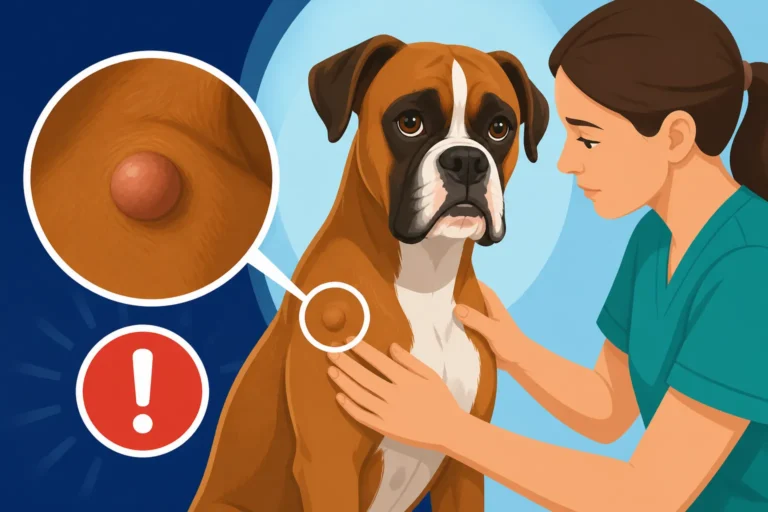
Two Years or More After a Low-Grade Boxer Tumor
Finding a lump on your beloved Boxer is one of the most terrifying moments a dog owner can experience, and even when the news comes back that it's a "low-grade" tumor, the relief is often quickly followed by persistent anxiety. This guide is here to walk you through what to expect and how to proactively care for your Boxer in the two years, and beyond, after a low-grade tumor diagnosis and removal, focusing on long-term health and peace of mind.
Understanding a Low-Grade Tumor in Your Boxer
When your vet delivers the diagnosis of a low-grade tumor, it's natural to feel a whirlwind of emotions. It's not a "get out of jail free" card, but it's certainly better news than a high-grade aggressive cancer. For Boxers, this often refers to mast cell tumors (MCTs), which are incredibly common in the breed. These tumors arise from mast cells, which are part of the immune system and are found throughout the body, especially in the skin. The "grade" of the tumor is determined by a pathologist who examines the tissue under a microscope, looking at how aggressive the cells appear.
What "Low-Grade" Really Means for Your Dog
A low-grade classification, typically Patnaik Grade I or II (or Kiupel low-grade), indicates that the tumor cells appear less aggressive, are not dividing rapidly, and have a lower likelihood of spreading aggressively to other parts of the body (metastasizing) or recurring quickly at the original site. This is a critical distinction because the grade directly impacts the prognosis and the recommended course of treatment. Think of it as a spectrum, with low-grade being on the more favorable end, but still a cancer that demands respect and vigilant monitoring. It means the surgeon has a better chance of achieving clean margins, removing all cancerous cells, which is paramount for a good long-term outcome.
However, even with a low-grade diagnosis, it's important to remember that Boxers are particularly prone to these types of growths. A low-grade tumor today doesn't mean your dog is immune to future tumors, either at the same site or elsewhere on their body. Many Boxer owners who have dealt with one mast cell tumor often find themselves looking for others down the line, so maintaining vigilance with routine examinations, like the important practice of Weekly Lump Checks on a Boxer, is absolutely critical. It's not just about the one lump you found; it's about the breed's genetic predisposition.
The Importance of Initial Treatment and Clean Margins
The gold standard for treating a low-grade mast cell tumor is surgical removal with wide, clean margins. This means the surgeon takes out a significant amount of healthy tissue surrounding the visible tumor to ensure that all microscopic extensions of the cancer are removed. For skin tumors, this typically means a 2-3 cm margin of healthy tissue around the tumor and one fascial plane underneath. If the pathology report confirms "clean margins," it means no cancerous cells were found at the edges of the removed tissue, which significantly reduces the chance of local recurrence.
If the margins aren't clean, meaning some cancerous cells might have been left behind, your vet might recommend a second surgery to achieve wider margins or discuss adjunctive therapies. However, for most low-grade tumors with truly clean margins, surgery is often curative. The pathologist’s report will provide crucial details, including the grade and whether margins were clear, and understanding Histopathology Fees on a Boxer Tumor will give you insight into the expense behind this vital diagnostic step. This initial, thorough approach is what sets the stage for a positive long-term outlook.
Life in the Years Following a Low-Grade Tumor Removal
So, you've gone through the surgery, the pathology report is good, and a year or two has passed. What now? The good news is that many Boxers go on to live full, happy lives after successful removal of a low-grade tumor. However, the experience undeniably changes how you view your dog's health and necessitates a heightened level of awareness. It's a journey of ongoing observation and proactive care.
What to Expect Long-Term
For Boxers with a low-grade mast cell tumor that was completely removed, the prognosis is generally excellent. Studies show that the median survival time can be several years, often with no recurrence. However, "median" means 50% live longer, 50% live shorter. The most common risk, even with low-grade tumors, is the development of new mast cell tumors elsewhere on the body, rather than a recurrence at the exact same site, especially if those margins were truly clean. This is due to the breed's genetic predisposition, a factor that makes understanding Whether Boxer Cancer Risk Is Inherited incredibly important for current and future owners.
You might find yourself obsessively checking your Boxer for any new bumps, and that's completely normal and, frankly, a good thing. Regular, hands-on inspections of your dog's entire body — skin, paws, mouth, and any existing moles or scars — should become a routine part of your life. Pay close attention to any changes in existing skin tags or moles. Remember, Boxers are prone to The Lumps a Boxer Owner Has to Check For regardless of a previous cancer diagnosis. The initial relief might fade into a low hum of constant vigilance, but this vigilance is your Boxer's best defense.
Ongoing Monitoring and Veterinary Care
Even if your Boxer seems perfectly healthy, consistent veterinary follow-ups are non-negotiable. Typically, your vet will recommend checks every 3-6 months for the first year or two, and then annually, or as advised based on your individual dog's history. These visits aren't just for vaccinations; they're comprehensive physical exams where your vet can meticulously check for any new lumps or suspicious areas you might have missed. They might also recommend routine blood work to monitor overall health.
If a new lump does appear, don't panic, but don't ignore it either. Get it checked out promptly. Early detection is always key. A fine needle aspirate (FNA) can often provide an initial idea of what you're dealing with, helping determine if it's a benign fatty lump, a cyst, or another mast cell tumor. The sooner you get an answer, the sooner you can act. For many families, this period of ongoing monitoring highlights the value of pet insurance. Services like Healthy Paws can help cover the costs of these diagnostic tests, surgical removals, or even more advanced treatments if new issues arise, providing a financial safety net for these unexpected events.
Lifestyle and Support for Your Boxer's Health
Beyond medical treatments, the day-to-day care and lifestyle you provide play a significant role in your Boxer's overall health and well-being, especially after a cancer diagnosis. It’s about supporting their immune system and ensuring a high quality of life. This means a holistic approach to their environment, diet, and emotional state.
Nutritional Support and Healthy Weight Management
A balanced, high-quality diet is crucial for supporting your Boxer's immune system and maintaining overall health. While there's no magic "anti-cancer" diet, fresh, whole-food options, or high-quality commercial diets rich in antioxidants and omega-3 fatty acids, can contribute positively. Some owners opt for diets with novel proteins if their Boxer has sensitivities, or focus on ingredients known for their anti-inflammatory properties. Discuss any significant dietary changes with your vet, especially if you're considering a specialized diet like those often recommended in cases like Diet Changes for a Boxer With Colitis, which underscores the impact of nutrition on gut and immune health.
Maintaining a healthy weight is equally vital. Excess weight puts additional strain on all bodily systems, including the immune system, and can exacerbate other health issues. Your Boxer should have a visible waist when viewed from above, and you should be able to easily feel their ribs without seeing them protruding. If your Boxer is overweight, work with your vet to implement a gradual weight loss plan that includes portion control and appropriate exercise.
Exercise, Mental Stimulation, and Emotional Well-being
Boxers are energetic dogs that thrive on regular exercise and mental stimulation. Even after a tumor, maintaining a consistent exercise routine is important for their physical and mental health, provided there are no other limiting health conditions. Daily walks, playtime in a securely fenced yard, or engaging in dog sports can help keep them fit and happy. Just be mindful of their brachycephalic (flat-faced) nature, which makes them prone to overheating, especially in warmer weather. Always monitor your Boxer for signs of overexertion.
Beyond physical activity, Boxers need mental engagement to prevent boredom and destructive behaviors. Puzzle toys, training sessions, and even short "sniffaris" where they can explore scents can provide valuable mental stimulation. Your dog's emotional well-being is closely tied to their overall health. A calm, predictable home environment, consistent routine, and plenty of affection can reduce stress. The bond you share is incredibly powerful, and your calm demeanor will reassure your Boxer, helping them navigate this health journey with more ease.
Financial Preparedness for Ongoing Care
The financial reality of owning a Boxer, especially one with a history of a tumor, can be daunting. Even with a good prognosis, the possibility of future health challenges means you need to be prepared. This is where pet insurance and proactive financial planning truly shine.
Pet Insurance and Future Considerations
Having pet insurance in place before any health issues arise is the best strategy. If your Boxer was insured prior to the diagnosis of their low-grade tumor, your policy should cover future related issues, assuming you maintain continuous coverage. However, if you're looking into insurance after the diagnosis, the initial tumor will likely be considered a pre-existing condition, meaning future recurrences or related issues at that specific site might not be covered. This highlights why it’s so important to enroll them early, ideally as puppies, as discussed in Keeping a Boxer Insured Past Eight which emphasizes the increasing value of coverage as your Boxer ages.
However, even with a pre-existing condition, a good policy (like those offered by Healthy Paws, which is known for comprehensive accident and illness coverage) might still cover new, unrelated cancers or other health problems your Boxer might face down the line. It's crucial to review the policy details carefully and understand what is and isn't covered. When facing serious health issues, the thought of What Boxer Cardiomyopathy Costs a Family or the price of Chemotherapy for a Boxer With Cancer can be overwhelming without financial support. Many owners find that the monthly premium is a small price to pay for the peace of mind it offers, knowing they can make healthcare decisions based on what’s best for their dog, not just their wallet.
Building a "Cancer Fund" or Emergency Savings
Even with pet insurance, there will always be deductibles, co-pays, and potentially uncovered expenses. For this reason, many Boxer owners choose to set aside a dedicated "cancer fund" or emergency savings account specifically for their dog's healthcare needs. This fund can cover routine check-ups, unexpected diagnostics for new lumps, or contribute to specialist visits if required. Knowing you have these funds readily available can significantly reduce stress if a new health concern arises.
Consider this table for a general overview of recommended monitoring and preparedness post-low-grade tumor:
| Aspect | Recommendation | Frequency / Timing | Key Considerations |
|---|---|---|---|
| Physical Exams | Full body palpation by vet | Every 3-6 months (first 2 years), then annually | Early detection of new lumps is crucial |
| Home Lump Checks | Thorough hands-on inspection of entire body, including paws and mouth | Weekly | Know your Boxer's normal lumps/bumps; note any changes |
| Diet & Weight | High-quality, balanced diet; maintain lean body condition | Daily | Avoid obesity; discuss supplements with vet |
| Exercise | Consistent, appropriate physical and mental stimulation | Daily | Monitor for overheating; adjust intensity as needed |
| Pet Insurance | Maintain continuous coverage | Ongoing | Review policy for exclusions/coverage limits |
| Emergency Fund | Build dedicated savings for unexpected vet bills | Ongoing | A buffer for deductibles and non-covered costs |
| Quality of Life | Prioritize comfort, routine, and emotional well-being | Daily | Your Boxer's happiness is paramount |
Ultimately, living with a Boxer who has had a low-grade tumor means becoming their most ardent advocate and caregiver. It's about proactive health management and enjoying every moment with your loyal companion, understanding that while the past informs the future, it doesn't have to define it. Your Boxer deserves to thrive, and with your vigilant care, they absolutely can. For more insights into overall long-term care, you might find Caring for a Boxer Past Eight a helpful resource. The journey can be challenging, but the love and companionship your Boxer offers make every effort worthwhile.
Disclaimer
This article is intended for informational purposes only and does not constitute veterinary advice. Always consult with a qualified veterinarian for any health concerns or before making any decisions about your Boxer's medical care.