A Boxer That Drools More Than It Used To
If you're a Boxer owner, you're probably no stranger to a bit of drool. It's just part of the package with their charming, jowly faces! But when your normally slobbery pal suddenly starts drooling more than usual, leaving puddles that seem out of proportion, it's perfectly understandable to feel a pang of concern. This guide will walk you through the reasons why your Boxer might be drooling excessively and what steps you can take to figure out what's going on.
Understanding Normal Boxer Drool Versus What's Too Much
Boxers are renowned for their expressive faces, which include those wonderful, loose jowls. These jowls, while giving them a perpetually charming, slightly goofy look, are also the primary reason they tend to be a drool-prone breed. Gravity, combined with a bit of excitement or anticipation, means that saliva often has nowhere to go but out. So, a certain amount of drooling is absolutely par for the course with these magnificent dogs.
The Baseline of Boxer Slobber
Think about your Boxer's normal routine. Does a little drool escape when they're waiting for dinner? Absolutely. Is there usually a damp spot on the floor after they've had a big drink from their water bowl? You bet. Do they sometimes shake their head, sending a fine mist of slobber across the room in their exuberance? It’s a classic Boxer move. This kind of drooling, while sometimes a bit messy, is just a part of living with a Boxer. It’s consistent, often linked to eating, drinking, or high excitement, and doesn’t usually come with other worrying symptoms. It’s simply how their anatomy works.
When Drooling Becomes a Red Flag
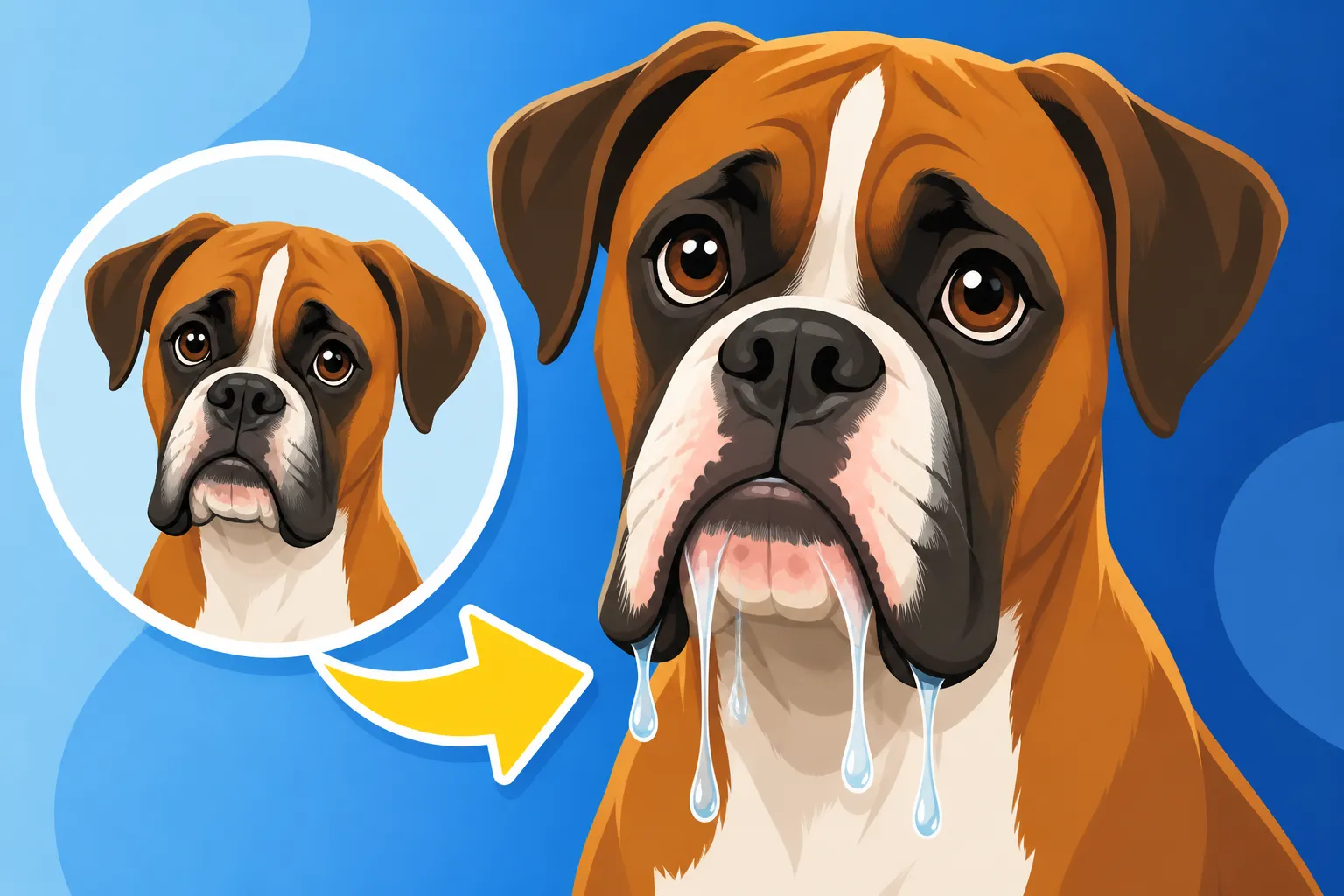
However, there's a definite line between "normal Boxer slobber" and "something is truly wrong." If you notice a sudden, dramatic increase in drooling that isn't tied to a specific activity like eating, or if it's accompanied by other unusual behaviors, it's time to pay close attention. We're talking about persistent, heavy drooling when your dog is relaxed, sleeping, or not anticipating food. It might seem like an endless flow, soaking their chest or creating noticeable puddles where there weren't any before. This isn't just about the quantity; it's about the context and whether it's out of character for your specific dog. You know your Boxer best, and if their drool production feels "off," it probably is.
Common Reasons for Increased Drooling in Boxers
When your Boxer starts drooling more than usual, it's often a sign that something is amiss. It's their way of telling you they're not quite right, and the causes can range from simple irritations to more serious health concerns. Let's dig into some of the most common culprits.
Oral Health Issues
This is perhaps the most frequent reason for excessive drooling. Just like us, dogs can experience discomfort or pain in their mouths, and one of the body's natural reactions is to produce more saliva to try and soothe the irritation or help flush out whatever is causing the problem.
- Dental Disease: Boxers, with their unique brachycephalic (flat-faced) skull structure and undershot jaws, can be prone to dental issues. Their teeth might be crowded, leading to plaque and tartar buildup, gingivitis, or even painful abscesses. If a tooth is loose, broken, or severely infected, the constant pain will lead to increased drooling. Imagine having a persistent toothache – you'd probably be salivating more too! You might also notice bad breath, pawing at the mouth, reluctance to chew hard food or toys, or even bleeding gums. Regular Boxer Dental Care and the Undershot Bite is crucial for preventing these problems.
- Foreign Objects: Sometimes, something as simple as a stick splinter, a piece of bone, or even a stubborn blade of grass can get wedged between teeth, caught on the roof of the mouth, or stuck in the tonsils. This can be incredibly irritating and painful, triggering excessive drooling as the dog tries to dislodge it. They might gag, cough, or repeatedly paw at their mouth in frustration.
- Oral Masses or Growths: Unfortunately, Boxers are highly susceptible to various oral tumors, some benign, some malignant. These can grow on the gums, tongue, or inside the cheeks. Even a small growth can be irritating and cause increased salivation. As it grows, it can interfere with chewing and swallowing, exacerbating the drooling. Regular Weekly Lump Checks on a Boxer should extend to the inside of their mouth as well.
Nausea or Digestive Upset
Just like humans, dogs often salivate more when they feel sick to their stomach. It's a physiological response, preparing the mouth for potential vomiting.
- Upset Stomach: If your Boxer has eaten something they shouldn’t have (and let’s be honest, they’re notorious for trying to sample everything), or if they have a sudden change in diet, it can lead to an upset stomach. This can manifest as nausea, which often comes with drooling, lip-smacking, vomiting, or diarrhea. Even motion sickness in the car can cause a wave of nausea and subsequent drooling.
- Bloat (Gastric Dilatation-Volvulus – GDV): This is a life-threatening emergency, particularly for deep-chested breeds like Boxers. Bloat occurs when the stomach fills with gas and often twists. One of the earliest and most prominent signs, alongside a distended abdomen and unproductive retching, is profuse drooling. This is an immediate veterinary emergency. Every Boxer owner should know the Bloat Signs Every Boxer Owner Should Know and understand that time is of the essence.
- Acid Reflux: Sometimes, digestive issues can lead to acid reflux, where stomach acid flows back up the esophagus. This burning sensation can cause excessive drooling as a way to coat and protect the esophagus. Your Boxer might also be gulping, lip-smacking, or seem restless, especially after eating. If you notice signs like this, consider talking to your vet about diet adjustments or medications. Some Boxer owners have found success with specialized digestive foods, often found on platforms like Chewy, or even fresh food options like those offered by Ollie.
Environmental Factors and Toxins
Sometimes the cause of increased drooling isn't internal but comes from their surroundings.
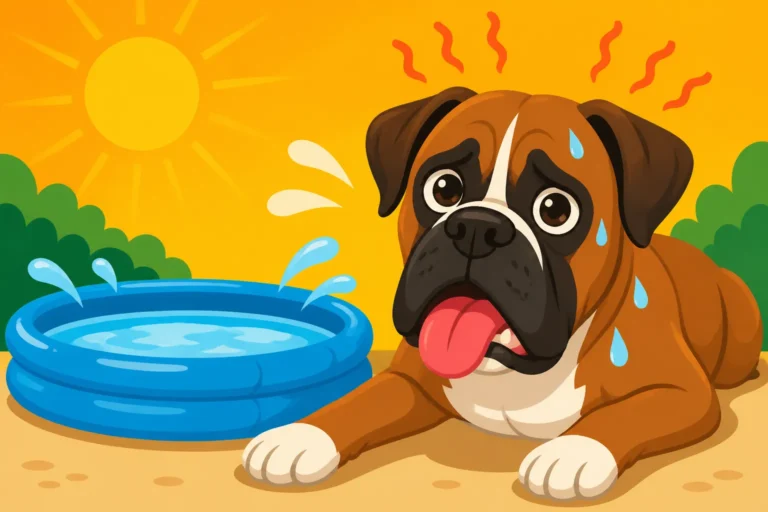
- Heatstroke: Boxers are brachycephalic, meaning they have a flat face, which makes them very susceptible to overheating. They can't pant as efficiently as long-nosed breeds, and excessive drooling can be a sign their body is struggling to cool down. If you see profuse drooling combined with heavy panting, lethargy, bright red gums, or staggering, it's a critical emergency. Get your Boxer to a cool place immediately and seek veterinary care. Always be mindful of How Fast a Flat-Faced Boxer Overheats.
- Toxins or Irritants: If your Boxer has licked or ingested something poisonous or highly irritating, excessive drooling is a common first sign. This could be anything from certain plants (like sago palms or lilies), household cleaners, pest control products, or even certain medications. The saliva acts as a natural diluent. Look for other symptoms like vomiting, tremors, lethargy, or behavioral changes. If you suspect toxin ingestion, contact your vet or an animal poison control center immediately.
- Allergic Reactions: While less common for just drooling, a severe allergic reaction (anaphylaxis) can sometimes include increased salivation along with facial swelling, hives, difficulty breathing, or collapse. This is another emergency situation requiring immediate veterinary attention.
Stress, Anxiety, and Excitement
Emotional states can also trigger increased salivation.
- Anxiety or Fear: Dogs, especially Boxers who are very sensitive, can drool excessively when they are feeling anxious or stressed. This might happen during car rides if they're not used to them, at the vet's office, during thunderstorms, or when left alone if they suffer from separation anxiety. Other signs of anxiety might include pacing, whining, trembling, panting, or destructive behavior.
- Extreme Excitement: While a little drool is normal when they're excited, sometimes Boxers can get so worked up that the drooling becomes profuse. Think about when you walk through the door after a long day, and your Boxer is doing their full-body wiggle. A bit of a slobber fest might occur simply due to sheer joy and arousal. This is usually transient and stops once they calm down.
When to Seek Veterinary Care
While some drooling is normal for a Boxer, and a temporary increase due to excitement might not be cause for alarm, there are definitely situations where a vet visit is imperative. It’s always better to be safe than sorry, especially with our beloved Boxers.
Urgent Situations: Don't Wait
If you observe any of the following alongside increased drooling, it's considered an emergency, and you should contact your veterinarian immediately, or head to the nearest emergency animal hospital:
- Distended or Bloated Abdomen with Unproductive Retching: This is the hallmark of bloat (GDV) and requires immediate attention. You might also notice pain when touching their belly.
- Difficulty Breathing: Labored breathing, gasping, blue-tinged gums, or excessive panting with the drooling can indicate heatstroke, a severe allergic reaction, or an airway obstruction. Anesthesia Risk in a Flat-Faced Boxer also highlights their respiratory vulnerabilities.
- Collapse, Weakness, or Staggering: These are signs of severe illness, shock, or neurological issues that need urgent assessment.
- Vomiting, Diarrhea, or Lethargy: If the excessive drooling is accompanied by persistent gastrointestinal upset or a sudden, profound lack of energy, it suggests a more serious underlying problem, potentially involving toxins or a serious illness.
- Unusual Gulping or Lip-Smacking: While sometimes just an indication of nausea, if it's constant and intense, it could point to severe acid reflux or even a foreign object causing irritation.
- Seizures or Tremors: These neurological symptoms with drooling are a clear sign of an emergency. Boxers can develop Seizures That Signal a Boxer Brain Tumor or other neurological conditions.
Non-Urgent, But Important, Vet Visits
If the increased drooling is present but your Boxer seems otherwise relatively well, it’s still wise to schedule an appointment with your regular vet. Don't delay, as even "non-urgent" can quickly become more serious if ignored.
- Persistent Drooling Without Other Obvious Symptoms: If the drooling has been going on for a day or two and isn't subsiding, even if your Boxer seems okay, it warrants a check-up. This could indicate a subtle dental issue, a small foreign object that's irritating them, or the very early stages of another condition.
- Paw-Pawing at the Mouth or Rubbing Face: These actions often suggest oral discomfort, a potential foreign body, or a sore tooth that needs investigation.
- Changes in Eating Habits: If your Boxer is reluctant to eat, drops food, chews on one side, or suddenly prefers softer foods, it’s a strong indicator of dental pain or an oral lesion causing them trouble.
- Visible Swelling or Lumps in the Mouth or Face: Any new growth needs to be examined by a vet immediately, as Boxers are unfortunately prone to oral cancers. The Lumps a Boxer Owner Has to Check For applies to inside their mouth as well.
During your vet visit, be prepared to give a detailed history: when the drooling started, how often it occurs, what it looks like, and any other symptoms you’ve noticed. Your vet will perform a thorough physical exam, often including a close look at your Boxer's mouth, and may recommend further diagnostics like blood tests, X-rays, or even a sedated oral exam.
Managing and Supporting a Drooling Boxer
Once you've seen the vet and understand the cause of your Boxer's increased drooling, or if it's determined to be a benign issue like heightened excitement, there are several things you can do at home to manage the mess and keep your dog comfortable.
Practical Tips for Dealing with the Slobber
Even if the drooling is due to a medical issue that's being treated, the ongoing wetness can be uncomfortable for your dog and, let's be honest, a pain for you!
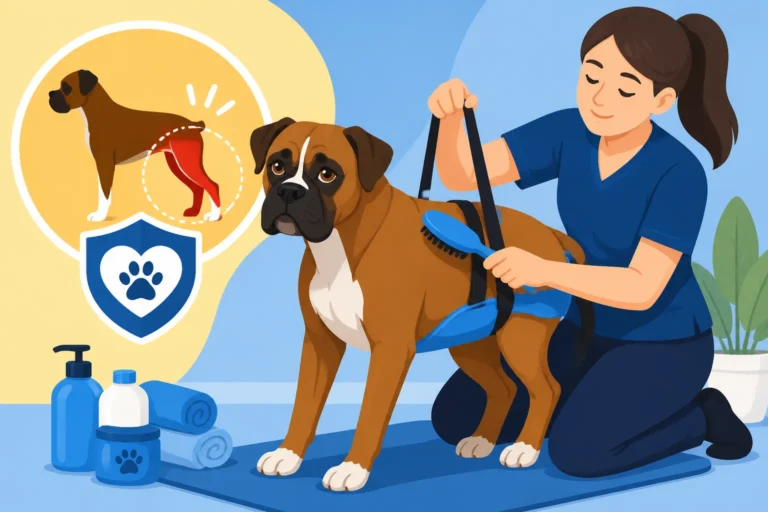
- Keep Them Clean and Dry: Regular gentle wiping of your Boxer's mouth and chest with a soft, absorbent cloth is essential. This prevents skin irritation and keeps them more comfortable. For Boxers, who sometimes develop sore skin under their lip folds, it’s particularly important to keep this area dry. You can even find special "drool bibs" or bandanas on platforms like Amazon that can help absorb excess moisture before it soaks into their fur.
- Protect Your Home: Invest in washable covers for furniture, dog beds with removable covers, and easily cleaned flooring if possible. Keep a supply of dedicated "slobber towels" strategically placed around the house for quick clean-ups.
- Hydration is Key (Even with Drooling): While it might seem counterintuitive to encourage more liquid intake when they're already producing a lot of saliva, proper hydration is vital for their overall health. Ensure fresh water is always available. Consider using stainless steel bowls, which are easier to keep clean than plastic.
- Consider Bowl Height and Type: For some Boxers, particularly those prone to swallowing air (which can contribute to gas and potentially bloat), using a slow-feeder bowl or even splitting meals into smaller, more frequent portions can help. The debate around raised bowls and bloat is ongoing, so discuss this with your vet. Our article on The Raised Bowl Argument in a Boxer Household goes into more detail.
Dietary Adjustments (If Applicable)
If the drooling is linked to digestive upset, your vet might recommend specific dietary changes.
- Sensitive Stomach Formulas: Many dog food brands offer formulas specifically designed for dogs with sensitive stomachs. These often contain novel proteins or easily digestible ingredients. You can explore a wide range of options on sites like Chewy.
- Limited Ingredient Diets: If food allergies are suspected, a limited ingredient diet might be prescribed. This involves feeding a single protein source and a single carbohydrate source to pinpoint any triggers. Services like Ollie offer fresh food options that can be tailored to specific dietary needs, which some owners find beneficial for dogs with sensitivities.
- Small, Frequent Meals: For dogs prone to nausea or acid reflux, feeding smaller portions more frequently throughout the day can sometimes help manage symptoms and reduce excessive drooling. This can also be beneficial in the context of Whether a Boxer Should Rest After Meals to reduce bloat risk.
Environmental Enrichment and Stress Reduction
If stress or anxiety is a contributing factor, addressing these emotional needs is crucial.
- Calm Environment: Provide a quiet, safe space where your Boxer can retreat when feeling overwhelmed. This might be their crate, a cozy bed in a low-traffic area, or a designated "den."
- Consistent Routine: Dogs thrive on routine. A predictable schedule for meals, walks, and playtime can help reduce anxiety.
- Mental Stimulation: A bored Boxer is often a stressed Boxer. Engage their minds with puzzle toys, training sessions, or scent work. Even durable chew toys can help redirect nervous energy. Platforms like Amazon have a huge selection of interactive toys to keep them occupied.
- Professional Help: For severe anxiety or fear-based drooling, consult with a professional dog trainer or a veterinary behaviorist. They can provide tailored strategies and, if necessary, discuss medication options. Understanding Why a Boxer Needs a Crate More Than Most can also contribute to creating a secure den.
Remember, increased drooling is usually a symptom, not a diagnosis. Your vet is your best partner in identifying the underlying cause and recommending the most effective course of action for your beloved Boxer.
| Symptom | Normal Boxer Drool | Concerning Excessive Drool |
|---|---|---|
| Quantity | Small amounts, often as strings or drips | Profuse, soaking fur, forming puddles |
| Timing/Context | Linked to anticipation of food, drinking, excitement | Unrelated to usual triggers, persistent, sudden onset |
| Other Symptoms | None | Lip-smacking, gulping, pawing at mouth, lethargy, vomiting, fever, abdominal pain, swelling, bad breath, reluctance to eat |
| Duration | Fleeting, stops once trigger passes | Continuous, long-lasting, worsening |
| Mouth Appearance | Healthy gums, no visible foreign objects or growths | Red/inflamed gums, broken teeth, visible foreign object, abnormal growths |
| Behavior | Happy, active, normal demeanor | Restless, withdrawn, anxious, painful, disoriented |
Disclaimer
This article is for general informational purposes only and does not constitute professional advice. Laws, prices and regulations vary by location and change over time. Consult a qualified professional for guidance on your specific situation.