Why a Boxer Needs a Crate More Than Most
If you've ever owned a Boxer, you know they come with an endless supply of goofy charm, boundless energy, and, let's be honest, a penchant for getting into things. The sheer power and puppy-like exuberance of a Boxer, especially during those long adolescent years, can turn a quiet living room into a wrestling arena or a peaceful kitchen into a counter-surfing crime scene in seconds. This guide is here to explain precisely why a well-implemented crate training routine isn't just a good idea for Boxers, but often an essential tool for their safety, your sanity, and establishing a calm, structured home life.
The Boxer's Unique Developmental Stages and Energy
Boxers are not your average dog when it comes to maturity. While other breeds might settle down by their first birthday, Boxers seem to operate on an extended timeline, keeping their spirited puppy persona for much longer. This prolonged adolescence, coupled with their incredible energy levels, creates a unique set of challenges that a crate can profoundly help to manage.
Extended Puppyhood and "Teenage" Phase
It’s almost a running joke among Boxer owners that their dogs don't truly "grow up" until they're two or even three years old. While other breeds might have a relatively short, intense puppy phase, Boxers often stretch it out, retaining that curious, clumsy, and often destructive energy for a good long while. This means they are exploring with their mouths, pushing boundaries, and testing limits far beyond what you might expect from a "grown" dog. A six-month-old Boxer might be the size of an adult dog, but mentally, they're still very much a toddler with boundless curiosity and little impulse control. It can be incredibly frustrating to feel like you're constantly supervising a giant, bouncy puppy.
During this extended puppyhood, they're still learning what's appropriate to chew, what's off-limits, and how to self-regulate their excitement. This is precisely where a crate becomes invaluable. It offers a safe, contained space where your Boxer can't practice undesirable behaviors like chewing your baseboards or "redecorating" with your couch cushions. It’s not a punishment; it’s a management tool that helps them learn to calm down and gives you peace of mind when you can’t have eyes on them every second. This understanding of their long developmental curve is crucial, and you can learn more about Why a Boxer Acts Like a Puppy Until Three.
High Energy Needs and Potential for Boredom
Boxers were bred to be powerful, active working dogs, and that lineage shines through in their impressive energy levels. They need a significant amount of physical exercise and mental stimulation every single day. We're talking about more than just a quick stroll around the block; they thrive on vigorous play, long walks, running, and engaging training sessions. If these needs aren't met, a bored Boxer is a destructive Boxer. Think of it this way: all that pent-up energy has to go somewhere, and if it's not channeled constructively, it will find its own outlets – usually in ways you won't appreciate.
A common scenario is an owner coming home to find a pillow torn to shreds, or a trash can overturned, simply because their Boxer was bored and under-stimulated. While the ultimate solution is always to increase appropriate exercise and mental engagement, a crate acts as a vital safety net. When you need to leave the house, or even just take a shower, placing your Boxer in their comfortable, familiar crate ensures they are safe and unable to engage in destructive behaviors. It's a way to hit the "pause" button on potential mischief and can really help manage their impressive vitality, especially when considering Boxer Exercise Needs and the Heat That Limits Them.
Managing Common Boxer Behavioral Challenges
Boxers, for all their loveable traits, often present a few common behavioral challenges that can be significantly eased with proper crate training. Their enthusiasm and physical nature mean that some behaviors that might be minor nuisances in a smaller, less powerful breed can become much larger issues with a seventy-pound Boxer.
Mouthing, Chewing, and Inappropriate Play
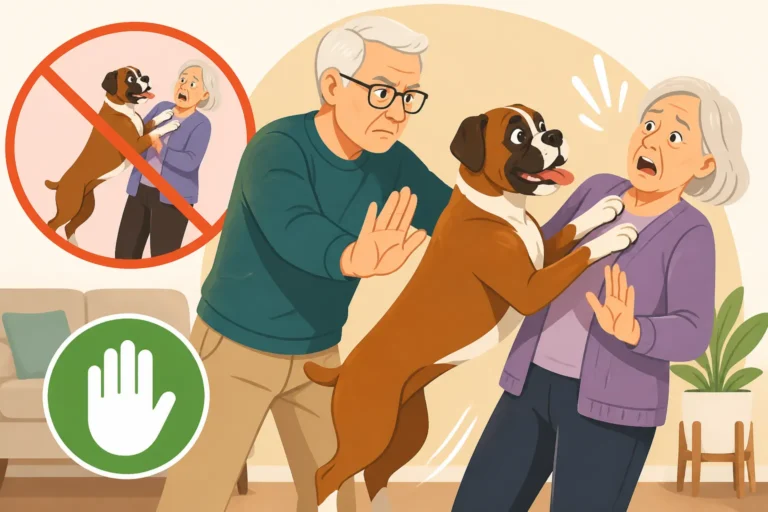
Anyone who has spent time with a Boxer puppy knows they are incredibly mouthy. They explore the world with their teeth, and while this is normal puppy behavior, it can persist longer and with more intensity in a Boxer. Those big, strong jaws can do a surprising amount of damage, whether it's to your hands, your furniture, or your favorite pair of shoes. It's not malicious; it's just how they interact and learn about their environment. As they grow, this mouthing can escalate into what many call "play biting" or "nipping," which, given their size and strength, can be quite painful and even frightening for children or guests. We discuss this extensively in Boxer Mouthing From Puppy to Adult.
A crate provides a clear boundary. When your Boxer is in the crate, they can't mouth your hands, jump on furniture, or grab inappropriate items. It's a structured time-out from these opportunities for mischief. You can provide them with appropriate chew toys in their crate, redirecting their natural instincts to things they are allowed to destroy, rather than things they aren't. This teaches them impulse control and helps them understand what behaviors are acceptable.
Counter Surfing and Resource Guarding
Boxers are intelligent, curious, and often food-motivated. This combination can lead to a common Boxer pastime: counter surfing. They are tall enough to reach most countertops with ease, and if there's an unattended snack or meal, you can bet they'll investigate. This isn't just annoying; it can be dangerous if they get into something toxic. Beyond counter surfing, Boxers, like many dogs, can develop resource guarding tendencies, especially with items they've "stolen" or found. Imagine your Boxer finding a dropped sock and then guarding it intensely when you try to retrieve it. This can lead to confrontations and reinforce undesirable behaviors. Read more about handling this in A Boxer That Guards a Stolen Item.
A crate offers a simple, effective solution. When you're cooking, eating, or simply can't supervise your Boxer, they can be comfortably crated, completely removing the opportunity for counter surfing or snatching items off tables. This proactive management prevents the behavior from happening in the first place, which is much easier than trying to correct it after your Boxer has already rewarded themselves with a stolen sandwich. By removing the chance for them to practice these behaviors, you're setting them up for success and fostering a calmer household.
Crate Training for Safety and Security
Beyond managing specific behaviors, the crate serves as a fundamental tool for ensuring your Boxer's overall safety and providing them with a secure personal space within your home. In a world full of potential hazards, a crate can be a surprising source of peace of mind for both you and your dog.
Preventing Accidents and Ensuring Safety
Boxers are not always the most graceful creatures, especially when young, and their curiosity knows no bounds. This means they are prone to accidents, both to themselves and to your home. They might knock over lamps, chew through electrical cords, or ingest something harmful from the floor. Imagine leaving your Boxer loose in the house while you run a quick errand, only to return to a disaster area or, worse, a trip to the emergency vet because they've eaten something dangerous.
A crate acts as a safe, contained environment when you can't actively supervise. It ensures your Boxer can't access potentially harmful household items, escape through an open door, or cause damage to your belongings. During situations like home renovations, when repairmen are in the house, or when young, boisterous children are visiting, the crate provides a secure retreat for your Boxer, keeping them out of harm's way and preventing unintended interactions. This proactive safety measure can save you a lot of stress, and potentially, expensive vet bills.
Providing a Safe Haven and Den
Despite what some might think, a crate is not a cage or a punishment tool when used correctly. For dogs, especially those with a strong denning instinct like Boxers, a crate can become their personal safe haven. Think about a wolf or a fox retreating to its den for rest and security; your Boxer often seeks a similar feeling of enclosure and protection. When properly introduced, with positive associations like treats, toys, and comfort, the crate transforms into a cozy, private bedroom.
This "den" provides a sense of security during stressful times, like thunderstorms or fireworks, or when your Boxer is feeling overwhelmed by visitors or a busy household. It's a place where they can retreat, relax, and feel safe from the hustle and bustle of daily life. For a high-energy breed like a Boxer, having a designated quiet space where they can decompress is incredibly beneficial for their mental well-being and teaches them how to settle themselves down. It becomes their predictable, comfortable space, reducing anxiety and promoting a calm demeanor, particularly after an exciting day.
Practical Applications of Crate Training for Boxer Owners
The benefits of crate training extend far beyond behavior management and safety; it’s a cornerstone for establishing routines, preventing anxiety, and making daily life smoother for both you and your energetic Boxer.
House Training and Routine Establishment
Let’s be honest, cleaning up puppy accidents is no fun for anyone, and a Boxer puppy can produce a lot of them! This is where the crate truly shines as an indispensable house-training tool. Dogs, by nature, are clean animals who don't want to soil their sleeping area. By leveraging this instinct, a crate becomes a crucial part of teaching your Boxer puppy bladder and bowel control. When they are in their crate, they will typically try to hold it.
The key is a consistent schedule. You let them out of the crate, take them immediately to their designated potty spot, praise and reward them when they go, and then bring them back inside for playtime or attention. When you can't supervise them closely, they go into the crate for short, appropriate periods. This teaches them to "hold it" and reinforces the idea that outside is for pottying. This method is far more effective and less frustrating than constantly chasing a puppy with a paper towel. For more on developing a consistent routine, see Getting a Boxer Puppy Reliable in the House.
Managing Separation Anxiety and Over-Stimulation
Boxers are deeply devoted and affectionate dogs, often forming strong bonds with their families. This can sometimes lead to separation anxiety if they aren't taught how to be comfortably alone. A Boxer suffering from separation anxiety can be incredibly destructive, barking excessively, having accidents, or even injuring themselves trying to escape. Similarly, their high energy means they can easily become over-stimulated in busy environments or during intense play, leading to zoomies, nipping, or an inability to calm down.
Crate training, when done positively and gradually, can be a powerful preventative measure against separation anxiety. By making the crate a positive, predictable space where good things happen (treats, toys, rest), you teach your Boxer that being alone in their den is a normal, calm experience. It helps them build confidence in their ability to be independent. For an over-stimulated Boxer, the crate offers a designated "cool-down" zone, allowing them to relax and regain composure in a quiet, safe spot. This is especially helpful when you need to teach them how to cope when they are A Boxer Left Alone All Day.
Travel and Veterinary Visits
Life with a Boxer often involves going places, whether it's a road trip to visit family or a routine check-up at the vet. A crate-trained Boxer makes these experiences significantly less stressful for everyone involved. For car travel, a secure crate prevents your Boxer from distracting the driver, becoming a projectile in a sudden stop, or getting lost if you have an accident. It's the safest way for them to travel in a vehicle, keeping them contained and protected. You might be surprised to learn about the complexities of Flying a Boxer and the Snub-Nose Ban which makes crating for travel even more essential for them.
At the vet's office, a crate-trained Boxer is generally calmer and easier to handle. They have a familiar, secure space to retreat to, which can reduce their stress in an otherwise unfamiliar and often scary environment. This familiarity can make veterinary procedures, boarding, or even groomer visits much smoother, as your Boxer already associates being crated with comfort and safety, rather than fear or confinement.
Choosing and Introducing the Right Crate
Picking the perfect crate and introducing it properly are crucial steps to ensuring your Boxer sees it as a welcome den, not a dreaded jail cell. The right setup makes all the difference in successful crate training.
Selecting the Appropriate Crate Type and Size
When it comes to Boxer crates, size really does matter. Too small, and it's uncomfortable and restrictive; too large, and your Boxer might decide one end is for sleeping and the other is for pottying, defeating the house-training purpose. For an adult Boxer, you'll need a substantial crate, typically in the 42-inch or even 48-inch range. The key is that your Boxer should be able to stand up, turn around comfortably, and lie down fully stretched out. For puppies, a divider panel is a lifesaver, allowing you to expand the space as they grow. This prevents them from using one end as a bathroom while still providing a snug den. You can find many options for Crates Big Enough for a Grown Boxer on platforms like Amazon, where you can compare different brands and features.
As for types, there are a few common options:
- Wire Crates: These are popular, durable, and offer good ventilation. They are foldable for portability and often come with divider panels. They're usually a solid choice for Boxers, but ensure there are no sharp edges and consider a cover to make it den-like.
- Plastic/Vari-Kennel Style Crates: These are often preferred for travel due to their enclosed, den-like feel and airline approval. They offer less visibility but can make a dog feel more secure.
- Soft-Sided Crates: These are lighter and portable, good for short trips or temporary use, but generally not suitable for unsupervised Boxers prone to chewing. They won't stand up to a determined Boxer.
| Crate Type | Pros | Cons | Ideal For |
|---|---|---|---|
| Wire Crate | Excellent ventilation, foldable, good visibility, often comes with divider | Can feel less "den-like" without a cover, some dogs dislike open feel | Everyday home use, growing puppies (with divider), good airflow |
| Plastic (Vari-Kennel) | Den-like security, airline approved, more durable for chewers | Less ventilation, heavier, harder to clean, less portable | Travel, dogs who prefer enclosed spaces, heavier chewers |
| Soft-Sided Crate | Lightweight, highly portable, comfortable for short durations | Not chew-proof, harder to clean accidents, limited ventilation | Short trips, quiet dogs, temporary supervised use |
Positive Crate Introduction Techniques
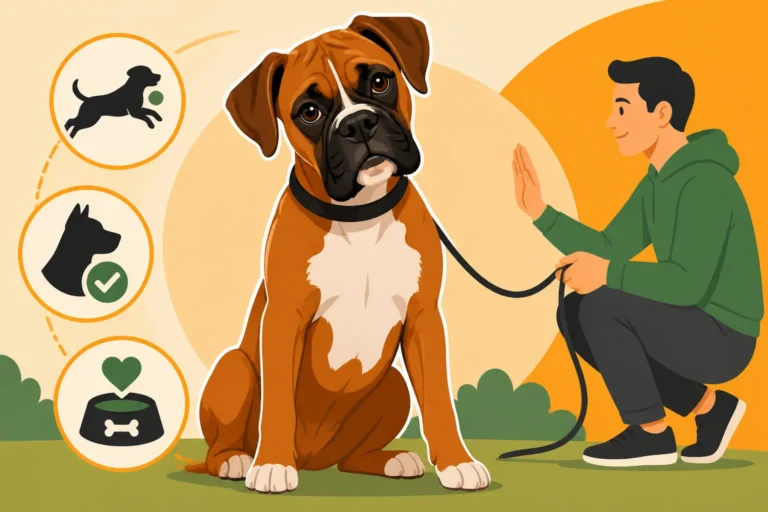
The success of crate training hinges entirely on making the crate a positive experience. Never, ever use the crate as a punishment. If your Boxer associates the crate with negative feelings, you'll face an uphill battle. Instead, aim to build positive associations from day one. Start by placing the crate in a central, family area so your Boxer doesn't feel isolated. Toss high-value treats and favorite toys inside, leaving the door open. Let them explore it at their own pace.
Feed meals inside the crate with the door open, gradually closing it for short periods while they eat. Once they are comfortable eating in the crate with the door closed, start extending the time, always using a happy, calm voice and offering praise and rewards. Start with just a few minutes, then five, then ten, building up slowly. You want them to choose to go in, not be forced. Incorporate a consistent cue word like "kennel up" or "crate," always followed by a treat when they enter. Many online resources, like BAXTER & Bella, offer structured programs and support for positive puppy training, including comprehensive crate training guides that can walk you through these steps effectively. Providing a special, high-value chew toy that they only get in the crate can also make it a more desirable place.
Addressing Common Crate Training Concerns
Even with the best intentions and positive methods, you might encounter a few bumps in the road during crate training. It's totally normal to have questions or face challenges, especially with a breed as opinionated as the Boxer.
Duration and Age-Appropriate Crating
One of the biggest questions new Boxer owners have is, "How long can I actually leave my Boxer in the crate?" The answer isn't one-size-fits-all and depends heavily on age and individual training progress.
Puppies:
- 8-10 weeks: Typically no more than 30-60 minutes at a stretch. Their bladders are tiny!
- 11-14 weeks: Can usually hold it for 1-3 hours.
- 15-16 weeks: May manage 3-4 hours.
- 17+ weeks (and older): Most puppies over four months can handle 4-5 hours, but no more than that during the day.
Adult Boxers:
A fully house-trained adult Boxer can generally be crated for 4-6 hours during the day, though less is always better. Eight hours should be the absolute maximum and only for a full night's sleep. Think of the crate as a tool for management, not a place to keep your Boxer indefinitely while you're at work all day. They need regular potty breaks, exercise, and mental stimulation. If you work long hours, you'll need to arrange for a dog walker or pet sitter to give your Boxer breaks, exercise, and companionship. Prolonged crating beyond these guidelines can lead to frustration, accidents, and a breakdown of trust in the crate.
When a Boxer Screams in the Crate
It's heartbreaking to hear your Boxer puppy or even an older Boxer cry, whine, or bark in their crate. Your first instinct might be to let them out immediately, but it's important to differentiate between genuine distress and a bid for attention.
If you've followed positive introduction steps and your Boxer is crying, it's essential to consider why. Are they telling you they need to potty? Take them out immediately, quietly, to their designated spot. If they go, great! If not, bring them back to the crate without much fuss. This teaches them that crying gets them a potty break, not play or attention. We explore this further in A Boxer That Screams in the Crate.
If they've just been out, had exercise, and have a comfortable crate with a chew toy, their crying is often a protest. In these cases, it's crucial not to reinforce the behavior by letting them out immediately. Wait for a lull in the crying, even just a few seconds of quiet, before opening the crate. This teaches them that quiet behavior gets your attention. You can also try:
- Covering the crate: A blanket over the crate can make it feel more den-like and reduce visual stimulation.
- White noise or calm music: This can help soothe them and block out distracting household sounds.
- Chew toys: High-value chew toys can distract them and help them settle.
Consistency is key. Boxers are smart, and they'll quickly learn what behaviors get them what they want. By calmly and consistently reinforcing the right behaviors, you can turn crate time into a peaceful, accepted part of their routine.
Disclaimer
This article is for general informational purposes only and does not constitute professional advice. Laws, prices and regulations vary by location and change over time. Consult a qualified professional for guidance on your specific situation.