Grooming a Boxer With Weak Back Legs
Watching your beloved Boxer start to struggle with their back legs, whether it's from arthritis, degenerative myelopathy, or just the natural slowing down of age, is heartbreaking. It suddenly makes simple tasks like grooming feel like an insurmountable challenge, filled with anxiety for both of you. This guide is here to walk you through practical, empathetic ways to make grooming a comfortable, fear-free experience again for your Boxer, ensuring they continue to look and feel their best despite their mobility limitations.
The Unique Challenges of Grooming a Boxer with Impaired Mobility
When a Boxer's back legs start to give out, it’s not just about them being a little slower or less steady. It profoundly impacts every aspect of their physical interaction with the world, and grooming is certainly no exception. What once was a quick bath or brush-out can become a stressful ordeal, fraught with the risk of slips, falls, and discomfort. Understanding why it's so difficult is the first step to making it easier.
Understanding the Root Causes of Hind Leg Weakness
Several conditions commonly affect a Boxer's hind legs, leading to weakness and instability. Degenerative Myelopathy (DM) is a particularly cruel disease common in Boxers, slowly causing paralysis of the hind limbs and eventually spreading forward. For a deeper dive into this, you might find Degenerative Myelopathy in an Older Boxer a helpful read. Arthritis is another huge culprit, especially in older Boxers, where the cartilage in their joints wears down, causing pain and stiffness. Then there's Boxer Hip Dysplasia and Spondylosis, which can also severely limit mobility and cause chronic discomfort. These conditions mean that standing for extended periods, shifting weight, or even just holding still can be incredibly painful or impossible.
Imagine trying to stand on wobbly, painful legs in a slippery bathtub, while someone tries to lift your paws for a nail trim. It's a terrifying prospect. The underlying pain from conditions like Arthritis in an Older Boxer means that every touch, every shift of weight, needs to be gentle and deliberate. They aren't being stubborn; they're trying to protect themselves from pain or falling. Recognizing the specific condition affecting your Boxer's mobility can help you anticipate their needs and tailor your grooming approach.
How Pain and Instability Affect Grooming Cooperation
A Boxer who previously tolerated or even enjoyed grooming might suddenly become resistant, growl, snap, or try to escape. This isn't malice; it's fear and pain. The fear of falling is very real for dogs with compromised mobility. They associate the grooming process with the unstable surfaces of a tub, the awkward positions required for brushing, or the pain of having a tender joint bumped. Their cooperation is directly tied to their sense of safety and comfort.
Instability means they can't balance themselves easily. They might need to lean on you, shift their weight constantly, or even collapse if they lose their footing. This makes tasks like lifting a paw for nail clipping or holding them still for a thorough bath incredibly challenging and risky. The mental stress of trying to stay upright, combined with physical discomfort, can quickly turn a grooming session into a battle of wills, leaving both of you exhausted and upset. This is why adapting your approach isn't just a nicety; it's a necessity for their well-being and your peace of mind.
The Emotional Toll on Both Boxer and Owner
It's not just physical. Seeing your once-vigorous Boxer struggle is emotionally draining. You might feel guilty, frustrated, or anxious about causing them further pain or distress during grooming. The bond you share is strong, and their discomfort echoes within you. Your Boxer, in turn, can sense your anxiety, which only adds to their own stress during these sessions.
Grooming, which was once a routine part of care, can become a source of dread. The fear of them slipping, the heartbreaking whimper, or the defensive growl can make you postpone necessary hygiene, leading to matted fur, overgrown nails, or skin issues that further exacerbate their discomfort. It's a vicious cycle that impacts the quality of life for both of you. Acknowledge these feelings, as they are completely normal, and remember that adapting your approach is an act of love and commitment to your aging companion. For more general advice on caring for an older Boxer, check out Caring for a Boxer Past Eight.
Adapting Your Grooming Environment for Comfort and Safety
The key to successful grooming for a Boxer with weak back legs lies in proactive preparation of your environment. You can significantly reduce stress and physical strain by making a few thoughtful adjustments, turning potential hazards into comfortable, supportive spaces.
Choosing the Right Location and Surface
The first step is to pick a grooming spot that offers stability and warmth. Forget the slippery bathroom floor or the cold garage. Look for a carpeted area, or lay down plenty of non-slip mats, yoga mats, or even old blankets to provide traction. A familiar, quiet space in your home, where your Boxer already feels secure, is often best. Avoid high-traffic areas or places with sudden loud noises that might startle them.
When it comes to bathing, the standard bathtub can be a death trap for an unstable Boxer. Consider investing in a heavy-duty, non-slip bath mat for the tub or, better yet, a walk-in shower if you have one. For smaller Boxers or puppies who may not yet be displaying severe weakness, a sturdy wash tub placed at an accessible height (like on a patio or in a laundry room) might work, but always prioritize stability. Remember, the goal is to prevent any slips that could cause injury or further psychological trauma.
Utilizing Supportive Aids and Equipment
There's a whole world of supportive equipment designed to make life easier for dogs with mobility issues, and many of these are perfect for grooming.
Supportive Aids for Grooming
| Grooming Aid | Purpose | Benefits for Weak Back Legs | Where to Find (Examples) |
|---|---|---|---|
| Non-slip bath mat | Prevents slips in the tub/shower | Provides secure footing, reduces fear | Amazon, Chewy |
| Grooming sling/harness | Supports dog's weight during standing | Reduces strain on joints, aids stability | Chewy, Pet Supply Stores |
| Elevated grooming table | Brings dog to comfortable working height | Less bending for owner, easier access for dog | Amazon, Specialty Pet Stores |
| Soft bristled brush | Gentle detangling and coat care | Minimizes pulling, pleasant sensation | Chewy, Local Pet Store |
| Dremel nail grinder | Grinds nails down gradually | Less jarring than clippers, prevents quicks | Amazon, Pet Supply Stores |
| Warm, damp cloths | Cleaning face folds, ears | Gentle, non-invasive, comfortable | General household, Chewy |
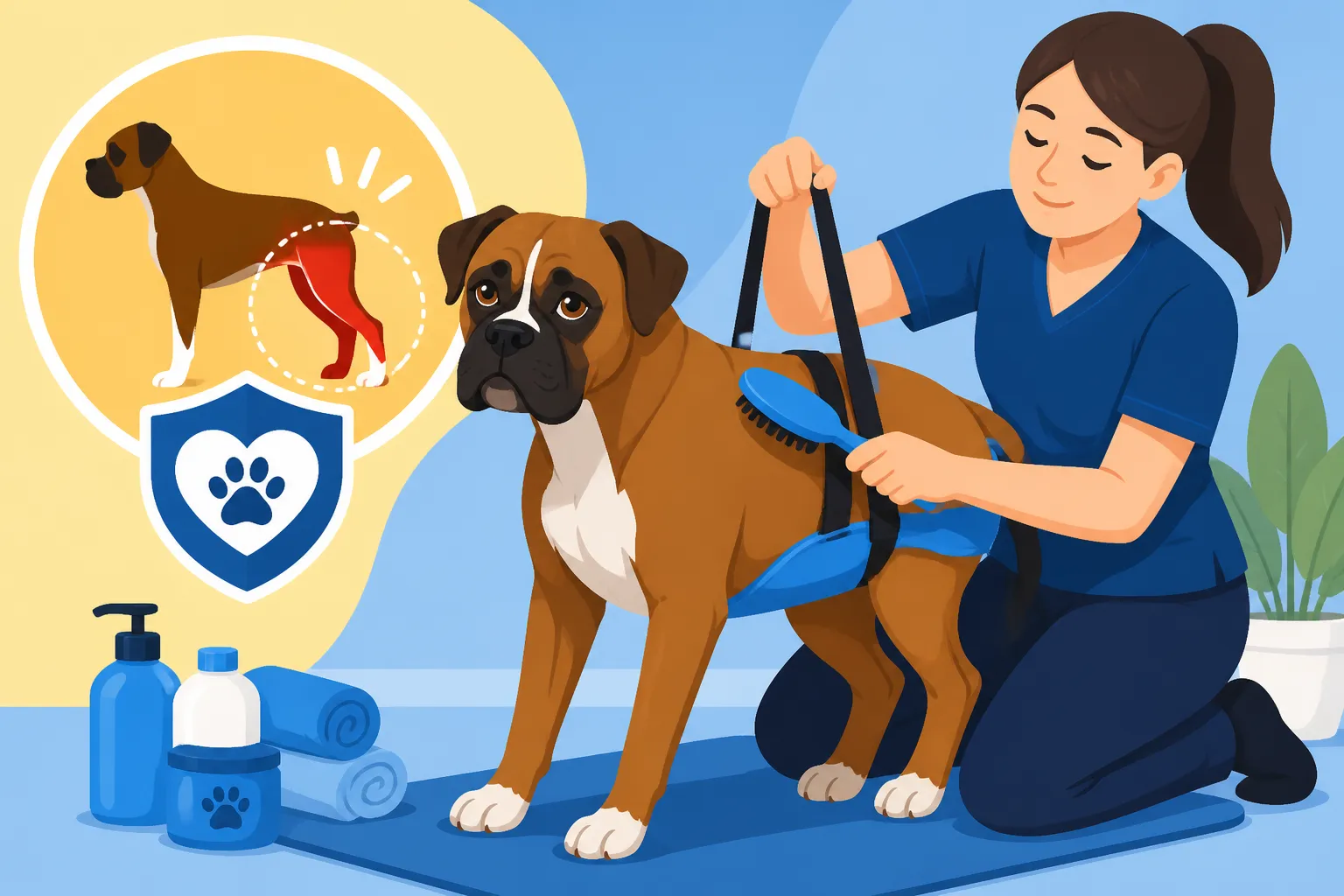
A sturdy grooming sling or harness, like those you might use to help your Boxer walk, can be invaluable during bathing or standing tasks. Brands like Blue-9 or Help 'Em Up Harness offer options that distribute weight evenly and give you a secure handle to steady your dog. You can find many suitable options on Chewy or Amazon. For Boxers with severe weakness, a full body support system might be needed. If you're using a table, ensure it's incredibly stable and has a non-slip surface, perhaps with a soft, padded mat on top. Some owners even use their sofa or a large, padded ottoman, making sure there's enough room and it's not too high for the Boxer to manage.
Consider specific tools too. A long-handled brush means less bending for you and less repositioning for your dog. A Dremel-style nail grinder is often less jarring than clippers, which can cause discomfort if the dog's legs are already sensitive. You want tools that are efficient and minimize the need for your Boxer to hold awkward positions for too long.
Strategic Lighting and Temperature Considerations
Don't underestimate the power of good lighting and a comfortable room temperature. Dim light can make your Boxer feel even more insecure, especially if their vision isn't what it used to be. Bright, even lighting helps both of you see clearly, reducing the risk of accidental nicks or missed spots. It also helps your Boxer navigate the space with more confidence.
Temperature is also crucial, especially for Boxers who can overheat easily due to their brachycephalic (flat-faced) nature. Ensure the grooming area is comfortably warm, especially after a bath, to prevent chills, but not so hot that they become breathless or uncomfortable. A small space heater can be useful in colder months, but always use it safely and monitor the temperature closely. The goal is to create a serene, spa-like atmosphere, not a stressful clinic visit.
Gentle Techniques for Everyday Boxer Grooming Tasks
Once your environment is set up for success, the next step is to modify your actual grooming techniques. The key here is gentle, slow, and intentional movements, always prioritizing your Boxer's comfort over speed or perfection.
Stress-Free Bathing Modifications
Bathing a Boxer with weak back legs can be one of the most daunting tasks. Instead of trying to get them fully submerged, consider a partial bath or spot cleaning. Use a handheld shower sprayer if possible, as it allows you to direct water exactly where needed without forcing your Boxer to stand under a strong stream. Always use lukewarm water – never hot or cold.
For Boxers who struggle to stand, consider a kneeling or lying position. You can gently support their chest or hindquarters with your arm or a sling while they lie on a non-slip mat. Use a mild, moisturizing shampoo that won't irritate their skin, and rinse thoroughly to prevent residue that could cause itching. Towel dry gently, blotting rather than vigorous rubbing, and ensure they are completely dry to prevent skin issues, especially in their folds. Remember, frequent, shorter baths might be better than infrequent, long, stressful ones.
Brushing and Coat Care Without Discomfort
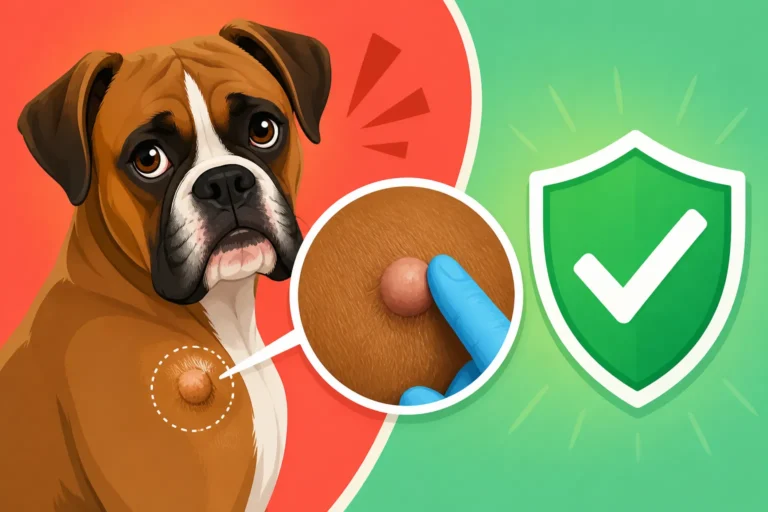
Boxers have a short, dense coat, but they do shed, and regular brushing is important for coat health and to help with weekly Lump Checks on a Boxer. For a Boxer with hind leg weakness, brushing might need to be done while they are lying down, or with one person supporting them gently while another brushes. Use a soft rubber curry brush or a shedding blade, which are effective without pulling at the skin or causing static.
Pay close attention to any sensitive areas, like joints affected by Spondylosis on a Boxer's X-Ray or Arthritis in an Older Boxer. If your Boxer flinches or pulls away, lighten your touch or move to another area. Incorporate plenty of praise and treats to make it a positive experience. You can even break brushing sessions into multiple shorter segments throughout the day or week, focusing on one body part at a time, rather than trying to do it all at once. Brands like Furminator or Kong offer effective shedding tools that can be found on Chewy or Amazon.
Painless Nail Trimming and Paw Pad Care
Nail trimming can be particularly challenging and even dangerous if your Boxer is unstable. Overgrown nails can exacerbate mobility issues, making it harder for them to grip and causing discomfort. If using clippers, opt for a guillotine or scissor-style clipper that is sharp and makes a clean cut. However, a Dremel-style grinder is often preferred as it's less jarring and allows for more gradual trimming, reducing the risk of cutting the quick. You can find good quality grinders on Amazon. For advice on handling resistance during this task, check out Cutting Nails on a Boxer That Will Not Sit.
When trimming, have your Boxer lie down or lean against you for support. Lift each paw gently and support the leg at the joint, not just the paw, to prevent straining their compromised limbs. Take small amounts off at a time. Afterward, inspect their paw pads for cracks, cuts, or foreign objects. Applying a paw balm can help keep them soft and protected, which is crucial for good traction. Maintaining good Paw Pad Care for a Boxer on Hot Pavement is essential, even if they aren't on hot surfaces as much anymore.
Managing Face Folds, Teeth, and Ears with Care
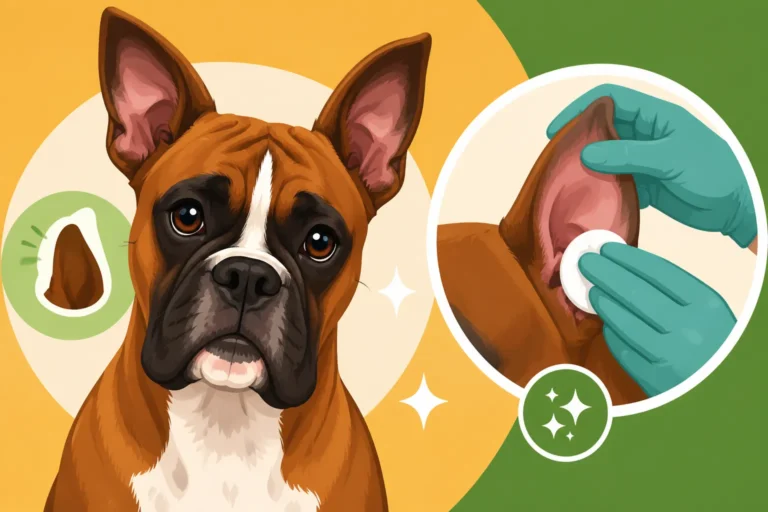
Boxers are known for their adorable wrinkled faces and floppy ears, but these areas require special attention, especially as they age and might be less able to clean themselves. Their facial folds can trap moisture and debris, leading to skin infections. Gently wipe these folds daily with a warm, damp cloth, ensuring they are completely dry afterwards. Products like medicated wipes (available on Chewy) can also be helpful for preventing irritation.
For ear care, whether your Boxer has cropped or natural ears, gentle cleaning is essential. For those with natural ears, moisture can build up. Refer to Cleaning a Natural-Eared Boxer for specific guidance. Use a vet-approved ear cleaner and a cotton ball, never cotton swabs deep in the canal. Keep it quick and gentle. And don't forget dental care! Despite their undershot jaw, Boxers can still accumulate tartar. While brushing an unstable Boxer's teeth might be hard, dental wipes or water additives can help. You can find various dental care products on Chewy or Amazon.
When Professional Help and Advanced Solutions Become Necessary
There comes a point when managing grooming tasks at home, even with modifications, becomes too difficult or risky. This is when professional assistance and exploring advanced mobility solutions can make a world of difference for your Boxer and your peace of mind.
Finding a Sensitive and Experienced Groomer
Not all groomers are equipped to handle dogs with severe mobility issues or special needs. When searching for a professional groomer, it's crucial to find someone with experience and a compassionate approach to senior or disabled dogs. Look for groomers who:
- Have experience with Boxers and their specific needs (face folds, short coat, potential for brachycephalic issues).
- Use hydraulic or electric grooming tables that can be lowered to the ground for easy access.
- Are willing to take extra time, use gentle handling techniques, and allow for frequent breaks.
- Are comfortable using slings or other supportive aids during grooming.
- Understand that sometimes less is more; a simple bath and tidy might be better than a full, stressful groom.
Don't hesitate to interview groomers, ask for references, and visit their facility beforehand to see how they operate. Explain your Boxer's specific challenges clearly. A good groomer will appreciate your honesty and work with you to create the least stressful experience possible.
The Benefits of Mobile Grooming Services
Mobile grooming is an absolute game-changer for many owners of Boxers with weak back legs. Instead of the stress of loading your dog into the car, driving to a noisy salon, and enduring unfamiliar smells and sounds, a professional groomer comes right to your home. This eliminates travel stress and allows your Boxer to be groomed in their familiar environment.
Mobile groomers often operate out of fully equipped vans, complete with adjustable tables and warm water, and they typically serve one client at a time, meaning your Boxer gets undivided attention. This can be significantly less stressful than a busy salon environment, reducing anxiety and making the grooming process smoother for everyone involved. While it might come at a higher cost, the peace of mind and reduced stress for your beloved companion are often priceless.
Exploring Mobility Aids Beyond Grooming Sessions
While not directly part of grooming, addressing your Boxer's overall mobility will indirectly make grooming easier. If your Boxer's hind leg weakness is progressive, it's worth exploring mobility aids like custom carts or slings. For more on this, you can look at Carts and Slings for a Boxer With Myelopathy. These aids not only help them get around but can also improve their muscle tone and confidence, making them more comfortable during any handling.
Additionally, working with your veterinarian to manage pain through medication, supplements, or physical therapy can significantly improve their comfort levels. A Boxer in less pain will be more cooperative during grooming sessions. Discuss options like joint supplements or even anti-inflammatory medications. Sometimes, if a Boxer is extremely anxious or painful, your vet might even suggest a mild sedative for specific grooming tasks, especially those that involve pain or fear, such as a difficult nail trim. Understanding How a Boxer Handles Sedation might be helpful in such discussions. The goal is to maximize their comfort and quality of life in every aspect, including their appearance and hygiene.
Disclaimer
This article is for general informational purposes only and does not constitute professional advice. Laws, prices and regulations vary by location and change over time. Consult a qualified professional for guidance on your specific situation.