How Much Hair a Boxer Really Sheds
Let's be real, when you first get a Boxer, especially if you're used to longer-haired breeds, you might think you've hit the jackpot in the low-shedding department. Their sleek, short coats seem so manageable! But then, a few weeks in, you start noticing it: those short, stiff hairs everywhere – clinging to your clothes, embedded in your couch, and somehow, always, always in your coffee. The truth is, Boxers absolutely shed, and often, the surprise isn't if they shed, but how much those seemingly sparse hairs can accumulate. This guide is here to tackle that very common frustration, helping you understand the reality of Boxer shedding and arming you with practical strategies to manage it effectively.
The Short-Coat Shedding Surprise
It’s a common misconception that because Boxers have short, single coats, they don’t shed much. Many new Boxer owners are genuinely caught off guard by the sheer volume of hair that can come off these athletic dogs. The reality is quite different from what their smooth, glossy appearance suggests. Those short hairs might not create tumbleweeds of fluff like a husky, but they have a unique way of making their presence known.
Why Short Hair Feels Like More Hair
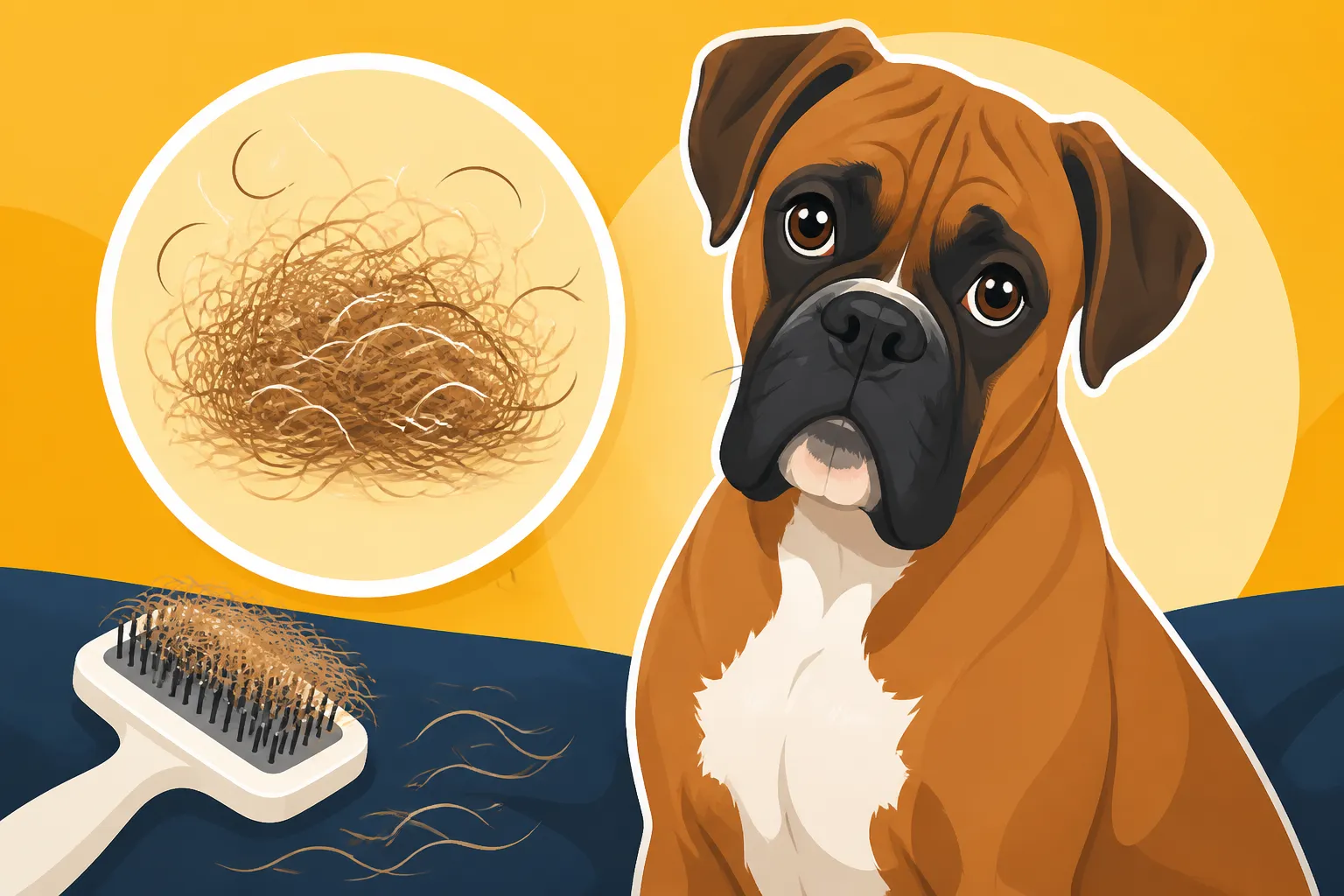
The paradox of Boxer shedding is that while each individual hair is short, the sheer quantity of hair they drop, combined with its texture, makes it incredibly noticeable. Think about it: a long hair might just lie on the floor, but a short, bristly Boxer hair has an uncanny ability to weave itself into fabric. Your favorite sweater, the car seats, that plush blanket on the sofa – nothing seems immune. It's not just sitting on surfaces; it's part of them. This means that even with a coat that looks like it would be low maintenance, you're constantly finding little reminders of your beloved Boxer.
It's also about consistency. Boxers aren't typically "seasonal blowers" in the dramatic way some double-coated breeds are, where they shed profusely twice a year. Instead, they tend to shed a moderate amount all the time. This constant, low-level shedding means you're perpetually cleaning up, and the cumulative effect can feel overwhelming. Many owners feel like they just finished vacuuming, only to see a fresh layer appear within hours. This consistent shedding pattern truly makes it feel like there's always a new wave of hair to contend with.
The Boxer's Unique Hair Texture
Beyond just the length, the texture of a Boxer's coat plays a huge role in why their shedding feels so pervasive. Their hair is quite stiff and coarse, almost like tiny needles. This isn't soft, fluffy puppy fur that can be easily brushed away; it's robust and designed to protect. When these hairs detach, they don't float gently to the ground or clump together. Instead, they have a remarkable ability to penetrate and anchor themselves into textiles, making them notoriously difficult to remove from upholstery, carpets, and clothing.
This particular characteristic is why you might find that a quick lint roll doesn't always cut it, or that your vacuum cleaner needs to work extra hard. The hairs become deeply embedded, requiring more effort and specialized tools to dislodge. It's a never-ending battle, and understanding this unique texture helps set realistic expectations for grooming and cleaning around the house. It's not a sign of poor health; it's just the nature of the Boxer's coat.
Understanding the Boxer's Coat and Shedding Cycle
To effectively manage Boxer shedding, it helps to understand a bit about their coat structure and the natural processes that drive hair loss. Unlike some breeds with thick undercoats, Boxers have a single coat, but that doesn't mean it's static. Hair, just like ours, goes through cycles of growth, rest, and shedding.
The Phases of Hair Growth
Every hair on your Boxer's body follows a specific growth cycle, which consists of three main phases: anagen (growth), catagen (transition), and telogen (rest). During the anagen phase, the hair is actively growing from the follicle. This phase can last for quite a while, determining the ultimate length of the hair. Boxers have a relatively short anagen phase compared to long-haired breeds, which contributes to their short coat.
Once the anagen phase ends, the hair follicle enters the catagen phase, a brief transitional period where growth stops and the hair detaches from its blood supply. Finally, it enters the telogen phase, the resting phase, where the hair simply sits in the follicle, waiting to be pushed out by new growth. Boxers have many hairs in the telogen phase at any given time, meaning there's a constant supply of "ready-to-shed" hair. This continuous turnover is why their shedding feels so relentless; there's always new hair pushing out old hair.
Factors Influencing Shedding
While shedding is a natural process, several factors can influence how much hair your Boxer drops. Diet is a huge one. A high-quality diet, rich in essential fatty acids like Omega-3s, can contribute to a healthier coat and, sometimes, reduced shedding. If your Boxer is eating a diet with poor quality ingredients or lacking crucial nutrients, their skin and coat health can suffer, leading to dull, brittle hair and increased shedding. It's worth considering what's in their bowl; brands like Ollie offer fresh, balanced meals that some owners report improve coat condition.
Beyond diet, environmental factors play a role. Seasonal changes, particularly shifts in temperature and daylight hours, can trigger some changes in shedding, even for single-coated breeds. Stress can also be a factor; a stressed dog might shed more. Hormonal changes, such as those associated with spaying or neutering, pregnancy, or underlying medical conditions like hypothyroidism, can also dramatically affect coat quality and shedding. Weight Gain and Coat Loss in a Boxer can be an indicator of such issues, so it's always wise to rule out medical causes with your vet if shedding becomes excessive or is accompanied by other symptoms.
Table: Common Factors Influencing Boxer Shedding
| Factor | Impact on Shedding | What You Can Do |
|---|---|---|
| Diet Quality | Poor nutrition leads to dull, brittle coat and more shedding. | Feed a high-quality, balanced diet rich in Omega-3s. |
| Seasons | Moderate increase during spring/fall, but consistent year-round. | Consistent grooming routine throughout the year. |
| Stress | Anxious dogs may shed more than usual. | Identify and reduce stressors; ensure adequate exercise and mental stimulation. |
| Hormones | Changes from spaying/neutering, pregnancy, or medical conditions (e.g., thyroid). | Consult vet for diagnosis and treatment of underlying conditions. |
| Skin Health | Dry skin, allergies, or parasites can lead to hair loss and shedding. | Regular checks for skin issues; appropriate bathing and moisturizing. |
Tackling Boxer Hair: Practical Grooming Strategies
Given the Boxer's consistent shedding and hair texture, a proactive approach to grooming is your best defense. It's not about stopping shedding entirely – that's impossible and unnatural – but about managing it so that less hair ends up on your furniture and more ends up in the trash.
Regular Brushing is Key
This might seem obvious, but consistent, frequent brushing is the single most effective way to manage Boxer shedding. Forget the idea of brushing once a week; for a Boxer, a few minutes every day, or at least every other day, can make a huge difference. The goal is to remove loose hairs before they have a chance to fall out around your home. You'll be amazed at how much hair you can collect even from a short-coated dog with regular brushing.
When it comes to tools, you need something effective for short, stiff hair. A rubber curry brush or a grooming mitt works wonders, as it helps to dislodge loose hair and stimulates the skin. A de-shedding tool designed for short coats can also be incredibly effective, but use it sparingly and gently to avoid irritating their sensitive skin. Many excellent options are available on Chewy or Amazon, so you can find what works best for your Boxer and your budget. Getting into a routine, perhaps while you're watching TV or after a walk, makes it less of a chore and more of a bonding experience. Consistent brushing not only reduces shedding but also distributes natural oils, keeping their coat healthy and shiny. For more on this, check out Brushes That Work on a Boxer Coat.
Bathing and Coat Health
While frequent brushing is crucial, don't underestimate the power of a good bath to help remove loose hair. A bath can loosen dead hairs and allow them to rinse away, or be easily brushed out post-bath. However, you don't want to over-bathe your Boxer, as this can strip their skin of natural oils and lead to dry, itchy skin, which can ironically increase shedding. Aim for a bath every 4-6 weeks, or as needed if they get particularly dirty.
When bathing, use a high-quality shampoo specifically formulated for dogs, preferably one that is moisturizing or designed for sensitive skin. Boxers can be prone to skin sensitivities, so harsh chemicals or fragrances should be avoided. After shampooing, use a good conditioner to help keep their coat soft and healthy. While they're still damp, you can often do another quick brush-through with a rubber curry comb to pull out even more loose hair. For tips on choosing the right products, read Shampoo for a Boxer With Sensitive Skin and Washing a Boxer Without Drying Out Its Skin.
Beyond the Brush: Diet and Environmental Management
Grooming is vital, but managing Boxer shedding is also about creating a healthy internal and external environment for your dog. A healthy Boxer is generally a less shed-prone Boxer.
Nutritional Support for a Healthy Coat
As mentioned earlier, diet plays a huge role in coat health. Providing your Boxer with a high-quality, balanced diet is fundamental. Look for dog foods where a named meat source is the first ingredient, and that contain a healthy balance of proteins, fats, and carbohydrates. Crucially, ensure their food includes Omega-3 and Omega-6 fatty acids. These healthy fats are essential for skin and coat health, promoting a shiny, strong coat and reducing dryness that can lead to excessive shedding.
Many commercial dog foods incorporate these fatty acids, but you can also supplement their diet. Fish oil, for instance, is a popular and effective supplement for improving coat condition. Always consult your veterinarian before adding any supplements to your Boxer's diet to ensure it's appropriate for their specific needs and doesn't interact with any existing medications. A healthy gut also contributes to overall health, so ensuring your Boxer has a well-functioning digestive system, perhaps with probiotics, can indirectly support coat quality. Find out more about supplements in Fish Oil for a Boxer's Skin and Heart.
Maintaining a Clean Home Environment
No matter how diligent you are with brushing and bathing, some Boxer hair will inevitably end up in your home. This is where your cleaning routine comes in. Regular vacuuming, often daily or every other day, is crucial. Invest in a good quality vacuum cleaner designed for pet hair, as these typically have stronger suction and specialized attachments that can handle embedded hairs on carpets and upholstery. Robotic vacuums can also be a lifesaver for maintaining floors between deeper cleans, running on a schedule to pick up daily drops.
Beyond vacuuming, keep lint rollers handy for clothing and quick touch-ups on furniture. Machine-washable couch covers or blankets can also be a game-changer; these can be tossed in the laundry regularly to remove accumulated hair. Microfiber cloths are excellent for wiping down hard surfaces, as they attract and hold onto hair rather than just pushing it around. By tackling the hair at the source (your Boxer) and cleaning up what escapes, you can significantly reduce the visual impact of Boxer shedding in your home. Think about areas where hair collects, like their beds – ensuring you have Crates, Beds and Gear Sized for a Boxer that are easy to clean is also important.
Disclaimer
This article is for general informational purposes only and does not constitute professional advice. Laws, prices and regulations vary by location and change over time. Consult a qualified professional for guidance on your specific situation.