Cleaning a Boxer’s Chin Acne
Discovering unexpected bumps, blackheads, or even pustules on your beloved Boxer's chin can be a really concerning and often frustrating experience. It’s easy to feel a pang of guilt, wondering if you’ve missed something or if your otherwise healthy dog is suddenly developing a serious skin issue. This guide is here to walk you through exactly what chin acne is in Boxers, how to differentiate it from other skin woes, and most importantly, provide actionable steps for cleaning, treating, and preventing those troublesome breakouts.
What Even Is Boxer Chin Acne? Understanding the Bumps and Blackheads
Boxer chin acne, much like its human counterpart, is a common dermatological condition that primarily affects the hair follicles on the chin and lips. It can range from mild, barely noticeable blackheads to painful, swollen pustules that become a real nuisance for your dog and a worry for you. Our Boxers, with their distinctive short coats, prominent muzzles, and sometimes-slobbery jowls, can be particularly prone to this kind of irritation.
It's not just a superficial problem; it often signifies inflammation and can lead to secondary bacterial infections if not addressed. Understanding the underlying mechanisms is the first step toward effective management.
More Than Just "Dirty Dog" Syndrome: The Causes of Chin Acne
While a dirty chin certainly doesn't help, Boxer chin acne is far more complex than simply needing a good scrub. At its core, it's often a form of folliculitis, which means inflammation of the hair follicles. Several factors contribute to this:
- Trapped Oils and Debris: Boxers have short, stiff hairs on their chin and a facial structure that can sometimes trap food particles, drool, and environmental grime. This debris, combined with natural skin oils, can clog the hair follicles. Imagine trying to keep your own beard perfectly clean after every meal – it’s a similar challenge for our Boxers!
- Bacterial Overgrowth: Once a follicle is clogged and irritated, it creates a perfect breeding ground for bacteria (often Staphylococcus species) that naturally live on the skin. This bacterial proliferation leads to infection, swelling, and pus formation, turning a simple clogged pore into an angry pustule.
- Friction and Trauma: Constant rubbing of the chin against bowls, toys, or even rough bedding can irritate the skin and follicles, making them more susceptible to inflammation and infection. A Boxer who is a vigorous chewer or digs at their bedding might exacerbate the problem.
- Allergies and Sensitivities: Sometimes, underlying allergies (food or environmental) can manifest as skin inflammation, including on the chin. While not direct acne, this can make the skin more reactive and prone to breakouts. If your Boxer is also dealing with itchy skin elsewhere, or gastrointestinal issues like those described in Bloody Mucus in a Young Boxer's Stool, it's worth considering a broader allergic component.
- Hormonal Factors: Young, adolescent Boxers, much like human teenagers, can experience hormonal fluctuations that contribute to skin issues. This is why you often see chin acne appear or worsen during their "teenage" months.
- Genetics: Some Boxers might just be inherently more predisposed to chin acne due to their skin type or follicle structure. It's a bit like how some people are naturally more prone to acne than others, regardless of their hygiene habits.
It's a combination of these elements that typically leads to the development of those tell-tale red bumps and blackheads. It’s rarely just one thing, which is why a multi-faceted approach to care is usually most effective.
Identifying the Signs: When It's Acne vs. Something Else
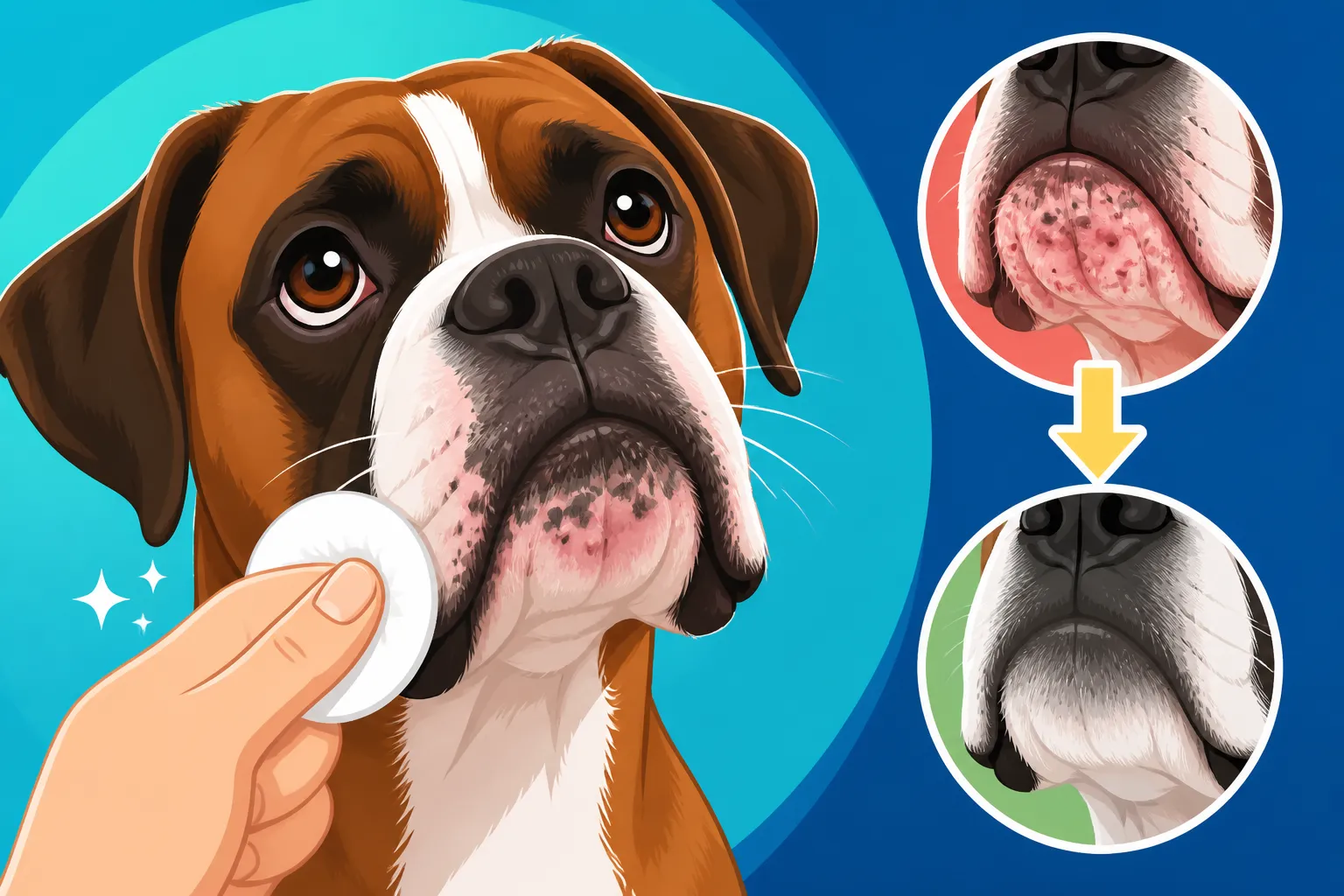
Spotting chin acne early is key to preventing it from escalating into something more severe. You'll typically notice small, red bumps, often with a distinct black dot in the center (comedones or blackheads), or even tiny whiteheads (pustules). The affected area might feel a bit rough or bumpy to the touch. In more advanced cases, you might see:
- Swelling and redness around the chin and lips.
- Crusting or scabbing, especially if your Boxer has been scratching or rubbing.
- Hair loss in the affected area.
- Pain or tenderness when you touch their chin.
- Your Boxer might rub their chin more often, seemingly trying to alleviate discomfort.
However, it's crucial to understand that not every bump on a Boxer's chin is acne. There are several other conditions that can look similar, making a trip to the vet essential for proper diagnosis, especially if the condition is persistent or painful.
| Condition | Common Appearance | Typical Location | Key Differentiating Factors |
|---|---|---|---|
| Chin Acne (Folliculitis) | Red bumps, blackheads, whiteheads, pustules, swelling, scabbing. Often multiple. | Chin, lower lips | Typically starts with clogged pores, can progress to infection. May respond to topical treatments. |
| Puppy Histiocytoma | Single, raised, firm, often red or "button-like" lump. Grows relatively quickly. | Head, ears, limbs, but can be anywhere. Chin is possible. | Benign tumor in young dogs (under 2 years), usually regresses spontaneously within 2-3 months. Often solitary, not widespread like acne. More on this can be found in Histiocytomas on a Young Boxer. |
| Allergic Reaction | Hives (raised welts), redness, intense itching, swelling (especially around eyes/muzzle). | Widespread or localized | Sudden onset after exposure to allergen (insect sting, new food, medication). Often accompanied by general itchiness. |
| Skin Fold Dermatitis | Redness, irritation, moisture, sometimes foul odor, in skin folds. | Lip folds, muzzle folds, jowls | Occurs specifically in areas where skin rubs together, trapping moisture and debris. While sometimes confused with chin acne, it's about the folds themselves. See Sore Skin Under a Boxer's Lip Fold for more. |
| Demodectic Mange | Patches of hair loss, redness, sometimes scaling, secondary infection. | Face (especially around eyes/muzzle), legs | Caused by Demodex mites. Often starts as small, circular patches of hair loss. Requires microscopic skin scrape for diagnosis. More details in Demodex Mange in a Boxer Puppy. |
| Warts (Viral Papillomas) | Small, cauliflower-like growths. | Mouth, lips, sometimes chin | Caused by a virus, common in young dogs, often resolve on their own. Usually distinct in texture and appearance from acne. Consider Whether a Boxer Wart Needs Removing for these. |
If you're unsure, or if the condition appears to be worsening despite your best efforts at home care, it's always best to consult your veterinarian. They can perform diagnostic tests like skin scrapes or fungal cultures to rule out other conditions and ensure your Boxer gets the most appropriate treatment.
Daily Care and Prevention: Keeping Your Boxer's Chin Clear
Once you've confirmed it's chin acne, or even if you're just looking to prevent it, consistent daily care is your best friend. Simple habits can make a world of difference in keeping your Boxer's chin happy and healthy.
The Importance of Cleanliness: Bowls, Bedding, and Grooming Routines
This might sound obvious, but it's often the small, daily details that make the biggest impact. Think of it as preventative maintenance for your Boxer's face!
- Bowl Material Matters: Plastic bowls can harbor bacteria and microscopic scratches that trap germs, creating a hostile environment for your Boxer's chin. Switching to stainless steel or ceramic bowls is highly recommended. These materials are non-porous, easier to clean, and less likely to cause irritation. Make sure you're washing their food and water bowls daily with hot, soapy water. Just like you wouldn't want to eat off a dirty plate, your Boxer deserves a clean dining experience. You can find durable, Boxer-sized stainless steel bowls easily on platforms like Amazon.
- Post-Meal Muzzle Wipes: Boxers are often enthusiastic eaters and drinkers, which means their chin can get quite messy. After every meal and especially after a long drink, gently wipe your Boxer's muzzle and chin with a soft, damp cloth. This removes food particles, saliva, and excess moisture before it can clog pores or irritate the skin. It might feel like a chore at first, but it quickly becomes part of your routine, and your Boxer will likely come to enjoy the attention. For comprehensive advice on keeping those folds clean, refer to Wiping a Boxer's Jowls and Muzzle Folds.
- Clean Bedding: Your Boxer spends a lot of time resting their chin on their bed. If the bedding is dirty, it can reintroduce bacteria and irritants to their skin. Wash all bedding regularly – at least once a week, or more frequently if your Boxer is prone to breakouts. Choose bedding materials that are easy to wash and dry.
- Gentle Cleansing: For active chin acne, or as a preventative measure, a gentle daily cleanse can be beneficial. Your vet might recommend a medicated wipe or a mild antiseptic solution. However, avoid harsh soaps or scrubbing, which can further irritate the inflamed skin. The goal is gentle cleaning, not aggressive abrasion.
Establishing these routines early can significantly reduce the incidence of chin acne and contribute to your Boxer's overall skin health.
Topical Treatments and Home Remedies: What Works (and What Doesn't)
For mild cases of chin acne, there are several topical treatments and common-sense home remedies that can be quite effective. The key is consistency and patience.
- Warm Compresses: For early-stage bumps or blackheads, a warm compress can help open up the follicles and encourage drainage. Simply soak a clean washcloth in warm (not hot!) water, wring it out, and gently hold it against your Boxer's chin for 5-10 minutes, once or twice a day. This can be soothing and effective for softening the skin.
- Veterinary-Recommended Cleansers: Your vet might suggest a topical antiseptic wash or wipes containing ingredients like benzoyl peroxide or chlorhexidine. Benzoyl peroxide helps to flush out follicles and has antibacterial properties, while chlorhexidine is a powerful antiseptic. These are often available through veterinary clinics or reputable online pet supply retailers like Chewy. Always follow your vet's instructions for frequency and application, as overuse can sometimes dry out the skin.
- Dietary Considerations: While chin acne isn't typically a direct result of diet, a high-quality, balanced diet supports overall skin health. If you suspect allergies might be playing a role, your vet might recommend a limited ingredient or novel protein diet. Brands like Ollie offer fresh food options that can be great for sensitive stomachs and skin. Some Boxers are sensitive to common protein sources like chicken or beef, which can manifest in various skin issues. For more on this, check out Chicken and Beef Allergies in a Boxer. Switching their food should always be a gradual process to avoid upsetting their stomach, and it's a good idea to discuss it with your vet first, especially if you're exploring Prescription Diets for a Boxer With Colitis.
- Avoid "Human" Acne Products: Never use human acne treatments like salicylic acid, alcohol-based toners, or harsh astringents on your Boxer. These products are often too strong for canine skin and can cause severe irritation, dryness, or even toxicity if ingested. Stick to products specifically formulated for dogs and recommended by your veterinarian.
Remember, the goal is to gently clean, reduce inflammation, and prevent bacterial overgrowth. Be gentle, be consistent, and observe how your Boxer's skin responds.
When to Call the Vet: Beyond Home Care for Persistent Acne
While many cases of Boxer chin acne can be managed with diligent home care, there are definitely times when professional veterinary intervention is necessary. Ignoring worsening symptoms can lead to more serious infections and prolonged discomfort for your dog.
Recognizing Infection and Deeper Issues
It's easy to dismiss a few small bumps, but if you notice any of the following signs, it's time to pick up the phone and schedule a vet visit:
- Increasing Redness and Swelling: If the affected area becomes significantly more red, swollen, or hot to the touch, it indicates a deepening infection.
- Pain or Sensitivity: If your Boxer cries out, flinches, or avoids you touching their chin, it means the acne is causing them considerable pain. This discomfort alone warrants a vet check.
- Pus or Discharge: The presence of yellow or green pus, or any other type of discharge, is a clear sign of a bacterial infection that likely requires antibiotics.
- Ulcers or Open Sores: If the bumps break open and become raw or ulcerated, they are highly susceptible to secondary infections and need immediate veterinary attention.
- Lethargy or Fever: If your Boxer seems generally unwell, is less active, or you notice they feel warm, this could indicate a systemic infection developing from the localized skin issue.
- No Improvement After 1-2 Weeks of Home Care: If you've been consistent with cleaning, warm compresses, and vet-approved topical treatments for a couple of weeks, and you're seeing no improvement, or if it's getting worse, it's a clear signal that the condition requires a vet's assessment. Regularly checking your Boxer for any new lumps or skin changes, not just on the chin, is a crucial part of responsible ownership, as detailed in The Weekly Skin Check Every Boxer Needs.
Remember, your vet can also rule out other potential skin conditions that might mimic acne but require different treatments, such as certain tumors (though less common on the chin), or more serious fungal infections. Telling a Boxer Fatty Lump From a Tumor can help you understand the difference in various lumps.
Prescription Treatments and Advanced Diagnostics
When home care isn't enough, your veterinarian has a range of tools and treatments at their disposal to get your Boxer's chin back to normal.
- Oral Antibiotics: For moderate to severe bacterial infections, your vet will likely prescribe a course of oral antibiotics. It's crucial to complete the entire course, even if the symptoms seem to disappear quickly, to prevent recurrence and antibiotic resistance.
- Topical Antibiotics/Steroids: In some cases, stronger topical antibiotic ointments or creams containing corticosteroids might be prescribed to reduce inflammation and combat bacterial growth directly on the skin.
- Anti-inflammatory Medications: If the inflammation is significant and causing discomfort, a short course of oral anti-inflammatory drugs might be given.
- Diagnostic Tests: If the chin acne is recurrent, atypical, or not responding to standard treatment, your vet may recommend further diagnostics. This could include:
- Skin Scrapes: To check for mites (like Demodex), which can cause similar-looking lesions.
- Fungal Cultures: To rule out fungal infections.
- Bacterial Culture and Sensitivity: If an infection is persistent, identifying the specific bacteria and determining which antibiotics it's sensitive to can guide more effective treatment.
- Biopsy: In rare cases, especially if a lump doesn't look like typical acne or doesn't resolve, a skin biopsy might be performed to get a definitive diagnosis. It's important to understand the potential costs associated with such procedures, which are discussed in Skin Biopsy Costs on a Boxer.
Working closely with your veterinarian is paramount. They will tailor a treatment plan to your Boxer's specific needs, ensuring the best possible outcome for their chin health.
Living With a Boxer Prone to Chin Acne: Long-Term Strategies
For some Boxers, chin acne isn't a one-off event; it's a chronic condition that requires ongoing management. The good news is that with consistent care and a proactive approach, you can keep flare-ups to a minimum and your Boxer comfortable.
Environmental Management and Stress Reduction
Beyond the daily cleaning, looking at your Boxer's broader environment and emotional state can also play a role in preventing chin acne.
- Minimize Irritants: Be mindful of anything your Boxer's chin frequently comes into contact with. This could be certain types of flooring, rough blankets, or even certain cleaning products used on household surfaces. If you notice a pattern, try to remove or replace the offending item.
- Humidity and Climate: While less common, extreme humidity or very dry conditions can sometimes exacerbate skin issues. Ensure your home environment is comfortable for your Boxer. Remember, Boxers are already prone to overheating due to their brachycephalic (flat-faced) nature, so maintaining a comfortable indoor temperature is important for their general health.
- Stress as a Trigger: Just like in humans, stress can sometimes manifest as skin problems in dogs. A Boxer who is anxious, bored, or experiencing significant life changes (like moving house or a new pet joining the family) might be more prone to various health issues, including skin flare-ups. Ensuring your Boxer gets adequate physical and mental exercise can help reduce stress. For more on managing Boxer energy and potential behavioral issues, see A Boxer That Destroys the Yard. A happy, well-adjusted Boxer is generally a healthier Boxer.
Diet, Supplements, and Overall Health
A holistic approach to your Boxer's health, particularly their diet and any necessary supplements, is crucial for supporting resilient skin from the inside out.
- High-Quality Diet: We've touched on this, but a diet rich in essential nutrients, appropriate protein, and healthy fats is foundational for good skin and coat health. While specific foods don't cause chin acne directly, a poor diet can compromise the skin's barrier function, making it more susceptible to problems.
- Omega-3 Fatty Acids: Supplements containing omega-3 fatty acids (like fish oil) are renowned for their anti-inflammatory properties and can significantly improve skin and coat health. They help to strengthen the skin barrier and reduce overall inflammation, which can be beneficial in preventing acne flare-ups. Discuss appropriate dosages with your vet. You can learn more about their benefits in Fish Oil for a Boxer's Skin and Heart.
- Probiotics: A healthy gut microbiome is increasingly linked to overall health, including skin health. If your Boxer has a history of sensitive skin or gastrointestinal issues, a probiotic supplement might be a valuable addition to their regimen, again, in consultation with your vet.
- Regular Vet Check-ups: Consistent veterinary care is vital. During routine wellness exams, your vet can keep an eye on your Boxer's skin, catch any potential issues early, and adjust their preventative or treatment plan as needed. They can also advise on whether specific dietary components, such as grains, might be influencing your Boxer's skin health, a topic explored in Whether Boxers Need Grain in the Diet.
By combining diligent topical care with a focus on your Boxer's overall health and well-being, you can effectively manage chin acne and ensure your beloved companion remains as vibrant and comfortable as possible.
Disclaimer
This article is for general informational purposes only and does not constitute professional advice. Laws, prices and regulations vary by location and change over time. Consult a qualified professional for guidance on your specific situation.