Washing a Boxer Without Drying Out Its Skin
It's incredibly frustrating when you're trying your best to keep your Boxer clean and smelling fresh, only to find that every bath leaves them with dry, flaky, or even itchy skin. You might feel like you're caught between a rock and a hard place: you want a clean dog, but you certainly don't want to cause discomfort. This guide is here to walk you through the proper way to wash your Boxer, ensuring they stay clean, comfortable, and free from that dreaded post-bath itch.
Understanding Your Boxer's Unique Skin and Coat
Boxers are truly special dogs, known for their striking good looks, boundless energy, and expressive faces. But underneath that sleek, short coat lies skin that can be surprisingly sensitive. Many Boxer owners don't realize just how delicate their dog's skin can be, leading to issues if not cared for correctly.
The Boxer's Short, Sleek Coat: More Than Meets the Eye
At first glance, a Boxer's short, tight coat might seem low-maintenance, almost invincible. There's no long hair to mat or extensive grooming needs like some other breeds. This perception can be a bit misleading. While the coat itself is easy to care for, its very shortness means that the underlying skin is more exposed and, consequently, more vulnerable to environmental irritants and harsh bathing products. Unlike dogs with thick undercoats that offer a layer of protection, your Boxer’s skin is right there, ready to react.
Think about it: if you use a shampoo that's too strong or has irritating chemicals, it's not just sitting on top of a thick fur barrier; it's making direct contact with their skin. This can strip away natural oils, disrupt the skin's delicate pH balance, and leave it feeling parched and uncomfortable. What looks like an easy-care coat actually demands a more thoughtful approach to bathing to protect the sensitive skin beneath.
Common Boxer Skin Issues Triggered by Improper Washing
When a Boxer's skin is subjected to improper washing techniques or unsuitable products, a range of uncomfortable issues can arise. The most common complaints I hear from fellow Boxer parents are about dry, flaky skin, often accompanied by relentless itching. You might notice your Boxer scratching more than usual, even rubbing themselves against furniture or scooting on the carpet, trying to get relief.
Beyond general dryness, you might see small red bumps, patches of irritation, or even a dullness to their coat. The skin folds around their muzzle and under their jowls are particularly susceptible. These areas can trap moisture and irritants, and if harsh soaps dry out the surrounding skin, it can exacerbate existing issues or create new ones like dermatitis. It’s a vicious cycle where a well-intentioned bath can inadvertently trigger a cascade of skin problems, leaving both you and your beloved Boxer miserable.
Pre-Bath Preparations: Setting Your Boxer Up for Success
Before you even think about turning on the water, a little preparation can go a long way in ensuring a smoother, more effective, and less irritating bath experience for your Boxer. Skipping these steps is like trying to bake a cake without preheating the oven – you might get there, but the results won't be as good.
The Importance of a Thorough Brush-Out Before the Tub
This step is absolutely non-negotiable, even for Boxers with their short coats. Before a single drop of water touches your dog, grab a good quality rubber curry brush or a shedding blade. Gently but thoroughly brush your Boxer from nose to tail. The goal here is to remove as much loose hair, dirt, and dander as possible before the bath.
Why is this so important? Firstly, it prevents any loose hair from forming tiny, invisible mats when wet, which can be surprisingly difficult to rinse out. Secondly, and perhaps more crucially for skin health, removing surface debris allows your chosen shampoo to more effectively reach and cleanse the skin, rather than just washing over a layer of grime. It also stimulates blood flow to the skin, which can promote a healthier coat. Plus, most Boxers absolutely adore a good brushing session, so it's a great way to relax them before the main event. For an effective tool, you might look into The One Brush a Boxer Coat Actually Needs.
Choosing the Right Environment and Temperature
The bathing environment itself plays a significant role in your Boxer's comfort and your ability to do a thorough job. Nobody wants a shivering, stressed Boxer trying to escape the tub. Start by making sure the water temperature is comfortably warm, not hot or cold. Test it on your inner wrist, just like you would for a baby. A lukewarm temperature is perfect for most dogs.
Next, consider where you're bathing them. A bathtub with a non-slip mat is often ideal, as it provides stability and reduces anxiety. If you have a walk-in shower, that can work too, but ensure there's a good grip. Have all your supplies within easy reach: shampoo, conditioner, towels, and a cup or spray nozzle for rinsing. Some owners find that having a few treats on hand or a lick mat smeared with peanut butter stuck to the tub wall can be a fantastic distraction, keeping your Boxer occupied and happy while you work. Remember, a positive experience makes future baths much less of a battle.
Selecting the Best Shampoos and Conditioners for Sensitive Boxer Skin
This is where many owners unwittingly contribute to their Boxer's skin issues. The sheer number of dog shampoos on the market can be overwhelming, and it's easy to grab whatever is on sale or features a cute Boxer on the label. However, for a breed prone to skin sensitivities, a careful selection is paramount.
Decoding Shampoo Labels: What to Look For (and Avoid)
When you're standing in the pet aisle, or browsing online on Chewy or Amazon, it's vital to become a label detective. For Boxers, you're primarily looking for shampoos that are:
- Hypoallergenic: This is a big one. It means the product is formulated to minimize allergic reactions.
- Soap-Free: Traditional soaps can be very drying and disrupt the skin's natural lipid barrier. Look for cleansers derived from natural sources.
- pH-Balanced: A dog's skin pH is different from a human's. Using human shampoo on a dog, even a mild one, can throw off their skin's natural balance and lead to irritation. Look for products specifically formulated for dogs.
- Natural Moisturizing Ingredients: Ingredients like colloidal oatmeal, aloe vera, and shea butter are excellent for soothing and hydrating dry skin.
- Essential Fatty Acids: Some shampoos will include ingredients like omega fatty acids which can help support skin barrier health.
On the flip side, here's what you absolutely want to avoid:
- Artificial Fragrances and Dyes: These are common culprits for skin irritation and allergic reactions in sensitive dogs. Opt for unscented or naturally scented products.
- Harsh Chemicals: Steer clear of sulfates (like Sodium Lauryl Sulfate or SLES), parabens, and phthalates. These can strip natural oils and are known irritants.
- Alcohol: Often found in cheaper shampoos, alcohol is a major drying agent.
Choosing a high-quality, gentle shampoo is the first line of defense against post-bath dryness and itchiness. Don't be afraid to invest a little more in a product that will truly benefit your Boxer's skin.
Conditioner: Not Just for Long-Haired Breeds
Many people think conditioners are only necessary for long-haired breeds to prevent tangles and add shine. This couldn't be further from the truth, especially for Boxers with sensitive skin! A good dog conditioner is essential for replenishing moisture, soothing the skin, and reinforcing its natural protective barrier after shampooing.
Even with a gentle shampoo, bathing can still remove some of the skin's natural oils. Conditioner steps in to put that moisture back. Look for conditioners with similar gentle, hydrating ingredients as your shampoo, such as oatmeal, aloe, and ceramides. Apply the conditioner after rinsing out the shampoo, working it into the coat and down to the skin. Allow it to sit for a few minutes – follow the product's instructions – to allow the ingredients to penetrate and do their work.
For Boxers with particularly dry or flaky spots, some owners find specialized leave-in conditioners or moisturizing sprays helpful in between full baths. These can provide targeted hydration without needing a full rinse. Incorporating a conditioner into your Boxer's bath routine is a simple yet powerful way to combat dryness and keep their skin healthy and comfortable.
The Bathing Process: Gentle Techniques for a Healthy Coat
Now that you've got your supplies and your Boxer is brushed and ready, it's time for the actual bath. The way you apply and remove products is just as important as the products themselves. Gentle handling and thorough rinsing are key to preventing skin irritation.
Wetting Down and Lathering Up: The Art of Gentle Cleansing
Start by thoroughly wetting your Boxer's coat with lukewarm water. Use a spray nozzle if you have one, as it makes the job much easier and faster. Work from their neck down to their tail, making sure their entire body is saturated before applying shampoo. Be careful around their face – avoid getting water directly into their eyes or ears. You can gently clean their face with a damp washcloth later.
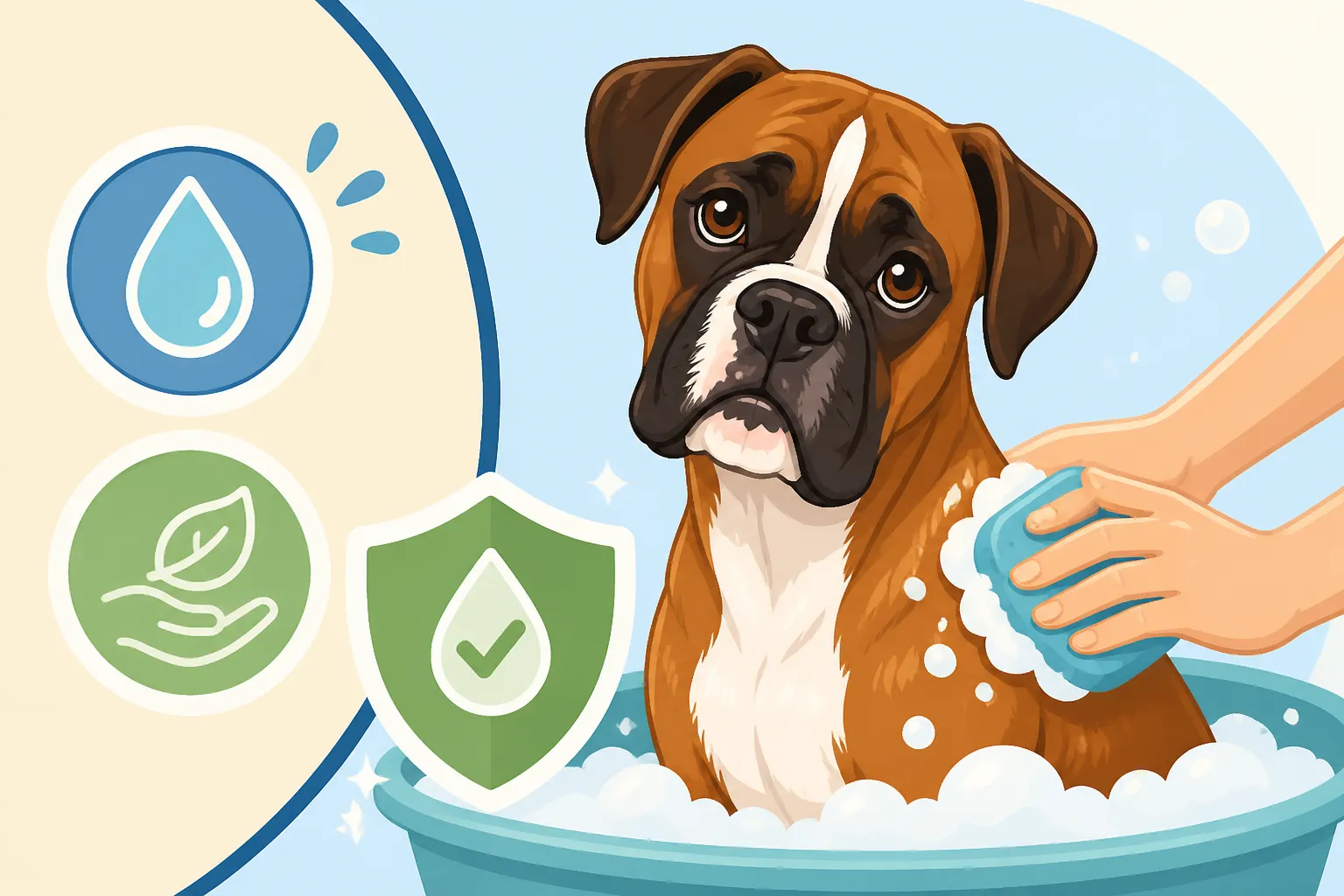
Once wet, apply a moderate amount of your chosen gentle shampoo. Distribute it evenly, working it into a lather with your fingertips. Use a gentle, massaging motion, paying special attention to areas prone to dirt and odor, like their armpits, paws, and around their tail. Don't forget their neck and chest. For the skin folds around their muzzle, gently wipe them with a separate damp cloth and perhaps a tiny bit of diluted shampoo, ensuring you rinse them very thoroughly afterward. There's no need to scrub vigorously; the goal is gentle cleansing. A good massage is often a soothing experience for your Boxer, turning bath time into a positive interaction.
Rinsing Thoroughly: The Most Crucial Step
I cannot stress this enough: thorough rinsing is perhaps the single most critical step in preventing post-bath skin irritation. Any shampoo or conditioner residue left on your Boxer's skin can become a significant irritant, leading to itching, flaking, and even skin infections. It's often the culprit behind those mysterious post-bath scratching fits.
Once you've lathered and massaged, begin rinsing. Again, use lukewarm water and a strong stream from a spray nozzle if possible. Rinse, and then rinse again. And then, just when you think you're done, rinse one more time. Pay extra attention to their armpits, groin, and between their toes, as these are common places for residue to hide. Squeeze their fur to check for suds, and if you see any, keep rinsing. You want the water running off their coat to be perfectly clear, with no bubbles or slickness. Many owners underestimate how much rinsing is truly required, but taking the extra five minutes here can save your Boxer days of discomfort.
Drying Your Boxer: Pat, Don't Rub
After the all-important rinsing, it's time to dry your Boxer. Resist the urge to aggressively rub them with a towel. Harsh rubbing can irritate sensitive skin and even damage the hair follicles. Instead, use several soft, absorbent towels and gently pat and blot their coat to remove excess water.
Start by squeezing the water from their legs and tail, then pat their body. Once they're no bit dripping, you can allow them to air dry in a warm, draft-free room. If you use a dog-specific forced-air dryer, ensure it's on a cool or low-heat setting and keep it moving constantly to prevent hot spots. Never use a human hairdryer on high heat, as it can easily burn your Boxer's delicate skin. It's especially important to ensure all the skin folds around their muzzle and jowls are completely dry, as lingering moisture in these areas can lead to yeast or bacterial infections. Drying a Boxer's Folds After a Bath offers more specific tips on this. A damp fold is an invitation for trouble.
Post-Bath Care: Locking in Moisture and Maintaining Skin Health
The bath might be over, but your commitment to your Boxer's skin health shouldn't end there. Post-bath care is crucial for locking in moisture, protecting their skin, and ensuring long-term comfort. It’s about creating a healthy skin environment that lasts beyond just one clean day.
Moisturizers and Sprays for Continued Skin Hydration
Even after a careful bath with gentle products and thorough rinsing, some Boxers might benefit from an extra layer of moisture. This is where pet-specific moisturizing sprays, leave-in conditioners, or balms come into play. These products are designed to replenish the skin's moisture barrier without leaving a greasy residue.
You can apply a moisturizing spray lightly over your Boxer's coat after they are completely dry, focusing on any areas that tend to get particularly dry or flaky. For very dry patches, like on elbows or hocks, a targeted balm formulated for dogs can be massaged in. When choosing these products, apply the same label detective skills you used for shampoo: look for natural, hypoallergenic ingredients and avoid artificial fragrances and harsh chemicals. These post-bath treatments act as a protective shield, helping to seal in the hydration and keep environmental irritants at bay, allowing your Boxer's skin to heal and thrive. Many such products are readily available for purchase on platforms like Chewy or Amazon.
The Role of Diet and Supplements in Long-Term Skin Health
While external care is vital, true skin health often starts from within. What your Boxer eats plays a massive role in the condition of their skin and coat. A diet rich in high-quality ingredients, particularly essential fatty acids, can significantly improve skin hydration and reduce inflammatory responses.
Look for dog foods that list a named meat source (e.g., chicken, lamb, salmon) as the first ingredient and contain healthy fats. Many Boxer owners find that supplementing their dog's diet with Omega-3 fatty acids, often in the form of fish oil, can make a noticeable difference in skin and coat quality. These fatty acids help to reduce inflammation and support the skin's natural barrier function, making it more resilient to external irritants. Always consult with your vet before introducing any new supplements, as they can recommend the appropriate dosage for your Boxer's specific needs. A healthy gut also contributes to healthy skin, so if your Boxer struggles with digestive issues, exploring Diet Changes for a Boxer With Colitis might also indirectly benefit their skin. Similarly, diving deeper into Fish Oil for a Boxer's Skin and Heart can provide more insights into how these supplements work.
Troubleshooting Common Post-Bath Skin Reactions
Despite your best efforts, sometimes skin issues persist or new ones pop up. It's important to know when to escalate your concerns and how to fine-tune your routine to prevent recurring problems.
When to Consult Your Vet About Persistent Dryness or Itching
If, even after implementing all the best bathing practices and using appropriate products, your Boxer continues to suffer from persistent dryness, flaking, excessive itching, or develops red, inflamed patches, it's definitely time to call your veterinarian. These symptoms can be indicators of underlying health issues that go beyond a simple reaction to shampoo.
Your vet can help rule out conditions such as environmental allergies, food allergies, parasitic infestations (even if you're on preventative medication, an occasional breakthrough can happen), fungal infections, or bacterial dermatitis. They might recommend specific diagnostic tests, like skin scrapings, cytology, or even an allergy panel. Sometimes, a Boxer's sensitivity can be a symptom of a larger systemic problem, and early diagnosis is key to effective management. For instance, sometimes gut issues can manifest as skin problems, so understanding things like Telling Boxer Colitis From Ordinary Diarrhea could be relevant in a broader health assessment. Don't delay seeking professional advice if home care isn't resolving the issue; your Boxer deserves to be comfortable.
Avoiding Over-Bathing: Finding the Right Frequency
One of the most common mistakes owners make when trying to address skin issues is over-bathing. The logic seems sound: if your dog is itchy, maybe they're dirty, so another bath will help, right? Unfortunately, for dogs with sensitive skin, too-frequent bathing, even with the gentlest products, can be detrimental. Each bath, no matter how mild, has the potential to strip some natural oils from the skin, and if done too often, the skin doesn't have enough time to replenish them.
For most Boxers, a bath every 4-6 weeks is often sufficient, unless they get particularly dirty or have a specific skin condition requiring more frequent medicated baths (under veterinary guidance). In between full baths, if your Boxer gets a little dirty but isn't truly filthy, consider spot cleaning with a damp cloth or a pet-specific cleansing wipe. This keeps them tidy without over-exposing their entire body to shampoo. Pay attention to your Boxer's individual needs. If you notice their skin drying out or becoming itchy after a particular bathing frequency, try extending the time between baths. Less can often be more when it comes to Boxer skin care.
Comparison of Shampoo Ingredients
To help you navigate the options on the pet store shelves or online, here's a quick comparison of ingredients to look for and those to avoid when selecting a shampoo for your Boxer's sensitive skin.
| Ingredient Category | What to Look For (Good) | What to Avoid (Bad) | Why It Matters for Boxers |
|---|---|---|---|
| Cleansing Agents | Coco-Glucoside, Decyl Glucoside, Lauryl Glucoside | Sodium Lauryl Sulfate (SLS), Sodium Laureth Sulfate (SLES) | Gentle, plant-derived cleansers won't strip natural oils; sulfates are harsh and irritating. |
| Moisturizers | Colloidal Oatmeal, Aloe Vera, Glycerin, Shea Butter, Ceramides | Alcohol (Ethanol, Isopropyl Alcohol) | Hydrate and soothe skin, support skin barrier; alcohol is extremely drying and irritating. |
| Fragrance | Natural essential oils (in small amounts, if tolerated), Unscented | Artificial fragrances, "Parfum" | Artificial scents are common allergens and irritants for sensitive skin; unscented is safest. |
| Preservatives | Vitamin E, Rosemary extract, Potassium Sorbate | Parabens (Methylparaben, Propylparaben), Formaldehyde-releasers | Natural preservatives reduce risk of irritation; synthetic parabens are controversial and can be irritating. |
| pH Balance | pH balanced for dogs (often stated on label) | Human shampoos (even "baby" shampoos), products not pH specified | Dog skin has a different pH than human skin; inappropriate pH disrupts the skin barrier. |
| Dyes | Dye-free | Artificial colors (FD&C dyes) | Dyes serve no purpose for skin health and are potential irritants and allergens. |
Disclaimer
This article is for general informational purposes only and does not constitute professional advice. Laws, prices and regulations vary by location and change over time. Consult a qualified professional for guidance on your specific situation.