How Long Cropped Boxer Ears Take to Stand
Bringing home a Boxer puppy with freshly cropped ears often comes with a mix of excitement and a little bit of anxiety about the "standing" process. You're probably looking at those little taped-up ears and wondering when they'll finally perk up on their own, a testament to the distinctive look you envisioned for your companion. This guide will walk you through the realistic timeline and dedicated care involved in getting those cropped Boxer ears to stand tall and proud.
The Ear Cropping Procedure and Initial Healing Period
Before we dive into how long it takes for cropped Boxer ears to stand, it's essential to understand the foundation: the cropping procedure itself and the critical first stage of healing. Ear cropping is a surgical procedure, performed by a licensed veterinarian, usually when a Boxer puppy is between 8 and 12 weeks old. The vet carefully shapes the ear leather, often using a template that considers the puppy's head shape and expected adult size. This isn't just a cosmetic choice; a good crop also considers the natural lay of the ear and how it will eventually stand.
After the surgery, your puppy will have sutures (stitches) and their ears will likely be bandaged or cast in some way to protect the incisions. This initial healing period is paramount. The goal here is to ensure the surgical sites heal cleanly and without infection. Your vet will provide specific instructions for pain management and keeping the ears dry and clean. It's a challenging time for new owners, as puppies are naturally curious and prone to trying to rub, scratch, or even shake their heads, which can disrupt the healing. You might be told to use an Elizabethan collar (the "cone of shame") to prevent them from interfering with the ears. Depending on your vet's preference and the puppy's healing, sutures are typically removed around 10 to 14 days after the surgery. This marks the end of the initial healing phase and the beginning of the crucial posting process.
Understanding the Role of Cartilage in Ear Standing
The ability of a Boxer's cropped ears to stand relies entirely on the strength and rigidity of the ear cartilage. Think of it like a tent pole. If the pole is strong and straight, the tent fabric (the ear leather) will stand up. If the pole is weak or crooked, the tent collapses. A Boxer's ears are naturally soft and floppy, but the cropping procedure removes a portion of the ear, reducing its weight and allowing the remaining cartilage to be trained to stand upright.
During the posting period, which we'll discuss next, you're essentially providing external support to help the cartilage stiffen and hold its new shape. The cartilage needs to harden and mature enough to support the ear on its own. This isn't an overnight process. It's a gradual strengthening, much like a muscle building up over time. Factors like genetics play a huge role here; some Boxers naturally have stronger, thicker cartilage that stands more easily, while others have finer, softer cartilage that requires more extensive and longer-term posting. This is why a reputable breeder will often be able to tell you about the ear standing history of their lines. You'll want to review The Health Screening a Boxer Breeder Owes You before you make any decisions.
The Posting and Taping Process
Once the sutures are out and the initial healing is complete, the real work of getting those ears to stand begins: the posting and taping process. This is where most owners spend the bulk of their time and effort. Posting involves carefully taping the ears to a support structure (often a foam backer rod, cotton rolls, or even tampons) to hold them in an upright position. The goal is to provide consistent support, allowing the cartilage to strengthen and "remember" its new upright shape.
The frequency and duration of posting are critical. Generally, ears are posted for about 4-7 days, then removed for a short "rest" period (sometimes just an hour or two, sometimes up to a full day, depending on the vet's advice) for cleaning and inspection, before being re-posted. This cycle continues for weeks, and often months. It's a commitment that requires patience and consistency. You'll need supplies like medical tape (often Zonas porous tape or similar, which allows the skin to breathe), ear cleaning solution, and the posting material itself. Many owners find a good online retailer like Chewy or Amazon useful for stocking up on these recurring supplies. Remember, the quality of your posting technique and the cleanliness of the ears between postings are just as important as the posts themselves.
Step-by-Step Guide to Basic Ear Posting
While your veterinarian or an experienced Boxer mentor should always demonstrate the posting technique specific to your puppy, here's a general overview of the steps involved. Please, please, please do not attempt this without professional guidance first. Improper posting can cause discomfort, skin irritation, or even damage the ears.
- Gather Your Supplies: You'll need your chosen posting material (e.g., backer rod, ear tampons), appropriate medical tape (often 1-inch Zonas tape), a good adhesive remover or skin prep wipe (like alcohol-free skin prep pads), ear cleaning solution, cotton balls or pads, and possibly some baby powder to help reduce irritation. You might also want a quiet, well-lit space where your puppy is comfortable.
- Clean the Ears: Before each re-posting, gently remove the old posts and thoroughly clean the ears. Use an ear cleaning solution and cotton balls to wipe away any dirt, wax, or dried skin cells. This is a crucial step to prevent infections and skin irritation. Make sure the ears are completely dry before you begin taping.
- Prepare the Post: Cut your backer rod or chosen material to the correct length, ensuring it fits snugly inside the ear canal without touching the eardrum. It should extend to just above the tip of the ear. Some people like to wrap the post with a thin layer of cotton or moleskin for extra padding.
- Insert the Post: Gently insert the prepared post into the ear canal. You want it deep enough to provide support from the base of the ear, but never force it or push it so far that it's uncomfortable for your puppy. The post should be standing upright in the ear.
- Tape the Ear to the Post: Starting at the base of the ear, close to the skull, wrap strips of tape around the ear and the post. You're aiming to secure the ear tightly to the post without constricting blood flow. The tape should be firm, but not so tight that it leaves indentations or causes swelling. Work your way up the ear, overlapping the tape slightly. Many techniques involve creating a "bridge" of tape between the two ears across the top of the head for added stability, especially in the early stages.
- Check for Comfort and Circulation: Once taped, gently pinch the tip of the ear. It should blanch (turn pale) and then quickly return to its normal color, indicating good circulation. Watch your puppy for signs of discomfort: excessive scratching, head shaking, or whining. If you notice any of these, the posts may be too tight, too loose, or improperly placed, and you should remove them and re-do them.
- Monitor Between Postings: Keep an eye on the ears daily. If they get wet, or if the tape starts to loosen or smell, remove the posts, clean, and re-post immediately. Allowing ears to stay in wet or dirty posts, or in posts that aren't providing proper support, can set back the whole process. Getting Cleaning a Cropped Boxer's Ears After Cropping right is critical.
Factors Influencing Ear Standing Time
The question of "how long" is tricky because there's no single answer. It's truly a "how long is a piece of string" situation, as so many variables come into play. However, understanding these factors can help you manage your expectations and ensure you're doing everything possible to help your Boxer's ears stand beautifully.
Puppy's Age and Ear Cartilage Development
The age at which the cropping is performed is significant. Puppies typically have their ears cropped between 8 to 12 weeks of age because their ear cartilage is still developing and pliable. It's easier to mold and train the cartilage at this younger age. The younger the puppy, generally the more resilient the cartilage and the faster it might respond to posting. Waiting too long can mean the cartilage has hardened in its natural floppy position, making it much more challenging, if not impossible, to achieve a stand.
The quality of the ear leather itself also plays a huge role. Some Boxers naturally have thicker, stronger cartilage, while others have thinner, softer cartilage. Thicker cartilage tends to stand up faster and with less effort. This is often a genetic trait, which is why a good breeder will be able to share information about the ear type in their lines.
Consistency of Posting and Aftercare
This is arguably the most critical factor. Diligent, consistent, and correct posting makes all the difference. If posts are left on too long, become wet or soiled, or are not providing adequate support, they are counterproductive. Each time the ears fall, even for a short period, it's like taking a step backward. The cartilage softens again, and you have to start rebuilding that strength.
Regular cleaning, proper taping technique (not too tight, not too loose), and promptly replacing loose or dirty posts are non-negotiable. Many owners find the process frustrating and time-consuming, but the reward of well-standing ears depends directly on this commitment. Think of it as a marathon, not a sprint. The duration your Boxer's ears need posting can range from as little as 3-4 months to as long as 9-12 months, or even occasionally longer for more challenging ears. For some, it becomes a part of the daily routine, like knowing The Weekly Skin Check Every Boxer Needs.
General Health and Nutrition
A Boxer's overall health and nutrition can indirectly influence ear standing. Healthy dogs with strong immune systems and good nutrient absorption are better equipped for wound healing and cartilage development. A balanced diet rich in protein, vitamins, and minerals supports healthy tissue growth. While no specific "ear-standing" supplement exists, ensuring your Boxer is thriving physically can only help. Some owners consider supplements like glucosamine and chondroitin for joint health, which some speculate might contribute to cartilage strength, but there's no scientific consensus on its direct impact on ear standing.
A healthy puppy also means less chance of complications like skin infections in the ears, which can delay or complicate the posting process. For general nutrition, brands like Ollie, known for their fresh, balanced meals, can contribute to overall canine wellness. However, always consult with your veterinarian before introducing any new supplements or making significant dietary changes, especially for a puppy.
Troubleshooting and When to Seek Expert Help
Even with the most diligent care, sometimes challenges arise during the ear-standing process. It's vital to know when a problem is just a minor setback and when it warrants professional intervention. Don't be afraid to reach out to your veterinarian or an experienced Boxer mentor if you have concerns. They've seen it all and can offer valuable guidance.
Common Problems and Solutions
- Skin Irritation/Rashes: This is one of the most common issues. It can be caused by tape adhesive, moisture trapped under the tape, or an allergic reaction.
- Solution: Ensure ears are thoroughly cleaned and completely dry before posting. Use an alcohol-free skin prep pad to create a barrier between the skin and the tape. Change posts more frequently if you suspect moisture is an issue. Try a different type of medical tape. If a rash develops, remove posts, clean the ears, apply a veterinarian-approved soothing cream (like hydrocortisone cream if prescribed), and let the ears air out for a day or two before re-posting with extra care.
- Weak Ear Tips/Pocketing: Sometimes the ear stands well at the base but the tip remains weak, or a "pocket" forms at the base of the ear, causing it to lean inward.
- Solution: This often requires a modification in posting technique. For weak tips, the post needs to extend slightly beyond the ear tip and be taped securely to provide full support. For pocketing, your vet or mentor might show you a "reverse" taping technique or suggest taping a small piece of cotton or foam inside the pocket to push it out. This is a common issue that often calls for specific, hands-on guidance from a pro.
- Posts Not Staying In/Falling Out: Energetic puppies, rough play, or improper taping can lead to posts coming out too quickly.
- Solution: Double-check your taping technique for security. Ensure the ear is clean and dry to allow the tape to adhere properly. Consider using a stronger adhesive tape, but always prioritize skin health. Limit rough play, especially with other dogs, during the posting period. Some owners find that a very light dusting of baby powder around the ear (avoiding the ear canal) can help with tape adherence on oily skin.
| Problem Area | Common Cause | Recommended Action |
|---|---|---|
| Skin Irritation/Rash | Moisture, adhesive reaction, tight tape | Clean and dry ears thoroughly. Use skin prep. Try different tape. Allow air exposure if rash present (vet guidance). |
| Posts Falling Out | Loose taping, wet ears, puppy activity | Re-evaluate taping technique (ensure firm, not too tight). Keep ears dry. Limit rough play. |
| Ears Not Standing After X Months | Insufficient posting, weak cartilage, improper technique | Seek veterinary or experienced Boxer mentor guidance immediately. Re-evaluate posting consistency and technique. Genetic predisposition may require longer posting. |
| Infection/Bad Odor | Bacterial growth, poor hygiene | IMMEDIATELY contact your veterinarian. Remove posts, clean gently. Infection requires professional treatment. |
When to Consult Your Veterinarian or a Professional Cropper
While minor issues can often be addressed at home with adjustments, certain situations always warrant a call to your veterinarian or the professional who performed the crop:
- Signs of Infection: Redness, swelling, pus, foul odor, heat from the ear, or your puppy showing signs of pain when the ear is touched. These are red flags and require immediate veterinary attention. An ear infection can derail the entire standing process and cause serious health issues.
- Persistent Irritation or Open Sores: If the skin irritation is severe, won't heal, or develops into open sores despite your best efforts, it's time for professional help. The skin needs to be healthy for successful posting.
- No Progress After Several Months: If you've been diligently posting for several months (say, 4-6 months) and see absolutely no progress toward the ears standing on their own, it's worth a consultation. Your vet can assess the cartilage and possibly suggest alternative posting methods or rule out underlying issues. Sometimes, a different type of post or taping technique is all that's needed.
- Damage to the Ear: Any accidental tear, cut, or significant trauma to the ear should be examined by a vet immediately.
Remember, your vet is your best resource throughout this journey. They can provide personalized advice, demonstrate techniques, and address any health concerns. Don't hesitate to reach out for guidance, no matter how small the question might seem. They want to see your Boxer's ears stand just as much as you do! For a look at the costs associated with the entire process, you may want to read Boxer Ear Cropping Costs and Where It Is Regulated.
The Realistic Timeline for Standing Ears
So, how long does it really take? The truth is, there's a wide spectrum, and it's less about a fixed number of weeks and more about consistent effort until the cartilage is strong enough.
Average Timeframes and What to Expect
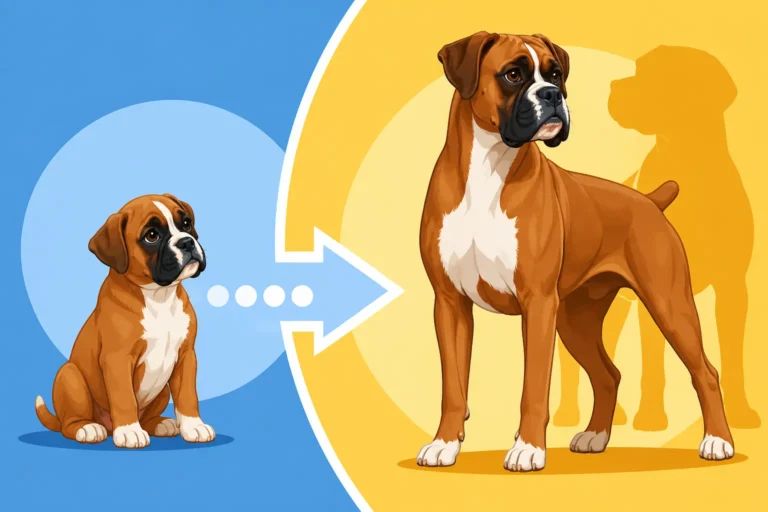
For most Boxers, the posting process typically lasts anywhere from 3 to 9 months, starting from when the sutures are removed. Some ears, particularly those with naturally stronger cartilage or that receive impeccable, consistent care, might stand sooner, possibly within 2-3 months. On the other end of the spectrum, some Boxers with softer ear leather, or those who experience setbacks like infections or inconsistent posting, might require posting for a year or even longer. It's not uncommon to hear of Boxers still being posted at 10-12 months of age.
It's also important to remember that the ears don't just "pop up" one day and stay that way forever. Often, they will gradually get stronger. You might notice them standing for longer periods between postings, or only needing support for shorter intervals. Some owners find that one ear stands faster than the other, which is also normal and just means one side might need a little extra attention.
Long-Term Maintenance and Checking for Relapses
Even after your Boxer's ears appear to be standing perfectly on their own, it's a good idea to keep an eye on them for a few more months. Teething, growth spurts, or even periods of stress or illness can sometimes cause ears to "fall" or weaken temporarily. If you notice an ear starting to droop, don't panic. Simply re-post it for a week or two, and often it will regain its strength. It's often easier to correct a slight relapse than to start over if the ears have been down for a long time.
Some Boxer owners will keep a few posting supplies on hand for these occasional touch-ups, even well after the main posting period is over. Think of it as periodic maintenance rather than a failure of the initial process. The most important thing is to be patient, persistent, and to enjoy the journey with your unique Boxer. Remember, the goal is a healthy, happy dog, and their cropped ears are just one aspect of their striking appearance. And if you're ever concerned about your Boxer's health, including their ears, always reach out to your veterinarian. They are your best partner in ensuring your Boxer thrives.
Disclaimer
This article is for general informational purposes only and does not constitute professional advice. Laws, prices and regulations vary by location and change over time. Consult a qualified professional for guidance on your specific situation.