Tear Staining Under a Boxer’s Eye
One of the common, yet often frustrating, cosmetic concerns Boxer owners face is tear staining under their dog's eyes. It's not just about aesthetics; those reddish-brown streaks can sometimes signal underlying health issues or lead to skin irritation if left unaddressed. This guide is here to help you navigate the world of Boxer tear staining, from understanding its causes to implementing effective cleaning routines and knowing when to seek professional help, so your beloved Boxer can look and feel their best.
Understanding What Causes Tear Staining in Your Boxer
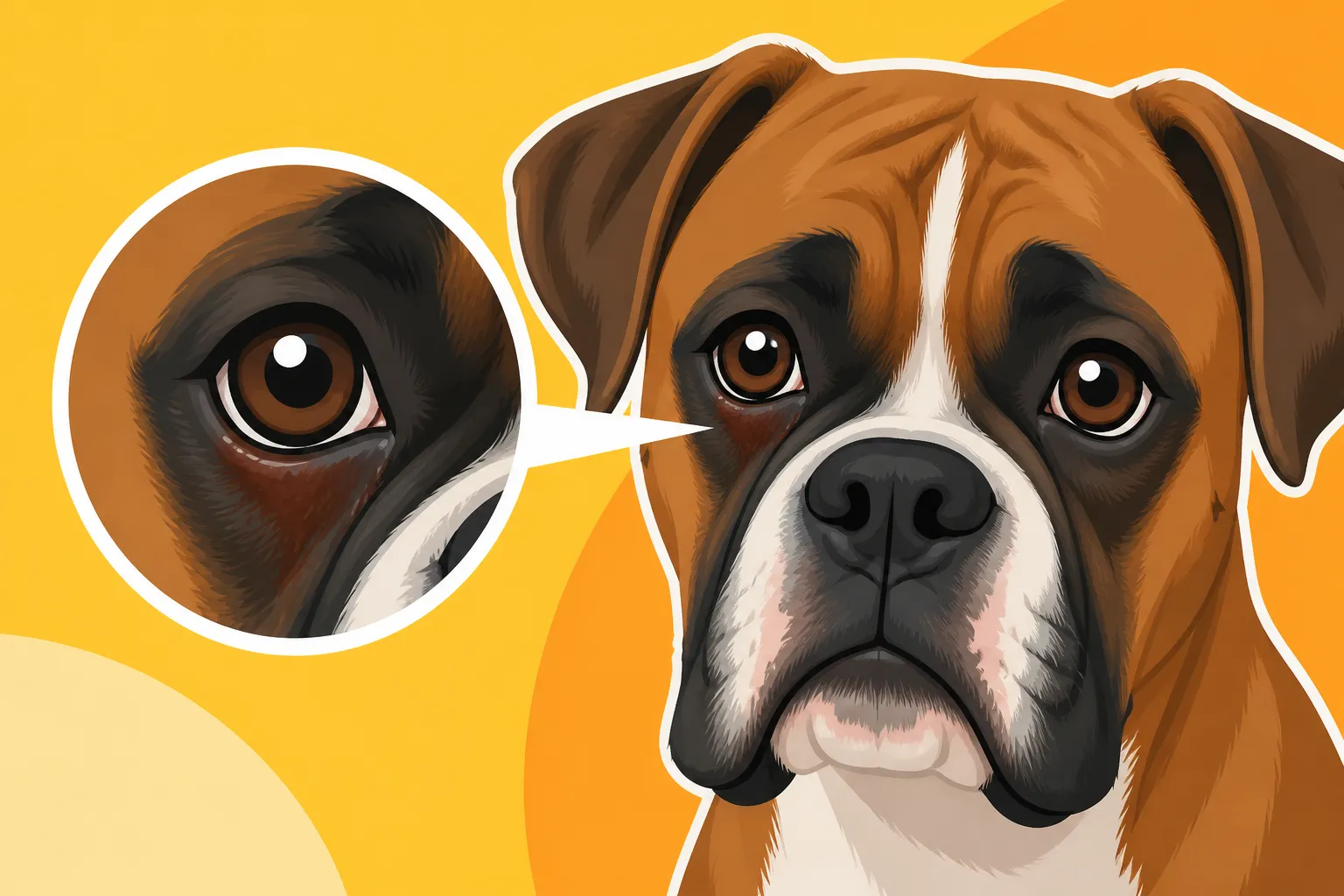
It’s easy to look at those rust-colored streaks on your Boxer's face and think it’s just something that happens, especially with their unique facial structure. But tear staining, medically known as epiphora, is actually caused by an overflow of tears that aren't draining properly, leading to moisture and a breeding ground for yeast and bacteria. This combination creates that tell-tale reddish-brown discoloration, particularly noticeable on lighter-colored Boxers. It can be a nuisance, leaving you constantly wiping, but it can also be a sign that something deeper is going on.
The Anatomy of a Boxer's Eye and Tear Ducts
Boxers, like many brachycephalic (short-nosed) breeds, have a facial structure that predisposes them to certain eye issues. Their relatively flat faces mean their eyes can sometimes protrude a bit more, and their tear ducts, which are supposed to drain tears into the nasal cavity, can be a little kinked or compressed. Imagine trying to drain a sink when the pipe is bent; the water just backs up. This anatomical quirk often means that even healthy tears might not drain as efficiently as they should.
Normal tear production is essential for lubricating the eye and washing away debris. Tears are produced by glands, distributed over the eye with each blink, and then collected by tiny openings called puncta, located in the inner corner of the eyelids. From there, they travel down the nasolacrimal ducts into the nose and throat. When this delicate system is working perfectly, you rarely see tears spilling over the eyelid margin. However, in a Boxer, that path can be a bit of a maze, sometimes making it harder for tears to flow smoothly. The folds of skin around their eyes and muzzle can also trap moisture, making the problem worse even if tear production is normal. This unique facial conformation, while giving them their beloved expressive look, can unfortunately set the stage for persistent dampness and subsequent staining.
Common Culprits Behind Excessive Tearing
Beyond the anatomical predisposition, a host of factors can contribute to your Boxer's eyes watering more than they should. Pinpointing the exact cause can be a bit of detective work, often requiring observation and sometimes professional insight. It’s important not to just assume it's "just a Boxer thing" when persistent tearing is happening, as it could be indicative of an underlying issue that needs attention.
Allergies are a huge contender. Just like people, dogs can suffer from environmental allergies to pollen, dust mites, or even certain ingredients in their food. When your Boxer is exposed to an allergen, their body can react with itchy eyes, which then leads to more rubbing and tearing. Sometimes it's seasonal, other times it's year-round, depending on the trigger. Irritants in the environment, even if not true allergens, can also make eyes water. Think about strong cleaning product fumes, smoke from a fireplace, or even a very dusty house. These can all act as direct irritants to the delicate tissues of the eye, causing them to water in an attempt to flush out the offending substance. Keeping your home environment clean and free of harsh chemicals can go a long way in managing this.
Blocked tear ducts are another frequent issue. Sometimes these ducts can become partially or completely obstructed by debris, inflammation, or even scarring. If the tears can't flow down the normal channel, they'll simply overflow onto the face. Infections, both bacterial and fungal, can also play a significant role. The constant moisture under the eyes creates a perfect warm, damp environment for yeast (like Malassezia) and bacteria to thrive. This isn't just a byproduct of the tears; sometimes a primary infection can cause inflammation and excessive tearing itself. Keeping an eye out for any unusual discharge, redness, or discomfort in your Boxer's eyes is crucial. For more serious eye concerns, you might want to read about Boxer Eye Problems and Corneal Ulcers.
Diet and Water Quality: Unsuspected Contributors
You might be diligently wiping your Boxer's face every day, but have you ever considered what they're eating and drinking? Diet and even the water from your tap can be surprisingly significant factors in tear staining. It’s often overlooked, but making a few adjustments here can sometimes yield remarkable results.
Certain ingredients in dog food can act as allergens or simply create a systemic inflammatory response that manifests as teary eyes. Common culprits include chicken, beef, corn, wheat, and soy. If your Boxer is sensitive to one of these, their body might react with increased tear production and inflammation around the eyes. Switching to a novel protein diet – think lamb, duck, or venison – or a limited ingredient diet can sometimes reduce this inflammatory response. Brands that offer high-quality, limited-ingredient formulas can be found on sites like Chewy or from specialized fresh food providers like Ollie. The goal is to eliminate potential irritants from their internal system, allowing their body to calm down. It's not a quick fix; dietary changes often take several weeks to show a noticeable difference, so patience is key. For a deeper dive into how diet can affect your Boxer, consider reading Diet Changes for a Boxer With Colitis, as many principles of sensitive gut care can apply to other inflammatory responses.
Beyond food, the water your Boxer drinks can contribute to tear staining. Tap water in many areas is high in minerals like iron and magnesium. When these minerals are present in tears that dry on your Boxer's fur, they can oxidize and leave those stubborn reddish-brown stains. Think about the rust stains in your sink if you have hard water; it's a similar principle. Filtering your Boxer’s drinking water can sometimes make a difference. Using a reverse osmosis filter or simply offering bottled water can reduce the mineral content. While it might seem like a small detail, these cumulative factors can really add up, so addressing both diet and water quality could be a game-changer for your Boxer's tear stains.
Diagnosing and Differentiating Tear Staining Issues
When those reddish streaks persist, or if you notice your Boxer seems genuinely uncomfortable, it's time to put on your detective hat and possibly involve your veterinarian. Tear staining isn't always just a cosmetic issue; it can be a visible symptom of something more serious going on with your dog's eyes or overall health. Ignoring it could lead to ongoing discomfort or worsening of an underlying condition.
When to See the Vet for Tear Staining
Knowing when to transition from home remedies and diligent wiping to a professional veterinary consultation is crucial. While a little bit of staining might just be a regular part of having a Boxer, certain signs should immediately prompt a call to your vet. Don't hesitate if you see any of these red flags, as early intervention can make a significant difference in your Boxer's comfort and long-term eye health.
If you notice any signs of pain or discomfort in your Boxer, such as rubbing at their eyes, squinting, holding an eye partially or fully closed, or excessive blinking, that's a clear signal something is wrong. Redness in the white part of the eye (sclera) or around the eyelids is also a concern. Similarly, if the discharge changes from clear tears to something cloudy, yellowish, or greenish, it suggests a possible infection that needs immediate attention. Swelling around the eye or eyelids, or if one eye is significantly worse than the other, also warrants a vet visit. You should also be vigilant during your The Weekly Skin Check Every Boxer Needs and specifically examine the eye area. Sometimes, a foreign body, like a piece of grass or even an errant eyelash, can cause intense irritation and tearing. Your vet has the tools and expertise to safely remove such irritants and assess any damage they may have caused. Essentially, any abrupt change in the nature of the tearing or your Boxer's demeanor regarding their eyes should be taken seriously.
Veterinary Examinations and Diagnostic Tests
When you bring your Boxer to the vet for tear staining, they won't just glance at their face and make an assumption. A thorough eye examination is essential to rule out various causes, and sometimes, a few diagnostic tests might be needed to get to the bottom of the issue. This isn't about running up a bill; it's about making sure your Boxer's vision and comfort aren't compromised by an easily treatable problem.
Your veterinarian will typically start with a comprehensive physical exam, paying close attention to your Boxer's head and neck, looking for anything unusual that might be affecting the eyes. For the eyes specifically, they will use an ophthalmoscope to examine the internal structures of the eye and ensure there are no signs of inflammation, injury, or underlying disease. One common test is a fluorescein stain test, where a special orange dye is applied to the eye. This dye adheres to any abrasions or ulcers on the cornea, showing up bright green under a blue light, allowing the vet to detect conditions like corneal ulcers that could be causing excessive tearing and discomfort. They will also assess your Boxer for conditions like entropion (inward rolling eyelids) or ectropion (outward rolling eyelids), which are common in many breeds and can cause irritation or poor tear drainage.
Another important step is a Schirmer Tear Test, which measures tear production to see if your Boxer is producing too many tears or, conversely, suffering from dry eye, which can sometimes paradoxically lead to excessive watery discharge as the eye tries to compensate for dryness. Finally, to check for blocked tear ducts, your vet might perform a tear duct flush. This involves gently flushing saline solution through the puncta to see if it exits through the nose, confirming patency or identifying a blockage. Sometimes, a sample of the discharge might be taken for cytology or culture to identify any bacterial or yeast infections. Each step helps piece together the puzzle, leading to a targeted and effective treatment plan.
Ruling Out Other Eye Conditions
While tear staining is a common cosmetic annoyance, it's crucial to remember it can be a symptom of various underlying eye conditions that need proper diagnosis and treatment. Your vet's job isn't just to stop the stains, but to ensure your Boxer's eyes are truly healthy. There are several conditions that can either mimic tear staining or exacerbate it, and ruling them out is a vital part of the diagnostic process.
One common condition to rule out is conjunctivitis, which is inflammation of the conjunctiva, the membrane lining the inside of the eyelids and covering the white part of the eyeball. This can be caused by allergies, bacteria, viruses, or irritants, leading to redness, swelling, and increased watery or sometimes mucous discharge. Similarly, "dry eye," or keratoconjunctivitis sicca (KCS), can paradoxically cause excessive tearing. When the eye isn't producing enough quality tears, it tries to compensate by producing more watery discharge, which then leads to staining. This condition requires specific medication to stimulate tear production, not just cleaning.
Foreign bodies, as mentioned before, are notorious for causing sudden, intense tearing in one eye. A tiny piece of dust, a seed, or an eyelash can cause significant irritation. Your vet will carefully examine the eye, sometimes using magnification, to ensure nothing is lodged in there. Even something like an abnormally growing eyelash (distichiasis or ectopic cilia) can constantly rub against the cornea, causing chronic irritation and tearing. These tiny hairs can be difficult to spot without proper equipment. By systematically checking for these and other conditions, your vet ensures that the tear staining isn't merely a cosmetic issue but a visible warning sign of a problem that could impact your Boxer's vision and comfort if left unaddressed.
Practical Strategies for Managing and Preventing Tear Staining
Once you’ve ruled out serious medical issues with your vet, the real work of managing and preventing tear staining begins. This often involves a multi-pronged approach combining diligent cleaning, dietary considerations, and environmental adjustments. It’s about creating a holistic routine that supports your Boxer’s health from the inside out and the outside in. Consistency is your best friend here; sporadic efforts rarely yield lasting results.
Daily Cleaning Regimens and Products
Establishing a consistent daily cleaning routine is paramount for managing tear stains. The key is to prevent the moisture from sitting on the fur and creating that ideal breeding ground for yeast and bacteria, which are responsible for the dark, unsightly discoloration. Neglecting this step can lead to skin irritation or even secondary infections in the damp folds around your Boxer's eyes.
Start by gently wiping the area under your Boxer's eyes at least once, and ideally twice, daily. Use a soft, clean cloth or a cotton pad dampened with plain warm water. Many owners find sterile saline solution, similar to what's used for contact lenses, to be even more effective as it's formulated to be gentle on eyes. Avoid using harsh soaps, hydrogen peroxide, or human eye-care products unless specifically directed by your vet, as these can irritate your dog’s sensitive skin and eyes. There are also many commercial tear stain wipes and solutions designed for dogs. When selecting these, look for products that are free from antibiotics (unless prescribed by your vet) and harsh chemicals. Brands available on Amazon or at local pet stores often offer gentle, natural options. Always read the ingredients carefully and patch test a small area first to ensure your Boxer doesn't have a reaction.
When cleaning, be gentle but thorough. Wipe away any wetness, crust, or discharge from the inner corner of the eye outwards. Make sure to get into the folds of skin around their muzzle if those areas are also damp. After wiping, gently pat the area dry. Keeping the area dry is just as important as cleaning it. Some owners even use a tiny amount of cornstarch or specialized drying powder (make sure it's non-toxic and vet-approved) to help absorb moisture, though this should be used sparingly and carefully to avoid getting powder in the eye. Regularly trimming the hair around your Boxer's eyes, if it's long enough to wick tears onto the face, can also help keep the area drier. For a comprehensive daily approach to eye hygiene, you might want to look at Cleaning a Boxer's Eyes Daily.
Dietary Adjustments and Supplementation
What goes into your Boxer’s bowl can have a significant impact on tear staining. As we discussed, diet can be an underlying factor, either through allergic reactions or by contributing to systemic inflammation. Making thoughtful adjustments to their food and considering certain supplements can often lead to a reduction in tear production and, consequently, less staining. It requires a bit of experimentation, but the payoff for your Boxer’s comfort and appearance can be huge.
If you suspect food sensitivities are contributing to the problem, the first step is often an elimination diet. This involves feeding a novel protein source – one your Boxer has never eaten before, like duck, rabbit, or venison – along with a single carbohydrate source for a period of 8-12 weeks. During this time, absolutely no other treats, chews, or flavored medications should be given. You can find excellent quality novel protein or limited ingredient diets from reputable pet food retailers like Chewy, or explore fresh, pre-portioned options from companies like Ollie. The idea is to reset your Boxer's system and see if the tearing subsides. If it does, you can then slowly reintroduce ingredients one by one to identify the culprit. Many Boxers thrive on such diets, and it can help with other sensitivities too, such as Boxer Colitis and the Young Dogs It Hits.
Beyond basic dietary changes, certain supplements can be beneficial. Probiotics, for example, support gut health, and a healthy gut often translates to a healthier immune system and reduced inflammatory responses, which can include fewer allergies and less tearing. Omega-3 fatty acids, found in fish oil, are also powerful anti-inflammatories that can improve skin and coat health, and potentially reduce inflammation around the eyes. Ensure any supplements you choose are high-quality and vet-approved. Remember to consider your Boxer’s overall nutritional needs; you want to ensure they are getting a balanced diet that helps them stay lean and muscular, which is vital for their general well-being. This can be complex, so discussing any major dietary overhauls or supplement additions with your veterinarian is always a good idea. For a general understanding of proper nutrition, see Feeding a Boxer to Stay Lean and Muscled.
Environmental Controls and Lifestyle Changes
Sometimes, the solution to tear staining lies not in a pill or a special wipe, but in carefully managing your Boxer’s immediate environment. Our homes and daily routines can contain numerous hidden irritants that contribute to excessive tearing. By taking a proactive approach to environmental control, you can significantly reduce the triggers that cause your Boxer’s eyes to water.
Start by identifying potential airborne irritants. Dust is a big one. Regular vacuuming, dusting, and changing air filters in your home can reduce the amount of dust circulating, which can minimize eye irritation. If you use scented candles, air fresheners, or strong cleaning sprays, consider switching to unscented or natural alternatives. These can often be too harsh for a Boxer's sensitive respiratory system and eyes. Smoke, whether from cigarettes, fireplaces, or outdoor burning, is another significant irritant that should be avoided around your Boxer. Think about the overall air quality in The Household a Boxer Actually Needs.
Water quality, as discussed earlier, plays a role. If you haven't already, consider giving your Boxer filtered water. A simple Brita filter pitcher or a filter attachment for your tap can make a difference. This reduces the mineral content in their tears, which lessens the reddish-brown oxidation on their fur. Also, pay attention to their bowls: plastic bowls can sometimes harbor bacteria and yeast, which can contribute to irritation. Switching to stainless steel or ceramic bowls and washing them daily can help. Finally, ensure any grooming products you use are gentle and appropriate for dogs. Even shampoos and conditioners used for baths could potentially run into their eyes and cause temporary irritation, so always choose tear-free dog-specific formulas when giving your Boxer a wash, and always rinse thoroughly.
Long-Term Outlook and When to Consider Further Intervention
Dealing with tear staining in a Boxer can sometimes feel like an endless battle, especially when you've tried everything. It's important to set realistic expectations and understand that for some Boxers, a certain degree of maintenance will always be necessary due to their unique anatomy. However, knowing when to accept it as a manageable cosmetic issue versus when to pursue more aggressive intervention is key to ensuring your Boxer’s long-term health and comfort.
Living with Persistent Tear Staining
After exploring all the common avenues – regular cleaning, dietary adjustments, and environmental controls – you might still find that your Boxer has some degree of tear staining. For many Boxer owners, this is simply a part of living with the breed. Their adorable brachycephalic faces, while part of their charm, do come with these anatomical predispositions. The goal then shifts from complete eradication to effective management, ensuring the staining doesn't lead to secondary problems.
It’s about maintaining a proactive routine rather than seeking a magical cure. This means continued daily wiping, ensuring the area stays dry, and regular monitoring for any signs of irritation or infection. Embrace the tools that work for you, whether it's specific gentle wipes found on Amazon, or simply a soft cloth and warm water. For some Boxers, a very minor, light stain that doesn't cause any skin irritation is simply their normal. The most crucial aspect is to differentiate between a purely cosmetic stain and one that is causing your Boxer discomfort. If the skin beneath the stain is red, inflamed, smells yeasty, or your Boxer is rubbing at the area, then your management strategy needs to be re-evaluated, potentially with vet guidance. For many, it becomes a routine akin to their daily Boxer Grooming on a Coat That Looks Like No Work – just another small but necessary part of keeping your Boxer healthy and happy.
Surgical Options for Severe or Anatomical Issues
In cases where tear staining is severe, persistent, causes chronic discomfort, or is directly linked to a confirmed anatomical problem, your veterinarian might discuss surgical intervention. This isn't a first resort but a consideration after all other less invasive methods have been thoroughly explored and proven ineffective. These procedures aim to correct the underlying structural issues that prevent tears from draining properly or that cause chronic irritation.
One common surgical procedure for Boxers is entropion correction. Entropion is when a section of the eyelid rolls inward, causing the eyelashes to rub against the cornea. This constant irritation leads to excessive tearing, pain, and can even cause corneal ulcers. Surgery involves removing a small piece of skin and muscle from the eyelid to turn it outwards, away from the eye. Another procedure might involve flushing or even minor surgical opening of blocked tear ducts if they are completely obstructed and causing significant overflow. In some very rare and extreme cases of severe facial folds causing constant moisture and skin infections that cannot be managed non-surgically, a procedure to remove or revise these folds might be considered.
It's vital to have a detailed discussion with your vet about the risks, benefits, and expected outcomes of any surgical option. They will assess if your Boxer's specific anatomy and condition warrant such an intervention. Keep in mind that any surgery, especially involving a brachycephalic breed, carries an Anesthesia Risk in a Flat-Faced Boxer, so your vet will conduct thorough pre-surgical evaluations. While surgery can be a significant step, for Boxers suffering from truly debilitating anatomical issues, it can provide immense relief and dramatically improve their quality of life, moving beyond just cosmetic benefits.
Regular Maintenance for a Happy, Healthy Boxer
Ultimately, managing tear staining in your Boxer is an ongoing commitment to their well-being. It’s not about finding a magic bullet, but rather integrating consistent, gentle care into your daily routine. Think of it as another facet of responsible Boxer ownership, much like ensuring they get enough exercise or feeding them a balanced diet. A happy, healthy Boxer is one whose needs are regularly met, and that includes eye care.
The foundation of long-term success lies in prevention and consistency. Continue with your daily or twice-daily cleaning regimen, using gentle products and keeping the area dry. Remain vigilant for any changes in tear volume, color, or the condition of the skin under their eyes. Your Boxer's eyes are delicate, and early detection of any issue can prevent it from escalating into something more serious. Regularly check the skin around their eyes and face during your Caring for a White Boxer's Skin or general grooming routine, as this can give you clues about potential irritation or infection.
Regular veterinary check-ups are also crucial. Even if the tear staining seems purely cosmetic, your vet can monitor your Boxer's eye health, re-evaluate their tear ducts, and address any subtle issues before they become significant problems. They can also offer updated advice on products or strategies. Living with a Boxer means embracing their unique characteristics, and their expressive eyes are a huge part of that. By providing consistent, loving care and staying informed, you can keep those beautiful Boxer eyes clear, comfortable, and free from excessive staining, ensuring your companion leads a vibrant and healthy life.
Disclaimer
This article is for general informational purposes only and does not constitute professional advice. Laws, prices and regulations vary by location and change over time. Consult a qualified professional for guidance on your specific situation.