Fawn Boxers and Their Shades
It’s easy to look at a Boxer and just see “fawn,” but if you’ve ever paid closer attention, you know there’s a whole spectrum of gorgeous golden, reddish, and sometimes almost creamy tones that fall under that single umbrella term. This guide is here to untangle the nuances of fawn Boxer colors, from the palest gold to the deepest mahogany, helping you understand what makes each shade unique and how they fit into the broader Boxer world.
Understanding the Fawn Boxer Color Gene
When we talk about a Boxer being "fawn," we're actually looking at a specific genetic blueprint that dictates the base color of their coat. It's more than just a descriptor; it's a fundamental part of their genetic makeup that contributes to their distinctive appearance. This isn't just about what meets the eye, but the intricate science behind it.
The Genetic Basis of Fawn
At its heart, the fawn color in Boxers is a manifestation of the 'A' locus and the 'ky/ky' genotype. Without getting too bogged down in genetic jargon, think of it this way: a fawn Boxer carries genes that essentially produce red pigment. The intensity of this red pigment is what creates the various fawn shades. What's crucial here is the absence of the dominant black gene ('K'). If a Boxer inherited even one copy of the dominant black gene, they wouldn't be fawn; they'd be brindle or potentially solid black (though solid black is not a recognized Boxer color). So, fawn is fundamentally a non-black, red-based coat color. It's the default "red" setting before any brindle stripes are added or removed, or before other modifiers kick in.
This genetic makeup means that a fawn Boxer will always have a base color derived from phaeomelanin, the pigment responsible for red and yellow tones. Different genes then act as volume controls on this pigment, turning the "red" up or down to create the diverse shades we adore. It’s why you can see such a variety, from a light, almost sandy tone to a rich, warm rust, all falling under the banner of "fawn." Understanding this underlying genetic foundation helps us appreciate the beautiful variety even within what seems like a single color.
How Pigment Intensity Works
The actual shade of fawn a Boxer displays is then determined by what's known as polygenic inheritance, meaning multiple genes work together to influence the intensity of that red pigment. It's not just one switch; it's a whole panel of sliders. This is why you don't just see "fawn" and "not-fawn"; you see a vast spectrum. Some Boxers have genes that dial down the red pigment, resulting in a very pale, almost champagne-colored fawn. Others have genes that crank it up, leading to a deep, burnished mahogany that practically glows with reddish undertones.
This creates a beautiful, continuous gradient rather than neatly defined boxes. You might see littermates where one is a light golden fawn and another is a much richer, darker fawn, all from the same parents who carry similar base color genes. It's a testament to the complex interplay of genetics, and it’s why no two fawn Boxers are truly identical in their exact coloring, even if they share the same general hue. This variability also means that when you’re looking at puppies, their ultimate adult shade of fawn can sometimes be a bit of a surprise, as pigment can deepen slightly as they mature.
The Spectrum of Fawn Shades in Boxers
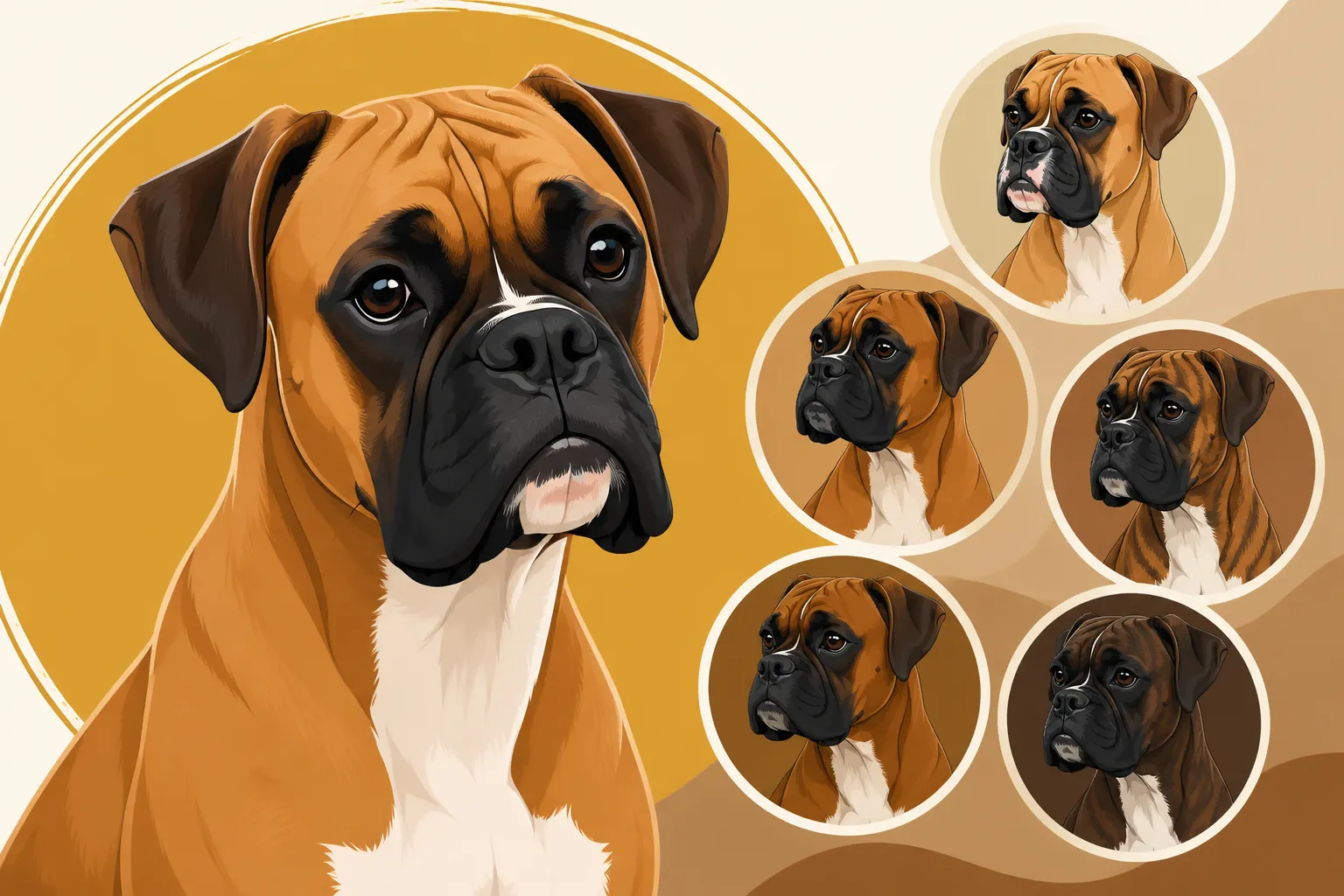
Fawn isn't just one color; it's a beautiful rainbow of warm tones, each with its own charm. From the lightest creams to the deepest reds, every shade tells a story of genetic expression and contributes to the Boxer's unique appeal.
Light Fawn: Golden and Pale Cream
Imagine the color of toasted marshmallows or a soft, golden wheat field under the summer sun – that's often what a light fawn Boxer brings to mind. These dogs exhibit a coat color that leans towards pale gold, sometimes even appearing creamy. They might have very minimal or no black mask, which further enhances their lighter appearance. These lighter shades can sometimes cause a moment of confusion for new owners or those less familiar with the breed, as they might be mistaken for "white" Boxers, though genetically they are entirely different, carrying full pigment in their skin, eyes, and nose. Why a White Boxer Cannot Be Shown explains the distinctions.
The beauty of a light fawn Boxer lies in its delicate glow. Their coats often have a subtle shimmer, especially in natural light. Owners of light fawns often find that their dogs stand out, possessing an almost ethereal quality. It's important to remember that this paler shade doesn't signify any lack of health or deviation from the breed standard, as long as it falls within the accepted range. However, just like fair-skinned humans, lighter-coated Boxers, especially those with less masking around the nose, may be a bit more sensitive to intense sunlight, making Sunscreen Safe for a White Boxer a relevant read for all light-colored Boxers.
Medium Fawn: Classic "Deer Red"
When most people picture a fawn Boxer, they're likely imagining the medium fawn, often described as "deer red" or a classic reddish-tan. This is arguably the most recognizable and widespread shade of fawn, embodying the quintessential Boxer look. It’s a warm, rich color that evokes images of autumn leaves or a well-worn leather armchair, full of depth and character. This is the color that often graces breed standard illustrations and is a popular choice among enthusiasts.
This "classic" fawn typically comes with a well-defined black mask, which dramatically enhances the contrast and highlights the Boxer's intelligent and expressive face. The medium fawn provides a perfect backdrop for the powerful musculature and elegant lines that define the breed. It’s a versatile color that looks stunning in any setting, whether bounding through a park or relaxing by the fireplace. This shade perfectly balances vibrancy with an understated elegance, making it a beloved choice for many Boxer families. It truly captures the essence of the "fawn" in the Boxer breed.
Dark Fawn: Mahogany and Red Fawn
Now, let’s talk about the Boxers that bring the heat with their coat color – the dark fawns, often referred to as mahogany or deep red fawn. These are the Boxers whose coats are so saturated with pigment that they approach a rich, reddish-brown hue. At first glance, some might even briefly wonder if there's a touch of brindle, but upon closer inspection, you'll see a solid, uniform color without the distinct stripes that characterize brindle Boxers. What Makes a Boxer Brindle or Reverse Brindle delves into the genetics of those stripes.
A dark fawn Boxer often has an incredibly striking appearance, exuding strength and presence. Their deep coloring is frequently paired with a very strong, extensive black mask that extends further up the muzzle and sometimes even around the eyes, creating a dramatic and intense expression. This rich color can sometimes appear almost velvety, absorbing light in a way that highlights the Boxer's sculpted physique. These shades are highly prized by many for their sheer intensity and the way they showcase the breed’s powerful conformation. If you're looking for a Boxer with a truly "stop-you-in-your-tracks" kind of color, the mahogany fawn is definitely it.
| Fawn Shade Category | General Appearance | Mask Characteristics | Common Perception |
|---|---|---|---|
| Light Fawn | Pale gold, cream, champagne, almost white in certain lights | Minimal or absent black mask, sometimes a light "smoky" mask | Elegant, delicate, sometimes mistaken for white |
| Medium Fawn | Classic reddish-tan, "deer red," warm caramel | Well-defined black mask, varying in extent | Quintessential Boxer color, balanced, traditional |
| Dark Fawn | Deep red-brown, mahogany, rich rust | Strong, extensive black mask, often covering more of the face | Striking, intense, powerful, sometimes mistaken for brindle |
The Role of the Black Mask
The black mask is an iconic feature of many Boxers, and it plays a significant role in defining the overall look of a fawn Boxer. It’s not just an accessory; it’s an integral part of their genetic presentation, adding depth and contrast to their beautiful fawn coats.
Why Some Fawn Boxers Have Masks and Others Don't
The presence, absence, and extent of a black mask on a Boxer's face are all determined by a specific gene called the 'Em' gene, part of the Extension locus. Think of it as a genetic switch that tells the pigment-producing cells to deposit black pigment on the muzzle and sometimes around the eyes and ears. If a Boxer inherits at least one dominant 'Em' gene, they will have a mask. The actual expression of this mask can vary significantly, from a faint dusting of black to a deep, extensive coverage that makes their face look as though it's been dipped in charcoal.
Conversely, Boxers that inherit two copies of the recessive 'e' allele at the Extension locus ('e/e') will not have a black mask at all. These are often referred to as "self-masked" Boxers, meaning their muzzle is the same fawn color as the rest of their body, or perhaps only slightly darker due to shading rather than black pigment. This genetic difference explains why you can see such variation even within a litter of fawn puppies. The mask provides a striking contrast against the fawn coat, enhancing facial expressions and drawing attention to their intelligent eyes. Without a mask, the face can appear softer and more uniform, which some owners adore.
Mask Variations: Partial, Full, and Faded
The 'Em' gene isn't just a simple on-off switch; it allows for a spectrum of masking. You'll encounter Boxers with what's called a partial mask, where the black pigment is concentrated around the nose and lips, perhaps subtly extending up the muzzle. This can create a charming, understated look. Then there are those with a full mask, where the black covers a significant portion of the muzzle, sometimes reaching up between the eyes and even lightly dusting the cheeks or ear tips. This dramatic mask truly highlights the Boxer's strong facial features and is often associated with the classic Boxer appearance.
Beyond these common variations, you might also notice masks that appear faded or more like a smoky grey rather than a stark black, especially on lighter fawns. This can be influenced by other modifying genes or simply the overall intensity of pigment a particular Boxer carries. The extent and darkness of the mask can subtly alter how we perceive the underlying fawn shade. A light fawn with a strong black mask can appear more vibrant, while a dark fawn with a less intense mask might have a softer look. These variations in masking are part of the breed's diverse charm, and just like the fawn shades themselves, they contribute to the individuality of each Boxer.
White Markings and the "Flashy" Fawn Boxer
Beyond the beautiful fawn shades and the striking black masks, another key element that defines a Boxer's appearance is the presence and extent of white markings. These markings are genetically distinct from the base coat color but add another layer of visual appeal to our fawn companions.
Understanding White Markings in Boxers
White markings on a Boxer are caused by specific genes that control the distribution of pigment-producing cells during development. Essentially, where these cells fail to migrate, white hair grows. This is why you'll typically see white on areas like the chest, feet (often called "socks"), and as a blaze on the face. These are the last areas to receive pigment, so if there's not enough to go around, they end up white. It's a completely separate genetic mechanism from the genes that determine whether a Boxer is fawn or brindle, or masked or unmasked.
The amount of white can vary wildly, from just a tiny splash on the chest and a few white toes to extensive white coverage. Breeders carefully consider these markings, as the Boxer the Breed Standard Describes has specific allowances for white. Too much white can disqualify a Boxer from the show ring, but for a family pet, these markings simply add character. Whether your fawn Boxer has just a touch of white or a lot, these markings are a natural part of the breed's genetic heritage and are completely distinct from being a "white Boxer," which is a whole other topic.
What Makes a Fawn Boxer "Flashy"
The term "flashy" in the Boxer world isn't about personality (though Boxers are certainly flashy in spirit!) but about the amount of white markings on their coat. A "flashy" fawn Boxer is one that carries a significant amount of white, often exceeding the minimal white seen on a "plain" Boxer. Think of it as wearing extra "bling." Typically, a flashy Boxer will have extensive white on its chest, often forming a complete collar around the neck, a broad white blaze running up its face and between its eyes, and high white socks that might extend up the legs past the hocks and elbows.
These abundant white markings create a striking contrast against the fawn base coat, giving the dog a very eye-catching and, well, flashy appearance. It's a look that many people find incredibly appealing. While the breed standard has limits on the total percentage of white a show Boxer can have (usually no more than one-third of the total coat), flashy Boxers that fall within these limits are celebrated for their vibrant presentation. The term "flashy" is purely descriptive of this appearance, indicating a Boxer with a generous splash of white that beautifully complements their fawn or brindle base coat. What Flashy Means on a Boxer explores this in more detail.
Common Misconceptions and Breed Standard
Even seasoned Boxer owners can sometimes get tripped up by the subtle distinctions in color, especially when it comes to differentiating fawn from brindle, or understanding exactly what the breed standard permits. Let's clear up some of these common points of confusion.
Fawn vs. Brindle: A Clear Distinction
One of the most frequent points of confusion, especially for those new to the Boxer breed, is distinguishing between a dark fawn and a light brindle, or even a reverse brindle. Let's be unequivocally clear: fawn is a solid base color, albeit one that comes in various shades of red/tan. A fawn Boxer will have a uniform coat color across its body, though shading can occur. Brindle, on the other hand, is characterized by distinct black stripes running over a fawn base coat. Imagine tiger stripes – those are brindle.
The confusion often arises with "reverse brindle" Boxers. A reverse brindle Boxer has such heavy, broad black stripes that the fawn base color is only minimally visible, appearing almost like dark fawn or black with very thin fawn stripes. This can sometimes make them look almost solid black or very dark fawn at a glance. However, if you look closely, especially in good lighting, you will always be able to discern the underlying fawn base color and the separate, distinct black stripes. With a true fawn, you simply won't find those stripes. It's all about whether those stripes are present or not.
What the Breed Standard Says About Fawn
The American Kennel Club (AKC) breed standard, like those of other international Boxer clubs, is very clear about acceptable colors. Fawn is one of the two primary accepted base colors (the other being brindle). The standard acknowledges that fawn encompasses a range of shades, from light tan to mahogany. This means that whether your Boxer is a pale golden fawn or a deep reddish fawn, they are perfectly within the bounds of what the breed standard deems acceptable, provided other physical and temperament standards are met. This inclusive approach to fawn shades means breeders don't have to prioritize one shade over another for conformational shows.
However, the standard also has clear guidelines regarding white markings. While a "flashy" fawn Boxer with significant white is acceptable, there are limits. Generally, white markings should not exceed one-third of the entire coat. If a Boxer has too much white, they are typically disqualified from the conformation show ring, though they still make wonderful companions and family pets. Boxer Colors and the White Question delves into the historical and practical reasons for these white limits. The overall message is that the beautiful spectrum of fawn is celebrated, making each fawn Boxer a legitimate and cherished member of the breed, regardless of their specific hue.
Care Considerations for Fawn Boxers
While fawn Boxers don't require drastically different care than their brindle counterparts, there are a few considerations, especially regarding sun exposure and maintaining that gorgeous coat. A happy Boxer is a healthy Boxer, and attention to these details can make a big difference.
Sun Sensitivity and Skin Care
Just like humans, Boxers with lighter coat colors or less pigment in their skin can be more susceptible to the sun's harsh rays. This is particularly true for very light fawn Boxers, or those with minimal or no black mask, especially around the delicate skin of their nose and the thinnest parts of their coat. Excessive sun exposure can lead to sunburn, which is not only uncomfortable for your dog but can also increase the risk of skin damage over time. Protecting these areas is crucial, especially during peak sun hours in warmer climates.
Consider using a pet-safe sunscreen on exposed, less pigmented areas if your fawn Boxer is spending extended time outdoors, or try to schedule walks and outdoor play during cooler, less intense parts of the day. Regular Weekly Lump Checks on a Boxer are important for all Boxers, but especially for those with sun-exposed skin, as any changes should be brought to your vet's attention promptly. Ensuring your Boxer has access to shade and isn't overexposed is a simple but vital part of their overall health and comfort. You want that fawn coat to gleam, not to burn!
Coat Health and Appearance
A fawn Boxer's coat is naturally short, smooth, and typically shiny, giving the appearance of being low-maintenance. While they don't require elaborate grooming, consistent basic care is key to maintaining that signature healthy luster. A good diet is fundamental, as it supports overall skin and coat health. High-quality dog food, rich in essential fatty acids like Omega-3s, can significantly contribute to a gleaming coat. Supplements like Fish Oil for a Boxer's Skin and Heart can be beneficial for many Boxers, enhancing coat shine and supporting general wellness.
Regular brushing, even for a short-haired breed, helps to remove loose hair, distribute natural skin oils, and stimulate circulation. A rubber curry brush or a shedding blade works wonders on a Boxer's coat, keeping it sleek and minimizing shedding around the house. You can find excellent options for brushes and supplements on sites like Chewy that cater specifically to dog health and grooming. Occasional baths using a gentle, moisturizing dog shampoo will keep their coat clean without stripping natural oils. Remember, a healthy coat is a reflection of a healthy dog, so keep an eye on your Boxer's overall condition, including Reading a Boxer's Ribs and Waist to ensure they maintain a healthy weight that also contributes to coat quality.
Disclaimer
This article is for general informational purposes only and does not constitute professional advice. Laws, prices and regulations vary by location and change over time. Consult a qualified professional for guidance on your specific situation.