The Year the First Boxer Was AKC Registered
For many Boxer enthusiasts, understanding the rich history of our beloved breed adds another layer of appreciation to their quirky, loyal personalities. It’s natural to wonder when this incredible dog officially made its mark in the United States. This guide will walk you through the journey of the Boxer from its German roots to its formal acceptance by the American Kennel Club, exploring the significance of that pivotal moment for the breed we know and adore today.
The Boxer's European Beginnings and Arrival in America
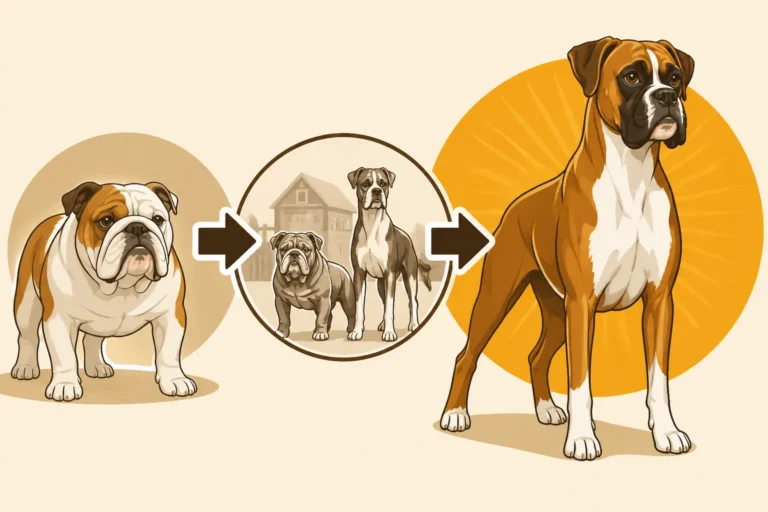
Before the Boxer became a household name and a recognized breed in America, it had a fascinating, hands-on history across the Atlantic. The breed's origins trace back to Germany, where it was developed from the Bullenbeisser, a powerful dog used for hunting large game like wild boar and deer. These ancestors were known for their strong jaws and tenacious grip, essential traits for holding prey until hunters arrived. Over time, as hunting practices changed, the need for such specialized dogs evolved. The German Origins of the Boxer delves deeper into this captivating early history.
The German breeders, wanting to refine the Bullenbeisser into a more agile, versatile companion and working dog, began to cross it with other breeds, including the English Bulldog. This combination brought in traits that would eventually define the modern Boxer: a strong, stocky build, a powerful bite, and that distinctive undershot jaw. The focus shifted from merely holding game to a more general-purpose dog capable of guarding, pulling carts, and eventually, becoming a cherished family pet. The early 1900s saw the breed standard solidify in Germany, setting the stage for its international debut. The Boxer the Breed Standard Describes covers the physical characteristics that make our Boxers so unique.
Boxers eventually made their way to America, often brought over by soldiers returning from Europe after the World Wars, though some arrived earlier through dedicated enthusiasts. These early imports laid the groundwork for the breed's growing presence in the States. Imagine those first Boxers, with their boundless energy and playful nature, encountering a new continent! Their unique blend of power and charm quickly captivated American dog lovers, leading to an increasing interest in formally establishing the breed here.
The American Kennel Club's Role in Breed Establishment
The American Kennel Club, or AKC, plays a critical role in the world of purebred dogs in the United States. It's not just a registry; it’s an organization dedicated to the advancement and preservation of purebred dogs, setting standards for breeding, health, and conformation. For any breed to truly "arrive" in America, to gain widespread recognition and legitimacy, AKC registration is a monumental step. It signifies that a breed has a consistent type, a stable genetic pool, and enough interest and infrastructure (like a national breed club) to be sustained and promoted responsibly.
When a breed is recognized by the AKC, it means several important things. First, it establishes an official breed standard, a detailed description of the ideal Boxer in terms of physical appearance, temperament, and movement. This standard acts as a blueprint for breeders and judges, ensuring consistency within the breed. Second, it allows Boxers to compete in AKC-sanctioned conformation shows, obedience trials, agility competitions, and other dog sports, which greatly increases their visibility and appeal. The Boxer's Working History highlights some of the roles Boxers have excelled in.
The process for AKC recognition isn't a simple rubber stamp. It typically involves a significant number of dogs of that particular breed existing in the U.S. across multiple generations, consistent breeding practices, and the formation of a national parent club dedicated to the breed. This parent club works tirelessly to promote the breed, gather pedigrees, and ensure that the dogs meet the defined standard. It’s a lengthy process that requires passion, dedication, and meticulous record-keeping from committed breeders and enthusiasts.
The Official Year: When the First Boxer Was AKC Registered
After years of dedicated effort from early Boxer enthusiasts and breeders in the United States, the American Kennel Club officially recognized the Boxer breed in 1904. This year marked a significant milestone, shifting the Boxer from an interesting European import to a legitimate, recognized purebred dog within the American canine landscape.
While the breed was officially recognized in 1904, the very first Boxer to be individually registered with the AKC was a dog named Dampf vom Dom, listed in 1904. Dampf vom Dom holds a special place in Boxer history as the patriarch of many American Boxer lines. His registration symbolized the official opening of the studbook for the breed in the United States, allowing for the tracking of pedigrees and the structured development of the breed here. The Boxer's First Twenty Years in America further explores this exciting period of the breed's growth.
This recognition by the AKC didn't mean that Boxers instantly became ubiquitous overnight. Like any newly recognized breed, it took time for their numbers to grow and for them to become widely known. However, it provided the essential framework and legitimacy needed for the breed to flourish. Imagine the excitement among those early Boxer owners and breeders who had worked so hard to achieve this! It was a validation of their love and dedication to these magnificent dogs.
What AKC Recognition Meant for the Boxer Breed
The AKC's official recognition of the Boxer in 1904 was a turning point that had far-reaching implications for the breed's future in the United States. It moved the Boxer from relative obscurity to a path of growing popularity and structured development.
Establishing the Breed Standard and Type
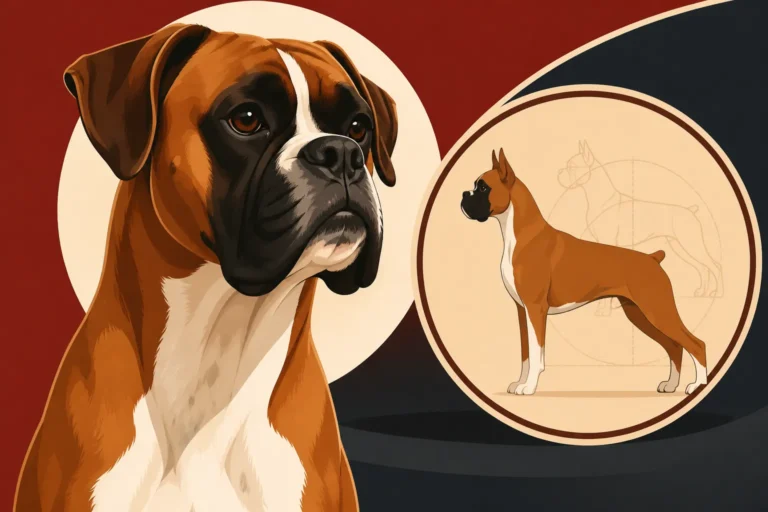
With AKC recognition came the official adoption of a breed standard. This document outlined the desired physical characteristics, temperament, and movement of a Boxer. It described everything from the shape of the skull and the set of the ears (even for cropped ears, which were standard at the time) to the ideal musculature and gait. This standard became the guiding principle for ethical breeders. It ensured that Boxers bred in America would maintain the characteristics that defined the breed, preventing dilution of type and encouraging responsible breeding practices focused on health and conformation. It helped solidify traits like Why the Boxer Was Given a Turned-Up Muzzle and their characteristic powerful build.
Opportunity for Showing and Competition
Perhaps one of the most immediate impacts was the ability for Boxers to participate in AKC-sanctioned dog shows and events. This wasn't just about winning ribbons; it was about showcasing the breed to a wider audience and evaluating breeding stock against a common standard. Conformation shows allowed breeders to assess their dogs and make informed decisions about future pairings, aiming to produce Boxers that more closely matched the ideal. Beyond conformation, Boxers could now compete in obedience, agility, and tracking trials, demonstrating their intelligence and athleticism. This exposure led to increased public awareness and appreciation for the Boxer's versatile capabilities.
Increased Popularity and Responsible Ownership
As Boxers gained visibility in the show ring and through the efforts of early breed clubs, their popularity among the American public naturally soared. People began to see the Boxer not just as a novelty but as a devoted family companion and a capable working dog. This rise in popularity, while exciting, also brought the responsibility of guiding new owners toward reputable sources. The AKC's registry became a valuable tool for tracking pedigrees, which helps potential owners trace a puppy's lineage and verify health clearances.
You might find resources like What a Boxer Puppy Costs From a Real Breeder more accessible now, knowing that there are established guidelines and registered breeders to consult. Even for general supplies, the growing popularity meant that companies like Chewy started stocking a wider array of products suited for active, strong breeds like the Boxer, from durable toys to breed-specific harnesses. The formal recognition helped establish a reliable infrastructure around the breed.
The Foundation of Breed Clubs
The AKC recognition facilitated the formation and growth of the American Boxer Club (ABC), the national parent club for the breed in the U.S. This club became, and remains, instrumental in protecting and promoting the Boxer. It organizes national specialties, publishes educational materials, supports health research, and advocates for the breed. The club acts as a hub for Boxer enthusiasts, offering guidance to new owners and providing a community for those passionate about Boxers. The German Boxer Club and Its 1902 Standard gives context to the international efforts that preceded the American club.
The Boxer's journey to AKC recognition in 1904 wasn't just a bureaucratic formality; it was a testament to the dedication of early enthusiasts and a catalyst for the breed's enduring legacy in America.
| Year | Event | Significance |
|---|---|---|
| Late 1800s | Development in Germany | Refinement of the Bullenbeisser into the modern Boxer type. |
| 1895 | First Boxer show in Munich | Public debut of the breed in its homeland. |
| 1902 | German Boxer Club Standard | Formalized the breed's characteristics in Germany. |
| Early 1900s | Boxers arrive in America | First imports begin to establish the breed in the U.S. |
| 1904 | AKC Recognition | Official acceptance of the Boxer breed by the American Kennel Club. |
| 1904 | Dampf vom Dom Registered | The first individual Boxer officially recorded in the AKC studbook. |
| 1935 | American Boxer Club founded | Establishment of the national parent club to advocate for the breed. |
| Mid-20th Century | Increased Popularity | Boxers rise to prominence as popular family pets and show dogs. |
How Recognition Shaped Boxer Breeding and Ownership Today
The impact of the Boxer's AKC recognition in 1904 continues to resonate today, profoundly shaping how Boxers are bred, owned, and cared for. This formal acknowledgement provided a crucial framework that has allowed the breed to thrive while maintaining its distinctive characteristics and health integrity.
For breeders, AKC registration provides a clear line of ancestry, essential for responsible breeding programs. It allows them to trace health clearances, temperament traits, and conformation qualities back through generations. When you seek out a Boxer puppy, one of the first things a reputable breeder will discuss is the AKC registration of the parents and the puppy, along with their commitment to health screenings like those for Boxer Cardiomyopathy and the Holter Monitor and Subaortic Stenosis in a Boxer Puppy. This structured approach helps ensure that new generations of Boxers are as healthy and true to type as possible.
Ownership was also significantly impacted. With a recognized standard, new owners could educate themselves on what to expect from a Boxer in terms of size, temperament, and exercise needs. It also meant greater access to resources, from veterinarians who were becoming more familiar with breed-specific health concerns to pet supply retailers. For instance, finding durable toys and quality food specifically formulated for active, large-breed dogs is much easier now, and online retailers like Chewy offer an extensive range that caters to every Boxer's need. Feeding a Boxer to Stay Lean and Muscled is a topic where specific product choices can make a real difference, easily found through these resources.
Furthermore, AKC recognition helped foster a strong community of Boxer lovers. Local and national Boxer clubs host events, provide educational resources, and offer mentorship to new owners. This community is vital for sharing knowledge, supporting health initiatives, and simply enjoying the companionship of others who adore Boxers as much as you do. Whether it’s connecting with a mentor about Boxer Exercise Needs and the Heat That Limits Them or finding a specialty group for Dog Sports That Suit a Boxer, the structured foundation from AKC recognition makes these communities possible.
In essence, the year 1904 wasn't just a date in a historical record; it was the beginning of the Boxer's official story in America, laying the groundwork for the responsible breeding, widespread adoration, and rich community that defines Boxer ownership today.
Disclaimer
This article is for general informational purposes only and does not constitute professional advice. Laws, prices and regulations vary by location and change over time. Consult a qualified professional for guidance on your specific situation.