Boxers Among the First Guide Dogs
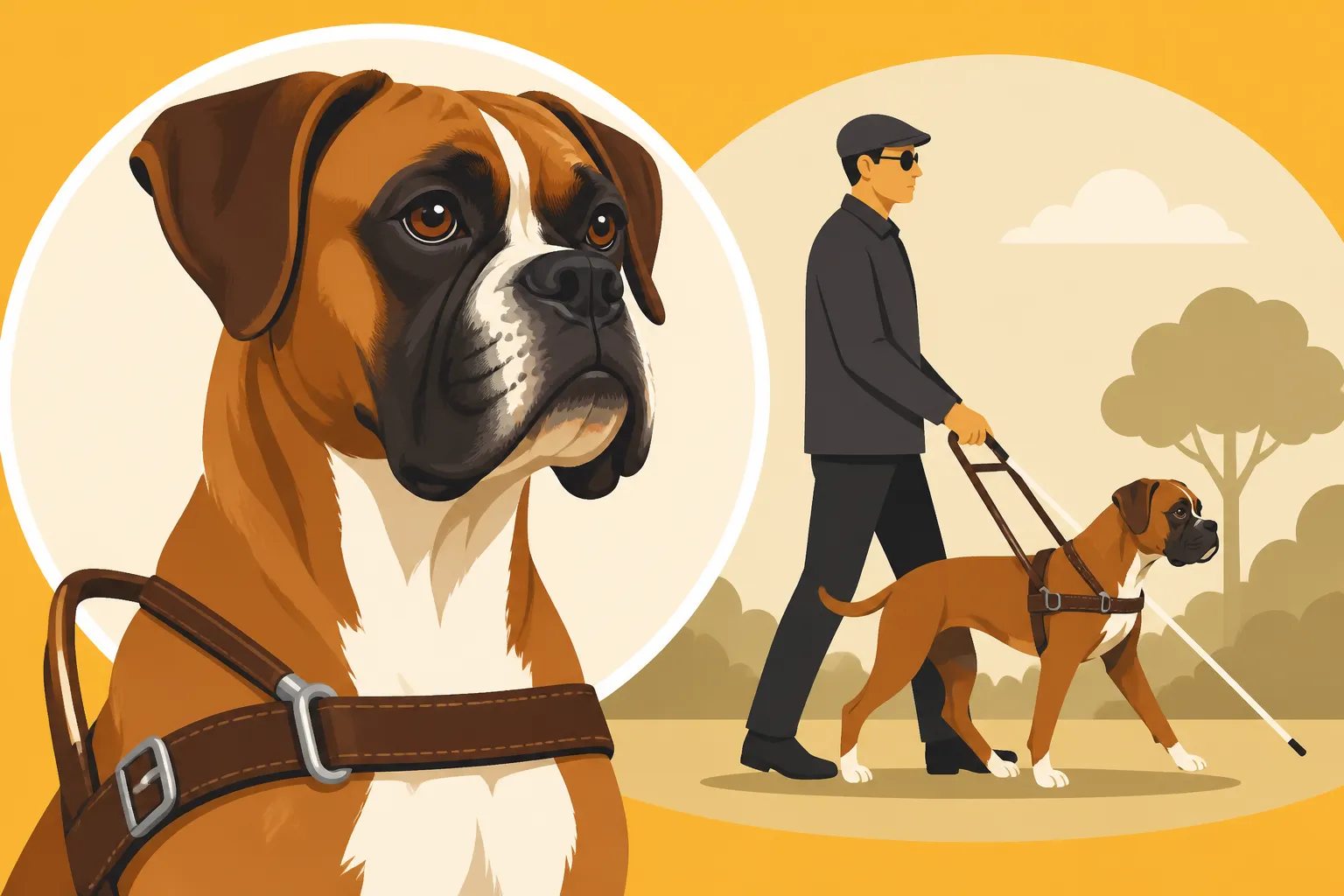
For many of us, when we picture a Boxer, we see a goofy, energetic family companion, bouncing around with that famous wiggle, perhaps a little clumsy but always full of heart. It's easy to get lost in their clownish antics and forget their serious working dog roots. But did you know that Boxers were actually among the very first breeds specifically chosen and trained to serve as guide dogs for the blind? This incredible, often overlooked, chapter in Boxer history truly highlights the depth of their character and capabilities, proving they're far more than just pretty faces. This guide will explore the unique qualities that led Boxers to this pioneering role, examine their early contributions to guide dog programs, and reflect on their lasting legacy in service work.
The Boxer's Innate Qualities for Service Work
When you think about the traits a guide dog needs, a few key characteristics come to mind: loyalty, intelligence, courage, and a calm demeanor. It might surprise some to learn that our bouncy Boxers embody many of these qualities in spades, making them prime candidates for service work in the early days of these crucial programs. Their nature, often perceived as merely playful, actually holds a profound capacity for devotion and responsibility.
Unwavering Loyalty and Devotion
One of the most defining characteristics of a Boxer is their intense loyalty and devotion to their human family. They aren't just pets; they are deeply bonded companions who thrive on connection and partnership. This isn't a casual attachment; a Boxer truly sees their person as their world, and this unwavering commitment is precisely what makes them so special. In the context of a guide dog, this fierce loyalty translates into an inherent desire to protect and serve, forming an unbreakable bond with their visually impaired handler. They naturally want to be close, to please, and to ensure the well-being of their human, making them incredibly reliable partners in a world that can often be unpredictable for those who cannot see.
Imagine a handler relying completely on their dog to navigate a busy city street. That dog needs to be more than just trained; it needs to want to be there, to want to succeed for its person. A Boxer's ingrained loyalty provides that deep-seated motivation. They form such strong connections that they often seem to anticipate their owner's needs, creating a seamless partnership built on trust and mutual respect. This isn't just about following commands; it's about a dog actively engaging in their role with heart and soul, a hallmark of the breed.
Intelligence and Trainability
Beneath all that youthful exuberance, Boxers possess a sharp intelligence and a surprising capacity for learning. While they might get bored with endless repetition (a common Boxer trait, as we know!), they are eager to please and quick to grasp new concepts when the training is engaging and positive. Their intelligence isn't just about learning tricks; it's about problem-solving, understanding subtle cues, and making independent decisions when necessary – all vital skills for a guide dog. They need to be able to assess situations, like an approaching obstacle or a curb, and then communicate that information clearly to their handler.
Early guide dog trainers recognized this potential. Despite their sometimes stubborn streak or their tendency to act like perpetual puppies for the first few years of their lives, Boxers have the mental acumen to learn complex sequences of commands and to apply them in varied environments. The key, as with all Boxer training, is to keep it fun, consistent, and rewarding. They respond beautifully to praise, treats, and play, making them highly trainable for those who understand their unique learning style. For more on their learning habits, you might want to read Training a Boxer That Gets Bored Fast.
Courage and Calmness Under Pressure
A guide dog faces a myriad of challenges daily, from bustling crowds and loud noises to unexpected hazards. They need to possess a remarkable level of courage and the ability to remain calm and focused amidst distractions. This is another area where the Boxer, despite their boisterous reputation, truly shines. Their working dog heritage instilled in them a natural bravery and a steady nerve. They are not easily spooked by new sights or sounds, and they have an inherent confidence that allows them to lead with assurance.
While they are famously playful, when it comes to a serious task, Boxers can switch into a focused, resolute mode. They are protective without being aggressive, which is a critical balance for a guide dog. They need to alert their handler to potential dangers without becoming reactive or defensive towards strangers or other dogs. This nuanced courage allows them to navigate the world safely, acting as a steadfast anchor for their human partner. Their stable temperament allows them to absorb the pressures of their role and continue to perform with reliability, even in stressful situations.
A Paws-itive Step: Boxers in Early Guide Dog Programs
The concept of using dogs to assist the blind has roots in ancient times, but organized guide dog programs as we know them today are a relatively modern development, largely emerging in the aftermath of World War I. This period saw a significant number of soldiers returning home visually impaired, creating a pressing need for assistance and independence. It was in this pivotal era that the Boxer stepped forward, playing a critical role in shaping the very foundation of modern guide dog training.
Post-War Needs and the Rise of Guide Dogs
The horrors of World War I left a generation of young men with severe injuries, including widespread blindness. Governments and compassionate individuals alike recognized the urgent need to help these veterans regain their independence and quality of life. This societal imperative led to the formal establishment of guide dog schools, first in Germany, and then rapidly expanding to other countries. The earliest programs began experimenting with different breeds, seeking dogs that possessed the right combination of temperament, intelligence, and physical characteristics for this demanding work.
It was during this time that Boxers, with their already established reputation as loyal companions and capable working dogs in various capacities – from farm dogs to military messengers – caught the attention of pioneering trainers. They weren't just looking for a docile pet; they needed a dog with the mental fortitude and physical stamina to navigate complex environments and make critical decisions. Boxers were already recognized for their intelligence and eagerness to please, qualities that made them stand out as potential candidates for this groundbreaking service role. Their participation marked a significant step forward in recognizing the potential of dogs to profoundly impact human lives.
Early Trials and Successes
In Germany, where the first official guide dog school, "Seehundschule," was established, Boxers were among the initial breeds put to the test. They quickly proved themselves capable, demonstrating an impressive aptitude for guiding their handlers through various scenarios. Their strength and endurance meant they could comfortably lead an adult for extended periods, and their sharp senses made them adept at detecting obstacles and changes in terrain. The Boxer's natural attentiveness, combined with their desire to work alongside their human, made them highly effective in these early trials.
Reports from these foundational years highlighted Boxers' ability to learn complex routes, remember specific landmarks, and make intelligent "disobediences" – where they would refuse a command that might lead their handler into danger, such as walking into traffic. This critical thinking ability was a game-changer, showing that guide dogs weren't just robots following orders, but partners capable of independent judgment. Their early successes helped solidify the concept of the guide dog and paved the way for the broader acceptance and expansion of these programs globally. This era truly highlighted The Boxer's Working History in a profound and humanitarian way.
Challenges in Establishing the Breed for Guide Work
Despite their many successes, the journey for Boxers in guide dog work wasn't without its hurdles. One of the primary challenges was managing their inherent exuberance and "puppy-like" energy, which, as many Boxer owners know, can last well into their adult years. While their playful nature is endearing in a family setting, a guide dog needs to maintain a consistent, serious demeanor during their working hours. Trainers had to develop specialized techniques to channel this energy, ensuring focus without extinguishing their spirit.
Another factor was their strong drive and sometimes boisterous play style. While highly social, their tendency to "box" with their front paws or get overly excited upon meeting new people required careful socialization and training to ensure they remained calm and professional in public settings. It was a learning curve for both the dogs and the trainers, as they sought to refine methodologies that would best harness the Boxer's strengths while mitigating any potential distractions. These early challenges, however, provided invaluable insights that helped shape guide dog training techniques for all breeds that followed. For more on managing their early energy, consider The Boxer Puppyhood That Lasts Three Years.
Specific Traits That Made Boxers Stand Out (and Sometimes Fall Short)
Every dog breed brings a unique set of characteristics to the table, and the Boxer is no exception. While their overall temperament made them excellent candidates for early guide dog work, certain physical and behavioral traits played a significant role in both their effectiveness and, eventually, in the re-evaluation of their suitability as the guide dog movement matured. Understanding these nuances helps us appreciate the full scope of their contribution.
Physicality: Strength and Stride
Physically, Boxers are robust, athletic dogs with a powerful build. This strength was a major asset in early guide dog programs. They could easily support a handler, navigate varied terrains, and maintain a steady pace for extended periods. Their energetic gait and ground-covering stride meant they could keep up with a walking pace that suited an active handler, providing a confident and secure lead. This physical prowess was particularly important in an era when other assistive technologies were limited.
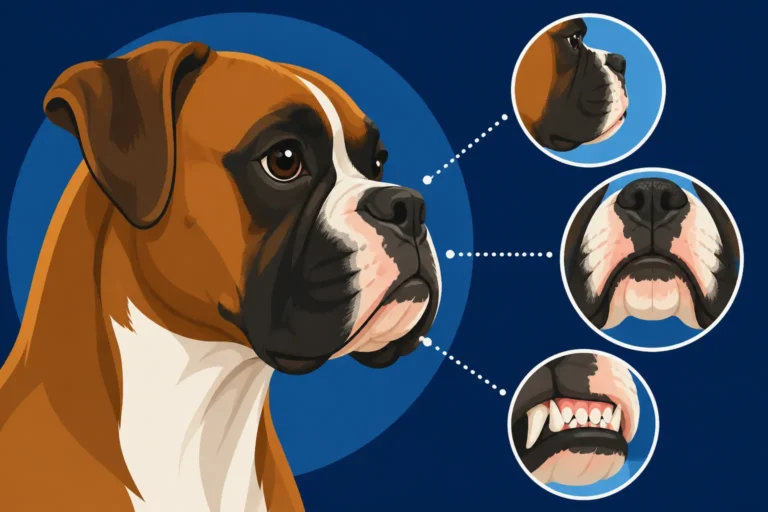
However, their strong build also meant that a pulling Boxer could be quite a force. Trainers had to ensure that the dog learned to walk in a controlled, responsive manner, guiding gently rather than towing. Their brachycephalic (flat-faced) skull, while giving them their distinctive look and contributing to Why the Boxer Was Given a Turned-Up Muzzle, also meant they could be more prone to overheating, especially during strenuous work in warmer climates. This required handlers and trainers to be particularly mindful of temperature and exercise duration, a consideration that became increasingly important as guide dog services expanded into diverse geographical regions. Adequate hydration and access to cool rest spots were always paramount, something a brand like Chewy, offering cooling vests and water bowls, now addresses for today's Boxer owners.
The "Boxer Wiggle" and Expressiveness
The famous "Boxer wiggle" is a delightful, full-body wag that epitomizes the breed's joyful and affectionate nature. This expressiveness extends to their entire demeanor – their eyes, their head tilts, and their playful pawing. In a personal home setting, this communicative style is part of their charm, making them incredibly endearing companions. They wear their emotions on their sleeves (or, rather, their whole body), making them easy for their owners to "read."
For a guide dog, this expressiveness could be a double-edged sword. While their responsiveness and clear communication of joy or concern could be beneficial in bonding with a handler, it also meant they could be easily distracted by friendly passersby eager to reciprocate their wiggles and greetings. A guide dog needs to be approachable but also focused on its task, requiring a level of self-control that sometimes went against the Boxer's natural inclination for enthusiastic social interaction. Training had to specifically address maintaining composure in public, teaching the Boxer to reserve their boisterous greetings for off-duty moments.
Energy Levels and Focus Demands
Boxers are high-energy dogs, especially in their younger years. They require a significant amount of physical exercise and mental stimulation to stay happy and well-behaved. This boundless energy was a positive trait for endurance and stamina in their guide role, but it also presented a challenge in maintaining consistent, calm focus during long working shifts. A guide dog needs to be "on" for extended periods, remaining vigilant and undistracted.
While Boxers are intelligent and eager to work, their playful nature and sometimes short attention span meant trainers had to invest extra time in developing advanced focus and impulse control. It wasn't enough for them to know the commands; they needed to be able to execute them flawlessly amidst distractions like squirrels, other dogs, or tempting smells. This demanded highly structured training and a dedicated daily routine that balanced their work with ample opportunities for appropriate exercise and mental decompression. Managing their high energy was a constant consideration, highlighting Boxer Exercise Needs and the Heat That Limits Them.
| Trait Category | Boxer Trait | Guide Dog Requirement | Compatibility & Notes |
|---|---|---|---|
| Temperament | Loyal, affectionate, eager to please, playful | Loyal, calm, confident, non-aggressive | High compatibility, strong bonding. Playfulness required channeling. |
| Intelligence | Smart, quick learner, problem-solver | Intelligent, trainable, capable of "intelligent disobedience" | High compatibility, adaptable to complex tasks. |
| Physicality | Strong, athletic, energetic stride, brachycephalic | Sturdy, good endurance, suitable size, robust health | Good for stamina, but brachycephalic nature required heat management. |
| Focus | Can be easily distracted by excitement, playful | High focus, reliable in distracting environments, consistent | Required intensive training to maintain focus and minimize distractions. |
| Patience | Can be "puppy-like" for years | Patient, calm under pressure, mature demeanor | Required extended training period to mature into the role. |
Legacy and Evolution: Where Boxers Stand in Guide Dog Work Today
While Boxers played a foundational role in the early development of guide dog programs, their prominence in this field has evolved over time. Today, you're more likely to see breeds like Labrador Retrievers or Golden Retrievers performing guide dog duties. However, this shift doesn't diminish the incredible contributions of Boxers; rather, it reflects a natural evolution in breeding and training methodologies as programs became more standardized and specialized. The lessons learned with Boxers helped pave the way for the sophisticated guide dog partnerships we see today.
Shifting Preferences in Guide Dog Breeds
The primary reason for the shift away from Boxers as a predominant guide dog breed often comes down to a combination of factors related to consistency and specific breed traits. Breeds like Labradors and Golden Retrievers tend to mature faster, possess a generally lower prey drive, and have a more uniform temperament that is typically less prone to the "exuberant" distractions that Boxers can sometimes exhibit. Their eager-to-please nature, combined with their moderate energy levels, often makes them a slightly more predictable and easier "fit" for the rigorous and often long training process required for guide work.
Additionally, selective breeding programs within guide dog organizations have intensely focused on specific health and temperament traits in these more common breeds over many generations, further solidifying their suitability. While Boxers are wonderfully affectionate and intelligent, the consistent management of their high energy, their sometimes longer "puppy stage" (some say Why Boxer Owners Say the Puppy Stage Never Ends), and their brachycephalic respiratory considerations in various climates led many guide dog organizations to prioritize breeds with traits that were, on average, a more consistent match for the demanding role.
Boxer Contributions to Guide Dog Methodology
Despite the shift in preferred breeds, the early involvement of Boxers left an indelible mark on guide dog training methodology. Their unique challenges and successes taught trainers invaluable lessons about adapting techniques to individual dog personalities and about the importance of deep, positive reinforcement. The strategies developed to channel a Boxer's energy, to build their focus amidst distractions, and to leverage their immense loyalty laid groundwork that benefits all guide dog training today.
For instance, the need to keep Boxer training engaging to combat their potential for boredom led to the development of more varied and play-based reward systems, recognizing that motivation isn't solely about food. Their strong bonding tendency underscored the crucial role of a powerful human-animal connection in a successful working partnership. Every successful Boxer guide dog provided a case study in dedication, proving that with patience, understanding, and tailored training, even the most spirited dogs could perform critical service roles. Their legacy is not just in the number of blind individuals they served, but in the knowledge they imparted to the guide dog community as a whole.
The Boxer's Enduring Spirit in Other Service Roles
While Boxers may no longer be at the forefront of guide dog work, their incredible temperament and versatility mean they continue to excel in many other types of service and assistance roles. Their intelligence, strength, and unwavering devotion make them fantastic candidates for roles such as:
- Therapy Dogs: Their gentle nature, coupled with their friendly and often goofy demeanor, makes them exceptional therapy dogs. They bring immense joy and comfort to people in hospitals, nursing homes, and schools. Their ability to connect emotionally and provide a calming presence is truly powerful. For a Boxer to become a therapy dog, careful temperament assessment and training are essential, ensuring they can handle various environments and interactions gracefully. Learning more about Boxers Working as Therapy Dogs can illuminate this path.
- Mobility Assistance Dogs: Their robust build and strength can be invaluable for individuals who need help with balance, retrieving dropped items, or opening doors. They are strong enough to provide a steadying presence, and their problem-solving skills make them adept at navigating obstacles to perform specific tasks.
- Search and Rescue Dogs: With their keen sense of smell, athletic ability, and determined work ethic, Boxers have also served in search and rescue operations, a testament to their innate drive and focus when properly motivated.
The Boxer's pioneering spirit, seen first in their guide dog days, continues to shine brightly in these diverse roles, proving that their capacity for service, companionship, and making a profound difference in human lives is as strong as ever. Whether through their historical contributions or their ongoing work in other capacities, Boxers stand as a testament to the powerful, transformative bond between humans and dogs.
Disclaimer
This article is for general informational purposes only and does not constitute professional advice. Laws, prices and regulations vary by location and change over time. Consult a qualified professional for guidance on your specific situation.