Why a Boxer’s Muzzle Turns Up
The first thing many people notice about a Boxer, right after their muscular physique and boundless energy, is that distinctive face. Specifically, that almost pushed-in, slightly upturned muzzle can look quite unique, sometimes even a little comical, especially when they're giving you a goofy grin. But this isn't just a random facial feature; it's a deeply ingrained characteristic with a fascinating history and a practical purpose that shaped the breed into the beloved companions we know today. This guide will take a deep dive into why your Boxer's muzzle turns up, exploring its historical origins, functional advantages, and how it defines their unmistakable look.
The Historical Roots of the Boxer's Unique Muzzle
To truly understand why a Boxer’s muzzle turns up, we have to journey back in time, long before they were the couch potatoes and family clowns we adore. Their ancestors were working dogs, bred for very specific and demanding tasks that directly influenced their physical traits, including that distinctive jawline.
From Bullenbeisser to Boxer: A Legacy of Grip
The Boxer’s primary ancestor was a German breed known as the Bullenbeisser, which literally translates to "bull-biter." These were powerful, tenacious dogs, often used for hunting large, formidable game like wild boar and bear. Imagine trying to hold onto a struggling, powerful animal; it required an incredibly strong jaw and a grip that wouldn't falter. The Bullenbeisser needed a mouth that could clamp down and maintain its hold, often for extended periods, without suffocating itself.
This intense requirement for a secure grip against a formidable adversary led to the development of specific craniofacial features. The slightly upturned muzzle and the undershot jaw (where the lower jaw extends beyond the upper) were not accidents but functional adaptations. When a Bullenbeisser would latch onto its prey, the design of its jaw allowed its airways to remain relatively open, enabling it to breathe more easily even while maintaining a death grip. If their nose was flat against the prey, breathing would be much more restricted. Breeders carefully selected for these traits, prioritizing dogs that could perform their duties effectively in the field. This legacy of strength and grip is etched into your Boxer's very being, even if their toughest hunt these days is finding a rogue crumb under the sofa. You can read more about their powerful past in What the Boxer's Bullenbeisser Ancestor Hunted.
The Role of the Bulldog in Boxer Development
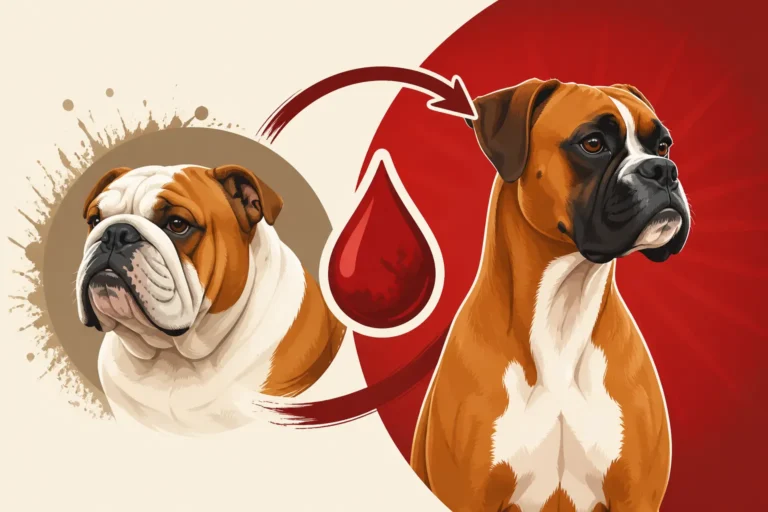
As the breed evolved, especially in the 19th century, other powerful breeds were introduced into the genetic mix to further refine the Boxer's characteristics. One of the most significant influences was the Old English Bulldog, a dog renowned for its tenacity, strength, and distinctive head shape. The Bulldog, too, had been bred for a specific, demanding role that required a powerful, undershot jaw for gripping.
The infusion of Bulldog blood brought a refinement to the Boxer's brachycephalic (short-nosed) features, emphasizing the robust jaw and the turned-up muzzle. Breeders in Germany, who were meticulously developing the Boxer into a distinct breed, sought to combine the raw power and hunting prowess of the Bullenbeisser with the compact, muscular build and characteristic head of the Bulldog. This crossbreeding amplified the traits that contributed to a strong bite and an open airway, cementing the "pushed-in" look and the prominent lower jaw. This careful and deliberate breeding over generations is a testament to the dedication of those who shaped the modern Boxer, creating a dog that was both functional for its original purpose and aesthetically striking. If you're curious about the full lineage, exploring The German Origins of the Boxer offers a deeper dive into their fascinating past.
Understanding the Boxer's Undershot Jaw and Turned-Up Muzzle
The Boxer's unique facial structure, with its undershot jaw and distinctive muzzle, isn't just about looking good; it's a carefully engineered design that once served a vital purpose. Understanding the mechanics behind it helps us appreciate both the breed's history and its modern-day characteristics.
The Functionality of the Brachycephalic Structure
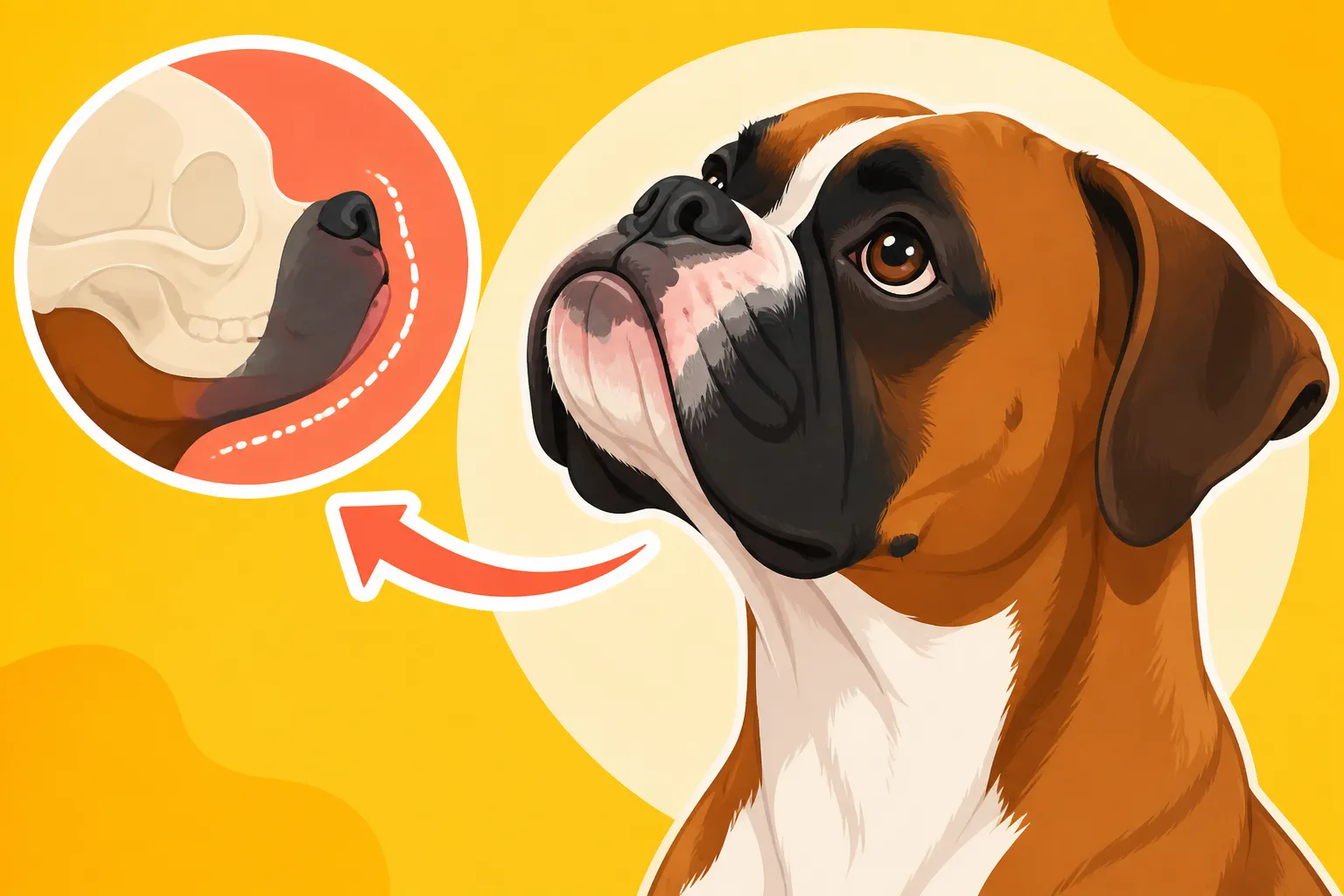
The term "undershot jaw" (or prognathism) refers to a bite where the lower teeth extend beyond the upper teeth. In Boxers, this is a defining breed characteristic, not a fault. Coupled with a relatively short, broad muzzle that appears pushed back into the face, it creates the illusion of the muzzle turning up. This structure was inherently functional for their ancestors' role as catch dogs. Imagine a large, struggling animal being held by a dog; if the dog's jaw was aligned perfectly or overshot, its breathing could be significantly compromised while it maintained its grip.
With the undershot jaw and the turned-up muzzle, the Boxer could grip tightly onto its quarry, and crucially, still breathe relatively freely. The nostrils would be less obstructed by the animal's body, allowing air to pass. This was a critical survival mechanism in their historical working capacity. It allowed them to perform their duty effectively without collapsing from lack of oxygen. This functional design was a hallmark of the breed from its inception, and it's a trait that has been meticulously preserved in the breed standard for both its historical significance and its defining aesthetic. It's a key part of What an Undershot Boxer Bite Means in terms of breed-specific traits.
Breathing and Airflow in a Brachycephalic Dog
While the turned-up muzzle facilitated breathing during a grip, the overall brachycephalic (short-headed) structure of the Boxer does present certain respiratory considerations that modern owners need to be aware of. The shortened skull, while contributing to that powerful jaw, means that the soft tissues within the nose and throat can sometimes be compacted. This can lead to narrower nostrils, an elongated soft palate, or a hypoplastic (underdeveloped) trachea.
These anatomical features can make Boxers prone to noisy breathing, especially when excited, during exercise, or in hot weather. Many Boxer owners are familiar with the characteristic snorts, snores, and heavy breathing that can come with the territory. It's why they are famously prone to Snoring and Noisy Breathing in a Boxer and can overheat so quickly. Managing a Boxer's exercise and exposure to heat is paramount to prevent distress. You might find yourself reaching for a cooling vest or a special raised slow-feeder bowl from a retailer like Chewy to help them eat more comfortably and stay cool. Their unique facial structure, while historically advantageous, now requires a thoughtful approach to daily care to ensure their comfort and health. It’s a trade-off that comes with owning such a wonderfully distinctive breed.
The Boxer Standard and Muzzle Aesthetics
The distinctive turned-up muzzle and undershot jaw are more than just functional remnants of the Boxer's past; they are central to the breed's identity and its official standard. For anyone involved in showing Boxers, or simply wanting to understand the breed's ideal appearance, these features are paramount.
What the Breed Standard Dictates
The official breed standard for the Boxer meticulously describes every aspect of their appearance, and the head, particularly the muzzle and jaw, receives significant attention. The standard specifies the exact proportions, width, and depth of the muzzle, emphasizing that it should be broad and blunt, with the nose slightly higher than the root of the muzzle. This, combined with the undershot jaw where the lower jaw protrudes beyond the upper, creates that unmistakable "turned-up" look.
Judges in the show ring are looking for a very specific conformation. The powerful, square jaw is essential, and the alignment of the teeth is also important, even with the undershot bite. This combination of features contributes to what is often referred to as the "Boxer expression" – an intelligent, alert, and often playful look that is unique to the breed. The standard doesn't just describe these traits; it dictates their ideal presentation, showcasing how deeply integrated this muzzle structure is into the very definition of a Boxer. It's fascinating to delve into the specifics, as detailed in articles like The Boxer Head the Standard Describes and What the First Boxer Standard Said in 1902. These documents are the blueprints for the breed's iconic look.
Beyond Function: The Boxer's Distinctive Look
While the historical functionality of the turned-up muzzle is undeniable, in modern times, it has become a defining aesthetic characteristic that contributes hugely to the Boxer's charm and recognizability. This unique facial structure gives them an expressive quality that other breeds simply don't possess. From their serious, thoughtful gaze to their goofy, tongue-lolling grins, every emotion seems amplified by that distinctive muzzle.
For Boxer owners, this look is often one of the most endearing qualities. It contributes to their "clown-like" personality and their ability to convey so much with just a tilt of the head. It's what makes a Boxer look unequivocally like a Boxer, whether they are a flashy fawn or a deep brindle. This unique appearance sets them apart and is a key part of why so many people fall in love with the breed. It’s part of their iconic identity, much like Why the Boxer Is Called a Boxer is part of their origin story – it's all intertwined to make them the one-of-a-kind dogs we cherish.
| Feature | Boxer (Brachycephalic) | General Dog (Mesocephalic/Dolichocephalic) |
|---|---|---|
| Muzzle Shape | Short, broad, blunt, appears "pushed in" and "turned up" | Longer, more tapered, can be medium or long |
| Jaw Type | Undershot (lower jaw extends beyond upper) | Scissor bite (upper teeth overlap lower), level bite |
| Breathing during Grip (historical) | Facilitated an open airway while holding prey | More likely to obstruct airway if holding prey intensely |
| Facial Expression | Very expressive, often described as comical or "clown-like" | Varies widely by breed, generally less exaggerated features |
| Common Sound | Snorting, snoring, heavy breathing | Quieter breathing, less prone to snorts and snores |
| Heat Sensitivity | Higher risk of overheating due to compacted airways | Generally lower risk, better heat dissipation |
Living with a Boxer's Unique Muzzle
Embracing the Boxer's unique muzzle means understanding its implications for their daily care and celebrating the special character it imparts. While undeniably charming, it does come with a few specific considerations that responsible owners should be aware of.
Care and Considerations for the Brachycephalic Face
That beautifully sculpted, turned-up muzzle and those endearing facial folds around their nose and mouth can be little pockets for dirt, moisture, and even bacteria to accumulate. Without regular attention, these areas can become irritated, leading to skin infections. It's a common concern for Boxer owners, and a simple routine can make all the difference. Daily wiping of the facial folds with a soft, damp cloth, followed by thorough drying, is usually enough to keep things clean and healthy. Sometimes, especially after a particularly enthusiastic meal or a big drink of water, you might need to use a gentle, vet-approved wipe specifically designed for pet skin folds. Companies like Chewy offer various options for these kinds of specific grooming needs.
Beyond skin care, the undershot jaw can sometimes lead to dental challenges. The way their teeth align, or sometimes rather misalign, can create crowded areas where food particles and plaque can build up more easily. This means that consistent dental hygiene, including brushing and providing appropriate dental chews, is even more critical for a Boxer. Regular veterinary check-ups are also essential to monitor their oral health and address any issues early. You can find more detailed advice on Cleaning a Boxer's Face Daily and what to expect regarding Dental Cleaning Prices for a Boxer to stay on top of their health.
Embracing the Boxer's Quirky Charm
Despite the few extra care steps involved with their unique muzzle, most Boxer owners wouldn't trade it for the world. That turned-up face, combined with their perpetually curious eyes and floppy jowls, is responsible for some of the most hilariously expressive doggy faces you'll ever witness. It’s what gives them that mischievous grin when they’ve done something they shouldn't, or that soulful look when they’re trying to convince you they haven’t had enough treats today.
This distinctive feature is a huge part of what makes Boxers such individual, personality-packed dogs. It’s part of their inherent appeal, contributing to their reputation as the "clowns of the canine world." They are masters of communication with their expressions, and their unique muzzle only enhances this. So, while it demands a little extra attention, it gives back in spades through endless amusement and undeniable character. It's truly a defining feature that Boxer lovers cherish, making every head tilt and goofy grin a moment to remember.
Disclaimer
This article is for general informational purposes only and does not constitute professional advice. Laws, prices and regulations vary by location and change over time. Consult a qualified professional for guidance on your specific situation.