What an Undershot Boxer Bite Means
A common concern for new Boxer parents, and even some who've had Boxers for years, is the distinctive way their dog's lower jaw protrudes. You might peer into their mouth and wonder if something is "wrong," or if this unique alignment means future dental problems. It's perfectly normal to feel a little confused by it, especially if you're used to breeds with a more typical "scissors" bite. This comprehensive guide will shed light on the Boxer's undershot bite, explaining why it's not only a hallmark of the breed but also how to best care for your beloved companion's very special smile.
Understanding the Boxer's Unique Jaw Structure
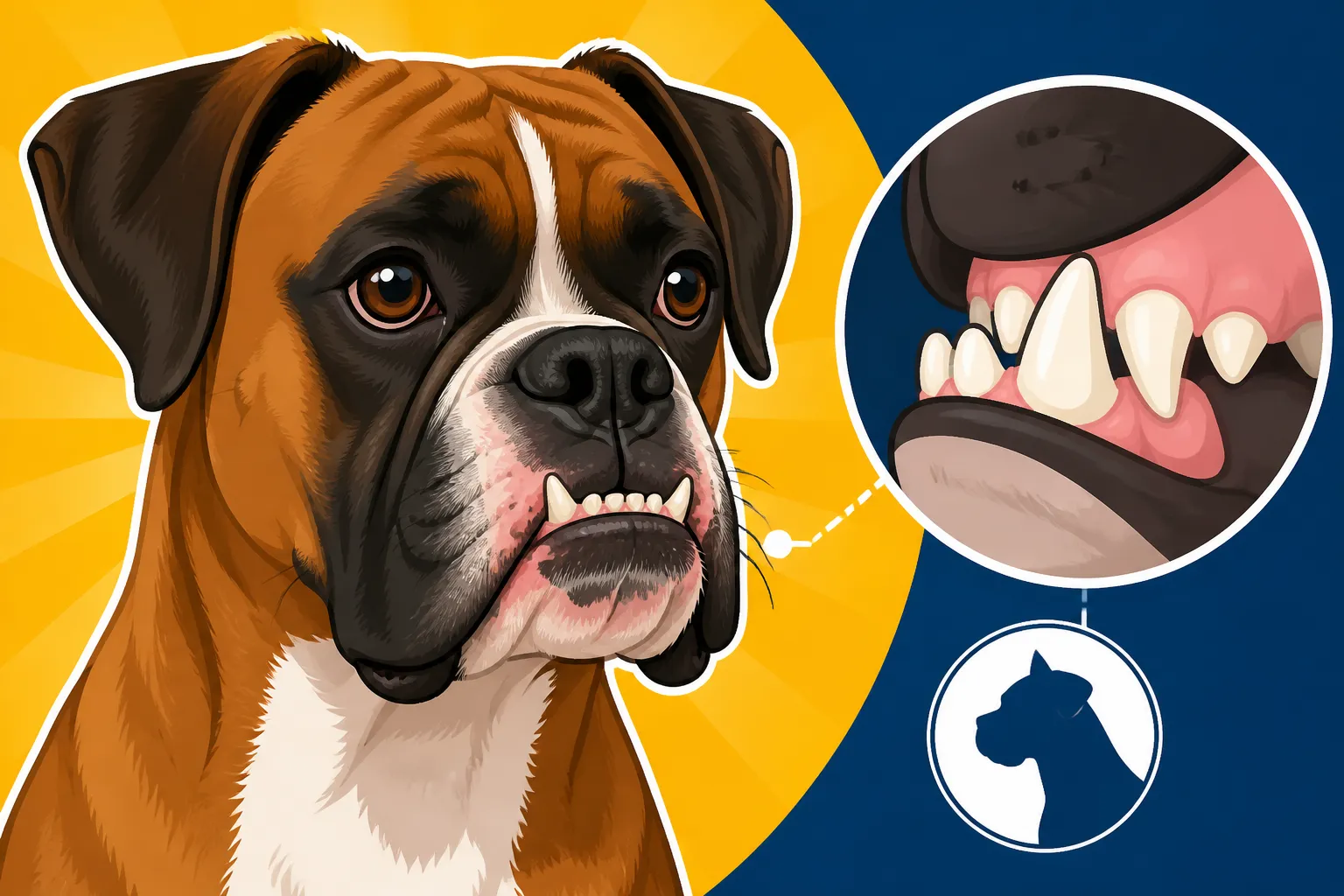
When you look at a Boxer, one of the first things you might notice, beyond their expressive eyes and muscular build, is their distinctive face. The breed's flat face and broad muzzle are key characteristics, and intrinsically linked to this is their jaw structure. Unlike many other dog breeds, the Boxer possesses what's known as an undershot bite, or scientifically, prognathism. This isn't a genetic fault or an anomaly; it's a celebrated and essential part of the Boxer breed standard.
The Standard Boxer Bite: A Breed Trait, Not a Flaw
For the Boxer, an undershot bite is not just accepted, it's explicitly required by the breed standard. This means that a Boxer whose lower jaw extends beyond the upper jaw, with the incisors (front teeth) of the lower jaw fitting in front of the upper incisors, is considered to have the correct bite. In fact, a Boxer with a scissors bite (where the upper incisors slightly overlap the lower) would be considered incorrect in the show ring and by reputable breeders. It's a defining feature that has been carefully cultivated and preserved through generations. You can read more about what the breed standard looks for in The Boxer the Breed Standard Describes.
This unique bite harks back to the Boxer's ancestors, specifically the Bullenbeisser, a powerful dog used for hunting large game in Germany. Their job was to seize and hold wild boar and deer, often clinging on until the hunter arrived. For such work, a strong, broad jaw with an undershot bite provided an unparalleled grip. It allowed them to clamp down and maintain hold without losing their grip as the prey struggled, creating a secure, vice-like hold. This historical function is why this bite is not just aesthetic but fundamentally functional for the breed's heritage.
It's common for owners, especially those new to the breed, to compare their Boxer's bite to other dogs they've owned. Most dogs, from a Labrador Retriever to a German Shepherd, typically have a scissors bite, where the upper teeth closely overlap the lower teeth. Then there are breeds with a level bite, where the upper and lower incisors meet edge-to-edge. The Boxer's bite is distinctly different from both, and understanding this difference is key to appreciating your dog's unique anatomy.
The Mechanics of an Undershot Jaw
So, what exactly happens in an undershot jaw? Simply put, the lower jaw is longer than the upper jaw. This means that when your Boxer closes their mouth, the lower front teeth (incisors) sit in front of the upper front teeth. The specific degree of undershot varies slightly from one Boxer to another, but the general principle remains the same. The upper lip typically covers the lower teeth, so you might not always see them unless your Boxer is giving you a particularly happy "toothy" grin.
This distinctive jaw alignment also plays a role in the Boxer's facial appearance. The broad, slightly upturned muzzle, often with a pronounced chin, is a direct result of this jaw structure. It creates that classic "pushed-in" look without being brachycephalic to the extent of some other flat-faced breeds. The way the head and jaw fit together is crucial for the breed's overall balance and expression, as detailed in Boxer Head Proportions in the Standard.
While the front teeth are notably offset, the molars and premolars (the chewing teeth at the back of the mouth) are generally expected to align more closely, allowing for effective chewing of food. It's primarily the front incisors and sometimes the canines that exhibit the pronounced undershot characteristic. This careful balance ensures that despite the unique frontal bite, the Boxer can still process their food properly.
Living with an Undershot Boxer Bite: Practical Considerations
Owning a Boxer with its characteristic undershot bite means being aware of a few practical considerations to ensure their long-term health and comfort. It's not a cause for alarm, but rather an invitation to be proactive in their care. Just like with any special breed trait, understanding it helps you provide the best possible life for your furry friend.
Potential Dental Challenges and Preventative Care
The very nature of an undershot bite can sometimes create nooks and crannies where food particles are more likely to get trapped. Because the teeth don't always meet perfectly, certain areas might not get the natural "scrubbing" action that occurs when a dog with a scissors bite chews. This can lead to an increased risk of tartar buildup, particularly on the lower front teeth and any other misaligned teeth. Tartar, if left unchecked, can progress to gum disease, bad breath, and even tooth loss. This is why Boxer Dental Care and the Undershot Bite is so crucial.
To combat these challenges, a diligent routine of preventative dental care is your best defense. Regular tooth brushing with dog-specific toothpaste is highly recommended. Aim for several times a week, if not daily, to keep plaque and tartar at bay. You can find excellent dog toothbrushes and toothpastes at pet supply retailers like Chewy, which often stock various flavors and styles to make the experience more pleasant for your Boxer.
In addition to brushing, incorporating dental chews into their routine can be beneficial. Look for chews that are appropriately sized and designed to help scrape away plaque. Just be sure to choose chews that are soft enough not to damage their teeth, but firm enough to be effective. Durable rubber chew toys can also help clean teeth naturally. Furthermore, schedule regular professional dental cleanings with your veterinarian, which often involve anesthesia to thoroughly clean under the gumline and polish the teeth. This is a vital part of their overall health regimen, and something you should budget for, as Dental Cleaning Prices for a Boxer can vary.
Eating and Drinking with an Undershot Jaw
Most Boxers adapt beautifully to their undershot jaw when it comes to eating and drinking. They are incredibly efficient eaters! You might notice they have a particular way of scooping up their kibble or lapping water, but generally, it doesn't hinder their ability to get enough nutrition or stay hydrated. They've been doing this for generations, after all.
When choosing food for your Boxer, the kibble size and shape are usually less critical than for some other brachycephalic breeds, but it's still worth considering. Extremely small kibble might be gulped too quickly, while exceptionally large or hard kibble could be slightly more challenging for them to manipulate with their unique bite. If you notice your Boxer struggling, or if they're particularly messy, you might experiment with different kibble styles. Many owners find a moderate-sized kibble works best. You can explore a wide range of options on sites like Chewy, and even read reviews from other Boxer owners about what works for their dogs.
As for drinking, Boxers are famously enthusiastic and often a bit messy! Their jowls and the way their lower jaw extends can mean they collect a fair bit of water that drips out after they drink. This is completely normal and just part of owning a Boxer – keep a towel handy or consider a mat under their water bowl. Some owners opt for elevated bowls, but it's important to remember the old debates about whether raised bowls truly help or hinder with bloat prevention; consult your vet for current recommendations, especially if your Boxer is prone to gulping air while eating. For those messy drinkers, a pet fountain from Chewy can sometimes encourage more controlled sipping and keep their water fresher.
When an Undershot Bite Becomes a Problem
While the undershot bite is a normal and beloved characteristic of the Boxer, there are rare instances where the alignment can become severe enough to cause problems. It's important for Boxer owners to know the difference between a healthy, typical undershot bite and a malocclusion that might require veterinary intervention. Regular observation of your dog's mouth and behavior can help you catch potential issues early.
Distinguishing a Healthy Undershot Bite from a Malocclusion
A healthy undershot bite allows your Boxer to eat, drink, and close their mouth comfortably without any teeth causing injury or pain. The lower incisors protrude, yes, but they don't dig into the roof of the mouth or severely abrade the upper gums. The canines should also have enough space and not impinge on other oral tissues. This is the ideal scenario, reflecting centuries of careful breeding. Understanding What the Boxer's Bullenbeisser Ancestor Hunted can give you insight into why this bite developed in the first place, rooted in its function.
However, sometimes a malocclusion can occur, meaning the bite is so misaligned that it causes functional or painful issues. This could be an excessively undershot jaw where the lower canines pierce the upper palate, or specific teeth that are rotated or angled incorrectly, leading to trauma to the gums or tongue. You might notice signs like reluctance to eat hard food, pawing at their mouth, excessive drooling, persistent bad breath, or even facial swelling. If you ever see teeth visibly damaging soft tissues in your Boxer's mouth, it's time for an urgent vet visit. Even minor irritations can lead to chronic pain and infections.
Surgical Intervention and Orthodontic Options
For most Boxers, their undershot bite will never require surgical intervention. However, in those rare cases where a severe malocclusion causes pain or prevents proper function, veterinary dental specialists can offer solutions. The primary goal of any intervention is to ensure the dog is comfortable and pain-free. This isn't about cosmetic changes to achieve a "perfect" bite, but rather about addressing painful contact points or preventing further injury.
One common intervention for problematic teeth is selective extraction. If a canine tooth, for example, is consistently digging into the palate, removing that tooth can provide immediate relief and prevent ongoing trauma. In other cases, a procedure called crown reduction with vital pulpotomy might be performed, where a portion of the tooth is removed and sealed to prevent nerve exposure, thus shortening the tooth without extracting it entirely. Such procedures can significantly improve a Boxer's quality of life.
It's crucial to consult with a veterinarian experienced in canine dentistry if you suspect your Boxer has a problematic bite. They can assess the situation, often using X-rays, and discuss the best course of action. These procedures can be complex and involve anesthesia, so it’s important to understand all the implications, including recovery and potential costs. Remember, the focus is always on the dog's comfort and health, not on altering a defining breed trait for purely aesthetic reasons.
| Bite Type | Description | Common Breeds | Boxer Standard |
|---|---|---|---|
| Scissors Bite | Upper incisors just overlap and touch the lower incisors. | German Shepherd, Labrador Retriever, Golden Retriever | Incorrect |
| Level Bite | Upper and lower incisors meet edge to edge. | Sometimes acceptable in some breeds, e.g., Bulldogs | Incorrect |
| Undershot Bite | Lower jaw extends beyond upper jaw; lower incisors sit in front of upper. | Boxer, Bulldog, Shih Tzu, Pug | Required |
| Overshot Bite | Upper jaw extends beyond lower jaw; gap between upper and lower incisors. | Typically considered a fault in most breeds. | Incorrect |
Disclaimer
This article is for general informational purposes only and does not constitute professional advice. Laws, prices and regulations vary by location and change over time. Consult a qualified professional for guidance on your specific situation.