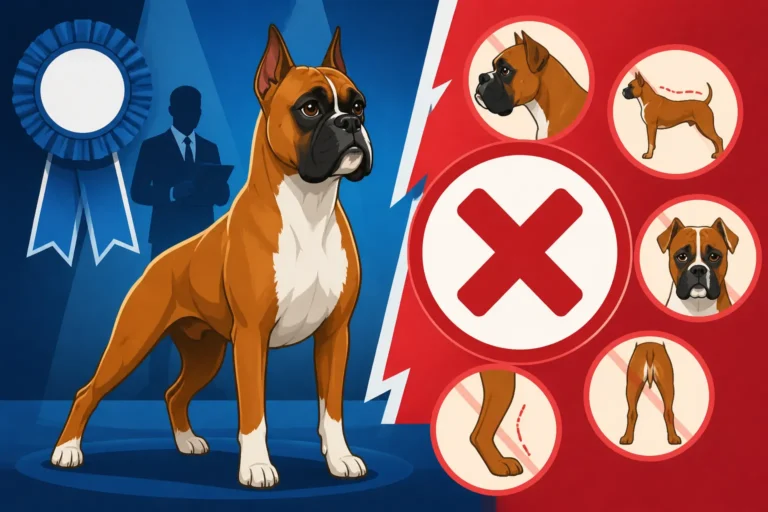
Telling a Boxer From an American Bulldog
It's incredibly easy to confuse a Boxer with an American Bulldog, especially if you're not intimately familiar with both breeds. Both are muscular, strong, and have that distinctive confident stance, often leading people to misidentify them or lump them together under the broad "bully breed" umbrella. This guide will walk you through the subtle yet significant differences in their appearance, personality, health, and care requirements, helping you confidently tell these two magnificent dogs apart.
Physical Distinctions: More Than Just a Flat Face
When you first look at a Boxer and an American Bulldog, you might think they share a lot of physical traits. They both have powerful builds, broad chests, and that unmistakable "push-in" face. However, a closer look reveals several key differences that set them apart. It's not just about size; it's about the entire silhouette, the head structure, and even the way their muscles are put together.
Head Shape and Muzzle
The head is perhaps the most defining characteristic for distinguishing these two. A Boxer's head is often described as "clean-cut" with no loose skin or excess jowls, though they certainly have plenty of loose skin around their mouths, leading to Boxer Jowls, Drool and the Mess They Make. Their muzzle is distinctly blunted, turning up slightly, and it should be broad and deep. The lower jaw extends beyond the upper jaw, giving them an undershot bite, but the teeth should ideally not show when their mouth is closed. Their eyes are dark and expressive, giving them that famously intelligent and curious look. The overall impression of a Boxer's head is one of elegance combined with strength.
In contrast, the American Bulldog often has a wider, squarer head that can appear more massive and powerful, often with more wrinkling or loose skin around the face and neck. Their muzzle can vary more depending on the specific type (there are different lines, such as the Johnson and Scott types, which have slightly different head characteristics), but it's generally broader and deeper than a Boxer's, and not necessarily turned up at the end. Their bite can also be undershot, but sometimes it's level or even slightly scissor-like. The American Bulldog's overall head often conveys a more rugged, "no-nonsense" demeanor compared to the Boxer's more refined look.
Build, Size, and Coat
When it comes to their bodies, both are undeniably muscular, but there's a difference in their athleticism. Boxers are known for their athletic, lean build. They are powerful, yet agile, with a smooth, firm musculature that is always ready for action. They typically stand between 21 to 25 inches at the shoulder and weigh anywhere from 55 to 75 pounds, with males generally being larger. Their gait is elastic and powerful, a testament to their working heritage. Their coat is short, smooth, and lies tight to the body. The classic Boxer colors are fawn and brindle, often with white markings that can range from minimal to "flashy" (more than one-third white). A Boxer's coat is often glossy and vibrant, highlighting their muscular contours.
American Bulldogs, on the other hand, tend to be heavier-boned and more compact. While also muscular, their build often appears more dense and blocky. They are generally larger and heavier than Boxers, with males often standing 20 to 28 inches tall and weighing between 60 to 120 pounds, sometimes even more. Their strength is undeniable, but they might not possess the same springy agility as a Boxer. Their coat is also short and smooth, but can sometimes feel a bit harsher to the touch. White is the predominant color for American Bulldogs, often with patches of brindle, fawn, red, or black. While both breeds shed, the Boxer's short, tight coat might shed less noticeably, though it still sheds!
Let's put some of these key physical differences into a quick table for easy comparison:
| Feature | Boxer | American Bulldog |
|---|---|---|
| Head Shape | Clean-cut, elegant, blunted, turned-up muzzle | Wider, squarer, more massive, sometimes wrinkled |
| Muzzle | Broad, deep, distinctively upturned | Broad, deep, less pronounced upturn |
| Bite | Undershot, teeth ideally not showing | Undershot, level, or slight scissor |
| Build | Lean, athletic, agile, smooth musculature | Heavier-boned, compact, dense, rugged |
| Height | 21-25 inches (shoulder) | 20-28 inches (shoulder) |
| Weight | 55-75 pounds | 60-120+ pounds |
| Coat Colors | Fawn, brindle, white markings | Predominantly white, with patches of color |
| Overall Impression | Elegant, athletic, alert | Rugged, powerful, sturdy |
Temperament, Energy, and Family Life
Beyond their looks, the true heart of any dog lies in its personality. While both Boxers and American Bulldogs are renowned for their loyalty and bravery, their inherent temperaments and how they express themselves can be quite different. Understanding these nuances is crucial for any potential owner.
The Boxer's Playful Clown vs. The Bulldog's Serious Guard
Boxers are famously known as the "clowns of the canine world." They maintain a distinct puppy-like playfulness well into adulthood, often acting silly and goofy, which is why owners often say Why Boxer Owners Say the Puppy Stage Never Ends. They are incredibly affectionate with their families, thriving on human companionship and always eager to be part of the action. Their loyalty is absolute, and they form deep bonds with their owners. While protective of their family, their watchdog instincts are usually expressed through barking or positioning themselves between their loved ones and perceived threats, rather than immediate aggression, which is a testament to Boxer Watchdog Instinct Without Aggression. They can be very patient and good with children when properly socialized, though their exuberant energy can sometimes lead to accidental bumps for very young kids. Their energy is boundless, demanding significant daily exercise and mental stimulation.
American Bulldogs, while also affectionate and loyal to their families, tend to have a more serious and protective demeanor. They were originally bred for farm work, including catching wild hogs and guarding property, so their protective instincts are often stronger and more pronounced. They are incredibly devoted to their people and can be gentle giants with children they know and trust, but their sheer size and strength mean supervision is always necessary. They may be more wary or aloof with strangers than a Boxer, assessing situations with a calm confidence rather than a Boxer's enthusiastic greeting. Their playfulness tends to be less overtly goofy and more robust. While they also need ample exercise, their energy might manifest differently – perhaps more as bursts of powerful activity rather than sustained, bouncy play.
Socialization Needs and Compatibility
Both breeds require early and consistent socialization to ensure they grow into well-adjusted adults. For Boxers, this means exposing them to a wide variety of people, places, sounds, and other dogs from a young age. Their natural exuberance means that teaching polite greeting manners is paramount to prevent them from jumping on visitors or getting overly excited around other dogs. They generally get along well with other pets if introduced properly, but their boisterous play style might be too much for very small or timid animals. The Boxer's social nature often means they enjoy dog parks and group play, assuming they have good manners.
American Bulldogs also benefit immensely from early socialization, perhaps even more so due to their strong protective instincts and powerful build. It's vital to teach them appropriate interactions with strangers and other animals, channeling their natural guarding tendencies into acceptable behaviors. They can be good with other dogs, but like Boxers, their size and strength dictate that any play should be supervised, especially with smaller dogs. Some American Bulldogs might have a stronger prey drive due to their historical role, which needs careful management, especially around cats or other small pets. Continuous positive reinforcement training is key for both, though a Boxer's desire to please might make them slightly more responsive to training games, whereas an American Bulldog might require a more firm, consistent, and patient approach given their independent streak.
Health Profiles: What to Expect from Each Breed
Understanding the typical health concerns for any breed is a cornerstone of responsible dog ownership. Both Boxers and American Bulldogs are generally robust dogs, but like all purebreds, they come with their own predispositions to certain conditions that prospective owners should be aware of.
Boxer-Specific Health Considerations
Boxers are, unfortunately, a breed known for a few significant health challenges. Heart conditions are a major concern, particularly Arrhythmogenic Right Ventricular Cardiomyopathy (ARVC), often referred to as "Boxer Cardiomyopathy." This condition can cause fainting, weakness, and even sudden death. Regular Holter monitoring is essential for Boxers, especially as they reach three years of age, to screen for this silent killer. Boxer Cardiomyopathy and the Holter Monitor delves deeper into this. Another heart issue is Subaortic Stenosis (SAS), a narrowing of the aorta that can limit blood flow.
Cancer is another prominent concern for Boxers. They have a higher incidence of various cancers compared to many other breeds, including mast cell tumors, lymphoma, and various carcinomas. Weekly lump checks are not just good practice, they're critical for Finding a Lump on a Boxer Early.
Being a brachycephalic (flat-faced) breed, Boxers can also be prone to breathing difficulties, especially in hot weather or during intense exercise. Owners must be vigilant about Keeping a Boxer Cool When It Cannot Pant Enough to prevent overheating. Other common Boxer issues include hip dysplasia, degenerative myelopathy (a spinal cord disease that affects older dogs), and various skin allergies. Their short snout also makes them more susceptible to Snoring and Noisy Breathing in a Boxer.
American Bulldog Health Tendencies
American Bulldogs, while generally considered a healthier breed than some, also have their share of potential health issues. Hip and elbow dysplasia are common orthopedic concerns, similar to many large, active breeds. Reputable breeders will perform health screenings on their breeding stock for these conditions.
Like Boxers, American Bulldogs can also be prone to certain cancers, though perhaps not to the same degree or with the same specific prevalence as Boxers. Eye problems, such as entropion (where the eyelid rolls inward) and ectropion (where the eyelid rolls outward), can occur, as can cherry eye. Some lines may also be predisposed to kidney or thyroid issues. Due to their dense build and sometimes brachycephalic tendencies (though usually less extreme than a Boxer), they can also be sensitive to heat, albeit typically less dramatically than the more extreme brachycephalic breeds.
Both breeds can also suffer from allergies, which often manifest as skin irritation or gastrointestinal upset. Finding a quality diet tailored to their needs can be essential, and reputable brands like Chewy offer a wide variety of specialized foods that can help manage these sensitivities.
Care and Commitment: Training, Exercise, and Grooming
Bringing either a Boxer or an American Bulldog into your home is a significant commitment. While they share the need for love and attention, their specific requirements for training, exercise, and grooming differ in ways that can impact your daily life.
Exercise Requirements and Heat Sensitivity
Boxers are high-energy dogs that require a substantial amount of daily exercise. We're talking at least 60-90 minutes of vigorous activity, broken into multiple sessions. This isn't just a leisurely walk around the block; it includes running, playing fetch, or engaging in dog sports. Without adequate exercise, a Boxer can become bored, destructive, and anxious. Why a Boxer Wrecks Things When Under-Exercised is a common frustration for owners who underestimate their needs. Due to their brachycephalic nature, Boxers are highly susceptible to overheating. Owners must be incredibly mindful of temperatures, especially in warmer climates. Morning or late evening exercise is often necessary in summer, and you need to know How Fast a Flat-Faced Boxer Overheats. Cooling vests and access to shade and water are non-negotiable.
American Bulldogs are also athletic and require regular, vigorous exercise to stay healthy and happy. While they may not have the same frantic energy as a young Boxer, they still need long walks, runs, and opportunities for mentally stimulating activities. Their powerful build makes them excellent partners for activities like weight pulling, rather than agility, for example. They are also prone to overheating, though generally less sensitive than Boxers due to their slightly longer muzzles. However, vigilance in hot weather is still crucial, and they should always have access to cool water and shade during outdoor activities. Their robust nature means they often enjoy more physically demanding play, but owners should be careful not to overexert them, especially in their younger, still-growing years, to protect their joints.
Training and Socialization Approaches
Training is critical for both breeds, but their individual temperaments call for slightly different approaches. Boxers are intelligent and eager to please, making them generally trainable. However, they can also be easily distracted and have a short attention span, especially as puppies, which means Why Short Sessions Suit a Boxer's Attention Span. Positive reinforcement, using treats and praise, works wonders. Consistency, patience, and making training fun are key to keeping a Boxer engaged. Given their strong prey drive and tendency to pull on a leash, starting early with loose leash training and using appropriate equipment like a no-pull harness (available on Chewy) is essential.
American Bulldogs are also intelligent and capable of learning, but they often have a more independent and stubborn streak. This means training requires immense consistency, patience, and a confident leader. They respond best to fair, firm, and positive reinforcement methods. Establishing clear boundaries from day one is crucial, as their size and strength make managing an untrained adult challenging. Their protective instincts mean that socialization should focus on teaching them appropriate responses to new people and situations, reinforcing that you are in control. Group classes can be beneficial for both breeds for socialization and training, helping them learn to focus amidst distractions.
Grooming and Maintenance
Both Boxers and American Bulldogs have short, low-maintenance coats. Weekly brushing with a rubber curry comb or a shedding blade is usually sufficient to remove loose hair and keep their coats healthy and shiny. Despite their short coats, they do shed, so regular brushing helps manage the hair around your home.
For Boxers, attention must be paid to their facial folds (if any, as some have more pronounced wrinkles than others), ensuring they are kept clean and dry to prevent skin infections. Their ears, whether cropped or natural, also need regular cleaning. Nail trimming is essential for both breeds to prevent overgrowth, which can lead to discomfort or paw problems. Due to their undershot jaw, Boxers can sometimes be prone to dental issues if not properly cared for. Boxer Dental Care and the Undershot Bite is a topic many Boxer owners become familiar with. Regular dental checks and teeth cleaning routines should be part of their care regimen. American Bulldogs, while also needing routine dental care, might not have the same specific challenges associated with an undershot jaw, but large breeds are still prone to plaque and tartar buildup.
Ultimately, both breeds are wonderful companions for the right families. The decision between a Boxer and an American Bulldog comes down to understanding these differences and choosing the breed that best aligns with your lifestyle, experience, and commitment level.
Disclaimer
This article is for general informational purposes only and does not constitute professional advice. Laws, prices and regulations vary by location and change over time. Consult a qualified professional for guidance on your specific situation.