Boxer Jowls, Drool and the Mess They Make
If you're a Boxer owner, you know the drill: you greet your enthusiastic, wiggling companion, and before you can say "who's a good dog?", a fine mist of slobber has decorated your pants, the wall, or even your face. It's a hallmark of the breed, those magnificent jowls that catch and then release impressive quantities of drool, often accompanied by a celebratory head shake. This guide is here to walk you through the delightful, sometimes messy, reality of Boxer jowls and drool, offering practical strategies to keep your home a little drier and your Boxer's skin healthy, all while still embracing their unique charm.
Understanding the Boxer's Unique Anatomy: The Jowls and Their Purpose
Let's face it, one of the most distinctive and endearing features of a Boxer is that magnificent, square head, complete with those wonderfully loose jowls. They're not just there for show; they're a fundamental part of what makes a Boxer a Boxer, rooted deeply in their history and function. But with great jowls, as they say, comes great responsibility — and a fair amount of drool.
The Distinctive Structure of Boxer Jowls
Those deep, pendulous folds of skin around your Boxer's mouth, often referred to as jowls or flews, are more than just cosmetic. They're a direct inheritance from their ancestors, particularly the Bullenbeisser, a powerful dog bred for holding wild boar and deer. When a dog like that grabbed hold of its prey, those loose lips allowed them to breathe without letting go, a crucial adaptation for survival and work. Modern Boxers, thankfully, aren't typically wrestling boars, but they retain that ancient, functional design.
This loose skin means that their mouths aren't designed for a tight, waterproof seal. Saliva naturally pools in these folds and recesses, patiently waiting for the opportune moment—often a sudden head tilt, a vigorous shake, or an excited pant—to make its grand escape. It's a feature that lends itself to their famously expressive faces, allowing for those comical grimaces and wide-mouthed smiles we all adore, even if it does mean a bit of extra cleanup.
The Role of the Undershot Jaw in Saliva Retention
Complementing those fabulous jowls is the Boxer's characteristic undershot jaw, or prognathism. This means their lower jaw extends beyond the upper jaw, causing the lower incisors to protrude slightly. While it's a breed standard and gives them that unique, powerful bite, it also creates an inherent challenge for keeping saliva neatly tucked away.
Because the teeth don't align perfectly and the lower jaw extends, there's often a slight gap, or at least a less-than-perfect seal, between the upper and lower lips. This natural opening allows for more saliva to escape than in breeds with tight, scissor bites. When your Boxer gets excited, thirsty, or simply takes a deep breath, that excess saliva, which usually would be swallowed or kept contained, can more easily dribble out. It's not a flaw, but a characteristic that plays a significant role in their drooling habits.
Beyond Appearance: Practical Functions of Boxer Facial Features
While we might focus on the mess, it’s worth remembering that these features evolved for a reason. The broad muzzle and strong jaw, combined with those jowls, provided a powerful, tenacious grip. The loose skin also offered a measure of protection, absorbing some of the impact during their original working roles. For today’s Boxer, this structure still contributes to their ability to pick up and carry toys, or even the occasional slipper, with surprising gentleness.
Even the undershot jaw, which seems to invite drool, contributes to their powerful bite. When they do close their mouth tightly, they can exert considerable force. These features are integral to the Boxer's unique identity, a blend of strength, character, and yes, a little bit of slobber. Understanding this helps us appreciate our Boxers not just for their playful personalities, but for the history literally etched into their faces.
Deciphering the Drool: Why Boxers Are So Prone to Dribbling
So, you’ve got the beautiful, boisterous Boxer, and along with the endless love and hilarious antics, you’ve also got… drool. Lots of it. It’s not just a random occurrence; there’s a science and a set of common triggers behind the Boxer’s penchant for slobber, and understanding them can help you manage the mess.
Normal Saliva Production and Boxer-Specific Triggers
Every dog produces saliva; it's essential for digestion, moistening food, and oral health. But Boxers seem to operate on an entirely different level. Their loose jowls, as we've discussed, act like little reservoirs for excess spit. Combine this with typical canine behaviors, and you've got a recipe for drool.
One of the biggest triggers is excitement. Is the mailman coming? Are you rattling the treat jar? Just walked in the door after a long day? Get ready for the Boxer wiggle and accompanying drool storm. Their enthusiasm often translates into increased panting and vocalizations, both of which encourage saliva production and, inevitably, its escape. Hunger is another prime culprit; the mere smell of dinner or the sound of kibble hitting the bowl can turn a Boxer into a drooling fountain as their digestive system prepares for a meal. Extreme heat or strenuous exercise also lead to increased panting to cool down, and guess what? More panting means more moisture in the mouth, and therefore, more drool. How Fast a Flat-Faced Boxer Overheats might be a good read if you often see excessive drool with heat.
The Mechanics of Drool Disbursement: How It Travels
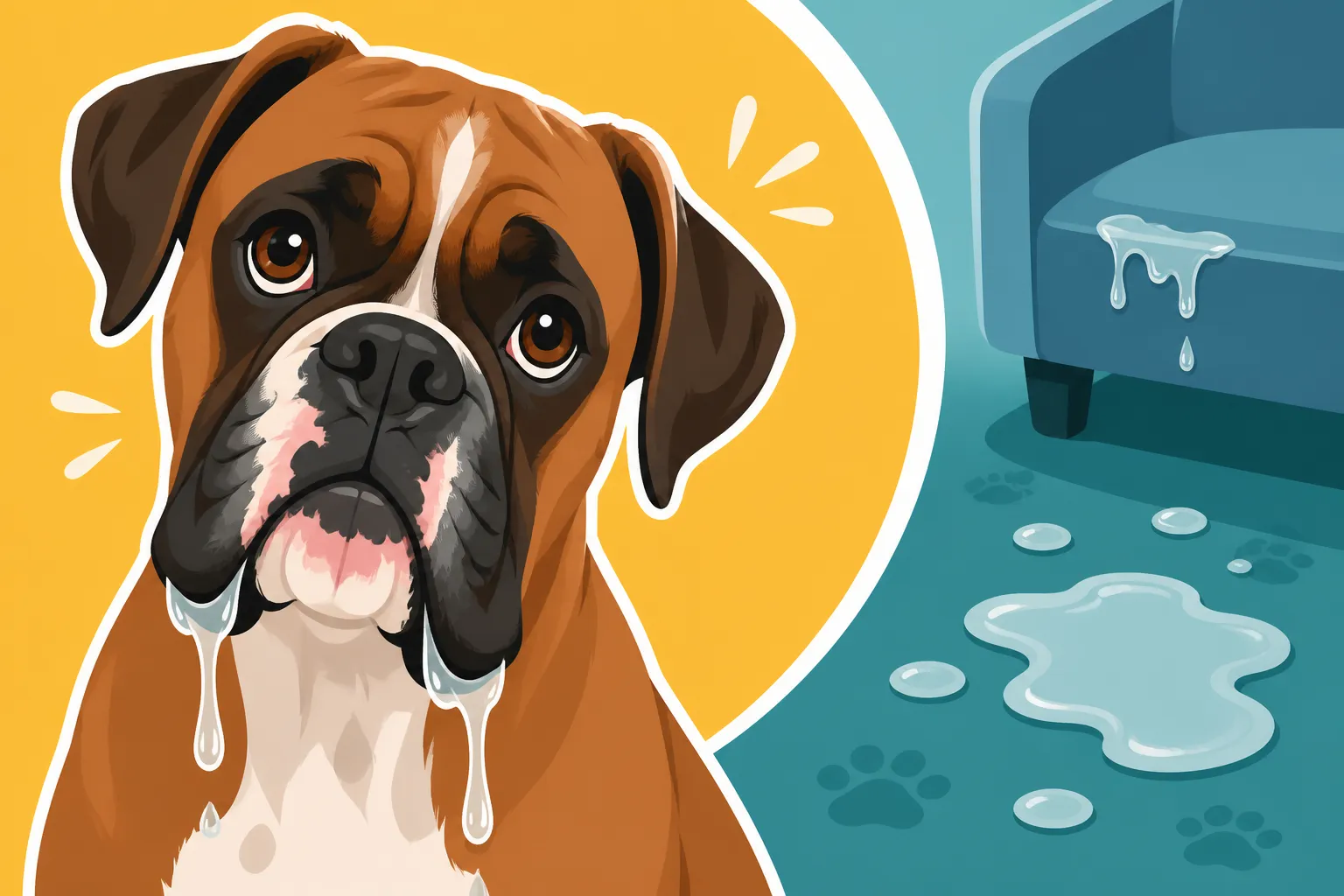
It's not just that Boxers drool a lot; it's how they distribute it. They are masters of the "slobber sling." Picture this: your Boxer just took a big drink of water, or maybe they’re just finished an intense play session. They suddenly shake their head, and whoosh! Tiny droplets, or sometimes not so tiny, become airborne projectiles, decorating walls, furniture, and unsuspecting guests with a fine, slimy spray. It’s like a canine Jackson Pollock.
This unique method of distribution is a direct result of their jowls. The excess saliva collects in the folds, and when the head moves with any kind of force, centrifugal motion takes over. It's often worse after they drink water, as the water mixes with the saliva, making it even more voluminous and easier to fling. Understanding this "slurp and flick" mechanism is key to anticipating and mitigating the spread. Many a new Boxer owner has learned this the hard way, often after re-painting a wall or investing in waterproof couch covers.
Recognizing When Drooling Signals a Health Concern
While a certain amount of drool is par for the course with a Boxer, there are times when excessive or unusual drooling can signal a problem. It’s important to distinguish between normal Boxer slobber and drooling that warrants a vet visit. If your Boxer is drooling significantly more than usual, especially if it's accompanied by other symptoms, pay close attention.
For instance, any sudden increase in drooling could indicate dental issues, such as a broken tooth, gum disease, or an abscess. These can be painful and cause discomfort, leading to excessive salivation. A foreign object lodged in the mouth or throat, like a stick splinter or a piece of toy, can also trigger profuse drooling as the dog tries to dislodge it. Nausea, stomach upset, or even certain toxins can also cause a dog to drool excessively. If you notice thick, ropey drool, blood in the saliva, pawing at the mouth, reluctance to eat, or changes in behavior alongside the drooling, don't hesitate. A quick call to your vet is always the best course of action to rule out any underlying health issues. Sometimes, a general increase in excitement or discomfort, perhaps due to another condition, might lead to more drool, so it's always worth investigating if something feels "off."
Everyday Strategies for a Drier Home and Happier Boxer
Living with a drool-prone Boxer doesn't mean resigning yourself to a perpetually sticky home. With a few consistent habits and smart choices, you can significantly reduce the mess and keep your Boxer comfortable and clean. It’s all about being proactive and setting up routines that work for both of you.
Establishing a Consistent Muzzle and Jowl Cleaning Routine
The simplest way to manage drool is to intercept it before it becomes airborne art. This means regular wiping, especially after meals, drinks, and moments of high excitement. Keep a dedicated basket of soft cloths or pet wipes near your Boxer’s food and water bowls, and perhaps another by the door for post-walk greetings. After they drink, gently wipe their jowls and muzzle to absorb any excess water and saliva.
Make it a positive experience with praise and maybe a small treat. This isn't just about cleanliness; it's also about preventing skin irritation. Moisture trapped in those deep folds can create a breeding ground for bacteria and yeast, leading to unpleasant odors and skin issues. A quick daily wipe-down not only manages the drool but also allows you to inspect their skin for any redness or soreness. For a deeper dive into this routine, check out Wiping a Boxer's Jowls and Muzzle Folds.
Safeguarding Your Home from Slobber Sprays
Your home can take a beating from the Boxer slobber sling, but it doesn't have to. Strategic placement of washable throws on furniture your Boxer frequents is a game-changer. Think of them as stylish, drool-proof barriers. Opt for materials that are easy to wash and quick to dry. For floors, especially in high-traffic areas or near water bowls, consider washable rugs or mats.
If your walls are suffering, a good quality, washable paint in semi-gloss can make cleaning up sticky streaks much easier. Many Boxer owners keep a designated "drool cloth" handy in every room, ready for quick clean-ups. Training your Boxer to "settle" on a specific blanket or bed when guests arrive can also help contain the excitement-induced drool. Consistency is key, and soon, these measures will become second nature. To learn more about living with the mess, read Drool Around a Boxer Household.
Choosing Optimal Food and Water Bowls for Minimal Mess
Believe it or not, your Boxer's food and water bowls can play a significant role in the amount of mess they make. For water, consider splash-proof bowls or those with a floating disc designed to minimize splashing and prevent your Boxer from getting their entire muzzle submerged. These can significantly reduce the amount of water that ends up on the floor, and subsequently, flicked onto your walls.
Material matters too; stainless steel or ceramic bowls are generally recommended over plastic, as plastic can harbor bacteria that might contribute to chin acne or odors. When it comes to food, especially for fast eaters, a slow-feeder bowl can help. By making them work a little harder for their kibble, it slows down their consumption, which can mean less frantic eating and potentially less mess around the bowl. You can find a wide variety of effective options for both water and slow-feeder food bowls on platforms like Amazon, making it easy to experiment and find what works best for your Boxer and your home. For more information on bowls and their impact, especially concerning bloat, our article Bowl Height and Bloat in a Boxer offers valuable insights.
Preventing Skin Issues and Unpleasant Odors in Boxer Folds
Those deep, lovable jowls and facial folds, while a breed signature, are also prime real estate for moisture, food debris, and general Boxer grime to collect. If left unchecked, this environment can lead to uncomfortable skin irritations and a distinct, not-so-pleasant odor. Regular preventative care is absolutely essential for your Boxer's health and your nose's happiness.
The Risks of Moisture and Bacteria in Deep Folds
Imagine wearing damp clothes all day, every day, in a hidden area of your skin that never sees sunlight or fresh air. That's essentially what can happen in your Boxer's facial folds if they're not kept clean and dry. The constant moisture from drool, water, and food particles creates a warm, humid breeding ground for yeast and bacteria. This environment is perfect for the development of conditions like skin fold dermatitis or pyoderma.
You might start to notice redness, irritation, a cheesy or yeasty smell, and sometimes even hair loss in these areas. Your Boxer might also be scratching or rubbing their face more than usual, indicating discomfort. If left untreated, these infections can become quite painful and require veterinary intervention, including medicated wipes, creams, or even oral antibiotics. Prevention really is the best medicine here, keeping those folds clean and dry.
Effective Drying and Hygienic Care for Facial Folds
The key to preventing those nasty infections is diligence. After your Boxer eats, drinks, or gets especially excited (and therefore extra drooly), take a moment to gently pat dry their facial folds. A soft, absorbent cloth or a clean cotton pad works well. Make sure to get into the crevices without being too aggressive. You're not scrubbing, just absorbing moisture.
For a deeper clean a few times a week, you can use veterinary-approved antiseptic wipes specifically designed for skin folds. These often contain ingredients like chlorhexidine or miconazole, which help to keep yeast and bacteria at bay. If you live in a particularly humid environment, or if your Boxer is prone to irritation, your vet might even recommend a light dusting of an antifungal powder after cleaning and drying, but always check with them first. Regular attention to these areas will make a huge difference. You can find detailed advice on addressing specific irritations in Sore Skin Under a Boxer's Lip Fold.
Tackling Boxer Chin Acne and Localized Irritations
Beyond the general folds, some Boxers are prone to chin acne, which manifests as small red bumps, blackheads, or even pustules on their chin and lower lip area. This isn't just unsightly; it can be itchy and uncomfortable for your dog. Chin acne is often exacerbated by plastic food and water bowls, as porous plastic can harbor bacteria that then irritates the hair follicles on their chin.
Switching to stainless steel or ceramic bowls is often the first, most effective step in managing chin acne. These materials are non-porous and much easier to sanitize thoroughly. Beyond that, a gentle daily cleaning of the chin with a mild antiseptic wipe (again, vet-approved) can help keep the area clear. Sometimes, warm compresses can help with inflammation. If the acne is persistent, severe, or seems to be causing your Boxer a lot of distress, your veterinarian can prescribe topical treatments or oral medications. For more guidance on managing this common issue, our article Cleaning a Boxer's Chin Acne provides practical tips.
Essential Tools and Products for Managing Boxer Drool
Navigating the world of Boxer drool isn't just about diligent wiping; there's a whole array of products designed to make your life a little easier. From specialized cleansers to ingenious accessories, having the right tools in your arsenal can turn the tide against slobber and keep your Boxer looking and feeling fresh.
Selecting the Right Wipes, Sprays, and Cleansers
The market is flooded with pet care products, so choosing the right ones for your Boxer's delicate facial area is crucial. For daily cleanup, opt for hypoallergenic, fragrance-free pet wipes. Brands that focus on natural ingredients or veterinary-grade formulations are often a good bet. These are perfect for quick clean-ups after drinks or excited greetings, effectively removing superficial drool and food residue without irritating sensitive skin.
For managing and preventing skin fold dermatitis, your vet might recommend specific antiseptic wipes or solutions containing ingredients like chlorhexidine, miconazole, or salicylic acid. These products are formulated to combat the yeast and bacteria that thrive in moist folds. Always follow your vet's advice on how often to use medicated products, as overuse can sometimes lead to dryness or irritation. You can easily find a comprehensive selection of these types of wipes, sprays, and cleansers on reputable online pet supply stores like Chewy, allowing you to compare options and read reviews to find what suits your Boxer best.
The Practicality of Boxer Bibs and Absorbent Towels
For the particularly enthusiastic droolers, or during times of peak excitement (like meal times or when company arrives), a dedicated Boxer bib can be an absolute lifesaver. These aren't just for puppies; adult Boxer bibs are designed to fit their broad chests and help absorb some of the front-facing drool before it reaches your clothes, furniture, or floors. Look for bibs made from absorbent materials like fleece or terry cloth, which are also easy to wash frequently.
Beyond bibs, having a stash of absorbent towels or "drool rags" strategically placed around the house is a simple yet effective strategy. Keep one by the couch, one near their water bowl, and one by the door. These can be old washcloths, cut-up towels, or inexpensive microfiber cloths. The goal is quick and easy access for immediate mop-ups. It might sound excessive, but trust me, having a dedicated drool towel within reach can save you a lot of grief (and cleaning time). Our article Drool Cloths and Bibs for a Boxer has even more insights on these handy items.
Maintaining Oral Health to Reduce Drool-Related Odors
While drool itself isn't inherently smelly, stagnant saliva, food particles, and bacteria in the mouth and folds certainly can be. Bad breath often contributes to the overall "Boxer odor" that some owners notice, and improving oral hygiene can help significantly. Even with an undershot jaw, regular tooth brushing is beneficial. You might need to be a little creative to reach all surfaces, but introducing a dog-specific toothbrush and enzymatic toothpaste early can make a big difference.
Dental chews, designed to scrape plaque and freshen breath, can also be a helpful addition to your Boxer's routine, but always choose appropriate sizes and supervise their use. Finally, regular veterinary dental check-ups are paramount. Your vet can assess for plaque buildup, gum disease, or other oral issues that might be contributing to excessive drooling or odor. Sometimes, a professional dental cleaning under anesthesia is necessary to address underlying problems that at-home care simply can't reach. Understanding the costs associated with this can be found in Dental Cleaning Prices for a Boxer. By keeping your Boxer's mouth healthy, you're not only improving their overall well-being but also contributing to a fresher-smelling home.
Lifestyle Adjustments for the Drool-Prone Boxer
Living with a Boxer is an adventure, and part of that adventure often involves managing their unique quirks, including their impressive capacity for drooling. While you can't stop a Boxer from being a Boxer, there are several lifestyle adjustments that can make a difference, helping to minimize the mess and ensure your beloved companion is as comfortable and healthy as possible.
Dietary Considerations for a Healthier Mouth and Gut
While diet isn't a direct "cure" for drooling, what your Boxer eats can indirectly influence their oral health and overall digestive system, which in turn might impact saliva production and consistency. High-quality dog food, free from excessive fillers and artificial ingredients, can contribute to better gut health, which some owners report can lead to less gas and a generally healthier mouth environment. A well-balanced diet supports strong teeth and gums, reducing the likelihood of dental problems that can cause excessive drooling.
Some owners explore fresh food diets, like those offered by services such as Ollie, which provide customized, human-grade meals. While these diets are often praised for promoting better coats and digestion, it's worth noting that fresh food, being softer, might stick around the jowls more easily, potentially requiring more immediate post-meal cleaning. Conversely, the increased moisture content in fresh food could paradoxically lead to less overall thirst-driven drooling if your Boxer is adequately hydrated through their meals. The key is to find a diet that works for your individual Boxer, consulting with your vet, and then adjusting your cleaning routine accordingly.
Minimizing Excitement-Induced Drooling and Overheating
Boxers are notoriously enthusiastic, and that boundless energy often translates into an increase in drool. Managing their excitement, especially during greetings or before activities, can help reduce the slobber factor. Teaching your Boxer calmer greeting behaviors, such as sitting patiently when guests arrive or when you come home, can make a big difference. Rather than immediately engaging in high-energy play, allow them a moment to settle down.
Overheating is another significant trigger for drooling, as Boxers pant more to cool themselves. Being a brachycephalic (flat-faced) breed, they are less efficient at cooling than other dogs. During warmer months, or after strenuous exercise, ensure your Boxer has access to plenty of fresh water and a cool, shaded resting spot. Avoid exercising them during the hottest parts of the day. A cooling vest or even a splash in a kiddie pool can help regulate their temperature, thus reducing excessive panting and subsequent drooling. Learning how to manage their attention, even outdoors, as discussed in Getting a Boxer's Attention Outdoors, can also help in calmer interactions.
Appreciating the Boxer Package: Mess and All
Ultimately, living with a Boxer means embracing the whole package – the goofy personality, the loyal companionship, the protective instincts, and yes, the drool. It’s an inherent part of their breed, a charming quirk that reminds you just how much love and excitement they have to offer. While implementing strategies to manage the mess is smart and necessary for hygiene, it’s equally important to accept that a little slobber is simply part of having a Boxer.
Rather than viewing it as a chore, try to see it as a reminder of their unique character. Those sloppy kisses, the enthusiastic head wiggles, the trail of drool leading to their favorite toy – these are all hallmarks of the breed that bring so much joy into our lives. With the right tools and routines, you can keep the drool under control without dampening your Boxer's vibrant spirit. It's about finding that balance and continuing to appreciate everything that makes your Boxer truly special.
Boxer Drool Management: Tools & Techniques at a Glance
| Aspect | Challenge | Solution | Recommended Products/Actions | Frequency |
|---|---|---|---|---|
| Facial Folds | Moisture buildup, skin irritation, odor | Regular cleaning & drying | Soft cloths, antiseptic wipes (vet-approved), cornstarch powder (consult vet) | Daily |
| Excess Drool | Slobber sling, wet floors/furniture | Interception & containment | Absorbent bibs, dedicated drool rags, furniture throws | As needed |
| Water Bowls | Splashing, widespread drool after drinking | Splash-proof design, proper material | Stainless steel/ceramic bowls, slow-drinking bowls, floating disc bowls | Continuous |
| Chin Acne | Bacteria from plastic bowls, irritation | Material change, targeted cleaning | Stainless steel/ceramic bowls, antiseptic wipes for chin | Daily |
| Oral Odor | Bacteria, dental issues, stagnant saliva | Oral hygiene, vet checks | Dog toothbrush/toothpaste, dental chews, professional cleanings | Daily/Annually |
| Excitement | Increased panting, drooling during greetings | Calm greetings, training, environmental management | Training "settle" cue, cool environment, positive reinforcement | As needed |
| Diet | Possible impact on saliva/gut health | High-quality, balanced nutrition | Premium kibble, fresh food (e.g., Ollie), vet consultation | Continuous |
Disclaimer
This article is for general informational purposes only and does not constitute professional advice. Laws, prices and regulations vary by location and change over time. Consult a qualified professional for guidance on your specific situation.