The Boxer Against the Bullmastiff
Choosing between two powerful, affectionate, and distinctive breeds like the Boxer and the Bullmastiff can feel like a monumental decision. Many prospective dog owners find themselves drawn to both for their loyal nature and imposing presence, but quickly realize that beyond a shared love for their families, these two breeds have very different needs and personalities. This guide will meticulously break down the unique characteristics, care requirements, and temperaments of the Boxer and the Bullmastiff, helping you understand which mighty dog might be the perfect fit for your home and lifestyle.
Physical Characteristics and Presence
When you stand a Boxer and a Bullmastiff side by side, even a casual observer can spot the differences. While both are powerful, robust dogs, their build, size, and specific facial features set them apart in distinct ways. Understanding these physical attributes is more than just about aesthetics; it directly impacts their exercise tolerance, grooming needs, and even potential health predispositions.
Size and Build: Athletic Agility Versus Solid Mass
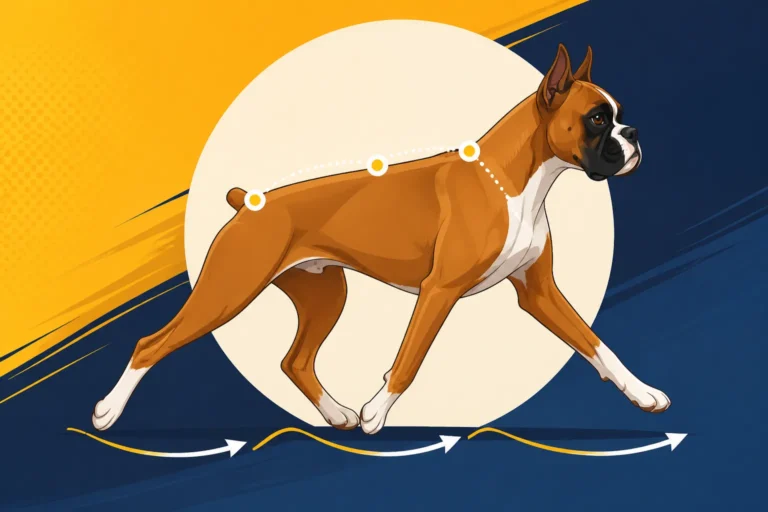
The most immediate difference you'll notice is their overall physique. Boxers are often described as athletic, medium-to-large dogs, built for speed and agility. They carry themselves with a certain elegance, their strong, muscular bodies always seeming ready for action. An adult male Boxer typically stands around 22 to 25 inches at the shoulder and weighs anywhere from 65 to 80 pounds, with females slightly smaller. They possess a square-jawed head, powerful neck, and a deep chest that tapers to a relatively narrow waist. Their gait is springy and efficient, reflecting their history as working and performance dogs. Think of a Boxer as a well-toned athlete, lean and ready to bound. You can learn more about The Boxer the Breed Standard Describes to get a full picture of their ideal physical form.
In stark contrast, the Bullmastiff is a true giant, built for power and intimidation. They are often referred to as "the gamekeeper's night dog" for a reason – their massive, muscular frame was designed to silently track and hold poachers. Males can stand between 25 to 27 inches at the shoulder and weigh a formidable 110 to 130 pounds, sometimes even more. Females are slightly smaller but still impressive at 100 to 120 pounds. Their build is undeniably heavy-boned and substantial, with a broad, deep chest and a body that conveys immense strength. Unlike the Boxer's tapered waist, the Bullmastiff's body tends to be more uniformly thick, a solid brick of muscle. Their movement is deliberate and powerful, not quite as agile as a Boxer's, but certainly not slow. When you see a Bullmastiff, you're looking at a force of nature, a dog designed to be a deterrent through sheer presence.
Coat, Color, and Grooming Needs
Both breeds boast short, smooth coats that lie close to the body, making their grooming needs appear minimal on the surface. However, there are subtle differences in their shedding patterns and the implications of their coat colors. Boxers typically come in fawn (ranging from light tan to deer red) or brindle (with dark stripes on a fawn background), often with white markings that can range from a few splashes on the chest to extensive "flashy" white on the face, chest, and paws. While their coats don't require professional grooming, Boxers do shed, sometimes more than people anticipate for a short-haired dog. A good curry brush or grooming mitt used weekly can help manage loose hair. Whether a Boxer Ever Needs a Groomer is a common question, but for the most part, simple home care suffices.
Bullmastiffs also have short, dense, and weather-resistant coats. Their accepted colors are fawn, red, or brindle, often with a distinctive dark mask on their muzzle. This mask is a hallmark of the breed and adds to their formidable appearance. Like Boxers, Bullmastiffs are not heavy shedding breeds, but they do shed year-round, with seasonal increases. Given their larger size, the volume of hair, even if individually short, can be noticeable. Regular brushing, perhaps two to three times a week, will help keep their coat healthy and minimize shedding. Both breeds benefit from a good bath every few months or as needed, using a quality dog shampoo that won't strip their natural oils.
Head and Muzzle: Distinctive Features
The head and muzzle are perhaps where the Boxer and Bullmastiff diverge the most visually, offering clues to their breed history and specific functions. The Boxer has a distinctly brachycephalic (short-nosed) head, though not as extreme as some other flat-faced breeds. Their muzzle is blunt, turned up, and broader than it is long, giving them that characteristic "pushed-in" look. This unique facial structure is tied to their historical role as bull-baiting and hunting dogs, designed for a powerful, tenacious grip. The undershot jaw, where the lower jaw protrudes beyond the upper, is a defining trait. However, this brachycephalic structure also means Boxers can be prone to Snoring and Noisy Breathing in a Boxer and can overheat easily, requiring careful management in warm weather.
The Bullmastiff also has a broad, square skull, but its muzzle, while relatively short, is proportionally longer than the Boxer's and less upturned. Their muzzle is broad and deep, giving them a powerful, blocky appearance. The Bullmastiff's skull should be large and wrinkled when alert, with a serious, intelligent expression. Their bite is usually level or slightly undershot. While not as prone to extreme brachycephalic issues as some breeds, Bullmastiffs can still be sensitive to heat due to their size and density, though typically less so than a Boxer. The serious, watchful expression on a Bullmastiff's face perfectly encapsulates their protective nature and stoic personality.
Temperament and Personality
Beyond their physical differences, the temperaments of the Boxer and the Bullmastiff offer another crucial distinction for potential owners. Both are fiercely loyal and loving towards their families, but the way they express these traits, their energy levels, and their general approach to life are quite different.
Energy Levels and Playfulness
This is often the biggest shock for people who haven't met a Boxer before: they are perpetual puppies! Boxers are renowned for their exuberant, boundless energy and playful nature, often acting like overgrown toddlers well into their senior years. Why Boxer Owners Say the Puppy Stage Never Ends is a common refrain because they retain their youthful enthusiasm, their famous "Boxer wiggle," and their desire to "box" with their front paws long past puppyhood. They love to run, jump, and play fetch, and thrive on interactive games with their human companions. A Boxer needs significant daily exercise and mental stimulation to prevent boredom and destructive behaviors. If you’re looking for a dog to join you on long runs or demanding hikes (in suitable weather), a Boxer might be a good fit, provided you understand their limits in heat.
Bullmastiffs, while certainly capable of enjoying a good romp, are generally much lower energy dogs, especially as adults. They are calm, watchful, and dignified, preferring to save their bursts of energy for important tasks (like investigating a stranger at the door). While puppies and young Bullmastiffs will have their playful moments, adult Bullmastiffs are quite content with a couple of moderate walks a day and plenty of lounging time. Their large size means they don't have the same sustained stamina as a Boxer, and intense, prolonged exercise can be hard on their joints. They are more likely to be found quietly supervising the household from a comfortable spot than demanding a game of fetch. Their energy is more like a slow, burning ember rather than a roaring bonfire.
Affection and Family Bonds
Both breeds form incredibly strong bonds with their families, but their expressions of affection can differ. Boxers are often described as "velcro dogs" because of their desire to be constantly close to their people. They thrive on human companionship and will follow you from room to room, leaning on you, and seeking out cuddles. Their loving nature extends to children, with whom they are generally patient and protective playmates, though their exuberance means supervision is always a must to prevent accidental tumbles. Boxers are incredibly sensitive and responsive to their family's moods, offering comfort and comic relief in equal measure. They often bond deeply with all family members, making them excellent family dogs for active households.
Bullmastiffs are equally devoted to their families, but their affection is often expressed with a quiet, unwavering loyalty rather than boisterous displays. They are gentle giants who enjoy being near their people, often settling for a head resting on your lap or a quiet presence in the same room. They can be incredibly affectionate and loving, particularly with children, forming a strong protective instinct over their "pack." However, they are not typically as overtly demanding of attention as a Boxer. Their bond is deep and serious, built on trust and a sense of duty. They are truly dedicated family guardians who adore their humans in a more reserved, yet profound, way.
Protectiveness and Stranger Reactivity
Here is where their historical roles truly shine through in their modern temperaments. Boxers were originally bred as hunting and guard dogs, and they retain a natural protective instinct. They are generally wary of strangers at first, observing them carefully before deciding if they are friend or foe. Once they accept someone, they are usually friendly and playful. However, their protective instincts mean they will alert their family to anything unusual and can be formidable defenders if they perceive a threat. Proper socialization from a young age is absolutely crucial to ensure a Boxer is confident and well-adjusted around new people and experiences, preventing them from becoming overly suspicious or reactive.
The Bullmastiff, on the other hand, was explicitly bred as a guardian. Their purpose was to deter and hold intruders, not to harm them, but their imposing size and serious demeanor leave no doubt about their capabilities. They are naturally watchful and reserved with strangers, often appearing aloof. This is not aggression, but rather a profound sense of self-possession and a desire to evaluate a situation. They are keen observers and will typically place themselves between their family and any perceived threat. Their protective instincts are strong and innate. Like Boxers, early and extensive socialization is vital to ensure a Bullmastiff is confident and discerning, rather than fearful or aggressive. Because of their size and strength, responsible ownership and training are paramount.
Exercise, Training, and Mental Stimulation
Both Boxers and Bullmastiffs are intelligent dogs, but their needs when it comes to physical activity, training approach, and mental engagement differ significantly, reflecting their distinct temperaments and physical builds.
Daily Exercise Requirements
As we touched upon earlier, the Boxer is a high-energy breed that needs a substantial amount of daily exercise. We're talking about Sixty to Ninety Minutes a Day With a Boxer, often split into a couple of brisk walks, vigorous play sessions, or even runs for healthy adults. They thrive on activities that engage both their bodies and minds, like fetch, agility, or obedience training. Without adequate exercise, Boxers can become bored, restless, and destructive, channeling their pent-up energy into chewing furniture or digging up the yard. Remember, they are athletes and need to move to stay physically and mentally healthy. Finding durable toys on sites like Chewy that can withstand their enthusiastic play is a must.
The Bullmastiff has much lower exercise requirements than the Boxer. While they benefit from regular activity, two moderate daily walks are usually sufficient. Their immense size means they can tire quickly, and strenuous exercise, especially in hot weather, can be detrimental to their joints and overall health. They are not built for sustained running or jumping. Instead, they enjoy leisurely strolls where they can sniff and explore, and a good romp in a securely fenced yard. Providing them with a comfortable place to rest after activity is just as important. They're more about quality over quantity when it comes to exercise.
Training Approaches and Challenges
Boxers are intelligent dogs, eager to please, but they also have a playful, sometimes clownish streak and can be easily distracted. This combination means that training needs to be engaging, positive, and consistent. Why Short Sessions Suit a Boxer's Attention Span is crucial—they learn best in short, fun bursts, often responding well to positive reinforcement methods like clicker training and food rewards. Repetitive, harsh, or boring training methods will quickly cause a Boxer to "shut down" or act out. They mature slowly, often retaining a puppy-like mentality until they are two or three years old, so patience and consistency are key during The Boxer Puppyhood That Lasts Three Years. Early socialization and puppy classes are highly recommended to channel their energy and ensure good manners.
Bullmastiffs are also intelligent, but they are often described as having a "thinking" nature. They can be stubborn and independent, requiring a confident, patient, and consistent handler. They respond best to calm, firm leadership and positive reinforcement, but they are not as quick to obey as some other breeds. Bullmastiffs need to understand why they should do something, and once they do, they are generally reliable. Their immense strength means that early leash training and impulse control are non-negotiable. Socialization is equally important for Bullmastiffs to ensure they are well-adjusted and differentiate between normal situations and actual threats. Think of it as convincing a wise, strong-willed friend rather than commanding a subordinate. You'll find many suitable training treats on Chewy for positive reinforcement with either breed.
Mental Stimulation and Enrichment
For Boxers, mental stimulation is almost as important as physical exercise. Puzzle toys, interactive games, chew toys, and obedience training challenges are vital to keep their sharp minds engaged. They love to learn new tricks and participate in dog sports like agility, rally, or even scent work. A bored Boxer is a destructive Boxer, so providing outlets for their intelligence and energy is paramount. Rotating toys and offering new challenges can keep them from getting bored.
Bullmastiffs, while lower energy, still require mental enrichment to prevent boredom and keep their minds active. Scent games, moderate puzzle toys, and short training sessions can be very beneficial. They enjoy being included in family activities and observing their surroundings. Their protective nature means they are often mentally stimulated by simply "on guard" duty, watching over their home and family. While not needing the constant high-octane engagement of a Boxer, a Bullmastiff will still appreciate thoughtful interactions and opportunities to use their intelligence.
Health and Lifespan Considerations
Both Boxers and Bullmastiffs are large, purebred dogs, and as such, they are predisposed to certain health conditions. Responsible breeders will screen their dogs for these issues, but prospective owners should be aware of the potential challenges that might arise. The Boxer Lifespan and the Years That Decide It is often a concern for owners.
Common Health Concerns by Breed
Boxers are unfortunately prone to a number of serious health issues. Cancer is notoriously prevalent in the breed, with a disproportionately high incidence compared to many others. Why Cancer Kills More Boxers Than Anything Else is a question many owners ask, with mast cell tumors, lymphoma, and brain tumors being particularly common. Heart conditions, especially Boxer Arrhythmogenic Right Ventricular Cardiomyopathy (ARVC), are another significant concern. This condition, often called "Boxer Cardiomyopathy," can lead to fainting, collapse, and sudden death, highlighting the importance of regular Annual Holter Screening as a Boxer Expense from a young age. Other issues include hip dysplasia, hypothyroidism, and bloat (gastric dilatation-volvulus), a life-threatening emergency.
Bullmastiffs, due to their massive size, are prone to musculoskeletal issues like hip and elbow dysplasia, as well as cruciate ligament tears. They also have a higher risk of bloat, just like Boxers, due to their deep chests. Eye conditions such as entropion and ectropion can occur. Like many large breeds, they can also be susceptible to certain cancers, though perhaps not with the same alarming frequency as Boxers for specific types. Cardiac issues can also be seen in Bullmastiffs, though ARVC is far more specific to Boxers. Reputable breeders for both breeds will provide health clearances for hips, elbows, and hearts, and for Boxers, genetic testing for ARVC and regular Holter monitoring.
Lifespan Expectations
The lifespan of a Boxer is sadly on the shorter side for a large breed, typically ranging from 10 to 12 years. However, many Boxers succumb to health issues, particularly cancer and heart disease, much earlier. This makes early detection and regular veterinary check-ups critically important for Boxer owners. Caring for a Boxer Past Eight often involves managing chronic conditions and being highly vigilant for any new lumps or changes.
Bullmastiffs generally have a similar, if not slightly shorter, lifespan than Boxers, typically living 8 to 10 years. Their large size and predisposition to certain health conditions contribute to this shorter average. Just like Boxers, regular veterinary care, a high-quality diet, and proper exercise throughout their lives are essential to maximize their health and longevity. It's a sad reality that giant breeds often have compressed lifespans, and it's a factor to seriously consider when bringing a Bullmastiff into your home.
Dietary Needs and Considerations
Both breeds require high-quality dog food appropriate for large, active (Boxer) or large, giant (Bullmastiff) breeds. For Boxers, maintaining a lean, muscular physique is crucial, as extra weight can exacerbate joint and heart problems. Feeding a Boxer to Stay Lean and Muscled means careful portion control and choosing a diet rich in protein with appropriate fat levels. For Bullmastiffs, controlled growth as puppies is vital to prevent skeletal problems. Overfeeding a growing giant breed puppy can lead to rapid growth that puts undue stress on developing bones and joints.
Both breeds are deep-chested and thus at risk for bloat. To mitigate this risk, it is highly recommended to feed them two or more smaller meals a day rather than one large one, and to ensure they rest for at least an hour before and after eating. Elevated bowls are sometimes suggested, but current veterinary advice is mixed on their effectiveness in preventing bloat. Discussing your dog's specific dietary needs with your veterinarian is always the best course of action. You can often find a wide variety of large breed specific foods and slow feeders on Chewy designed to help with fast eaters and bloat prevention.
Suitability for Different Lifestyles
Ultimately, choosing between a Boxer and a Bullmastiff comes down to matching a dog's inherent needs and traits with your lifestyle, living situation, and experience as a dog owner. While both are wonderful companions, they require very different commitments.
Ideal Living Environment
A Boxer thrives in an active household where they are a central part of family life. They do best with a securely fenced yard where they can burn off energy, but they are generally not suitable for living outdoors due to their short coat and desire for human companionship. They can adapt to apartment living if their exercise needs are rigorously met through daily walks, runs, and park visits, but they need space to zoom around. Their sensitivity to heat also means that air conditioning or careful management during warmer months is crucial.
A Bullmastiff, while large, can surprisingly do well in an apartment or smaller home, provided their moderate exercise needs are met. They are not as energetic as Boxers and are often content to lounge indoors with their family. A small, securely fenced yard is a bonus, but not strictly necessary if they get their daily walks. What they truly need is to be with their people. They are not outdoor dogs and thrive on being part of the household. Their stoic nature means they can be surprisingly quiet indoors, making them good neighbors as long as their protective instincts are well-managed.
Experience Level of the Owner
Boxers are often considered suitable for first-time dog owners who are committed to training, socialization, and providing ample exercise and mental stimulation. Their eager-to-please nature, combined with their intelligence, makes them highly trainable, but their high energy and slow maturity require a dedicated and patient approach. An inexperienced owner who underestimates a Boxer's needs could quickly find themselves overwhelmed by a boisterous, destructive dog.
Bullmastiffs are generally not recommended for first-time dog owners. Their immense size, strength, and strong protective instincts require an experienced, confident, and consistent leader. A Bullmastiff needs an owner who understands dog behavior, can establish clear boundaries, and is committed to ongoing training and socialization throughout the dog's life. Without proper guidance, a Bullmastiff can become overly protective or difficult to manage, which, given their size, can pose significant challenges. Their serious nature means they are less forgiving of inconsistent training than a playful Boxer.
Compatibility with Children and Other Pets
Both breeds can be excellent with children when properly socialized and raised together. Boxers are known for their playful and patient nature with kids, often becoming enthusiastic playmates. However, their high energy and tendency to "box" or jump means that adult supervision is essential, especially with very young children, to prevent accidental knocks or bumps. Teaching children how to interact respectfully with dogs is also critical. When it comes to other pets, Boxers can generally get along with other dogs and even cats if introduced properly, though their prey drive might surface with very small, fast-moving animals.
Bullmastiffs are renowned for their gentle and patient demeanor with children within their family. Their calm presence and protective instincts make them natural guardians. Again, due to their sheer size, supervision is necessary, but Bullmastiffs are less likely to accidentally knock a child over than a boisterous Boxer. They tend to be more deliberate in their movements. With other pets, Bullmastiffs can often coexist peacefully, particularly if raised with them. However, some Bullmastiffs may exhibit same-sex dog aggression, and their protective instincts can extend to other animals in the household, meaning introductions to new pets should always be done carefully and slowly.
Here's a quick comparison to help visualize the key differences:
| Feature | Boxer | Bullmastiff |
|---|---|---|
| Size/Build | Medium-large, athletic, lean, agile | Large/Giant, heavy-boned, massive, powerful |
| Weight (Approx.) | 65-80 lbs | 110-130 lbs |
| Energy Level | High, exuberant, "perpetual puppy" | Low to moderate, calm, dignified |
| Exercise Needs | 60-90+ min daily, vigorous | 30-60 min daily, moderate walks |
| Temperament | Playful, loyal, clownish, sensitive | Loyal, watchful, calm, reserved, serious |
| Protectiveness | Wary of strangers, good watchdog | Innately protective, aloof with strangers, guardian |
| Training Ease | Intelligent, eager, easily distracted, needs consistency | Intelligent, stubborn, needs confident handler |
| Maturity Age | 2-3 years (mental) | 1-2 years (mental) |
| Grooming | Minimal, sheds moderately | Minimal, sheds moderately |
| Health Concerns | Cancer, ARVC, bloat, hip dysplasia | Hip/elbow dysplasia, bloat, eye issues, some cancers |
| Lifespan | 10-12 years | 8-10 years |
| Ideal Owner | Active, committed to training, patient | Experienced, confident leader, patient |
| Drooling | Moderate to high | Moderate to high |
Ultimately, both the Boxer and the Bullmastiff are exceptional dogs that bring immense joy and loyalty to their families. The Boxer offers an energetic, playful companion who will keep you laughing and active, but demands a significant investment in exercise and training. The Bullmastiff provides a calm, steadfast guardian who thrives on quiet companionship and makes a formidable, yet gentle, protector, but requires an experienced hand to guide their formidable nature. Your choice will depend entirely on which set of traits best aligns with your own capabilities, lifestyle, and what you seek in a canine family member.
Disclaimer
This article is for general informational purposes only and does not constitute professional advice. Laws, prices and regulations vary by location and change over time. Consult a qualified professional for guidance on your specific situation.