Whether a Boxer Ever Needs a Groomer
It's easy to look at a Boxer's sleek, short coat and think, "Well, that's low maintenance!" Many of us, myself included, have fallen into the trap of believing that a Boxer is a wash-and-wear dog who barely needs a brush, let alone a professional groomer. But the truth is, while their grooming needs might look different from a Poodle or a Golden Retriever, our beloved Boxers require consistent, thoughtful care to stay healthy and comfortable. This guide will cut through the common misconceptions, exploring what real Boxer grooming entails, and when bringing in a professional can make all the difference.
The Deceptive Simplicity of a Boxer's Coat
That short, smooth coat is one of a Boxer's defining features, right? It's part of what makes them look so athletic and clean-cut. But this very characteristic often lulls owners into a false sense of security regarding their grooming requirements. You won't be dealing with mats, tangles, or elaborate haircuts, but that doesn't mean you can skip grooming altogether. In fact, neglecting regular maintenance can lead to some surprisingly stubborn issues for your Boxer.
Why a "Low Maintenance" Label Misleads
The term "low maintenance" for a Boxer's coat is almost a siren song. It suggests minimal effort, maybe a quick wipe-down and you're good to go. However, "low maintenance" usually only applies to the style of grooming, not the frequency or attention to detail. Boxers shed, often quite a lot, especially seasonally. That short hair isn't just going to magically disappear; it will embed itself into your furniture, carpets, and clothes with surprising tenacity. Without regular brushing, you'll be constantly living in a cloud of Boxer fluff.
Beyond shedding, the skin underneath that coat needs attention. Boxers are prone to certain skin sensitivities and allergies, and their short hair means any issue—a rash, a hot spot, or an itchy patch—is immediately visible. Ignoring these subtle signs because you believe your Boxer doesn't need "real" grooming can allow minor irritations to escalate into painful, more serious conditions. It's not about elaborate styling; it's about essential health and hygiene.
The Hidden Grooming Needs You Might Overlook
Because a Boxer's coat is so short, the common focus shifts away from the fur itself and towards other crucial areas that require diligent care. Think of it less as "hairdressing" and more as "body maintenance." Their famous jowls and facial folds, for instance, can trap moisture and food debris, becoming breeding grounds for bacteria if not cleaned regularly. Boxer Jowls, Drool and the Mess They Make covers this in more detail, but suffice it to say, neglecting these areas leads to odor and skin irritation.
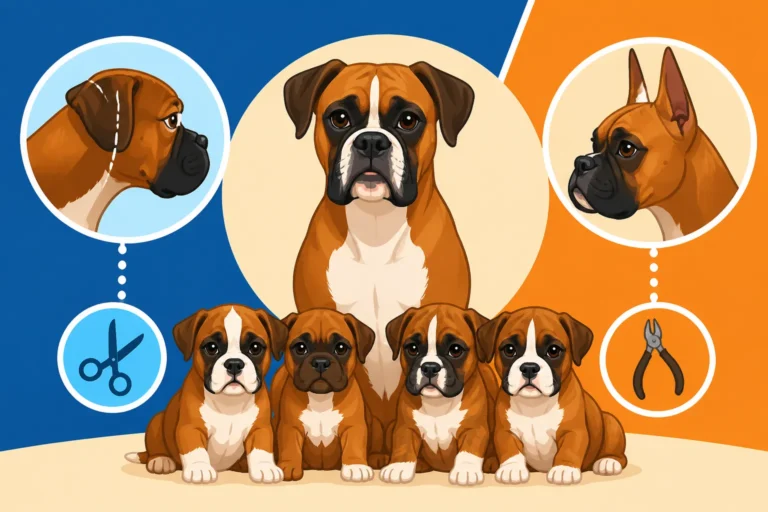
Then there are the nails. Boxers are active dogs, but many don't wear down their nails sufficiently through exercise alone, especially if they spend a lot of time on softer surfaces. Overgrown nails can cause pain, affect their gait, and even lead to toe injuries. Ear care is another big one, particularly for Boxers with natural (un-cropped) ears, which can trap dirt and moisture, making them susceptible to infections. And let's not forget the anal glands, which sometimes need expression, a task often associated with professional grooming. These aren't just cosmetic; they are fundamental aspects of a Boxer's well-being that can easily be overlooked by owners who assume their dog doesn't need "grooming."
Essential Home Grooming for Your Boxer
Alright, so if professional grooming isn't a weekly necessity for most Boxers, what should you be doing at home? The answer is a consistent routine of hands-on care that keeps their short coat healthy and prevents those common Boxer-specific problems from flaring up. Think of it as preventative maintenance that you perform yourself, ensuring your Boxer feels as good as they look.
Brushing for Skin Health and Shed Control
Even with their short coats, Boxers shed. A lot. How Much Hair a Boxer Really Sheds might surprise you. Regular brushing is key to managing this and, crucially, to stimulating skin health. A good brushing session does more than just remove loose hair; it distributes natural skin oils, promoting a healthy, shiny coat and helping to prevent dry, flaky skin. It's also an excellent opportunity to perform The Weekly Skin Check Every Boxer Needs, feeling for any new lumps, bumps, or tender spots that could indicate a problem.
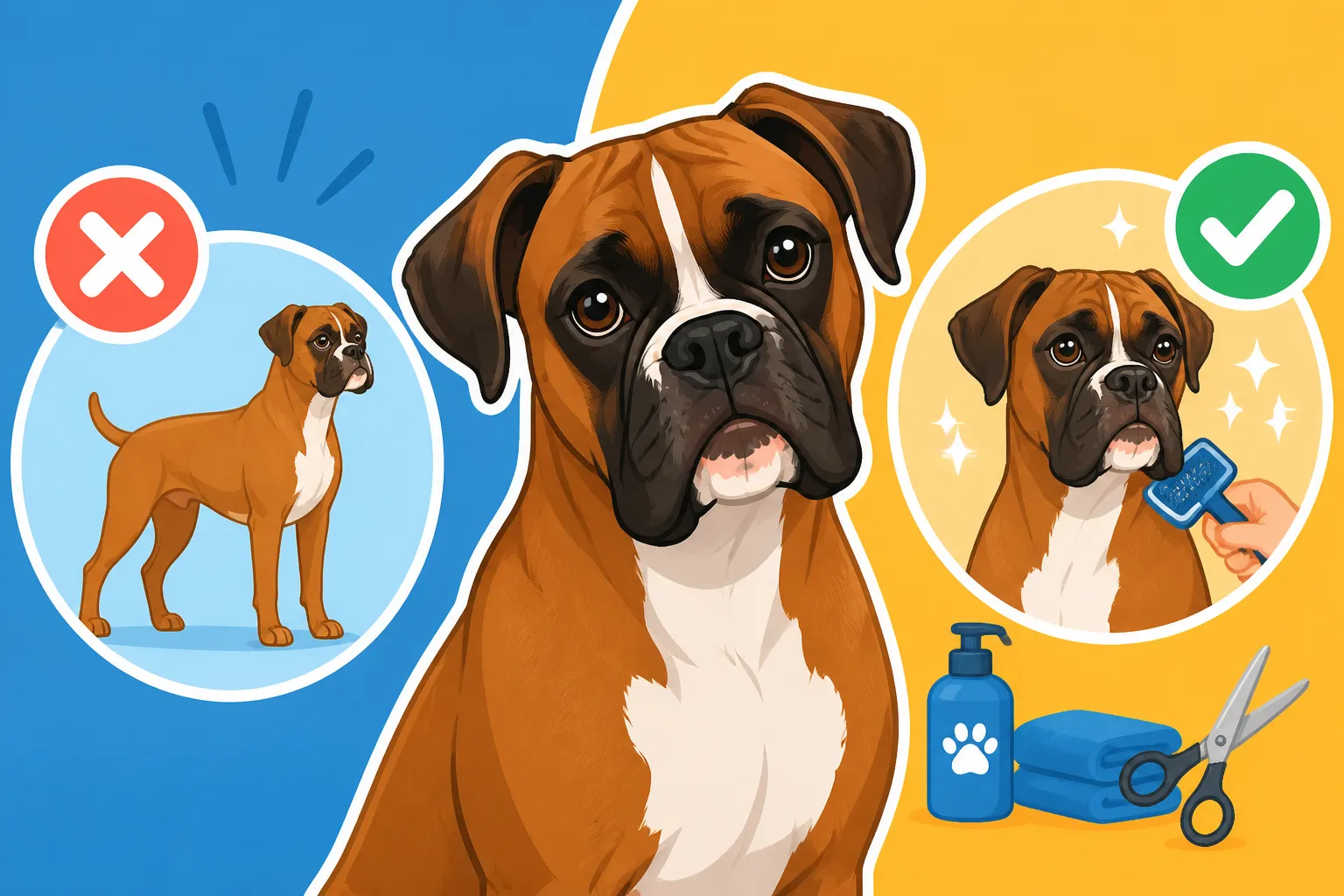
For Boxers, you don't need fancy tools. A rubber curry brush, like a Kong ZoomGroom, or a deshedding glove works wonders. These tools gently massage the skin while grabbing loose hairs before they end up on your couch. Aim for two to three times a week, especially during seasonal shedding cycles. It's also a bonding experience, turning a necessary chore into quality time with your dog. Consistent brushing reduces the amount of hair you find around the house and keeps your Boxer's coat looking its best.
Nail, Ear, and Dental Hygiene
These are non-negotiables for any dog, and Boxers are no exception. Neglecting them can lead to significant discomfort and health issues.
- Nail Trimming: Overly long nails can be painful, make it difficult for your Boxer to walk properly, and even contribute to joint issues over time. You should hear a faint clicking sound, if any, when your Boxer walks on a hard surface. If you hear loud clacking, their nails are too long. Start nail trimming young, making it a positive experience with treats. If you're nervous about clipping too short and hitting the quick, a Dremel grinder can be a less intimidating option for Boxer Nail Trimming. Aim for every 2-4 weeks, depending on how quickly your Boxer's nails grow and how much they naturally wear down.
- Ear Cleaning: For Boxers with natural ears, regular cleaning is essential to prevent infections, as their floppy ears can trap moisture and debris. Gently wipe the visible part of the ear and just inside the ear canal with a vet-approved ear cleaner on a cotton ball. Never insert anything deep into the ear canal. If you notice redness, odor, excessive scratching, or head shaking, it's time for a vet visit. Cleaning a Natural-Eared Boxer offers more detailed advice.
- Dental Care: Boxers, like other breeds, are prone to dental disease. Their undershot jaw can sometimes lead to crowded or misaligned teeth, making them more susceptible to tartar buildup. Brushing their teeth several times a week with a dog-specific toothbrush and toothpaste is ideal. If that's not feasible, dental chews can help, but they're not a substitute for brushing. Regular professional dental cleanings under anesthesia will likely be necessary as your Boxer ages.
Bathing and Wrinkle Care
Boxers generally don't need frequent baths unless they've rolled in something smelly or have a specific skin condition. Overbathing can strip their skin of natural oils and lead to dryness and irritation. When you do bathe them, use a gentle, dog-specific shampoo designed for sensitive skin, as Boxers can be prone to skin allergies. Shampoo for a Boxer With Sensitive Skin is crucial, especially if you're dealing with any redness or itchiness. Rinse thoroughly to prevent residue that can irritate the skin.
The facial folds and jowls, however, need daily or every-other-day attention. Use a soft, damp cloth or a pet-safe wipe to gently clean inside these folds, making sure to dry them thoroughly afterward. This prevents moisture and bacteria from building up, which can cause yeast infections or skinfold dermatitis. For deeper cleaning or specific needs, some owners find specialized pet wipes available on Chewy helpful for quick touch-ups. Products like these can make the routine much easier.
When a Professional Groomer Becomes a Game-Changer
While much of a Boxer's grooming can be handled at home, there are certainly times when a professional groomer can be an invaluable resource. It's not about them giving your Boxer a fancy hairdo; it's about specialized services, convenience, and an expert pair of eyes that can spot potential issues you might miss.
Addressing Specific Problems or Needs
Sometimes, despite your best efforts at home, a particular grooming challenge emerges that requires a professional touch.
- Persistent Skin Issues: If your Boxer is experiencing recurring skin problems, excessive shedding, or has a coat that just doesn't look healthy despite your diligent home care, a professional groomer might be able to offer insights or suggest specific treatments. They often have access to medicated shampoos, conditioning treatments, and deshedding protocols that can significantly improve your Boxer's coat and skin health. For example, if you're struggling with Why a Boxer's Short Coat Shows Every Rash, a groomer might have a specialized soothing bath treatment that could help.
- Anal Gland Expression: Not all Boxers need their anal glands expressed regularly, but some do. If your Boxer is scooting frequently, licking excessively at their rear, or you notice a foul odor, their anal glands might be impacted. This is a task that's often best left to a professional groomer or veterinarian, as improper technique can cause pain or even infection.
- Difficult Nail Trims: Some Boxers are absolute drama queens about nail trims, making it a stressful ordeal for both dog and owner. A professional groomer has the experience, specialized tools, and sometimes an extra set of hands to get the job done quickly and safely, minimizing stress for everyone.
- Deep Cleaning After "Incidents": Let's be honest, Boxers are clowns, and sometimes their antics lead to them rolling in something truly awful. A professional groomer has dedicated bathing stations, high-velocity dryers, and deodorizing shampoos that can tackle even the most offensive odors and grime far more effectively than your bathtub and kitchen sink.
The Value of a "Groomer's Eye"
One of the most underestimated benefits of a professional groomer is their experienced eye. They handle dogs all day, every day, and become incredibly adept at noticing subtle changes or anomalies that a pet owner, even a very attentive one, might overlook.
During a routine grooming session, a good groomer will thoroughly examine your Boxer's skin, paws, ears, and teeth. They might be the first to spot a new lump, an early sign of an ear infection, irritated skin between the toes (potentially Interdigital Cysts on a Boxer's Paw), or a developing dental problem. This early detection can be critical, allowing you to seek veterinary attention sooner rather than later, potentially leading to easier and less expensive treatment. For instance, if a groomer spots a suspicious lump, and you have pet insurance like Healthy Paws, early detection means it might not yet be classified as a pre-existing condition if a biopsy is needed down the line. This proactive approach to health is a significant advantage of occasional professional grooming.
Convenience for Busy Lifestyles
Life gets hectic. Between work, family, and other commitments, finding the time and energy for consistent, thorough home grooming can be a challenge. This is where a professional groomer truly shines as a convenience. Instead of spending your precious weekend wrestling your Boxer into the tub or struggling with nail trims, you can drop them off and pick up a clean, fresh-smelling dog.
For owners who travel frequently, a groomer can also be a lifesaver. Ensuring your Boxer is clean and well-maintained before a kennel stay or a trip to visit relatives can make the experience smoother for everyone. While the daily check of face folds is still on you, outsourcing the more involved tasks can significantly reduce your household stress and ensure your Boxer's hygiene doesn't fall by the wayside.
Choosing the Right Grooming Approach for Your Boxer
Deciding how to groom your Boxer isn't a one-size-fits-all situation. It depends on your Boxer's individual needs, your comfort level, your budget, and your lifestyle. The best approach often involves a combination of diligent home care and strategic use of professional services.
DIY vs. Professional: A Comparative Look
Here's a breakdown to help you weigh your options:
| Aspect | Do-It-Yourself (DIY) | Professional Groomer |
|---|---|---|
| Cost | Low initial cost for tools, ongoing cost for supplies. | Higher per-session cost, but includes all supplies and expertise. |
| Time Investment | Significant time required for each task, plus learning curve. | Saves personal time; convenient drop-off/pick-up. |
| Skill Required | Requires learning proper techniques (e.g., nail trimming, ear cleaning). | Expert skills in handling, specific techniques, problem identification. |
| Stress Level | Can be stressful for both if dog is uncooperative or owner is nervous. | Experienced handling can reduce dog's stress; less owner stress. |
| Early Detection | Relies on owner's vigilance; easy to miss subtle changes. | Trained eye often catches early signs of health issues. |
| Equipment | Basic tools (brushes, clippers, shampoo) purchased by owner. | Professional-grade equipment (grooming tables, high-velocity dryers, specialized shampoos). |
| Results | Can be good with practice, but might lack professional finish. | Consistent, high-quality results. |
For many Boxer owners, a hybrid approach works best: consistent weekly brushing, daily wrinkle wiping, and regular nail/ear care at home, supplemented by professional grooming appointments every few months or as specific needs arise. This balances cost, convenience, and comprehensive care.
Finding a Boxer-Savvy Groomer
If you decide to incorporate professional grooming, choosing the right groomer is paramount. Not all groomers are equally experienced with all breeds, and a Boxer's unique characteristics—their short face (brachycephalic nature), powerful build, and sometimes goofy energy—mean you want someone who understands them.
- Look for Experience with Brachycephalic Breeds: Ask if the groomer has experience with Boxers or other short-nosed breeds. These dogs can be more prone to overheating and respiratory issues, so a groomer familiar with their specific needs will take extra precautions, especially with drying and handling.
- Ask for References: Word-of-mouth is powerful. Ask other Boxer owners in your area who they recommend. Your vet might also have a list of trusted local groomers.
- Visit the Salon: Before making an appointment, visit the grooming salon. Is it clean? Does it smell good? Are the dogs being handled gently? Observe how the groomers interact with their canine clients.
- Discuss Your Boxer's Temperament: Be honest about your Boxer's quirks. Are they nervous? Overly excited? Prone to nipping? A good groomer will appreciate this information and adjust their approach accordingly.
- Talk About Specific Concerns: If your Boxer has sensitive skin or a known allergy, discuss this upfront. A reputable groomer will be happy to use a shampoo you provide or recommend a suitable product. Some high-quality food brands like Ollie, with their fresh, customized meals, can sometimes positively impact skin and coat health, reducing certain skin issues that might prompt a groomer visit.
Ultimately, whether a Boxer "needs" a groomer isn't a simple yes or no. It's about providing the comprehensive care they deserve. While much can be done at home, recognizing when professional help is beneficial means you're investing in your Boxer's long-term health, comfort, and happiness. It's all part of being a responsible Boxer parent, ensuring your beloved companion stays healthy, happy, and ready for their next adventure.
Disclaimer
This article is for general informational purposes only and does not constitute professional advice. Laws, prices and regulations vary by location and change over time. Consult a qualified professional for guidance on your specific situation.