Swollen Glands Under a Boxer’s Jaw
Discovering a swollen gland under your Boxer's jaw can send a jolt of anxiety through any dog owner. It’s natural to immediately jump to the worst-case scenario, especially knowing our beloved Boxers are prone to certain health challenges. This comprehensive guide aims to ease some of that worry by breaking down what swollen glands in a Boxer might mean, from common, easily treatable issues to more serious concerns, and what steps you need to take.
Understanding Your Boxer's Lymph Nodes
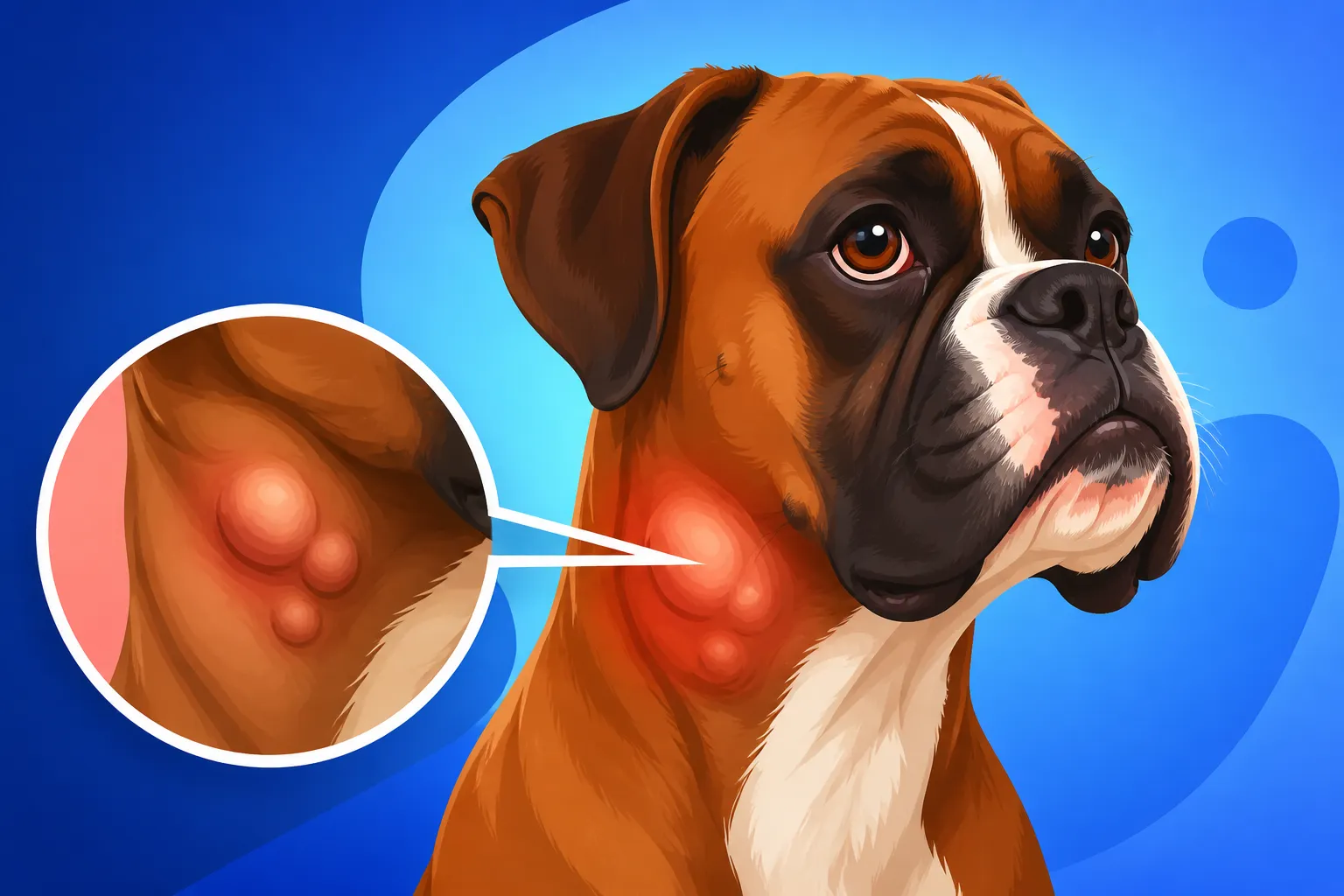
When you feel a lump or swelling under your Boxer's jaw, what you're most likely feeling are its submandibular lymph nodes. These tiny, yet mighty, organs are a crucial part of your dog's immune system, acting as vigilant checkpoints against invaders. Knowing where they are and what they normally feel like can help you identify when something's not quite right.
Where are the Lymph Nodes and What Do They Do?
Imagine your Boxer's immune system as a sprawling defense network, and lymph nodes as its vital command centers. The submandibular lymph nodes are located on either side of the jaw, tucked a little further back from the chin, beneath the angle of the jawbone. They're typically small, oval-shaped, and quite mobile, usually feeling like a tiny bean or pea when healthy.
Their job is to filter lymph fluid, a clear fluid that bathes your dog's tissues, collecting waste products, foreign particles, and even abnormal cells. When this fluid passes through the lymph nodes, special immune cells (lymphocytes) inside them go to work, trapping bacteria, viruses, fungi, and cancerous cells. If there's an infection or disease in the head or neck region, these nodes will often swell as they ramp up their defensive efforts, producing more immune cells to fight off the threat. It’s a bit like a bustling emergency room expanding its capacity when there's an influx of patients.
Normal vs. Abnormal Swelling
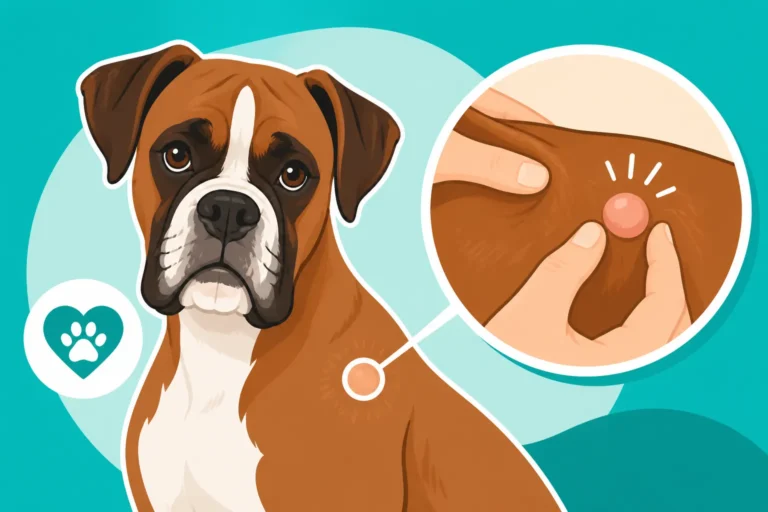
Regularly checking your Boxer for lumps and bumps is one of the best habits you can adopt. When you're gently running your hands over your Boxer's neck and jaw, try to locate these lymph nodes. A normal lymph node should feel small, soft, and easily moveable under the skin – almost unnoticeable to the untrained hand. Many owners won't even realize they're there until they become enlarged.
Abnormal swelling, on the other hand, is usually quite noticeable. The node might feel firm, hard, or even fixed to the surrounding tissue. It could be painful to your Boxer when touched, causing them to pull away or vocalize. The size can vary dramatically, from a marble to a golf ball, or even larger. It's also important to note if the swelling is on one side (unilateral) or both sides (bilateral). A bilateral swelling might suggest a more generalized immune response or systemic issue, while a unilateral swelling could point to a localized problem on that specific side, like a dental abscess. Don't panic if you find something; the key is to observe and act quickly. Regular checks, as discussed in detail in guides like Weekly Lump Checks on a Boxer, can help you catch these changes early.
Common Causes of Swollen Jaw Glands in Boxers
When a Boxer's submandibular lymph nodes swell, it's a clear signal that the immune system is actively responding to something. While it's easy for our minds to race to the worst possibilities, many causes are quite common and treatable. It's all about figuring out why the body is sounding the alarm.
Infections and Inflammation
One of the most frequent culprits behind swollen jaw glands is an infection or inflammation somewhere in the head or neck area. Think of these lymph nodes as the "drainage" system for this region; any local trouble can cause them to become enlarged.
Dental Disease: This is a big one. Boxers, like many breeds, are prone to dental issues, especially as they age. An abscessed tooth, severe gum disease, or even an injury to the mouth can cause bacteria to proliferate. The lymph nodes in the jaw area will swell as they try to filter out these bacteria and fight the infection. If your Boxer has bad breath, is reluctant to eat kibble, or you notice redness or bleeding gums, a trip to the vet for a thorough dental check is in order.
Upper Respiratory Infections: Just like in humans, a "cold" or other upper respiratory infection can cause lymph nodes to swell. If your Boxer has a cough, runny nose, or watery eyes alongside the swollen glands, it's likely their immune system is fighting off a viral or bacterial infection. Kennel cough, for instance, a common and highly contagious respiratory disease, often results in swollen lymph nodes as the body works to combat the infection.
Ear Infections or Skin Wounds: An ear infection, particularly if it's severe or chronic, can inflame the regional lymph nodes. Similarly, any cut, scrape, or insect bite on your Boxer's face, head, or neck can introduce bacteria, leading to a localized infection and subsequent lymph node swelling. For example, if your Boxer just had a rough play session in the yard and now has a small cut on its cheek, an enlarged lymph node on that side is a very understandable immune response. Even fungal infections, though less common, can cause inflammation and swelling in these nodes.
Allergic Reactions
Sometimes, the swelling isn't due to an infection but rather an overreaction of the immune system to an allergen. These can often be quite sudden and startling.
Insect Stings or Bites: This is a common scenario. Your curious Boxer might investigate a bee or wasp, resulting in a sting to the face or mouth. The venom causes a localized inflammatory and allergic reaction, often leading to rapid, sometimes dramatic, swelling of the face, muzzle, and potentially the surrounding lymph nodes. These swellings tend to be softer and more generalized than an infected lymph node, and often appear quickly.
Food or Environmental Allergies: While typically associated with itchy skin, ear infections, or digestive upset, severe allergic reactions to food or environmental allergens can sometimes manifest with facial swelling. This is less common for isolated lymph node swelling but can contribute to a more generalized puffiness around the jaw and throat area. If your Boxer has a history of allergies, this might be a factor.
Vaccine Reactions: Although rare, some dogs can have an allergic reaction to a vaccine, usually at the injection site. If the vaccine was given higher up on the neck, it could, in theory, cause regional lymph node swelling, though this is less likely to specifically affect the submandibular nodes compared to those closer to the shoulder. When considering these sorts of sudden, generalized swellings, medications like antihistamines might be prescribed by your vet to alleviate discomfort.
Benign Growths and Cysts
Not every lump is a lymph node, and not every lymph node swelling is due to infection or cancer. Sometimes, what you're feeling is something entirely different, or a benign enlargement.
Salivary Gland Cysts (Sialoceles): These are commonly mistaken for swollen lymph nodes. A sialocele occurs when a salivary gland or duct is damaged, causing saliva to leak into the surrounding tissues and form a fluid-filled sac. They often feel soft, fluctuate in size, and are usually non-painful. While they're not a lymph node, they are located in a similar area under the jaw and can cause concern. A vet can easily differentiate a sialocele from a lymph node by aspirating it, which means drawing fluid out with a needle.
Lipomas (Fatty Lumps): These are benign fatty tumors that are common in older dogs, including Boxers. While they are usually found on the trunk and limbs, they can appear anywhere. They are typically soft, mobile, and non-painful. However, a lipoma directly over or adjacent to a lymph node might make the area feel generally swollen. It’s always best to have any new lump checked, even if you suspect it's just a fatty lump. You can read more about various skin growths in Telling a Boxer Fatty Lump From a Tumor.
Histiocytomas: These are benign skin tumors that commonly affect young Boxers, usually under two years old. They typically appear as small, firm, button-like masses on the head, ears, or limbs. While they're not lymph nodes, one on the face or jaw could potentially cause local inflammation and secondary lymph node enlargement. These often regress on their own, but a vet visit is always recommended for diagnosis, as detailed in Histiocytomas on a Young Boxer.
When Swollen Glands Point to Cancer in Boxers
This is often the greatest fear for Boxer owners, and sadly, it's a valid one. Boxers have a well-documented predisposition to certain types of cancer, and swollen lymph nodes can indeed be one of the early warning signs. It's crucial to approach this possibility with realism and a proactive mindset.
Lymphoma: A Significant Concern for Boxers
Lymphoma is a cancer of the lymphatic system, which includes the lymph nodes, spleen, and bone marrow. It's unfortunately one of the most common cancers in Boxers, a breed whose genetics seem to make them particularly susceptible. If you find one or more firm, non-painful, and rapidly growing lymph nodes, especially if they're not just under the jaw but also in the armpits, groin, or behind the knees, lymphoma should be a top consideration.
Unlike an infection where nodes might be painful, lymphomatous nodes often aren't, making them easy to overlook in the early stages until they're quite large. Beyond the visible swelling, other signs of lymphoma can include a general lethargy, unexplained weight loss, decreased appetite, and sometimes an increase in thirst. It's a devastating diagnosis, but early detection can open up more treatment options. A deeper dive into how this cancer presents can be found in Boxer Lymphoma and How It Presents.
Diagnosing lymphoma involves a visit to the vet for a physical exam, followed by diagnostic tests. A fine needle aspirate (FNA) is often the first step, where a small needle is used to collect cells from the enlarged node for microscopic examination. This can often provide a presumptive diagnosis. If the FNA is inconclusive, or if a definitive diagnosis and grading are needed, a surgical biopsy of the entire lymph node might be recommended. Once diagnosed, the cancer is often "staged" to determine how far it has spread, which significantly influences the prognosis and treatment plan, as explored in Staging a Boxer's Lymphoma.
Metastatic Cancer
Swollen jaw glands can also indicate that cancer from another primary site has spread, or "metastasized," to the regional lymph nodes. These nodes act as filters, so if cancerous cells break away from a tumor elsewhere in the head or neck area, they can get trapped in the lymph nodes, causing them to enlarge and become cancerous themselves.
Common primary cancers that might metastasize to the submandibular lymph nodes include:
- Oral cancers: Squamous cell carcinoma, melanoma, or fibrosarcoma can develop in the mouth (on the gums, tongue, tonsils, or palate). These can spread quickly to the regional lymph nodes. This is why your vet will always perform a thorough oral exam if they suspect cancer.
- Skin cancers: Malignant melanoma or mast cell tumors on the face, muzzle, or neck can metastasize to the submandibular nodes. Boxers are particularly prone to mast cell tumors, which can be sneaky and appear as benign-looking lumps. Checking for The Lumps a Boxer Owner Has to Check For regularly is vital.
- Thyroid tumors: While less common, tumors of the thyroid gland (located in the neck) can also spread to nearby lymph nodes.
When considering metastatic cancer, the affected lymph node usually feels hard, fixed (not easily movable), and can sometimes be painful. The prognosis often depends on the type of primary cancer and how aggressive it is. The journey for Boxers with cancer is unfortunately a common one, as detailed in The Cancers That Take Most Boxers.
Diagnostic Steps for Suspected Cancer
If your vet suspects cancer, they'll recommend a series of diagnostic tests to get a clear picture. This process can be stressful, but it's essential for guiding treatment.
Fine Needle Aspirate (FNA): As mentioned, this is often the first step. It's relatively non-invasive and can often be done during a regular vet visit, sometimes even without sedation. A small needle is inserted into the lump, and cells are collected and spread onto a slide for a veterinary pathologist to examine under a microscope. This can often differentiate between infection, inflammation, benign cells, and cancerous cells. For more on this, see Needle Biopsy on a Boxer Lump.
Biopsy: If the FNA is inconclusive or if a definitive diagnosis and tumor grading are needed (especially for mast cell tumors or lymphoma), a surgical biopsy might be performed. This involves surgically removing a piece of the tissue, or even the entire lymph node, for histopathological examination. This provides a more comprehensive analysis and can determine the type and grade of cancer, which is critical for treatment planning.
Further Staging: If cancer is confirmed, your vet will likely recommend further "staging" tests to see if the cancer has spread elsewhere in the body. These can include:
- Blood tests: A complete blood count and biochemistry panel can give an overall picture of your Boxer's health and detect any systemic effects of cancer.
- Urinalysis: To check kidney function and overall health.
- X-rays: Chest X-rays are crucial to check for lung metastasis, a common site for many cancers to spread.
- Abdominal Ultrasound: This can check for spread to internal organs like the spleen, liver, or other lymph nodes within the abdomen.
- Bone Marrow Aspirate: Sometimes performed for lymphoma to assess bone marrow involvement.
This thorough diagnostic process is designed to give you and your vet the best possible information to make informed decisions about your Boxer's care, allowing for effective treatment options like chemotherapy, as discussed in Chemotherapy for a Boxer With Cancer.
What to Do When You Find Swollen Glands
Finding any unexpected lump or bump on your Boxer is unsettling. The immediate urge might be to panic, but taking a calm, methodical approach is always best for your dog's well-being and your own peace of mind.
Immediate Steps at Home
First and foremost, take a deep breath. While it’s good to be concerned, excessive worry won't help your Boxer. Instead, focus on gathering information that will be helpful to your veterinarian.
Observe Other Symptoms: Look for any accompanying signs that might give clues as to the cause. Is your Boxer acting differently? Are they more lethargic than usual? Is their appetite normal? Have you noticed any weight loss? Are they drinking or urinating more? Check their temperature if you have a rectal thermometer; a fever can indicate an infection. Note if they are pawing at their mouth or ear, drooling excessively, or having difficulty swallowing. These details are invaluable for your vet.
Check for Recent Injuries or Stings: Take a moment to examine your Boxer's face, muzzle, and ears very closely. Did they get into a tussle with another dog or cat? Did you see them sniffing around a bee's nest? Any small cut, scrape, or insect bite in the vicinity can cause regional lymph node swelling. Sometimes, the primary issue is so small it's easily missed.
Don't Self-Diagnose or Treat: Resist the urge to Google extensively and diagnose your Boxer yourself, or to try any home remedies. While the internet is a great resource for information, it can also lead to unnecessary stress and potentially delay appropriate treatment. Your vet is the expert, and a professional diagnosis is crucial. Do not try to squeeze or manipulate the lump, as this could cause discomfort or further inflammation.
Veterinary Consultation and Examination
As soon as you notice a swollen gland, schedule an appointment with your veterinarian. Even if it turns out to be something minor, it’s always better to be safe than sorry, especially with Boxers.
The Vet's Thorough Examination: When you arrive, your vet will perform a comprehensive physical examination. This won't just involve feeling the swollen gland but will include a full check of all accessible lymph nodes (under the jaw, in the armpits, groin, behind the knees), an oral examination (often requiring a good look at the teeth and gums), an ear check, and palpation of the neck and throat area. They will listen to your Boxer's heart and lungs and check their overall body condition.
Discussing the Diagnostic Plan: Based on their findings, your vet will discuss potential causes and recommend a diagnostic plan. This might start with something simple like a course of antibiotics if an infection is suspected, especially if there are other signs like a fever or dental issues. However, if the cause isn't immediately obvious, or if cancer is a concern, they will suggest more definitive tests like a fine needle aspirate (FNA) or blood work. They might also suggest imaging such as X-rays or ultrasound if they need to check for wider involvement. Remember, some causes are benign and easily treated, like a simple infection requiring antibiotics. Knowing the cost of a Needle Biopsy on a Boxer Lump and other diagnostics upfront can help you prepare.
The Role of Pet Insurance (Healthy Paws)
Let's be realistic: vet bills can add up quickly, especially when dealing with diagnostics and treatment for serious conditions like cancer. This is where pet insurance can be a real lifeline for Boxer owners. Companies like Healthy Paws understand the unique health challenges faced by Boxers and can help alleviate the financial burden during stressful times.
Enrolling your Boxer in a pet insurance plan before any health issues arise is paramount. If you wait until you find that lump under their jaw, any subsequent diagnosis, such as lymphoma, will likely be considered a pre-existing condition and may not be covered. This is a critical point that many new pet owners don't realize until it's too late. Ensuring your Boxer is insured early, perhaps even as a puppy, protects you against the unexpected, which is especially important given Boxer's predisposition to certain illnesses later in life. You can learn more about this in Insuring a Boxer Before the First Lump.
Healthy Paws, for example, is known for its comprehensive coverage for accidents and illnesses, including a high reimbursement rate and no annual limits on payouts for conditions like cancer. This means that if your Boxer does receive a difficult diagnosis, you can focus on making the best medical decisions without the added pressure of exorbitant costs. They can help cover everything from diagnostic tests like FNAs and biopsies to treatments such as chemotherapy and radiation, which can easily run into the thousands. Having that safety net in place allows you to say "yes" to necessary treatments without hesitation, ensuring your beloved Boxer gets the best possible care when they need it most. Considering the long-term health prospects, having a plan from a provider like Healthy Paws can truly make a difference in your Boxer's Boxer Lifespan and the Years That Decide It.
| Cause Type | Common Characteristics | Typical Treatment Approaches |
|---|---|---|
| Infection/Inflammation | Often painful, recent injury/illness, fever possible | Antibiotics, anti-inflammatories, dental work, wound care |
| Allergic Reaction | Sudden onset, generalized swelling, sometimes itchy | Antihistamines, corticosteroids, identifying allergen |
| Benign Growth/Cyst | Softer/fluid-filled (cyst), non-painful, slow growth | Aspiration (cyst), surgical removal (some growths) |
| Lymphoma (Cancer) | Firm, non-painful, rapidly growing, often multiple nodes | Chemotherapy, radiation, prednisone, supportive care |
| Metastatic Cancer | Hard, fixed, associated with primary tumor elsewhere | Dependent on primary cancer type, surgery, chemo, radiation |
Disclaimer
This article is intended for informational purposes only and is not a substitute for professional veterinary advice, diagnosis, or treatment. Always seek the advice of your veterinarian or other qualified health provider with any questions you may have regarding a medical condition.