How Common ARVC Is in Boxers
It’s truly heartbreaking when you hear about Boxers, these wonderful, goofy, loving dogs, being susceptible to serious health conditions. One of the most terrifying, because it can strike so suddenly and often without warning, is Arrhythmogenic Right Ventricular Cardiomyopathy, or ARVC. As a Boxer owner, or someone considering bringing one of these magnificent dogs into your life, the question of "how common is ARVC in Boxers?" is a heavy one, often accompanied by anxiety. This guide aims to shed light on this complex heart condition, its prevalence, and what you can do to protect your beloved Boxer.
Understanding ARVC: A Boxer's Heart Challenge
When we talk about ARVC, we're delving into a genetic predisposition that profoundly impacts the Boxer breed. It's not just a general heart issue; it's a specific, inherited condition that has earned the unfortunate nickname "Boxer cardiomyopathy" for a reason. Understanding what this means for your dog is the first step in addressing your concerns.
What is Arrhythmogenic Right Ventricular Cardiomyopathy ARVC?
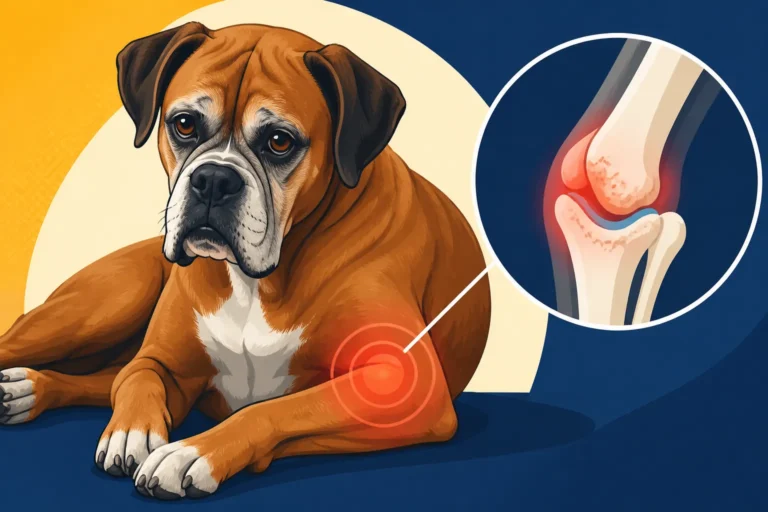
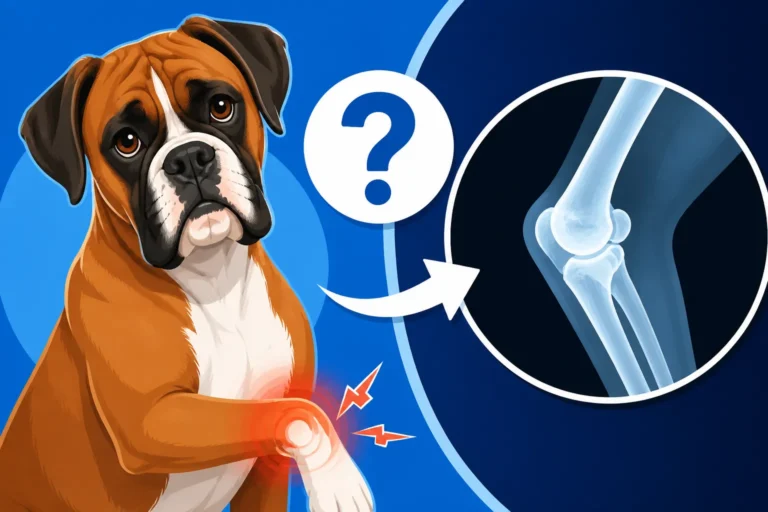
Imagine your Boxer's heart as a finely tuned, powerful engine, constantly pumping life-giving blood throughout their body. Now, picture a silent, insidious process starting to replace the healthy muscle cells in the right ventricle (one of the heart's main pumping chambers) with fatty and fibrous tissue. This is, in essence, what ARVC does. This isn't just cosmetic; these abnormal cells don't conduct electrical impulses correctly. The heart's electrical system, which dictates a steady rhythm, becomes prone to misfires, leading to dangerous arrhythmias, or irregular heartbeats.
Initially, your Boxer might show no outward signs at all. They might be bouncing around, full of their usual zest for life, while these subtle changes are occurring deep within their heart muscle. This is the truly terrifying part for many owners—the idea that something so serious could be brewing silently. These electrical disturbances can range from mild, intermittent irregularities to severe, life-threatening ventricular tachycardias. It's these severe arrhythmias that can suddenly disrupt blood flow to the brain, leading to fainting spells, collapse, or, most tragically, sudden death. It's a condition that truly impacts What Boxer ARVC Actually Does to the Heart, making it a constant worry for those who love this breed.
Why Boxers Are Uniquely Susceptible
Boxers are not just one of many breeds that can get ARVC; they are, unfortunately, genetically wired for it. This isn't a fault of diet or exercise (though these can influence the progression); it's largely in their DNA. Extensive research has pinpointed specific genetic mutations responsible for a significant portion of ARVC cases in Boxers, particularly a mutation in the striatin gene. This genetic link explains why the condition is so prevalent within the breed and why certain lines might be more affected than others.
When a Boxer inherits this gene mutation, it doesn't necessarily mean they will develop severe clinical signs, but it does mean they carry the predisposition. It’s like a loaded gun, but not everyone who holds it pulls the trigger. This genetic vulnerability is why responsible breeders emphasize screening and why the question of The Striatin Gene Test for Boxers is so vital. It’s a stark reminder that despite all the joy and love Boxers bring, their unique genetic makeup also carries specific, serious health challenges that owners must be aware of and actively manage.
The True Prevalence of ARVC in the Boxer Breed
When you’re grappling with the possibility of your own Boxer having ARVC, you want concrete answers. The statistics can be a bit sobering, but understanding them is crucial for proactive care.
What the Statistics Say
The prevalence of ARVC in Boxers is indeed significant, making it one of the most common and serious inherited diseases in the breed. While exact figures can vary depending on the study and the population of Boxers examined, most research indicates that a substantial percentage of Boxers carry the genetic mutation associated with ARVC. Some estimates suggest that 30-40% or even higher of the Boxer population may carry at least one copy of the primary striatin gene mutation linked to ARVC Type 1.
Now, it's important to distinguish between carrying the gene and developing clinical signs of the disease. Not every Boxer that carries the genetic mutation will go on to develop severe, life-threatening symptoms, but a significant portion will. The clinical prevalence (dogs showing symptoms or having detectable arrhythmias) is lower than the carrier rate but still alarmingly high, making ARVC a leading cause of sudden cardiac death in the breed. For many owners, the first, devastating sign of ARVC is Sudden Death in an Apparently Healthy Boxer, which truly underscores the "silent killer" aspect of this condition. This makes regular screening not just recommended, but absolutely essential for any Boxer owner.
Recognizing the Silent Threat: When Symptoms Appear
The challenging nature of ARVC is its often "silent" presentation. A Boxer can harbor this heart condition for years without showing any outward signs of illness. They might be a vibrant, playful dog, leading a seemingly normal life, even as their heart muscle is undergoing degenerative changes. This asymptomatic phase is precisely why ARVC is such a source of anxiety for owners. You can’t tell by looking at them.
However, as the disease progresses, or when a critical arrhythmia occurs, symptoms can manifest. The most commonly reported signs include:
- Syncope (Fainting Episodes): This is one of the more dramatic and terrifying symptoms. Your Boxer might suddenly collapse, lose consciousness, and then recover within a minute or two. These episodes can be triggered by excitement, exercise, or even appear spontaneously. Witnessing your dog suddenly drop can be incredibly frightening, leaving you feeling helpless. This could be a clear sign of Fainting Episodes in a Boxer and warrants immediate veterinary attention.
- Exercise Intolerance or Weakness: While Boxers are generally high-energy dogs, an ARVC-affected Boxer might start showing a reduced ability to exercise. They might tire more quickly on walks, lag behind, or need to rest more frequently. This isn't just "getting older" or "being lazy"; it could be their heart struggling to keep up. Pay close attention if your typically active Boxer suddenly seems less enthusiastic about their usual activities, or if you notice A Boxer That Collapses After Exercise.
- Coughing or Difficulty Breathing: Less common but still possible, severe ARVC can sometimes lead to congestive heart failure, which might manifest as coughing (especially at night or when lying down), difficulty breathing, or a swollen abdomen due to fluid retention.
- Sudden Death: This is the most tragic and common outcome for Boxers with undiagnosed ARVC. A seemingly healthy Boxer, often in the prime of their life, can simply collapse and die without any prior warning signs. This is why vigilance and proactive screening are so critical.
It's important to remember that these symptoms can also point to other health issues, so a definitive diagnosis always requires a veterinary examination and specialized cardiac testing.
Screening and Management: Proactive Steps for Boxer Owners
Given the prevalence and serious nature of ARVC, proactive screening and diligent management are paramount for any Boxer owner. It's about taking control where you can and giving your dog the best chance at a long, healthy life.
The Importance of Regular Cardiac Screening
Because ARVC can be so stealthy, routine check-ups often don't catch it in its early stages. A stethoscope might pick up an arrhythmia, but many Boxers with ARVC have perfectly normal heart sounds on a general exam. This is why specialized cardiac screening is absolutely non-negotiable for Boxers. The gold standard for detecting ARVC, particularly the electrical abnormalities, is the 24-hour Holter monitor.
A Holter monitor is a small, portable ECG device that your Boxer wears for a full day. It continuously records their heart's electrical activity as they go about their normal routine – playing, sleeping, eating. This allows veterinarians to capture sporadic arrhythmias that might not show up during a brief in-clinic ECG. Most veterinary cardiologists recommend starting Holter monitoring for Boxers around three years of age, and then annually thereafter. This regular screening is critical because the disease can progress, and new arrhythmias can develop over time. Understanding Why a Boxer Holter Starts at Three Years can help you plan this important part of their routine care.
When the Holter results come in, your vet or cardiologist will be looking for specific patterns, particularly the number of premature ventricular contractions (PVCs). These are the "misplaced" beats that signal an electrical instability. They'll assess Counting PVCs on a Boxer's Holter Result to determine if your dog has ARVC and how severe it might be. This proactive approach allows for early detection, which means earlier intervention and potentially a much better prognosis for your Boxer. The costs associated with these specialized tests, and any potential treatment, can add up, which is why many Boxer owners consider pet insurance. A reputable provider like Healthy Paws can offer peace of mind, helping to cover unexpected vet bills related to cardiac care.
Living with an ARVC Diagnosis
Receiving an ARVC diagnosis for your Boxer can feel devastating. It's natural to feel overwhelmed, anxious, and even guilty. However, it's crucial to remember that a diagnosis is not an immediate death sentence. With proper management, many Boxers with ARVC can live full, happy lives for years. The key is strict adherence to your veterinary cardiologist's recommendations.
Treatment primarily focuses on managing the arrhythmias and preventing sudden cardiac death. This often involves medication, such as antiarrhythmics like Sotalol or Mexiletine. These drugs work to stabilize the heart's electrical activity and reduce the frequency and severity of dangerous PVCs. Your vet will carefully monitor your Boxer's response to medication and adjust dosages as needed. It's important to understand Sotalol for a Boxer With Ventricular Beats and other medications, as they will likely become a permanent part of your Boxer's daily routine.
Beyond medication, lifestyle adjustments are usually necessary. This typically involves moderating exercise. While Boxers are active dogs, strenuous, high-intensity exercise can trigger dangerous arrhythmias in affected individuals. Your cardiologist will help you determine How Hard a Boxer With an Arrhythmia Can Work, often recommending controlled, moderate activity instead of vigorous play or running. This might mean adjusting your daily walks or opting for less intense games.
The emotional toll on owners is immense. Living with a dog with a chronic, potentially life-threatening condition requires constant vigilance and can be incredibly stressful. The financial burden can also be significant, with ongoing medication costs, regular Holter monitoring, and specialist consultations. This is where comprehensive pet insurance, like policies offered by Healthy Paws, can be invaluable. It can significantly lighten the load of What Boxer Cardiomyopathy Costs a Family, allowing you to focus on your Boxer's care without constant worry about the bills.
The Role of Responsible Breeding and Genetic Testing
The fight against ARVC in Boxers starts long before a puppy ever comes home: it begins with responsible breeding practices. Because ARVC has a strong genetic component, breeders play a critical role in reducing its incidence within the breed. Reputable breeders are committed to understanding The Health Screening a Boxer Breeder Owes You and will routinely screen their breeding stock for ARVC using Holter monitors, echocardiograms, and genetic testing.
Genetic testing for the striatin gene mutation (ARVC Type 1) is a powerful tool. It identifies carriers, even those who may never develop severe symptoms themselves. This allows breeders to make informed decisions, ensuring that at least one parent of a litter is "clear" of the mutation, preventing any puppies from being affected by this particular genetic type of ARVC. While it's a step in the right direction, it's not a complete solution. Genetic testing doesn't cover all possible forms of ARVC, and even dogs that test "clear" for the known mutations can still sometimes develop arrhythmias. This is why A Boxer That Tests Clear but Still Has ARVC can still be a reality, and why Holter screening remains vital even for genetically clear lines.
The goal isn't necessarily to eliminate every carrier from the gene pool, as this could severely limit genetic diversity, but rather to breed thoughtfully to produce healthy puppies. A responsible breeder will be transparent about their screening practices, be able to show you cardiac certificates for their breeding dogs, and answer all your questions about ARVC. Choosing a puppy from such a breeder, even if it means a higher initial cost, is one of the most proactive steps you can take to minimize the risk of this devastating disease in your future Boxer.
| Aspect | Boxer Carrying ARVC Gene (Potential) | Boxer with Clinical ARVC Diagnosis |
|---|---|---|
| Genetic Status | Possesses one or two copies of gene mutation(s) | Possesses one or two copies of gene mutation(s) |
| Outward Symptoms | Often none; appears healthy and normal | May experience fainting, collapse, weakness, exercise intolerance |
| Holter Monitor | May show no PVCs or a low number of PVCs | Typically shows significant PVCs (often thousands), potentially runs of ventricular tachycardia |
| Risk of Sudden Death | Lower than clinically affected, but still present | Significantly increased, especially if untreated |
| Management | Regular annual Holter screening, careful monitoring | Medications, exercise restriction, ongoing monitoring |
| Life Expectancy | Can be normal if asymptomatic or well-managed | Varies greatly; can be years with proper treatment, but risk of sudden death remains |
Disclaimer
This article is intended for informational purposes only and is not a substitute for professional veterinary advice. If you have concerns about your Boxer's health, please consult with your veterinarian or a board-certified veterinary cardiologist. Always seek the advice of a qualified professional for any questions regarding your pet's medical condition.