Boxer Testicular and Mammary Tumors
Few things can make a Boxer owner's heart sink faster than finding an unexpected lump or change in their beloved dog. We’re constantly checking them, feeling for anything out of the ordinary, and it’s especially concerning when those lumps appear in areas like the testicles or mammary glands. These aren't just cosmetic worries; they can signal serious health issues, including cancer, which Boxers are, unfortunately, prone to. This guide is here to walk you through understanding testicular and mammary tumors in Boxers, what to look for, and how to stay proactive in their health.
Understanding Testicular Tumors in Male Boxers
It's a scary thought, but testicular tumors are a real concern for male Boxers, especially those who haven't been neutered. These aren't always immediately obvious, and can sometimes grow silently, making regular checks absolutely essential.
Why Intact Males Are at Higher Risk
The biggest risk factor for testicular tumors in Boxers is simply being an intact male. Without castration, the testicular tissue remains, and with it, the potential for cancerous changes. This risk is amplified significantly in dogs with cryptorchidism, a condition where one or both testicles fail to descend into the scrotum. If your Boxer puppy has an undescended testicle, you might have heard your vet recommend neutering early, and there’s a very good reason for that. These undescended testicles, retained either in the abdomen or inguinal canal, are exposed to higher body temperatures and often develop abnormally, increasing their cancer risk by as much as 10 to 14 times compared to normally descended testicles.
Imagine finding a lump on your Boxer years down the line, only to learn it could have been prevented. That’s the reality many owners face. The retained testicle doesn't just sit there benignly; its cellular environment is different, making it far more susceptible to malignant transformation. Even if a Boxer has one descended and one undescended testicle, the risk is still there for the retained one. This is why many veterinarians will strongly advise neutering these dogs, even if the descended testicle appears healthy, as it's truly a ticking time bomb.
It's important to remember that Whether early neutering changes Boxer cancer risk is a discussion you should have with your vet, particularly concerning cryptorchidism, as the consensus usually leans towards early intervention for prevention in these specific cases.
Common Types and How They Present
There are a few main types of testicular tumors commonly seen in Boxers, and each can present a little differently. The most frequent ones include Sertoli cell tumors, interstitial (Leydig cell) tumors, and seminomas.
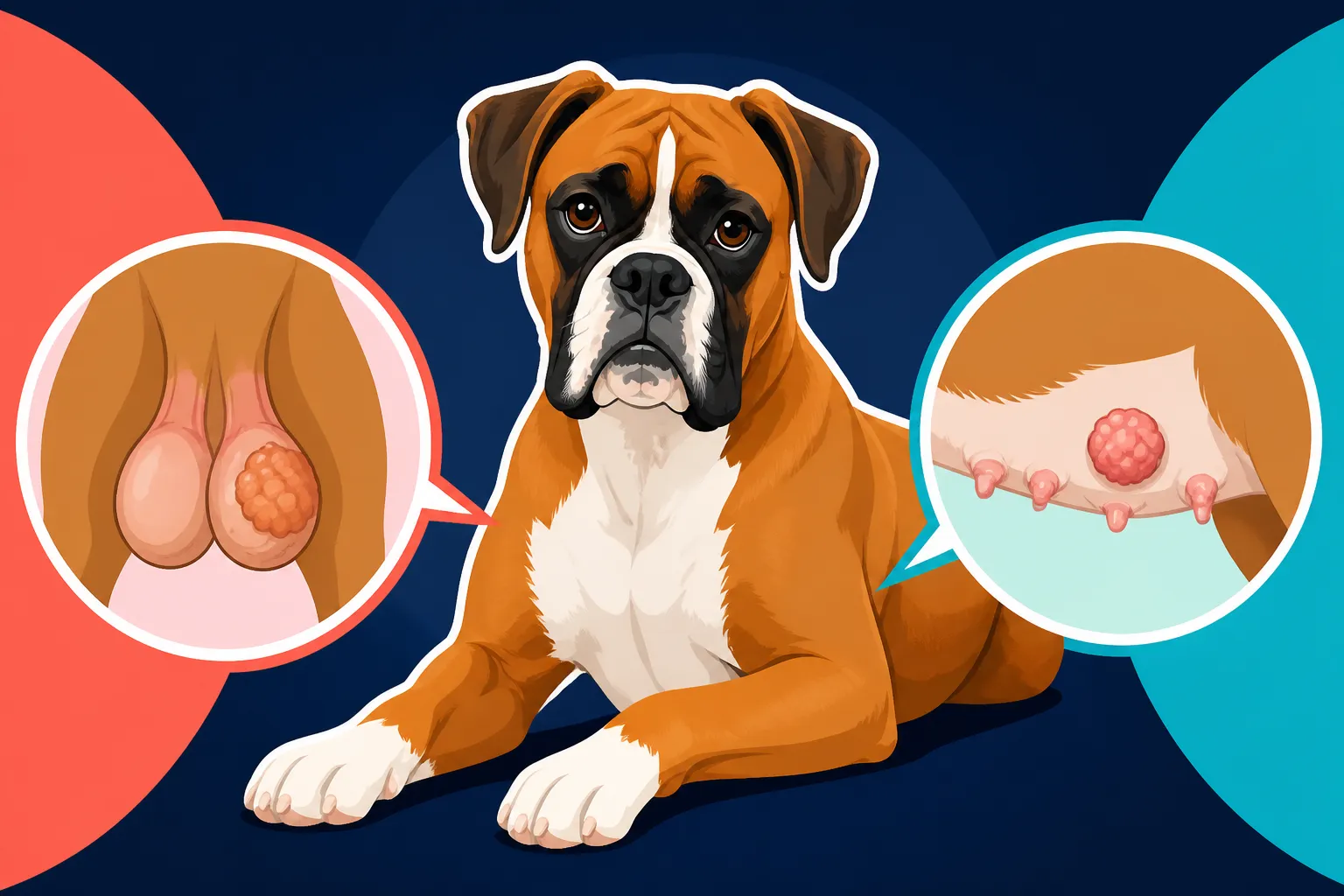
Sertoli cell tumors, for instance, are often associated with cryptorchid testicles, especially those retained in the abdomen. These tumors can sometimes produce estrogen, leading to a condition called "feminization syndrome." You might notice your male Boxer developing enlarged mammary glands, showing less interest in other dogs, or even losing hair symmetrically on his flanks. His skin might become thin, and he could even develop a pendulous prepuce, almost mimicking a female dog’s appearance. These hormonal changes are a huge red flag and should prompt an immediate vet visit.
Interstitial cell tumors, or Leydig cell tumors, are generally benign and don't usually cause hormonal imbalances or widespread issues. They might appear as small, firm nodules within the testicle itself. Seminomas, on the other hand, can be more aggressive and, like Sertoli cell tumors, are also more common in undescended testicles. They tend to grow larger and can potentially metastasize, though this is less common than with some other types of cancer. Regardless of the type, any noticeable change in the size, shape, or texture of your Boxer's testicles warrants a trip to the veterinarian. Early detection really is key.
The Importance of Early Detection and Treatment
The good news is that if detected early, testicular tumors in Boxers generally have a good prognosis. The primary treatment is usually surgical removal of the affected testicle, or both if they're both at risk or involved. For cryptorchid dogs, this means surgically locating and removing the retained testicle as well.
This is where your routine Weekly Lump Checks on a Boxer come in handy. Even if your male Boxer is intact, regular, gentle palpation of his scrotum can help you spot any changes early. Feel for any new lumps, changes in size, symmetry, or texture. Don’t be shy; your Boxer's health depends on it. If you feel anything unusual, don't wait. A veterinary examination will involve a thorough physical check, and if a lump is found, your vet might recommend an ultrasound to get a better look. In some cases, a fine needle aspirate (FNA) might be performed, but often, the definitive diagnosis comes after surgical removal and histopathology. This is critical because some tumors, especially Sertoli cell tumors, have the potential to spread, so getting a clear diagnosis and removing the tumor while it's localized gives your Boxer the best chance.
Navigating Mammary Tumors in Female Boxers
Mammary tumors are another significant concern, particularly for unspayed female Boxers. Just like with testicular tumors, early detection and understanding the underlying causes are paramount to giving your girl the best possible outcome.
The Link Between Hormones and Mammary Tumors
The connection between a female Boxer's hormones and her risk of developing mammary tumors is incredibly strong. Simply put, exposure to ovarian hormones, especially estrogen and progesterone, significantly increases the likelihood of these tumors forming. This is why veterinarians often recommend spaying female dogs, especially before their first heat cycle. Studies have shown that spaying a Boxer before her first heat cycle can reduce the risk of mammary tumor development by a staggering amount – close to 0.5%. If spayed after the first heat, the risk is around 8%, and after the second heat, it jumps to 26%.
These statistics aren't meant to scare you, but to inform you about the powerful protective effect of early spaying. Each heat cycle and subsequent hormonal surge can contribute to the growth of abnormal cells in the mammary tissue. While some mammary tumors are benign, about 50% of them are malignant, meaning they are cancerous and can spread to other parts of the body, like the lymph nodes or lungs. This is why for many Boxer owners, making the decision to spay is not just about preventing unwanted litters, but also a crucial preventative health measure against this common type of cancer. For some, the long-term health benefits far outweigh any perceived drawbacks.
Identifying Lumps and Their Characteristics
Mammary tumors can appear as small, firm nodules under the skin of your Boxer’s belly, often near the nipples. They can occur in any of the mammary glands, from the chest all the way down to the groin. Sometimes, you might find just one lump, but it's not uncommon to find multiple lumps in different glands, or even a chain of them.
When you're doing your regular The Lumps a Boxer Owner Has to Check For routine, pay close attention to the entire mammary chain. Feel for anything new:
- Size: Tumors can range from tiny pea-sized nodules to large, obvious masses.
- Texture: They might feel firm, hard, or sometimes a bit rubbery.
- Mobility: Some lumps might feel mobile under the skin, while others might be fixed and appear to be adhered to underlying tissue, which can be a more concerning sign.
- Skin Changes: Look for any changes in the skin over the lump, such as redness, ulceration, swelling, or discharge from the nipple.
It's absolutely impossible to Telling a Boxer Fatty Lump From a Tumor just by touch. A fatty lump (lipoma) is usually soft and movable, but a tumor can mimic these characteristics, especially if it's benign. Any new lump in the mammary area should be considered suspicious until proven otherwise by a veterinarian. Do not try to diagnose it yourself or wait to see if it grows. Get it checked out.
Diagnostic Steps and Prognosis
When you discover a mammary lump on your Boxer, your vet will perform a thorough physical examination. They will carefully palpate all mammary glands and the surrounding lymph nodes to check for any other masses or signs of spread. The next crucial step is typically a Needle Biopsy on a Boxer Lump (fine needle aspirate or FNA), where cells are collected from the lump and examined under a microscope. While an FNA can sometimes give an indication of whether the lump is benign or malignant, it's not always definitive.
The gold standard for diagnosis and staging is surgical removal of the tumor (or tumors) followed by a histopathological examination of the tissue by a veterinary pathologist. This provides a definitive diagnosis of the tumor type (e.g., adenoma, carcinoma), its grade (how aggressive it looks under the microscope), and whether the surgical margins are clear of cancer cells. Based on these findings, your vet can then discuss the prognosis.
For malignant tumors, further diagnostics might include chest X-rays to check for spread to the lungs and abdominal ultrasound to check for spread to other organs or lymph nodes. If the tumor is malignant, treatment might extend beyond surgery to include chemotherapy, which we discuss in Chemotherapy for a Boxer With Cancer. The prognosis varies widely depending on the tumor type, size, grade, and whether it has spread. Early detection and complete surgical removal, especially for smaller, lower-grade tumors, significantly improve the chances of a good outcome.
Prevention and Proactive Health Management
While we can't completely eliminate the risk of all cancers in Boxers — after all, The Cancers That Take Most Boxers are unfortunately common in the breed — we can certainly take proactive steps to minimize the chances of testicular and mammary tumors.
The Role of Spaying and Neutering
As we’ve touched upon, spaying female Boxers and neutering male Boxers are the most impactful preventative measures against these specific types of tumors. For males, neutering removes the testicles entirely, eliminating the risk of testicular cancer. This is especially critical for those cryptorchid males, where the risk of tumor development in the retained testicle is dramatically elevated. For female Boxers, spaying, particularly before their first or second heat cycle, drastically reduces their lifetime exposure to hormones that fuel mammary tumor growth.
Choosing the right time for spaying or neutering is a conversation to have with your veterinarian, weighing the benefits against any other health considerations. For many Boxer owners, the reduction in cancer risk, along with preventing unwanted litters and often mitigating certain behavioral issues, makes this a clear choice for their dog's long-term health and well-being. This is a foundational step in proactive care that can truly make a difference in Boxer Lifespan and the Years That Decide It.
Regular Vet Checks and At-Home Examinations
Beyond spaying and neutering, consistent vigilance is your Boxer’s best friend. This means two things: regular veterinary check-ups and diligent at-home examinations.
Your vet is your partner in this. During annual (and for older Boxers, semi-annual) wellness exams, your veterinarian will perform a thorough physical palpation, checking all mammary glands and testicles. They are trained to feel for subtle changes that you might miss. Don't hesitate to point out anything you've noticed during your own checks.
And those at-home checks? They are absolutely crucial. Set a reminder for yourself to do a full-body Weekly Lump Checks on a Boxer. For male Boxers, gently palpate their scrotum, feeling each testicle for changes in size, shape, or texture. For female Boxers, systematically feel along their entire mammary chain, from armpit to groin, checking each nipple area and the tissue around it. Make it a bonding experience, not a chore. A treat afterward never hurts! The earlier you find a lump, the better the prognosis, regardless of whether it's ultimately benign or malignant. If you Finding a Lump on a Boxer Early, it allows for prompt veterinary evaluation and intervention.
Supporting Your Boxer's Overall Health
While spaying/neutering and lump checks are specific to these tumors, a strong foundation of general health supports your Boxer's overall resilience against all diseases, including cancer. This means:
- Nutrition: Feeding a high-quality, balanced diet appropriate for your Boxer's age and activity level.
- Exercise: Ensuring they get adequate exercise to maintain a healthy weight and strong immune system. Obesity can contribute to inflammation and other health issues that might indirectly influence cancer risk.
- Stress Reduction: Providing a stable, loving environment helps reduce stress, which can also play a role in overall health.
- Supplements: Discussing any potential supplements, like omega-3 fatty acids, with your vet, as these can support general health and have anti-inflammatory properties.
A healthy Boxer is a happy Boxer, and while genetics play a huge role in their predisposition to certain cancers, good husbandry can go a long way in supporting their fight.
Financial Considerations and Support
Let's be real, facing a cancer diagnosis with your Boxer isn't just emotionally taxing; it can also be a significant financial burden. The costs associated with diagnostics and treatment can quickly add up, leaving many owners feeling overwhelmed.
The Costs Associated with Diagnosis and Treatment
When a lump is found, whether on the testicle or mammary gland, the first step is always diagnosis. This typically involves a vet consultation, Needle Biopsy on a Boxer Lump (FNA) or an excisional biopsy, and sending the tissue to a lab for histopathology. These initial diagnostic steps can range from a few hundred dollars to over a thousand, depending on your location and the specific tests required.
If the tumor is confirmed as malignant, the costs escalate. Surgical removal of a mammary or testicular tumor can cost anywhere from $800 to several thousand dollars, especially if it requires specialized techniques or removal of multiple glands, or if a retained testicle needs to be located within the abdomen. This What a Boxer Lump Removal Costs can vary significantly based on the size, location, and complexity of the surgery, as well as the need for overnight hospitalization and post-operative care.
Should the cancer be aggressive or metastatic, your Boxer might need further treatments like Chemotherapy for a Boxer With Cancer or radiation therapy, which can run into thousands, or even tens of thousands, of dollars over the course of treatment. This financial strain is a very real part of dealing with a cancer diagnosis, and it’s something every Boxer owner should be prepared for, ideally before it happens.
How Pet Insurance Can Help
This is where pet insurance becomes an invaluable tool for Boxer owners. Given the breed's unfortunate predisposition to certain cancers, including these types of tumors, having a robust pet insurance policy can literally make the difference between being able to afford life-saving treatment and facing heartbreaking decisions based solely on finances.
Companies like Healthy Paws offer comprehensive accident and illness plans that can cover a significant portion of these unexpected veterinary bills. Imagine being able to say "yes" to the best possible treatment for your Boxer, knowing that a large percentage of the cost will be reimbursed. This peace of mind is priceless when you're already stressed about your dog's health. Pet insurance from Healthy Paws typically covers diagnostics, surgery, chemotherapy, and even emergency care related to cancer.
It’s crucial to Insuring a Boxer Before the First Lump appears. Most pet insurance policies consider any condition diagnosed before enrollment, or during the waiting period, as "pre-existing," meaning they won't cover treatment for it. So, enrolling your Boxer as a puppy or young adult, before any health issues arise, is the smartest move. This ensures that if a mammary or testicular tumor develops years down the line, your Healthy Paws policy will be there to help ease the financial burden, allowing you to focus on your Boxer's recovery and quality of life. Even as your Boxer ages, Keeping a Boxer Insured Past Eight is vital, as this is often when health issues, including cancer, become more prevalent.
| Tumor Type | Gender Affected | Primary Risk Factor | Common Symptoms | Typical Treatment | Prevention Strategy |
|---|---|---|---|---|---|
| Testicular Tumor | Male | Intact status, Cryptorchidism | Scrotal lump, size/texture change, feminization (Sertoli cell) | Surgical removal (neutering) | Neutering (especially for cryptorchidism) |
| Mammary Tumor | Female | Unspayed status, hormonal exposure | Lumps in mammary chain, skin changes, discharge | Surgical removal, sometimes chemotherapy | Spaying (especially early) |
Disclaimer
The information provided in this guide is for general informational purposes only and does not constitute veterinary advice. Always consult with a qualified veterinarian for any health concerns or before making any decisions about your Boxer's medical care.