Watching a Boxer Lose Its Back Legs
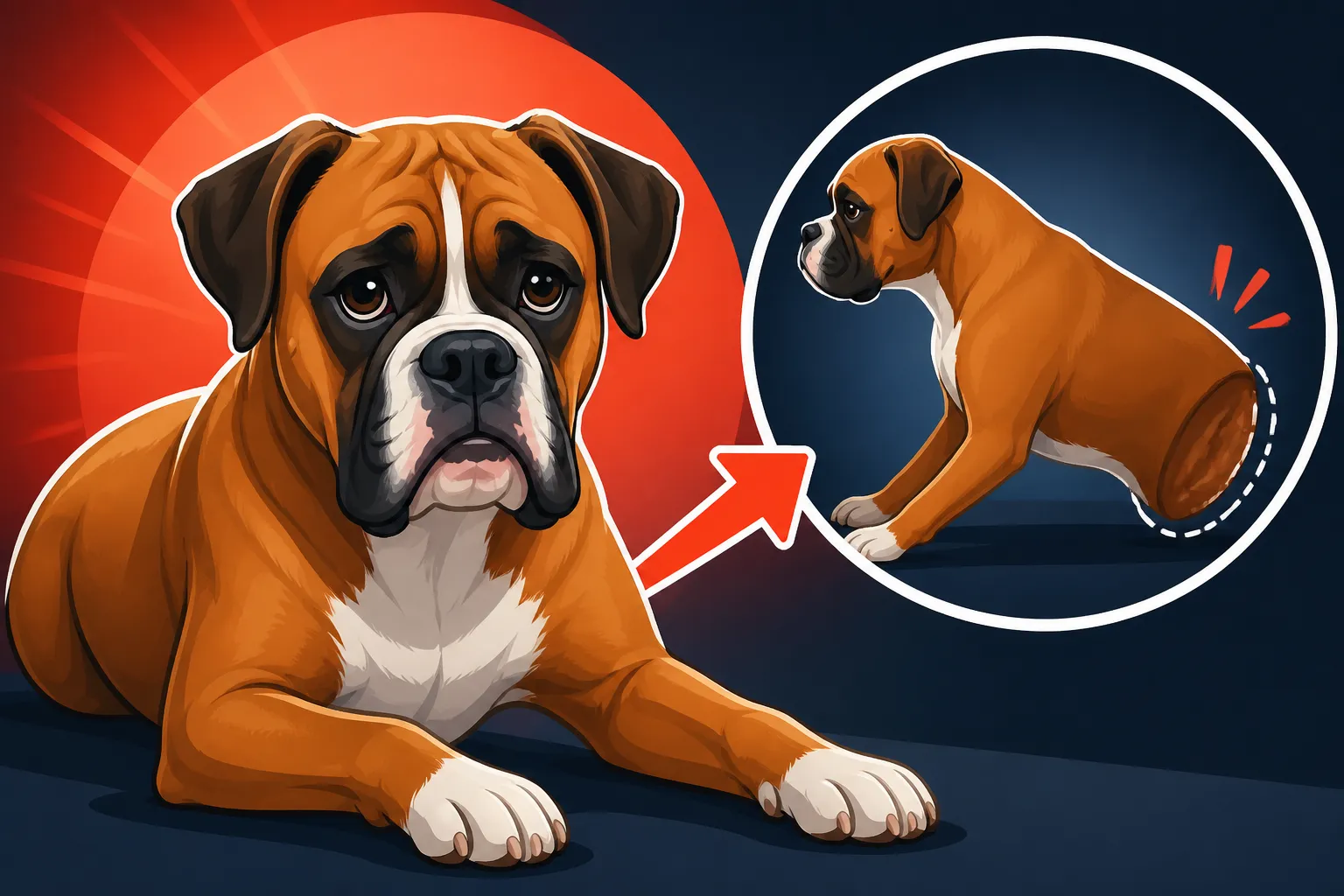
It's absolutely heartbreaking to watch your beloved Boxer, once a bundle of boundless energy and athletic grace, start to struggle with their hind legs. One day they're zooming around the yard, and the next, you notice a subtle drag, a wobble, or a hesitation before they jump. This guide is here to walk you through the various reasons Boxers can lose function in their back legs, how to spot the signs, and what you can do to support your furry family member through these challenging changes.
Understanding the Causes Behind Hind Leg Weakness in Boxers
When a Boxer starts to lose the use of their hind legs, it's a terrifying and confusing time for any owner. It's not just "old age" in many cases; there are specific conditions that commonly affect our deep-chested, energetic companions. Understanding these root causes is the first step toward getting your dog the right support.
Degenerative Myelopathy: The Most Common Culprit
For many Boxer owners, the phrase "degenerative myelopathy" (DM) sends a chill down their spine, and for good reason. DM is a progressive, incurable neurological disease that affects the spinal cord, specifically the white matter, which contains nerve fibers that transmit commands from the brain to the limbs. It's essentially the canine equivalent of amyotrophic lateral sclerosis (ALS) in humans. What makes it particularly devastating for Boxer families is that our breed is disproportionately affected, making it the leading cause of hind leg paralysis in Boxers. The disease slowly but relentlessly destroys the insulation around the nerves, leading to a loss of communication between the brain and the hind limbs.
The heartbreaking reality of DM is its insidious progression. It often starts subtly, perhaps with a slight weakness in one hind leg, an occasional wobble, or an unusual dragging of a back paw, leading to scuffed nails. Over time, this progresses to severe weakness, uncoordinated gait, and eventually, full paralysis of the hind legs. There's no pain associated with DM itself, which can be both a blessing and a curse; a blessing because your dog isn't suffering from pain directly related to the nerve degeneration, but a curse because their happy demeanor can sometimes mask the severity of their physical decline until it's quite advanced. It’s a cruel irony for such a joyful and active breed to be afflicted by a condition that robs them of their mobility. If you're wondering if your Boxer is genetically predisposed, there's a specific test available. Many owners find peace of mind, or at least a head start on preparing, by getting The SOD1 Test for Boxer Myelopathy.
Arthritis and Spondylosis: Age-Related Wear and Tear
While DM is often the first thing Boxer owners fear, it's important to remember that age-related orthopedic issues are also incredibly common and can present with similar symptoms of hind leg weakness. Just like us, our Boxers' joints and spines can suffer from decades of joyful bounding, twisting, and wrestling.
Osteoarthritis, particularly in the hips, knees, and hocks, can cause significant pain and stiffness, leading to a reluctance to use the hind legs properly. Imagine trying to walk or run with constantly aching, stiff knees – you'd naturally compensate, shift your weight, and eventually, the muscles would weaken from disuse. For a Boxer, this might look like a slower gait, difficulty getting up after resting, or a visible limp. The discomfort can lead them to favor their front legs, putting more strain on their shoulders and neck, further impacting their overall balance and mobility. This is a common challenge for Boxers as they get older, and many owners find themselves caring for a Boxer past eight.
Another prevalent age-related condition is spondylosis deformans, where bony spurs or "osteophytes" form along the vertebrae of the spine. These spurs are the body's attempt to stabilize an unstable or degenerating spine. While spondylosis itself doesn't always cause pain or nerve compression, severe cases or those with spurs that bridge across vertebrae can restrict spinal flexibility and impinge on nerves, leading to discomfort, stiffness, and weakness in the hindquarters. You might notice your Boxer having trouble arching their back, turning, or experiencing reduced range of motion. Early detection via X-rays is key, and you can learn more about Spondylosis on a Boxer's X-Ray. These conditions are treatable in terms of pain management, which can make a world of difference for your dog's quality of life.
Hip Dysplasia and Cruciate Ligament Tears
While not exclusively a disease of older dogs, hip dysplasia can certainly contribute to hind leg weakness, especially in severe or untreated cases. Hip dysplasia is a genetic condition where the hip joint doesn't form correctly, leading to a loose joint and gradual degeneration over time. Although Boxers aren't as notoriously affected as some larger breeds like German Shepherds, they can still suffer from it. A Boxer with hip dysplasia might show signs of pain, lameness, or a "bunny hopping" gait as a puppy or young adult, but the chronic inflammation and joint damage can lead to significant hind leg weakness later in life. The body tries to compensate for the unstable joint, leading to muscle atrophy around the hip and general weakness. It's an important consideration when evaluating any hind leg issues, and further reading on Boxer Hip Dysplasia and Spondylosis can be incredibly helpful.
Another acute cause of hind leg lameness and weakness can be a torn cranial cruciate ligament (CCL), often simply called a "cruciate tear." This ligament is essential for stabilizing the knee joint, and when it tears, it causes sudden lameness and instability in the affected leg. Boxers, being athletic and prone to sudden bursts of energy, can be susceptible to these injuries, sometimes even without a dramatic trauma. A partial tear might cause intermittent lameness, while a full tear will make your Boxer unwilling or unable to put weight on the leg. While this typically affects one leg rather than a general hind leg weakness, the compensatory movements and muscle loss from favoring the injured leg can make it seem like overall hind leg weakness, especially in the initial stages. These injuries are often fixable with surgery, but they require prompt veterinary attention. You can delve deeper into Cruciate Tears in a Muscular Boxer to understand the specifics.
Recognizing the Early Signs and Symptoms
Catching hind leg weakness early can make a huge difference in managing your Boxer's condition and maintaining their quality of life. It’s easy to dismiss subtle changes as just part of getting older, but our observant eyes are their best defense.
Subtle Changes in Gait and Movement
One of the first things you might notice is a change in how your Boxer walks. Perhaps they start dragging their back toes, especially on textured surfaces, leading to excessively worn or scuffed nails on their hind paws. This "knuckling" or scuffing happens when they don't have full control over lifting their feet. You might also observe a general unsteadiness, almost like they're walking on ice, even on a perfectly normal surface. Their once confident stride might become wobbly, and they may seem a bit "drunken" in their rear end.
Think about how your Boxer used to effortlessly bound up stairs or leap into the car. Now, they might hesitate, struggle, or even refuse to do these things. They might take stairs one at a time, or only if coaxed, and jumping onto the couch or into bed becomes a monumental effort. Getting up from a lying position, especially after a nap, can be visibly difficult, often involving a slow, deliberate struggle as they push with their front legs to hoist their back end. Don't simply attribute these changes to "slowing down"; they're often red flags indicating an underlying issue that needs investigation.
Muscle Atrophy and Postural Shifts
As hind leg weakness progresses, you'll start to notice physical changes in their body. One of the most telling signs is muscle atrophy, or a visible loss of muscle mass in their hindquarters. Feel your Boxer's thighs and compare them to how they used to be – are they thinner, less firm? The muscles over their hips and rump might also appear sunken. This loss of muscle isn't just cosmetic; it further reduces their strength and stability, creating a vicious cycle.
Their posture can also shift. A Boxer with hind leg weakness might stand with their hocks (ankles) closer together, or they might seem to "sink" in their rear end. You might also notice them "knuckling over" more frequently, where the top of their paw flips under, and they walk on the knuckles of their toes. In more advanced stages, some Boxers may even experience changes in their bladder or bowel control. They might have accidents in the house because they can't get up quickly enough to go outside, or they might struggle to maintain a squatting position long enough to relieve themselves. This isn't a behavioral issue; it's a direct consequence of the neurological or muscular deterioration.
Behavioral Indicators of Discomfort
Dogs are masters at hiding pain and discomfort, but even our stoic Boxers will show behavioral changes when their hind legs become a problem. You might notice a reluctance to engage in their favorite activities. If your Boxer used to love chasing a ball or wrestling with other dogs, but now seems less enthusiastic or stops playing sooner, it's a sign. They might be less inclined to go for walks, or they may tire out much faster than before.
If the weakness is accompanied by pain (as in arthritis or hip dysplasia), you might see other signs of discomfort. This could be subtle whining, limping more frequently, or an unusual irritability when you touch their hindquarters. They might struggle to find a comfortable position to rest, constantly shifting or sighing. Some dogs become more withdrawn, while others might seek more comfort and reassurance. Any noticeable change in your Boxer's usual happy-go-lucky temperament, especially when coupled with physical signs, warrants immediate attention from your veterinarian. Your vet can often differentiate the cause and help put together a treatment plan.
The Diagnostic Journey: What to Expect at the Vet
When you notice your Boxer struggling with their hind legs, the first and most crucial step is a vet visit. It can be daunting to face the unknowns, but a thorough diagnostic process is essential to pinpoint the exact cause and determine the best course of action.
Initial Physical Examination and Neurological Assessment
Your veterinarian will start with a comprehensive physical examination. This is more than just a quick once-over; they’ll be looking for signs of pain, tenderness, muscle atrophy, and any obvious orthopedic issues. They’ll observe your Boxer's gait as they walk, looking for signs of weakness, incoordination, or lameness. This is also when they'll perform a neurological assessment.
During a neurological exam, the vet will check various reflexes, such as patellar reflexes (knee jerk) and withdrawal reflexes, to assess nerve function. A critical part of this is testing proprioception – your Boxer's awareness of where their limbs are in space. The vet might gently flip your Boxer's paw so the top of the paw is on the ground. A healthy dog will immediately correct it. A dog with neurological deficits might leave it flipped for a moment or struggle to correct it, which is a strong indicator of issues with nerve communication. They’ll also evaluate your Boxer’s pain response in different areas to help localize any potential spinal or nerve damage. Your vet will have a thorough understanding of Boxer-specific health concerns, knowing that conditions like Degenerative Myelopathy are always a possibility for this breed.
Imaging and Genetic Testing
Once the initial exam is complete, your vet will likely recommend further diagnostics. X-rays are usually the first line of imaging. These are invaluable for ruling out orthopedic issues like arthritis in the hips, knees, or spine, as well as detecting conditions like spondylosis deformans. While X-rays won't show nerve damage directly, they can reveal bony changes that might be impinging on nerves or contributing to pain and weakness.
For a more detailed look at the soft tissues, especially the spinal cord, your vet might suggest an MRI (Magnetic Resonance Imaging) or a CT (Computed Tomography) scan. These are more expensive and usually require specialist referral and anesthesia, but they can provide incredible detail, revealing disc herniations, tumors, or other spinal cord compressions. For many owners, the cost of these advanced diagnostics can be a significant hurdle, which is why pet insurance from providers like Healthy Paws can be a lifesaver. While DM is often suspected based on clinical signs and exclusion of other diseases, a definitive diagnosis of DM often involves ruling out all other possible causes of the symptoms.
And speaking of DM, there's a specific genetic test that can determine if your Boxer carries the gene associated with Degenerative Myelopathy. The SOD1 Test for Boxer Myelopathy involves a simple cheek swab and can identify if your Boxer is at risk or is a carrier. A positive test for two copies of the SOD1 gene means your Boxer is genetically predisposed to developing DM, though not all genetically at-risk dogs will necessarily develop the disease, and vice versa. However, a positive genetic test combined with characteristic clinical signs strengthens a presumptive diagnosis of DM, especially after other treatable conditions have been ruled out.
Differentiating Between Conditions
One of the biggest challenges in diagnosing hind leg weakness in Boxers is that many conditions can present with similar symptoms. This is why a thorough diagnostic process is absolutely critical. For instance, early-stage DM can look a lot like severe arthritis, or a partial cruciate tear might be mistaken for general weakness. The diagnostic journey is about systematically ruling out conditions to arrive at the most accurate diagnosis.
If your Boxer has a disc herniation, for example, it might cause acute pain and sudden weakness, but it's potentially treatable with surgery. If it's arthritis, pain management and joint supplements can significantly improve their comfort. If it's DM, the approach shifts to supportive and palliative care. Without a clear diagnosis, you risk treating the wrong condition or missing an opportunity for effective intervention. A good veterinarian will guide you through this process, explaining each step and why it’s necessary, ensuring you understand the implications of each potential diagnosis for your Boxer's future.
Managing and Supporting Your Boxer's Mobility
Once a diagnosis is made, or even while you're waiting for one, there are many practical steps you can take to manage your Boxer's mobility and keep them as comfortable and independent as possible. This often involves a multi-faceted approach, combining environmental changes with physical therapies and nutritional support.
Environmental Modifications and Aids
Making your home more accessible for a Boxer with hind leg weakness is paramount. Start by assessing your floors. Slippery surfaces like hardwood, tile, or laminate can be extremely challenging and even dangerous for a dog with unsteady hind legs. Lay down rugs or carpet runners in high-traffic areas to provide traction. Consider using dog socks with rubber grips, though some Boxers might not tolerate them.
Ramps can be revolutionary. Investing in a sturdy ramp for getting into and out of the car, or even for navigating a few steps into the yard, can save your Boxer from painful jumps and awkward struggles. For indoor stairs, you might need to carry smaller Boxers or explore stair lifts designed for pets if they can't manage ramps. Raised food and water bowls can also make meal times more comfortable, as your Boxer won't have to bend down as much, putting less strain on their neck and back. When your Boxer's mobility becomes significantly compromised, you'll find great comfort in reading about Carts and Slings for a Boxer With Myelopathy. Slings can offer temporary support for walks or bathroom breaks, and many Boxers adapt incredibly well to dog wheelchairs or carts, which can give them a new lease on life, allowing them to run and play again with their front legs providing propulsion.
Physical Therapy and Exercise
Even with hind leg weakness, maintaining some level of physical activity and muscle mass is crucial. A sedentary lifestyle will only accelerate muscle atrophy and stiffness. Your vet might recommend a referral to a veterinary physical therapist or rehabilitation specialist. These professionals can design a customized exercise program tailored to your Boxer's specific condition and abilities.
Hydrotherapy, or exercising in water, is particularly beneficial. The buoyancy of the water reduces the load on their joints and weak muscles, allowing them to move their legs more freely and build strength without impact. Underwater treadmills are fantastic for this. At home, you can perform passive range of motion exercises, gently flexing and extending their joints to maintain flexibility and circulation. Massage can also help alleviate muscle tension and improve blood flow. Regular, gentle, low-impact exercise, such as short, controlled leash walks on soft surfaces, is important for overall well-being and to prevent further deconditioning. Even if your Boxer is using a cart, they still benefit from opportunities to move their body in different ways.
Nutritional Support and Supplements
Nutrition plays a vital role in supporting your Boxer's overall health and mobility. Ensuring they maintain a healthy weight is paramount, as extra pounds put immense strain on already compromised joints and weak muscles. Your vet can help you determine the ideal body condition score for your Boxer and recommend an appropriate diet.
Many owners find joint supplements beneficial, especially for Boxers suffering from arthritis or spondylosis. Common ingredients include glucosamine, chondroitin, and MSM, which support cartilage health and reduce inflammation. Omega-3 fatty acids, often found in fish oil, are powerful natural anti-inflammatories that can help reduce joint pain and improve skin and coat health. Some veterinarians may also suggest supplements like turmeric or green-lipped mussel for their anti-inflammatory properties. Always discuss any supplements with your vet before introducing them, as they can sometimes interact with medications or not be suitable for all conditions. Remember that a balanced, high-quality diet that supports muscle mass and provides essential nutrients is the foundation for any Boxer's long-term health, and some Boxers might benefit from specific diets as they age or if they have other health conditions like colitis.
| Condition | Typical Onset | Progression | Key Symptoms | Diagnostic Methods | Treatment Approach |
|---|---|---|---|---|---|
| Degenerative Myelopathy (DM) | 8+ years | Slow, progressive | Hind leg weakness, knuckling, scuffed nails, incoordination; no pain. | Rule out other diseases, SOD1 genetic test, clinical signs. | Supportive care, physical therapy, mobility aids. |
| Osteoarthritis / Spondylosis | 7+ years | Gradual, chronic | Stiffness, pain (especially after rest), lameness, reluctance to move, reduced range of motion. | X-rays, physical exam, palpation. | Pain medication, joint supplements, weight management, physical therapy. |
| Hip Dysplasia (severe/late-stage) | Puppyhood/Young adult (but symptoms worsen with age) | Chronic, degenerative | "Bunny hopping" gait, pain, lameness, muscle atrophy, reluctance to jump/climb. | X-rays, physical exam. | Pain management, joint supplements, physical therapy, possible surgery (if severe). |
| Cruciate Ligament Tear | Any age, often active dogs | Acute (sudden) | Sudden lameness, inability to bear weight, pain in knee, swelling. | Orthopedic exam, "drawer test," X-rays. | Surgery (TPLO, TTA), rest, pain management, physical therapy. |
Medical Interventions and Palliative Care
When a Boxer starts to lose the use of their hind legs, navigating the medical landscape can feel overwhelming. Depending on the diagnosis, there are various interventions, from pain management to more advanced therapies, all aimed at improving their comfort and quality of life.
Pain Management Strategies
For conditions like arthritis, spondylosis, or even compensatory pain from DM, managing your Boxer's discomfort is a top priority. Your veterinarian will likely prescribe non-steroidal anti-inflammatory drugs (NSAIDs) like carprofen or meloxicam, which reduce inflammation and pain. It's crucial to follow dosing instructions carefully, as NSAIDs can have side effects on the liver and kidneys, especially with long-term use. Regular blood work is often recommended to monitor their organ function.
Beyond NSAIDs, other medications can be incredibly helpful. Gabapentin, often used in conjunction with NSAIDs, can manage neuropathic pain (nerve pain) and also has a mild sedative effect, which can be beneficial for anxious dogs. Amantadine is another medication sometimes prescribed to enhance the effectiveness of other pain relievers. For chronic pain, acupuncture and therapeutic laser therapy are becoming increasingly popular complementary treatments. Many Boxer owners report significant improvements in comfort and mobility with these non-invasive therapies, which can reduce reliance on oral medications. The goal is always to improve their comfort and enable them to move more freely, even if it's just to enjoy a short walk or get up to greet you.
Exploring Surgical Options (When Applicable)
While Degenerative Myelopathy itself has no surgical cure, certain other conditions that cause hind leg weakness can be surgically addressed, often with excellent outcomes. If your Boxer is diagnosed with a severe hip dysplasia, particularly when they are younger, surgical procedures like a total hip replacement or a femoral head ostectomy (FHO) might be options to restore function and alleviate pain. Similarly, a torn cruciate ligament is most effectively treated with surgery, such as a Tibial Plateau Leveling Osteotomy (TPLO) or Tibial Tuberosity Advancement (TTA), which can stabilize the knee joint and allow for a return to full function over time.
Spinal surgery may also be considered if the weakness is caused by a herniated disc compressing the spinal cord. However, these surgeries are complex, carry risks, and can be quite expensive. It’s important to have a frank discussion with your vet about the potential benefits, risks, recovery time, and financial implications. This is where having pet insurance, like a comprehensive plan from Healthy Paws, can make a huge difference, often covering a significant portion of these high-cost surgical interventions and allowing you to make medical decisions based on what’s best for your Boxer, rather than solely on your budget. Without insurance, the cost of unplanned emergency surgery can be a significant financial burden for many families, easily running into thousands of dollars.
The Emotional Toll and Making Difficult Decisions
Watching your Boxer lose its back legs is an incredibly difficult and emotionally draining experience. For conditions like Degenerative Myelopathy, where there is no cure and the progression is relentless, the focus shifts entirely to palliative care – maximizing comfort and quality of life for as long as possible. This means managing symptoms, preventing secondary issues like bedsores, and ensuring they feel loved and engaged. It's easy to get caught up in the desire to "fix" them, but sometimes the kindest thing we can do is accept the reality of their condition and prioritize their well-being.
There will come a point where you, in consultation with your veterinarian, will need to consider their overall quality of life. Are they still able to enjoy their food, interact with the family, and experience moments of joy? Or are they experiencing more bad days than good, struggling with basic bodily functions, and showing signs of distress? These are some of the hardest questions any pet owner will ever face. Discussions about end-of-life care, including euthanasia, are incredibly painful but an essential part of responsible pet ownership. Resources on Hospice Care for a Boxer can help you provide compassionate support during their final stages, ensuring they remain comfortable and cherished until their last breath.
Disclaimer
This article is intended for informational purposes only and does not constitute medical advice. Always consult with a qualified veterinarian for any health concerns or before making any decisions about your Boxer's care.