Renting a Holter Monitor for a Boxer
That sinking feeling when your beloved Boxer has a strange cough, a moment of weakness, or just isn't quite right… it's a terrifying experience for any owner. Especially when you know how prone our Boxers are to heart issues, often without obvious symptoms until things are advanced. This comprehensive guide is here to walk you through the essential process of renting a Holter monitor, a vital tool for understanding your Boxer's heart health, ensuring you can get the answers you need and the care they deserve.
The Silent Threat: Why a Holter Monitor is Essential for Boxers
As Boxer owners, we carry a unique burden: the knowledge that our wonderful, energetic companions are predisposed to certain health conditions that can strike without warning. Among these, heart disease, particularly Arrhythmogenic Right Ventricular Cardiomyopathy (ARVC), stands out as a major concern. It's often called "Boxer cardiomyopathy" for a reason. While a routine vet check-up might give you some peace of mind, a standard stethoscope exam or even a regular ECG often isn't enough to catch the subtle, intermittent electrical abnormalities that define this disease. That's where the Holter monitor comes in – it’s literally a lifesaver for early detection and ongoing management.
The Stealthy Nature of Boxer Cardiomyopathy
Boxer cardiomyopathy, or ARVC, is a progressive genetic heart disease where the normal heart muscle tissue is gradually replaced by fatty or fibrous tissue. This structural change disrupts the heart's electrical system, leading to irregular heartbeats, known as arrhythmias. The insidious part is that these arrhythmias aren't always constant. Your Boxer might have perfectly normal heart rhythm for hours, only to experience a burst of abnormal beats—ventricular premature contractions (PVCs)—at other times. These episodes can be triggered by excitement, exercise, or even just rest. This is why a snapshot, like a single ECG at the vet, can easily miss the problem. You could go to the vet, have your Boxer checked, and be told everything sounds fine, only for a dangerous arrhythmia to be brewing silently. If you want to delve deeper into the specifics, we have an article on What Boxer ARVC Actually Does to the Heart that explains the mechanisms in detail.
The danger of these irregular beats ranges from mild, unnoticed thumps to severe episodes that can cause fainting, weakness, or even sudden death. Imagine your playful, seemingly healthy Boxer suddenly collapsing during a game of fetch. It's a nightmare scenario, and it’s precisely what a Holter monitor is designed to help prevent by identifying the underlying electrical instability before it escalates. The goal is to catch these arrhythmias early, so that appropriate treatment can be started to minimize their impact and improve your Boxer's quality of life and longevity.
When to Start Regular Heart Screening
Knowing when to begin screening is crucial for Boxer owners. Most veterinary cardiologists recommend starting annual Holter monitoring for Boxers around three years of age. This isn't a hard and fast rule, of course, and if you have concerns earlier, or if your Boxer comes from lines with a known history of early-onset ARVC, your vet might suggest starting sooner. But generally, the three-year mark is when the disease, if present, is more likely to start manifesting detectable arrhythmias. Think of it as a proactive wellness check, much like regular dental cleanings or annual bloodwork. It’s not about waiting for symptoms to appear, but about staying ahead of a potential problem. We cover the specific rationale in more detail in our piece on Why a Boxer Holter Starts at Three Years.
Consistency is key here. One Holter monitor reading isn't a "clear for life" pass. Because ARVC is progressive and arrhythmias can be intermittent, annual screening gives you the best chance of catching changes over time. Many owners feel a wave of relief if their Boxer's first Holter comes back clear, but it's vital to understand that this doesn't mean they'll never develop the condition. It simply means they didn't show significant arrhythmias during that particular 24-hour window. This is why continued, yearly monitoring is such an important part of responsible Boxer ownership, allowing you to monitor Whether Boxer PVC Counts Change Year to Year.
Navigating the Rental Process: Getting a Holter for Your Furry Friend
The idea of a Holter monitor might sound a bit daunting, but the process of getting one for your Boxer is usually quite straightforward, though it always starts with your veterinarian. This isn't something you can just order off Amazon and hope for the best; it requires professional guidance to ensure the test is conducted correctly and the results are interpreted accurately. Understanding the steps involved will help ease any anxieties you might have and prepare you for what to expect.
Consulting Your Veterinarian First
Your primary care veterinarian is always the first point of contact when you suspect a heart issue or when it's time for routine ARVC screening. They will perform a physical exam, listen to your Boxer’s heart, and discuss any symptoms you might have noticed, no matter how subtle. Perhaps you've seen brief moments of weakness, a slight cough, or noticed your Boxer seems more tired after exercise than usual – these are all important details to share. Sometimes, these early signs can even be as dramatic as Fainting Episodes in a Boxer. Your vet will then determine if a Holter monitor is appropriate.
If your vet suspects a significant heart issue or if they don't have extensive experience with ARVC diagnostics, they might recommend a referral to a veterinary cardiologist. A specialist has the advanced training and equipment to provide the most comprehensive cardiac assessment. Even if you don't see a specialist, your regular vet will often coordinate the Holter rental on your behalf, guiding you through the process and ensuring proper setup and follow-up. They are the medical gatekeepers, ensuring the right diagnostic tools are used at the right time.
Finding a Rental Provider and Understanding Costs
Once your vet recommends a Holter monitor, you have a few options for where the device comes from. Many veterinary cardiology practices have their own Holter units that they can fit directly. Alternatively, there are specialized companies that rent Holter monitors out to veterinary clinics or directly to owners, under veterinary supervision. These companies often ship the device to your vet's office or even directly to your home, along with clear instructions. Your vet or their staff will then fit the monitor to your Boxer.
The costs associated with Holter monitoring can vary. You'll typically pay a rental fee for the device itself, which usually covers a 24-hour period, though some rentals can extend for 48 or even 72 hours if deemed necessary. This fee often includes the analysis of the data by a board-certified veterinary cardiologist. Additionally, there might be a separate charge from your vet for the initial fitting, instruction, and removal of the device.
| Holter Monitoring Cost Breakdown (Estimates) | Typical Range (USD) | What it Covers |
|---|---|---|
| Monitor Rental Fee (24-hour) | $150 – $350 | Device rental, data upload, and analysis by a cardiologist. Some companies include shipping. |
| Veterinarian's Fee (Fitting/Removal) | $50 – $150 | Time spent by vet/tech to fit the device, explain the process, remove it, and review initial findings with you. |
| Cardiology Consultation (Optional) | $200 – $500 | If referred to a specialist for diagnosis, interpretation, and treatment planning. |
| Total Estimated Cost | $200 – $1000+ | Varies greatly based on location, provider, and necessity of specialist involvement. |
These costs can certainly add up, and it's something many Boxer owners worry about. This is where pet insurance can be a huge help. Many pet insurance providers, like Healthy Paws, often cover a significant portion of diagnostic tests like Holter monitoring, especially when it's medically necessary due to suspected ARVC or for routine screening for this predisposed breed. It's always a good idea to check your specific policy details or consider getting pet insurance, especially when you think about the potential Annual Holter Screening as a Boxer Expense and other health challenges Boxers face. Getting a policy in place before any symptoms appear is generally the smartest move, as pre-existing conditions are usually not covered.
The 24-Hour Mission: What to Expect During Monitoring
Once you've got the Holter monitor secured, the real work begins: the 24-hour monitoring period. This is your chance to capture a full day's worth of your Boxer's heart activity, reflecting their normal routine. It requires a bit of diligence and attention to detail on your part, but it's a small effort for such vital information.
Fitting and Wearing the Device
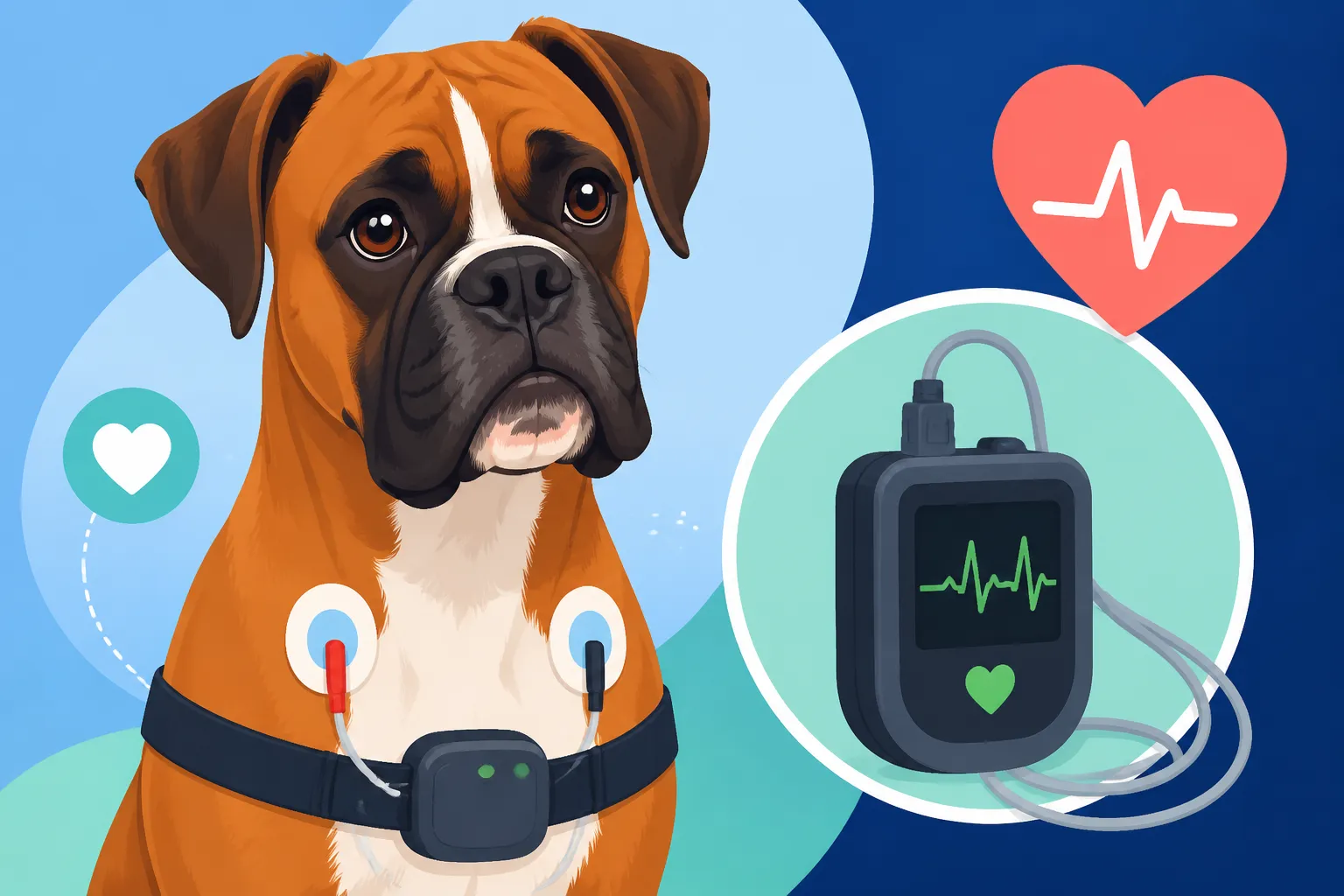
The Holter monitor itself is a small, portable ECG device, usually about the size of a small cell phone or a deck of cards. It’s designed to be lightweight and unobtrusive. To get accurate readings, several electrodes are attached to your Boxer’s skin, typically on their chest area. These electrodes are then connected to the Holter unit. To keep everything secure and prevent your Boxer from messing with the wires, the device is usually placed in a special vest or harness that fits snugly but comfortably. It's truly impressive how resilient and cooperative our Boxers can be during this process. In our article What a Boxer Wears During a Holter Day, we delve into the practicalities of the harness and how to make your dog comfortable.
When the vest is on, your Boxer might look a bit like they’re wearing a tiny, high-tech backpack or a rather stylish jacket. Most Boxers adjust to it surprisingly quickly. The key is to ensure the electrodes maintain good contact with the skin and the wires aren't pulled or damaged. Your vet or technician will show you exactly how to check this and give you tips on securing the vest properly. Remember, the goal is to record their typical activity, so try not to let the monitor restrict their normal movements too much.
Keeping a Detailed Activity Log
This is perhaps the most crucial part of your role as the human caretaker during the monitoring period. You will be asked to keep a meticulous diary of your Boxer’s activities. This isn't just a casual scribble; it needs to be as precise as possible. You’ll record the time your Boxer ate, went for a walk, played, rested, got excited, and especially any unusual events like coughing, stumbling, or moments of weakness. For instance, if your Boxer has a zoomie session at 3 PM, write it down. If they nap peacefully from 6 PM to 8 PM, note that too.
Why is this so important? Because the veterinary cardiologist who analyzes the data needs context. They’ll see spikes and dips in heart rate, and bursts of arrhythmias. Without your activity log, they won’t know if those occurred during intense play, deep sleep, or a moment of stress. This correlation helps them interpret the results accurately and determine if the arrhythmias are clinically significant or if certain activities trigger them. For example, if your Boxer consistently has high PVC counts during or immediately after strenuous exercise, it provides valuable diagnostic information. Your careful record-keeping directly impacts the diagnostic accuracy, making you an essential part of the diagnostic team.
Daily Care and Troubleshooting
Throughout the 24-hour period, you'll need to keep an eye on your Boxer and the monitor. While the vest is designed to protect it, accidents can happen. Check periodically to make sure the wires are still connected, the electrodes haven't come loose (they're usually secured with adhesive), and the device itself isn't getting wet or excessively dirty. If your Boxer is a particularly active swimmer or loves rolling in mud, this might be a day for slightly less adventurous outings, or at least for very close supervision!
If an electrode does come loose, gently re-secure it if you can. If the monitor stops working, or if you have any concerns about its function or your Boxer's comfort, don't hesitate to call your veterinarian or the rental company. They can provide guidance or arrange for a replacement if necessary. Most importantly, ensure your Boxer is comfortable and not unduly stressed by the device. While they usually adapt well, some dogs might find it mildly irritating. Positive reinforcement, extra cuddles, and reassuring words can go a long way in making the experience smoother for them.
Decoding the Beats: Understanding Your Boxer's Holter Results
After the 24-hour monitoring period is complete, you’ll return the device to your vet or send it back to the rental company. The recorded data is then downloaded and analyzed by a veterinary cardiologist. This is where all your efforts and your Boxer's patience pay off, as the cardiologist sifts through thousands of heartbeats to identify any abnormalities.
Interpreting the Holter Report
The report you receive will contain a wealth of information. The most critical part for Boxers, especially concerning ARVC, is the count of ventricular premature contractions (PVCs). These are the irregular beats originating from the ventricles of the heart. The report will specify the total number of PVCs recorded over the 24 hours, as well as their frequency and any patterns, such as "runs" (multiple PVCs in a row) or "couplets" (two PVCs together).
A few PVCs over 24 hours might be considered benign in many breeds, but in Boxers, the threshold for concern is much lower due to their predisposition to ARVC. A cardiologist will evaluate not just the raw number of PVCs, but also their morphology, the presence of ventricular tachycardia (fast runs of PVCs), and how these correlate with your activity log. For instance, a Boxer showing hundreds or thousands of PVCs, especially if grouped into runs of ventricular tachycardia, would be a strong indicator of ARVC, even if they aren't showing outward symptoms yet. Understanding How Many PVCs a Boxer Can Have Safely is key to interpreting the report, and this will always be done by a specialist. The presence of just a few hundred PVCs in a Boxer can be concerning, whereas in other breeds, thousands might be tolerated.
Developing a Treatment Plan
If the Holter monitor reveals significant arrhythmias consistent with ARVC, your veterinarian or cardiologist will discuss a treatment plan. The primary goal of treatment is usually to stabilize the heart rhythm, reduce the frequency and severity of arrhythmias, and minimize the risk of sudden cardiac death. This often involves medication, with drugs like Sotalol or Mexiletine being common choices to help regulate the heart's electrical activity. Other medications may be used depending on the specific findings and if congestive heart failure is also a concern. Getting started on Medication for a Boxer With an Arrhythmia can significantly improve their quality of life and prognosis.
Beyond medication, lifestyle adjustments are often recommended. For Boxers with significant ARVC, this might mean limiting strenuous exercise or avoiding situations that cause extreme excitement, as these can trigger arrhythmias. It doesn't mean your Boxer stops being a Boxer entirely, but it might mean swapping out intense dog park romps for more controlled, steady walks. Diet and supplements, such as omega-3 fatty acids, might also be discussed. The plan will be tailored to your Boxer's specific condition and the severity of their arrhythmias. This is also where an insurer like Healthy Paws can once again provide invaluable support, helping to cover the ongoing costs of prescribed medications and specialist vet visits.
Ongoing Monitoring and Management
ARVC is a progressive disease, meaning it can change over time. Therefore, ongoing monitoring is a critical part of managing a Boxer with this condition. This usually involves regular follow-up Holter monitoring, often annually, to assess the effectiveness of the current treatment plan and detect any progression of the disease. Your cardiologist might adjust medication dosages or introduce new treatments based on these follow-up readings. You might also have regular recheck appointments where your Boxer's overall health, weight, and energy levels are assessed.
Living with a Boxer diagnosed with ARVC can be challenging, but with careful monitoring, appropriate treatment, and a dedicated owner, many Boxers live full and happy lives for years after diagnosis. It’s about building a partnership with your veterinary team, staying informed, and being vigilant about your Boxer’s health. By renting that Holter monitor, you're taking a proactive step that can profoundly impact your beloved Boxer's well-being and longevity.
Disclaimer
This guide provides general information about renting a Holter monitor for your Boxer and should not replace professional veterinary advice. Always consult with a qualified veterinarian or veterinary cardiologist regarding your Boxer's specific health needs, diagnosis, and treatment plans.