Straining and Small Stools in a Boxer
It’s truly disheartening to watch your beloved Boxer struggling, especially when they’re trying to go to the bathroom. Seeing your strong, energetic companion strain with little to show for it, or pass stools that are surprisingly small, can be a real worry. This comprehensive guide will walk you through the common reasons why Boxers experience straining and small stools, helping you understand what might be going on and when it’s time to seek veterinary help.
Understanding Why Your Boxer Might Be Straining
That familiar posture, that intense focus, the pushing… when your Boxer strains, your first thought is usually constipation. But for Boxers, the situation isn't always as straightforward as it seems. Their unique physiology and common health predispositions mean that straining can be a sign of several different underlying issues, some of which are more serious than just a little blockage. It's not just about what comes out, but the effort involved and what that effort truly signifies.
Common Causes Beyond Simple Constipation
While constipation is certainly on the list, it's far from the only reason your Boxer might be straining. Sometimes, what looks like straining to pass a stool is actually your dog trying to pass anything because of discomfort in their abdominal area or hindquarters. For instance, a Boxer with an upset stomach, even if they have diarrhea, might strain because of intestinal cramping. It’s like a human with an urgent need to go, but nothing comes out easily. Inflammatory bowel disease, often linked to conditions like Boxer Colitis and the Young Dogs It Hits, can cause significant discomfort and persistent straining, even when the stools are loose or watery. They feel the urge, but the mechanism is faulty.
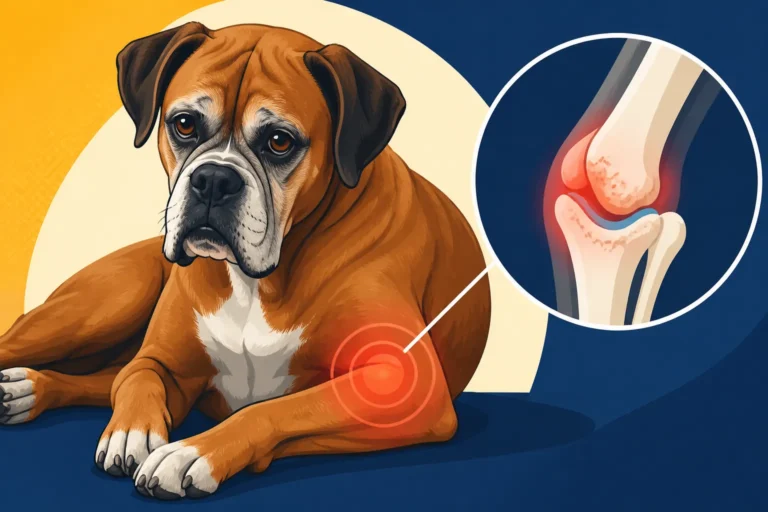
Another common culprit can be pain. Imagine your Boxer has some mild hip discomfort or lower back pain. The act of squatting and pushing can exacerbate this pain, leading them to strain not because of stool consistency, but because their body is fighting against the discomfort of the position itself. This is particularly true for older Boxers, who may be experiencing early signs of arthritis or spondylosis. You might notice they squat less deeply or seem hesitant to commit to the position. This physical discomfort can be a silent cause of straining that isn't immediately obvious just by looking at their stool.
The Role of Diet and Hydration
Diet plays a colossal role in the digestive health of any dog, and Boxers are no exception. A diet lacking sufficient fiber can lead to firm, dry stools that are difficult to pass, causing obvious straining. Think about it: fiber acts like a sponge, holding onto water and adding bulk to the stool, making it softer and easier to move through the digestive tract. If your Boxer is on a low-quality kibble or gets too many table scraps that aren't balanced, they might simply not be getting enough of this crucial component. On the flip side, too much fiber, especially certain types, can also lead to issues, as it can absorb too much water and result in a large, hard mass.
Hydration is equally critical. If your Boxer isn't drinking enough water, their body will absorb more moisture from their colon, leaving the stools dry and hard. This is particularly noticeable in hot weather or if your dog is particularly active and not replenishing fluids adequately. Often, we assume our dogs drink enough, but a close eye on their water bowl habits can reveal a lot. Adding some moisture-rich canned food or a bit of water to their kibble can sometimes make a surprising difference. Sometimes, a dehydrated Boxer will even avoid drinking because it makes them feel worse, creating a vicious cycle.
When Straining Isn't Actually Constipation
This is a subtle but important distinction. Sometimes, your Boxer might look like they're trying to poop, but they're actually dealing with something else entirely. For instance, if a male Boxer has an enlarged prostate, the enlarged gland can press on the rectum, making it mechanically difficult for stool to pass, even if the stool itself is perfectly normal. This isn't constipation in the traditional sense; it's an obstruction. Similarly, if there's a mass in the pelvic canal – perhaps a tumor or an abscess – it can physically impede the passage of feces, causing significant straining.
Another common scenario that mimics constipation is anal gland impaction or infection. Your Boxer's anal glands, located on either side of the anus, can become full, inflamed, or infected, causing immense pain and discomfort. When they strain, they’re not necessarily trying to poop; they're trying to relieve the pressure and pain from these glands. You might notice them scooting their bottom on the ground, licking excessively at their rear, or even chasing their tail, all signs pointing to anal gland distress. It's a painful condition that often requires veterinary intervention, and it's easily mistaken for simple straining. This highlights why simply observing the straining isn't enough; you need to consider the whole picture.
Investigating the Nature of Small Stools
Beyond the straining itself, the appearance and volume of your Boxer's stool provide crucial clues. Small stools, especially when accompanied by straining, are definitely something to pay attention to. They can signal a range of issues, from simple dietary imbalances to more complex health problems. It’s not just about the size, but the frequency, consistency, and any other visual cues present. Getting a good look at what your Boxer is actually producing can be the first step in figuring out how to help them.
What "Small Stools" Can Tell You
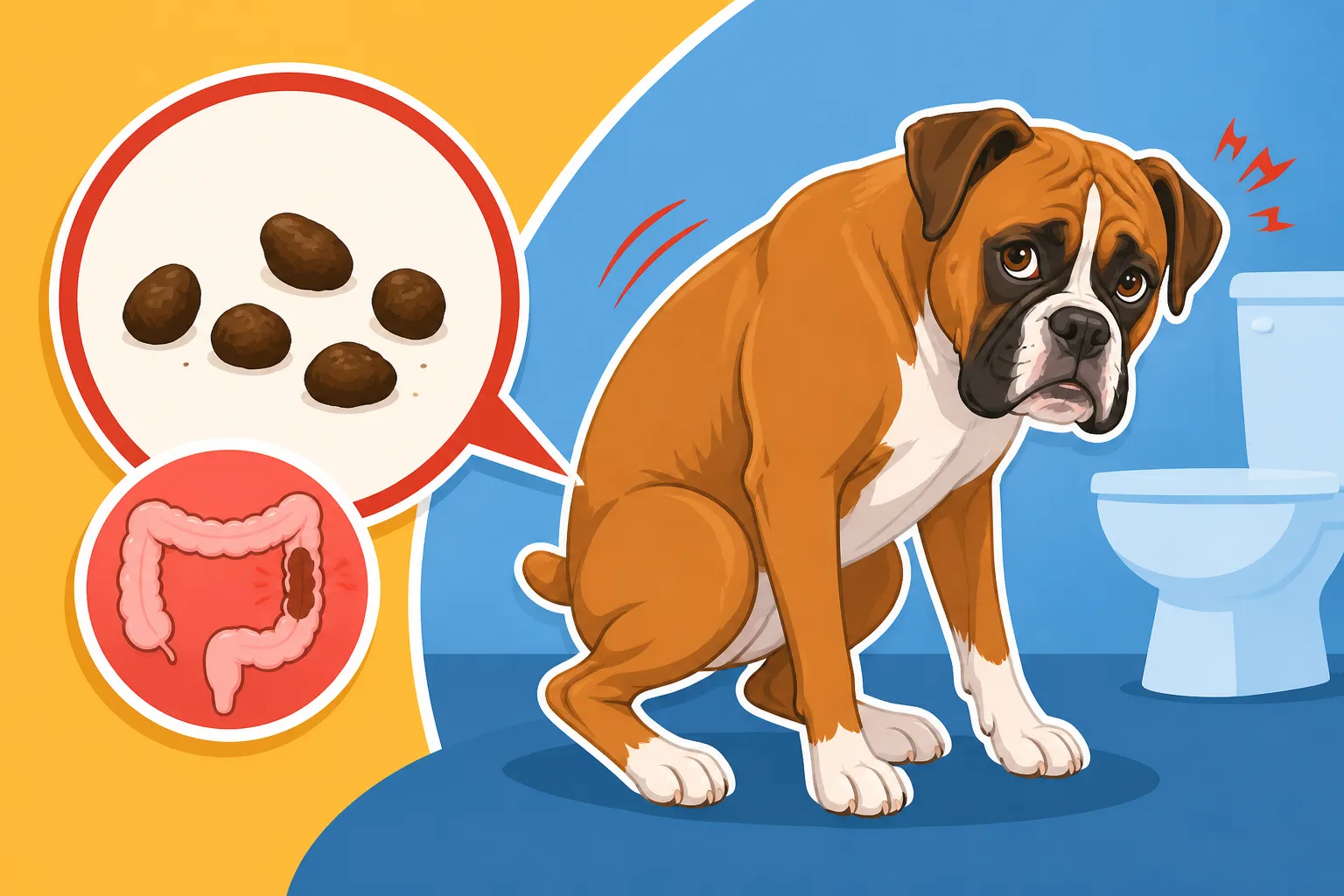
When your Boxer is straining but only producing small, pellet-like stools, it’s a strong indicator of true constipation. These stools are usually very firm and dry, a direct result of dehydration in the colon or a lack of sufficient fiber. Think of it like trying to squeeze a dry sponge through a narrow tube – it takes a lot of effort and doesn't yield much. This can be caused by anything from not drinking enough water to a diet that's too rich in bone or other indigestible materials. Sometimes, Boxers who are overly stressed or have disrupted routines might also experience this, as stress can impact gut motility.
However, small stools can also point to issues higher up in the digestive tract. If your Boxer isn't properly digesting their food, or if their stomach and small intestine aren't moving food through efficiently, there might simply be less material reaching the colon. This is known as "small bowel diarrhea" if it's liquid, but if the material that does make it through is minimal and dry, it can still result in small, infrequent stools. For example, if your Boxer has an intolerance to an ingredient, their body might not be absorbing nutrients effectively, leading to less waste volume. It's like the assembly line isn't producing much product to begin with.
Differentiating True Constipation from Other Issues
It’s vital to distinguish genuine constipation from other conditions that might look similar. True constipation means the stool is present in the colon but is difficult to pass due to its dry, hard nature. The Boxer feels the urge, they push, but the mechanics are against them. This is often relieved by increased fiber, hydration, and sometimes mild laxatives. However, if your Boxer is straining but producing small, soft, or even liquid stools, you’re likely looking at something called tenesmus, which is the painful, ineffective straining to defecate caused by inflammation or irritation in the colon or rectum. This often indicates a condition like Bloody Mucus in a Young Boxer's Stool or another form of colitis.
A Boxer with tenesmus might squat repeatedly, strain intensely, and only produce tiny amounts of mucus, blood, or watery stool. The feeling for them is one of constant urgency, but there's nothing substantial to pass. This is a very different problem from true constipation, and requires a different diagnostic and treatment approach. For instance, a Boxer with tenesmus needs relief from inflammation, not just more fiber. Understanding this distinction can save you time and your dog unnecessary discomfort. Always observe what actually comes out, not just the act of straining.
| Stool Characteristic | Potential Meaning | Common Boxer Issue | What to Look For |
|---|---|---|---|
| Small, hard pellets | True constipation, dehydration, lack of fiber | Dietary imbalance, insufficient water intake | Straining, infrequent defecation, dry stool |
| Small, soft/liquid with mucus/blood | Tenesmus, colon inflammation, irritation | Colitis, dietary sensitivity, parasites | Repeated squatting, intense straining, urgency |
| Small, normal consistency | Inefficient digestion, low food intake, obstruction | Small bowel disease, pain, mass in pelvis | Reduced appetite, weight loss, difficulty squatting |
| Flat or ribbon-like | Obstruction, mass, anal gland issue | Tumors, enlarged prostate, anal sac disease | Pain when defecating, scooting, changes in stool shape |
Red Flags in Stool Appearance
Beyond just size and consistency, certain visual cues in your Boxer’s stool demand immediate attention. Any presence of fresh, red blood (hematochezia) or dark, tarry stools (melena) are serious red flags. Fresh blood usually indicates bleeding in the lower digestive tract, often associated with severe inflammation, polyps, or injuries in the colon or rectum. Conditions like The Age Boxer Colitis Usually Starts frequently present with bloody or mucousy stools. Melena, on the other hand, suggests bleeding higher up in the digestive tract, where the blood has been digested, giving it that distinct dark, tarry appearance. This can be a sign of ulcers, tumors, or other internal bleeding, and it's an emergency.
Another thing to watch for is excessive mucus. While a tiny bit of mucus is normal, large amounts, especially combined with straining or loose stools, can indicate inflammation of the colon. It's often described as looking like jelly or slime coating the stool. White, chalky stools can suggest an issue with fat digestion or liver problems. And, of course, any visible worms or foreign objects in the stool should prompt a vet visit. Your Boxer’s stool is a window into their internal health, so don't be afraid to take a closer look, even if it's not the most pleasant task. It's one of the best ways you have to monitor their well-being.
Medical Conditions Associated with Straining and Small Stools
While we’ve touched on some possibilities, it’s important to dive deeper into specific medical conditions that often manifest as straining and small stools in Boxers. This breed, like all purebreds, has its own set of health predispositions that make certain ailments more likely. Understanding these can help you and your vet narrow down the possibilities and get to a diagnosis faster.
Gastrointestinal Problems Beyond Colitis
Beyond simple colitis, which is inflammation of the colon, Boxers can suffer from a range of more complex gastrointestinal issues that lead to straining and abnormal stools. Inflammatory Bowel Disease (IBD) is a chronic condition where the GI tract becomes persistently inflamed. Unlike acute colitis, IBD is ongoing and often requires long-term management. Symptoms can include chronic diarrhea, vomiting, weight loss, and, yes, straining with small, mucousy stools. Diagnosis often involves biopsies of the intestinal lining, and treatment can involve special diets, steroids, and immunosuppressants. It's a frustrating condition because it waxes and wanes, and finding the right balance of treatment can be a journey.
Another consideration is dietary sensitivities or allergies. Boxers can be prone to these, reacting to common proteins like chicken or beef. If your Boxer is eating a food that triggers an inflammatory response in their gut, even if it's not full-blown IBD, it can lead to chronic irritation, straining, and inconsistent stools. This is where novel protein diets for a Boxer often come into play, or even trying a hydrolyzed protein diet where the protein is broken down so much the body doesn't recognize it as an allergen. It’s a process of elimination, often requiring an Eight Weeks of One Protein for an Itchy Boxer trial to see if symptoms improve.
In rare cases, tumors or polyps within the colon or rectum can cause physical obstructions or irritation, leading to straining and small stools. These can be benign or malignant, and their presence can make defecation incredibly painful or difficult. If other causes are ruled out, your vet might recommend imaging or a colonoscopy to directly visualize the intestinal lining. Finding a lump on a Boxer early can be crucial for many types of cancer, and while less common in the colon, it's still a possibility.
Anal Gland Issues and Discomfort
We briefly mentioned anal gland problems, but these are so common in Boxers that they warrant a deeper look. These two small sacs, located at four and eight o'clock just inside your Boxer's anus, normally express a foul-smelling liquid during defecation. This liquid serves as a scent marker. However, if they become impacted, meaning the fluid thickens or the ducts get blocked, they can swell up, causing significant pain and pressure. Your Boxer will definitely strain, scoot, or lick their rear excessively.
If an impacted anal gland isn't expressed, it can become infected, forming an abscess. An abscess is incredibly painful and can rupture, leading to a nasty, pus-filled wound near the anus. When a Boxer is dealing with this level of discomfort, any attempt to defecate will be excruciating, causing them to strain or even yelp in pain. Regular manual expression by a vet or groomer can prevent impaction, but once an infection or abscess occurs, it often requires antibiotics, pain medication, and sometimes even surgical drainage. It’s a truly miserable experience for your dog.
Neurological and Orthopedic Concerns
Sometimes, the problem isn't directly with the digestive tract at all, but with the systems that control or support defecation. Neurological issues can impact the nerves that control bowel movements, leading to a loss of proper muscle coordination required for defecation. For example, a Boxer with Degenerative Myelopathy in an Older Boxer might experience weakness or paralysis in their hind legs, making it difficult to maintain a proper squatting position or to generate the necessary push to pass stool. While DM is primarily a spinal cord issue, secondary constipation or straining can be a complication due to nerve damage affecting bowel function.
Orthopedic problems, particularly those affecting the spine, hips, or hind legs, can also make defecation a painful ordeal. A Boxer with Boxer Hip Dysplasia and Spondylosis might find the act of squatting and pushing extremely uncomfortable. They might try to avoid defecating, leading to stool retention and then subsequent straining when they finally do go. Or, they might strain simply because the posture itself is painful, not because the stool is hard. Any pain that causes your Boxer to tense up or reduces their ability to assume a relaxed, natural defecation posture can indirectly lead to straining. This is why a thorough physical exam, looking beyond just the rear end, is so important.
What You Can Do at Home and When to See the Vet
It's natural to want to help your Boxer the moment you see them struggling. There are indeed some sensible first steps you can take at home, but it's crucial to know when those interventions aren't enough and professional medical advice is required. Delaying a vet visit, especially when red flags are present, can turn a manageable issue into a serious emergency.
First Aid Measures and Dietary Adjustments
If your Boxer is straining and producing small, hard stools, your first priority is to increase hydration and fiber. Ensure they have constant access to fresh water. You can try adding a splash of low-sodium broth to their water bowl to encourage drinking, or even adding water directly to their kibble. For fiber, canned pumpkin (plain, not pie filling) is a favorite home remedy. A tablespoon or two mixed into their food once or twice a day can work wonders. Other options include high-fiber dog foods or supplements recommended by your vet. Just be careful not to overdo fiber too quickly, as it can sometimes cause gas or further upset.
For Boxers prone to anal gland issues, you can work with your vet or a professional groomer on regular expression. Some dietary changes, like adding more fiber, can also naturally aid in expression as bulkier stools put more pressure on the glands. If you suspect discomfort, a warm compress applied gently to the anal area for 5-10 minutes can sometimes offer temporary relief. Always observe your Boxer's response and stop if they show signs of pain or aggression. Remember, these are first aid steps, not replacements for professional diagnosis, especially if the problem persists or worsens.
Consider how much exercise your Boxer is getting. Regular, moderate exercise helps keep the digestive system moving. A sedentary dog is more prone to constipation. Make sure your Boxer is getting enough walks and playtime, but be mindful of Boxer Exercise Needs and the Heat That Limits Them to avoid overheating.
Preparing for a Vet Visit
When home remedies aren't cutting it, or if you see any of the red flags we discussed, it's time to call the vet. To make the most of your appointment, come prepared. Your vet will want to know:
- When did the straining start? Was it sudden or gradual?
- What does the stool look like? (Consistency, color, presence of blood, mucus, or worms. Pictures or even a fresh sample can be incredibly helpful!)
- How often is your Boxer straining/defecating?
- What is their current diet? (Brand of food, treats, table scraps, any recent changes)
- Are they drinking enough water?
- Any other symptoms? (Vomiting, lethargy, loss of appetite, weight loss, scooting, licking)
- Any recent medications or supplements?
- Any changes in their routine or stress levels?
Your vet will likely perform a thorough physical examination, including a rectal exam to check for anal gland issues, masses, or prostate enlargement. They might also recommend blood tests to check for underlying systemic illnesses, or X-rays to look for obstructions or orthopedic problems. Be honest and detailed in your answers; every piece of information helps paint a clearer picture.
It's also a good idea to think about pet insurance before these issues arise. Companies like Healthy Paws can provide peace of mind for unexpected vet bills. If your Boxer has chronic issues, a good pet insurance policy can help with the costs of ongoing diagnostics and treatments. Just be aware that most policies won't cover pre-existing conditions, so enrolling a Boxer before anything is found is key.
Long-Term Management and Prevention
Once your vet diagnoses the underlying cause, long-term management will focus on addressing that specific issue. For chronic constipation due to diet, your vet might recommend a specific therapeutic diet, such as a high-fiber prescription food like those often used for Diet Changes for a Boxer With Colitis. They might also suggest ongoing fiber supplements, probiotics, or even specific medications to aid gut motility.
For conditions like IBD or chronic colitis, managing the condition might involve a carefully controlled diet, regular medication, and consistent monitoring. This can be a long-term commitment, often requiring collaboration with a veterinary internal medicine specialist. Similarly, if anal gland issues are recurrent, your vet might discuss more permanent solutions, though these are typically reserved for severe, unresponsive cases.
Prevention often boils down to consistent, high-quality care:
- Balanced Diet: Feed a high-quality, easily digestible diet appropriate for your Boxer's age and activity level. If you're dealing with sensitivities, consider a food formulated for digestive health.
- Hydration: Always ensure access to fresh water. Consider adding wet food or water to kibble.
- Regular Exercise: Keep their bodies and bowels moving with consistent physical activity.
- Routine Vet Checks: Regular check-ups can catch problems early, before they become severe. Discuss any changes, even subtle ones, with your vet promptly.
- Awareness: Be observant of your Boxer's habits, especially their potty breaks. Early detection of changes can make a huge difference in outcome.
Managing a Boxer’s health, especially as they get older, often involves a proactive approach. Understanding their unique needs and staying vigilant about changes in their behavior or bodily functions, including their stools, is one of the best ways to ensure they live a long, happy, and comfortable life. The early warning signs you catch can literally be life-saving.
Disclaimer
This article is intended for informational purposes only and is not a substitute for professional veterinary advice, diagnosis, or treatment. Always seek the advice of your veterinarian or other qualified animal health provider with any questions you may have regarding a medical condition.