Carts and Slings for a Boxer With Myelopathy
Watching your beloved Boxer slowly lose the use of their back legs due to a condition like degenerative myelopathy can be absolutely heartbreaking, leaving you feeling helpless and desperate to maintain their quality of life. This comprehensive guide is here to walk you through understanding these challenges and exploring practical mobility aids like carts and slings to help your Boxer stay active and comfortable for as long as possible.
Understanding Degenerative Myelopathy in Boxers
Degenerative myelopathy, often referred to as DM, is a cruel and progressive neurological disease that gradually robs dogs of their ability to walk. It's especially prevalent in certain breeds, and sadly, Boxers are among those more susceptible, making it a condition many of us Boxer owners dread. It’s a disease of the spinal cord, specifically the white matter, which is crucial for transmitting movement commands from the brain to the limbs. When this white matter deteriorates, the signals get interrupted, leading to weakness and eventually paralysis, typically starting in the hind legs.
The Silent Progression of DM
One of the most insidious things about DM is its stealthy onset. It doesn't usually announce itself with a sudden dramatic collapse. Instead, it often begins with subtle changes that are easy to dismiss, especially in a breed as naturally clumsy and goofy as a Boxer. You might notice your Boxer dragging a back foot ever so slightly, or perhaps their nails on one hind paw seem more worn than the others. Maybe they stumble a bit more on walks, or they have trouble getting up from a lying position, struggling to find their footing. These early signs can be incredibly frustrating to pinpoint because they come and go, or are so mild that you wonder if you're just imagining things. We all want our Boxers to be vibrant and bouncy forever, so it’s easy to rationalize away these early indications. However, recognizing these minor shifts early on is crucial for managing the disease and planning for future mobility needs. It's a progressive disease, meaning it will steadily worsen over time, but knowing what to look for allows you to be proactive.
Diagnosing Degenerative Myelopathy
Getting a definitive diagnosis for degenerative myelopathy can be a bit of a journey, and honestly, it’s one of the most frustrating aspects for many Boxer owners. There isn't a single, straightforward test that can definitively confirm DM in a living dog. Vets usually diagnose it by ruling out other conditions that cause similar symptoms, such as intervertebral disc disease, hip dysplasia, or even certain types of cancer. This process can involve a battery of tests, including X-rays, MRI scans, and often a spinal tap to examine cerebrospinal fluid. The gold standard for a definitive diagnosis typically requires a post-mortem examination of spinal cord tissue. While this can be disheartening, there is a genetic test available, specifically for the SOD1 gene mutation, that can identify if your Boxer is at risk or a carrier. While a positive SOD1 test doesn't guarantee your Boxer will develop DM, it’s a strong indicator and can help guide management. Your vet might also refer you to a veterinary neurologist, especially if the diagnosis is proving elusive, as they specialize in these complex conditions. The journey to diagnosis can be emotionally taxing and expensive, which is why having a good pet insurance plan like Healthy Paws, ideally put in place before any symptoms appear, can be a huge relief, covering specialist consultations and diagnostic tests. Understanding the nuances of The SOD1 Test for Boxer Myelopathy can provide valuable insights into genetic predisposition.
When to Consider Mobility Aids for Your Boxer
Deciding when to introduce a mobility aid is a really personal decision, and it often comes with a mix of denial, hope, and practicality. It's not about giving up; it's about giving your Boxer the best quality of life possible as their body changes. The goal is to support them when they need it most, preventing falls, maintaining muscle mass, and allowing them to continue enjoying their favorite activities.
Recognizing Early Signs of Hindquarter Weakness
As DM progresses, the signs of hindquarter weakness become more undeniable. You’ll probably start to notice a distinctive "wobble" or drunken gait in your Boxer's back end, especially when they're turning or moving quickly. They might struggle to climb stairs or jump onto the couch, activities they once managed with ease. Sometimes, it’s not just the weakness but the proprioceptive deficits – meaning they lose awareness of where their back paws are in space. This can manifest as knuckling over, where they walk on the tops of their back feet, or dragging their toes. When you see your Boxer's nails on their hind paws wearing down unevenly or even bleeding because of constant dragging, it’s a clear sign that support is needed. These little signs accumulate, and you'll find yourself constantly Watching a Boxer Lose Its Back Legs, trying to predict their next stumble. It's a tough watch, but it's also a clear indicator that proactive steps are needed to keep them safe and mobile.
Assessing Your Boxer's Current Mobility Levels
Before jumping into a specific aid, take some time to really observe your Boxer’s current mobility. How far can they walk on their own? Do they need help getting up every single time? Can they still relieve themselves without falling? Are they showing signs of frustration or giving up on trying to move? A good way to track this is to keep a little journal. Note down their good days and bad days, what they can and can’t do. This isn't just for your peace of mind; this information will be invaluable for your vet or a physical therapist. They’ll need to know the extent of the weakness, whether it's symmetrical, and how quickly it seems to be progressing. Understanding their current capabilities will help you select the most appropriate aid. For instance, a Boxer with mild weakness might benefit from a simple sling, whereas one with significant hindquarter paralysis will likely need a wheelchair or cart to stay mobile.
Consulting Your Veterinarian
Before you purchase any mobility aid, a thorough consultation with your veterinarian is absolutely essential. They can confirm the progression of DM, rule out any other concurrent conditions that might be impacting mobility (like arthritis, which can also become more pronounced in older Boxers), and help you understand the specific limitations and capabilities of your dog. Your vet can also advise on whether other treatments, such as anti-inflammatory medications, supplements, or even acupuncture, might complement the use of a mobility aid. They can also connect you with veterinary physical therapists who specialize in canine rehabilitation. These professionals are amazing at assessing gait, recommending the right equipment, and teaching you how to use it safely and effectively. They can ensure you’re not making the problem worse by choosing an ill-fitting or inappropriate device. Discussions about managing the condition, including understanding Whether Boxer Myelopathy Is Painful, are important parts of these vet visits to ensure your Boxer's comfort.
Types of Mobility Aids: Carts and Slings
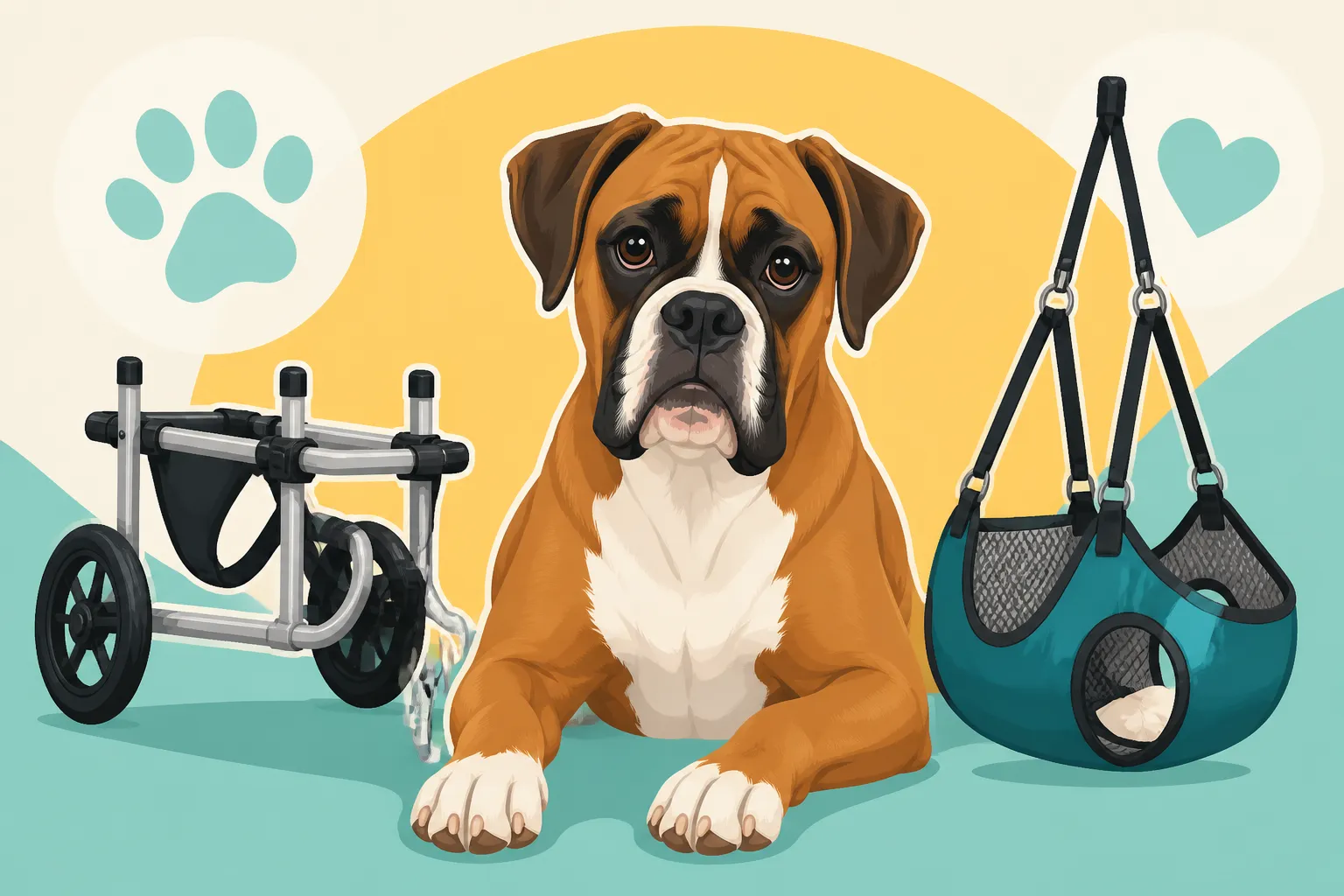
When your Boxer starts struggling with mobility, the world of assistive devices can feel overwhelming. But really, it boils down to two main categories: slings and carts (often called wheelchairs). Each has its own strengths and is suitable for different stages of the disease.
The Versatility of Support Slings
Support slings are often the first port of call when a Boxer starts losing strength in their hindquarters. These are essentially pieces of fabric, often reinforced, with handles that you loop under your Boxer’s belly, just in front of their back legs. They allow you to manually support their weight, lifting their hindquarters just enough to take pressure off their weak legs and help them maintain balance. Think of it as a helping hand (or two!) to keep them upright.
When Slings Shine: Slings are fantastic for:
- Early to moderate stages of DM: When your Boxer still has some function in their legs but needs a boost to prevent stumbling or falling, especially during bathroom breaks or short walks.
- Quick assistance: They're easy to put on and take off for quick trips outside, like going to the bathroom, or for navigating a few stairs.
- Building strength: In some cases, with physical therapy, the partial weight-bearing allowed by a sling can help maintain some hind leg muscle mass.
- Temporary support: If your Boxer is recovering from an injury or surgery and needs temporary help with mobility.
Real-Life Scenario: Imagine your Boxer, Buster, still loves his walks around the block, but he’s starting to drag his back paws towards the end, and he occasionally stumbles when trying to step over a curb. A rear-support sling would be perfect here. You can walk alongside him, holding the handles, offering just enough lift to stabilize his back end, letting him still use his legs but preventing those demoralizing stumbles. This helps him conserve energy and enjoy his outing without becoming completely exhausted or injuring himself. For larger, heavier Boxers, look for slings with wider straps and padded handles to make it more comfortable for you to lift and for your dog. Brands like GingerLead and Help 'Em Up Harness offer durable and comfortable options that can make a huge difference in your Boxer's daily life.
Exploring Dog Wheelchairs or Carts
When your Boxer’s hind legs are significantly weakened or paralyzed, and a sling no longer provides sufficient support, a dog wheelchair, or cart, becomes an absolute game-changer. These devices allow your Boxer to roll around on wheels, providing full support for their hindquarters while still letting their front legs propel them forward and steer.
The Freedom a Cart Offers: Wheelchairs are transformative because they:
- Restore independence: They allow your Boxer to move freely, play, and explore without constant human intervention.
- Prevent muscle atrophy: By engaging their front legs, they maintain upper body strength and muscle mass.
- Improve quality of life: Many Boxers, once in a cart, experience a renewed zest for life, eager to "run" again.
- Offer stability: No more wobbling or falling, providing a safe and stable way to get around.
Real-Life Scenario: Let's say your Boxer, Daisy, can barely stand on her own anymore. Her back legs buckle constantly, and going outside for potty breaks is a two-person job. She's clearly frustrated and spending more time lying down. A custom-fit dog wheelchair, such as those from Walkin' Pets or Eddie's Wheels, would give Daisy back her freedom. With her back legs suspended or lightly resting in stirrups, she could use her strong front legs to zoom around the yard, chase a ball, and even join you on longer walks again. It’s truly amazing to see a dog's spirit reignite when they can move independently. It allows them to maintain a sense of normalcy and joy, which is invaluable. When considering the cost, remember that a pet insurance plan like Healthy Paws, if enrolled before symptoms, could help with the expenses of such a specialized piece of equipment.
When to Use a Full Support Harness
While slings and carts address hindquarter mobility, some Boxers may experience weakness across all four limbs, or require comprehensive support due to advanced DM. In these cases, a full support harness can be an excellent intermediate step or a complementary aid. These harnesses often feature handles over both the front and rear of the dog, allowing you to lift and stabilize their entire body.
Advantages of Full Support:
- Even weight distribution: For Boxers with generalized weakness or significant instability.
- Safe lifting: Easier for owners to lift heavier dogs without straining their own backs.
- Versatility: Can be used for assisted walks, getting in and out of cars, or navigating household obstacles.
Real-Life Scenario: Imagine your older Boxer, Rocky, who has been diagnosed with Degenerative Myelopathy in an Older Boxer, is starting to struggle not just with his hind legs, but his front end is also losing some strength, making him wobbly all over. Getting him out of bed or helping him up onto his feet after resting has become a real challenge. A full-body harness, like those designed by Help 'Em Up Harness or Blue Dog, would allow you to gently lift him from both ends simultaneously, providing a stable foundation. This ensures he doesn't put undue strain on any one part of his body and reduces the risk of you injuring yourself while assisting him. It's a fantastic option for maintaining balance and providing comprehensive support as the disease progresses, or even for short periods if your Boxer is learning to adapt to a wheelchair.
Choosing the Right Mobility Aid and Adjusting to It
Finding the perfect mobility aid for your Boxer isn't always a one-and-done decision. It often involves some trial and error, patience, and a willingness to adapt. Just like people, every dog is an individual, and what works wonderfully for one Boxer might not be the best fit for another.
Customizing the Fit for Comfort and Safety
The absolute most important factor when choosing any mobility aid is the fit. An ill-fitting sling can cause chafing, skin irritation, and discomfort, leading your Boxer to resist using it. A poorly adjusted cart can throw off their balance, rub in the wrong places, or even lead to pressure sores.
For slings:
- Measure carefully: Always follow the manufacturer's measuring instructions. Key measurements often include the circumference of their abdomen and the length from front to back legs.
- Padding is key: Look for slings with ample padding, especially around the groin area, to prevent rubbing.
- Adjustable straps: Ensure the handles are adjustable so you can walk comfortably without bending too much, which can strain your back.
For wheelchairs/carts:
- Professional fitting: Ideally, consult with your vet or a canine physical therapist for guidance. They often have experience with different brands and can help with precise measurements.
- Adjustability: Good quality carts are highly adjustable in height, length, and width to ensure your Boxer’s body is properly aligned and supported. Their rear paws should ideally be able to lightly touch the ground or be comfortably suspended in stirrups.
- Weight distribution: The cart should balance their weight evenly. A lopsided cart can cause stress on their front legs or spine.
- Comfort: Check for smooth edges, padded harnesses, and secure straps that don't dig in. Brands like Walkin' Pets offer a modular design that allows for significant customization as your dog's needs change. It’s an investment, but a well-fitted aid can make all the difference in your Boxer's long-term comfort and willingness to use it.
Introducing the Aid Gradually
Don’t expect your Boxer to instantly love their new wheels or sling. This is a big change, and like any new experience, it requires patience and positive reinforcement.
Steps for introduction:
- Positive association: Before putting it on, let your Boxer sniff and investigate the aid. Offer high-value treats and praise. Make it a fun object, not something scary.
- Short sessions: Start with very brief periods of wearing the aid, even just a few minutes indoors. Reward heavily when they tolerate it.
- Gradual increase: Slowly increase the duration of wear, and then introduce short walks. For a wheelchair, you might start by letting them get used to it in a quiet, open space, rather than immediately going for a long walk.
- Consistency: The more regularly they use it, the more accustomed they'll become. Boxers are smart, but they thrive on routine.
- Stay positive: Your attitude is infectious. If you’re stressed or frustrated, your Boxer will pick up on that. Keep a cheerful, encouraging demeanor.
Real-Life Scenario: When you first introduce the cart to your Boxer, Lola, she might look at you like you’ve lost your mind. She might try to back out, freeze, or even lie down. This is completely normal! Start by putting just the harness part on her for a few minutes while giving her favorite treats. Once she’s comfortable with that, attach it to the frame (without putting her legs in initially if possible), let her sniff, and reward. Then, for the first few "walks," simply push her gently forward a few feet, giving her lots of verbal praise and treats. Acknowledge her efforts and keep it light. Remember, this is a major adjustment, and it can take days or even weeks for some Boxers to fully embrace their new mobility. Patience truly is a virtue here.
Maintaining the Aid and Your Boxer's Skin
Mobility aids, like any equipment, need regular maintenance to ensure they remain safe and comfortable. More importantly, your Boxer’s skin needs vigilant attention, especially in areas where the aid makes contact.
Aid Maintenance:
- Cleanliness: Regularly wipe down slings and harnesses, especially if they get dirty during potty breaks. For carts, check the wheels for debris and ensure all nuts and bolts are secure.
- Wear and tear: Inspect straps, buckles, and padding for signs of fraying, damage, or excessive wear. Replace parts as needed.
- Adjustments: As your Boxer’s condition changes or if they gain/lose a little weight, you may need to readjust the fit of the aid.
Skin Care:
- Daily checks: Every single day, remove the aid and thoroughly check your Boxer’s skin, especially around the armpits, groin, belly, and any areas where the harness or straps might rub. Look for redness, raw spots, swelling, or heat.
- Keep clean and dry: Ensure your Boxer’s skin is clean and dry before putting on the aid. Moisture can lead to skin irritation and infections.
- Padding and protection: If you notice sensitive spots, consult your vet about protective padding, lambskin liners, or even medicated ointments.
- Paw care: If your Boxer is dragging their feet, consider dog boots or paw protectors to prevent sores and further injury. Regular nail trims are also critical; you might consider a
Dremelfor this.
Table: Slings vs. Carts for Boxer Myelopathy
| Feature | Support Sling | Dog Wheelchair/Cart |
|---|---|---|
| Primary Use | Mild to moderate hindquarter weakness; short-term assist | Moderate to severe hindquarter weakness/paralysis |
| Support Level | Partial manual support for hindquarters | Full support for hindquarters; front legs propel |
| Independence | Limited; owner-assisted | High; allows independent movement |
| Ease of Use | Quick on/off, portable | More involved setup, less portable (some disassemble) |
| Cost Range | Low to moderate | Moderate to high |
| Activity Level | Potty breaks, short walks, getting up | Longer walks, running, playing |
| Skin Monitoring | Crucial around groin/belly | Crucial around harness points, groin, stirrups |
| Best For | Early DM, temporary injury, quick assists | Advanced DM, long-term mobility, full paralysis |
Living with a Boxer and Myelopathy: Beyond the Aid
Carts and slings are incredible tools, but managing degenerative myelopathy in your Boxer is a holistic endeavor. It’s about creating an environment that supports their changing needs, providing ongoing physical care, and offering unwavering emotional support to both your dog and yourself.
Home Modifications for Enhanced Safety
Your home, once a playground for your energetic Boxer, will need some adjustments to remain safe and accessible as their mobility declines. This is about minimizing obstacles and maximizing their ability to move around with dignity.
- Non-slip surfaces: Hardwood floors, tiles, and laminate can become dangerous slip-and-slide zones for a dog with hindquarter weakness. Lay down runners, yoga mats, or inexpensive carpets in high-traffic areas to provide traction.
- Ramps instead of stairs: If you have stairs, consider installing ramps for both indoor and outdoor access. This saves your Boxer the struggle and prevents falls. Even one or two steps can become insurmountable.
- Resting areas: Provide easily accessible, low-to-the-ground, orthopedic beds. Boxers are prone to orthopedic issues anyway, so good bedding is always a plus. As their mobility worsens, they'll need soft, supportive places to rest their bodies.
- Clear pathways: Remove clutter from floors to ensure your Boxer, especially if they are in a cart, can navigate freely without bumping into things or getting stuck.
- Raised bowls: For some Boxers, especially those with front leg weakness or general instability, raised food and water bowls can make meal times less strenuous. However, this is a point of debate in the Boxer community regarding bloat, so discuss with your vet.
- Potty pads/diapers: As DM progresses, bladder and bowel control can sometimes be affected. Having potty pads strategically placed or using doggy diapers can help manage accidents and maintain hygiene, preventing unnecessary stress for both of you.
These modifications might feel like a lot, but they create a safer, more comfortable environment, and they'll allow your Boxer to continue to navigate their home with a greater sense of independence.
Physical Therapy and Ongoing Management
Mobility aids are fantastic, but they work best when combined with a consistent regimen of physical therapy and ongoing management. A certified canine rehabilitation therapist can be an absolute lifesaver.
- Therapeutic exercises: These aren't about "fixing" DM, but about maintaining muscle mass, improving balance, and promoting circulation. This could include passive range of motion exercises, gentle stretching, balance exercises on wobble boards, or even hydrotherapy (under supervision!).
- Massage: Gentle massage can help alleviate muscle stiffness and improve blood flow, making your Boxer more comfortable.
- Supplements and medication: Discuss with your vet if supplements like Omega-3 fatty acids, glucosamine, chondroitin, or antioxidants could be beneficial. Sometimes, low-dose pain relief might be considered if secondary arthritis or muscle soreness is present.
- Weight management: Keeping your Boxer at a lean, healthy weight is more crucial than ever. Every extra pound puts additional strain on their already compromised joints and muscles. You can read more about Weight Gain and Coat Loss in a Boxer as a general health concern, which becomes even more critical with DM.
- Regular vet check-ups: These are vital to monitor the progression of DM, address any secondary issues, and adjust their care plan as needed. Caring for a Boxer Past Eight often involves increasing vet visits, and with DM, this frequency may increase further. An insurance provider like Healthy Paws can significantly ease the financial burden of these frequent visits and specialized therapies.
This ongoing commitment to therapy and management not only helps your Boxer physically but also provides mental stimulation and reinforces the bond you share.
Emotional Support for You and Your Boxer
Living with a Boxer who has degenerative myelopathy is emotionally challenging, for both of you. Your Boxer will undoubtedly experience frustration, confusion, and perhaps even sadness as their body betrays them. As their owner, you’ll likely feel a rollercoaster of emotions: grief, exhaustion, worry, and immense love.
- For your Boxer:
- Patience and understanding: They aren’t being stubborn; they’re trying their best. Offer gentle encouragement, not frustration.
- Maintain routine: Boxers thrive on routine. Sticking to regular mealtimes, potty breaks, and playtime (adapted to their capabilities) provides comfort and predictability.
- Continue mental stimulation: Even if physical activity is limited, keep their minds active with puzzle toys, scent games, or gentle training sessions.
- Lots of love: Extra cuddles, gentle grooming, and reassurance go a long way in letting them know they are still cherished and valued.
- For you:
- Seek support: Connect with other Boxer owners or DM support groups online. Sharing experiences and getting advice from those who understand can be incredibly validating.
- Allow yourself to grieve: It's okay to mourn the loss of your Boxer’s full mobility and the future you envisioned. This is a form of anticipatory grief, and it’s a natural process.
- Practice self-care: Caring for a special needs dog is demanding. Make sure you’re also taking time for yourself to recharge.
- Know when it’s enough: Eventually, DM progresses to a point where quality of life diminishes significantly. This is the hardest decision any pet owner faces. Discussions about Deciding Against Treatment for a Boxer or understanding Hospice Care for a Boxer become incredibly important during this heartbreaking time. Focus on making every day meaningful and comfortable for them.
The bond with a Boxer is incredibly strong, and navigating degenerative myelopathy together will only deepen that connection. With the right mobility aids, a supportive environment, and an abundance of love, you can ensure your Boxer continues to experience joy and comfort despite their challenges.
Disclaimer
The information provided in this article is for general informational purposes only and is not intended as a substitute for professional veterinary advice, diagnosis, or treatment. Always seek the advice of your veterinarian or other qualified pet health provider with any questions you may have regarding a medical condition.