Enrofloxacin for a Boxer With Colitis
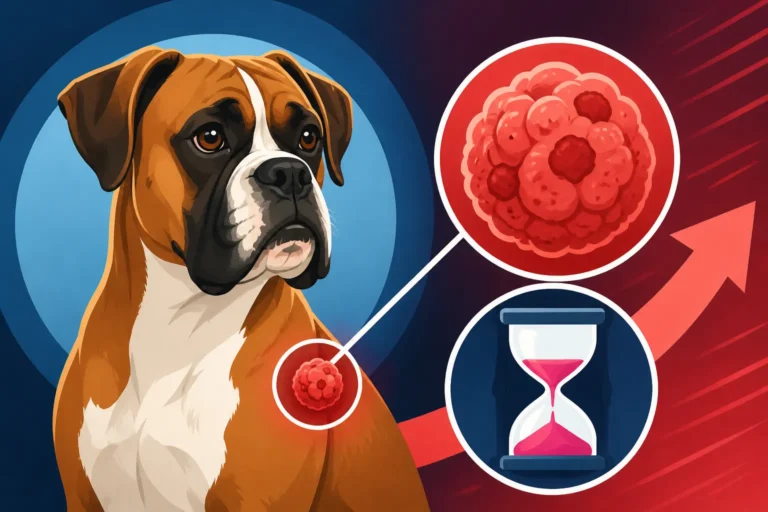
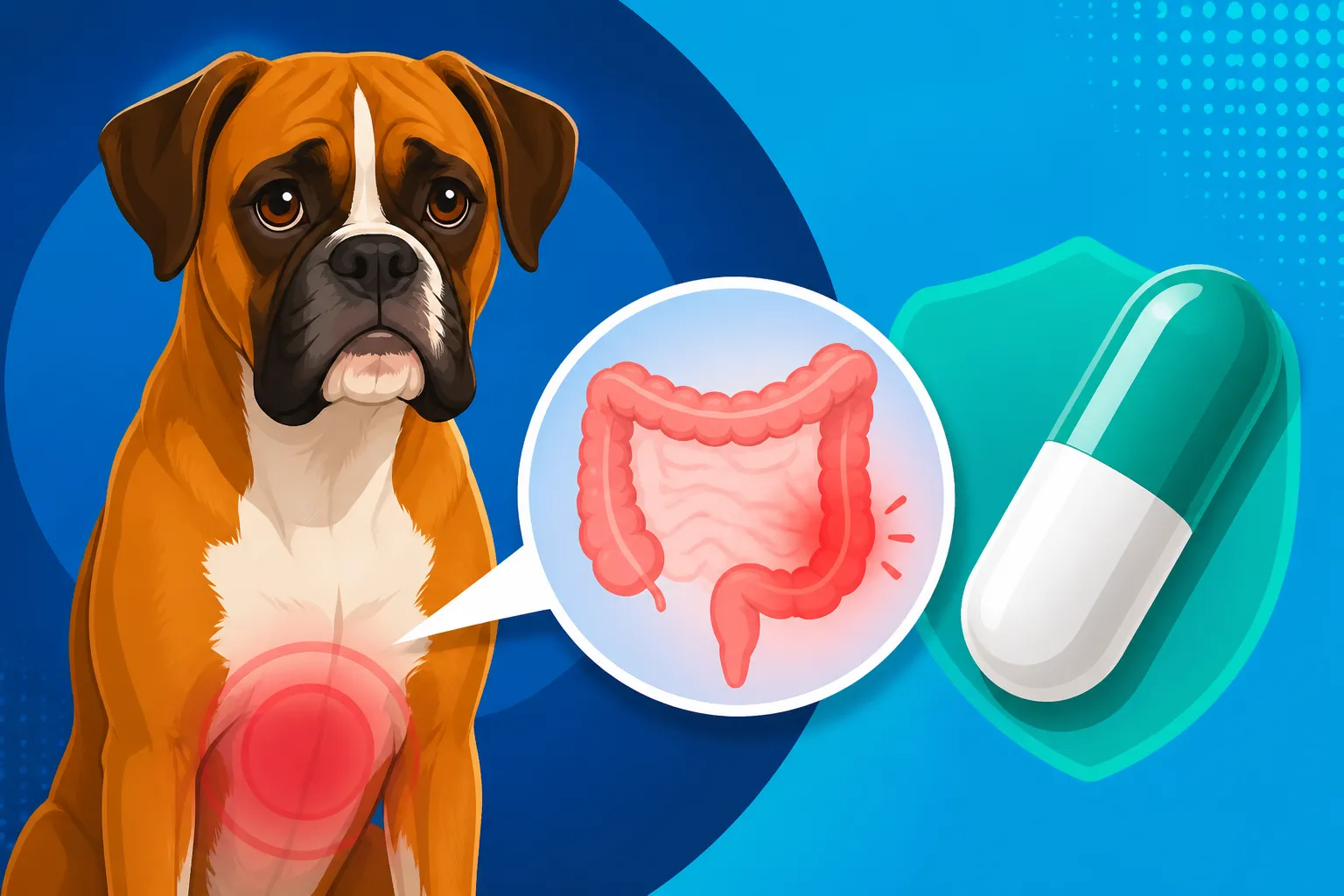
It’s truly disheartening to see your vibrant, energetic Boxer suddenly struggling with persistent gastrointestinal issues. That frantic scramble to the vet, the hope for a quick fix, and then the crushing frustration when the usual remedies don't quite hit the mark. When your beloved Boxer is battling colitis, marked by those awful, frequent, small stools often containing blood and mucus, it feels like a never-ending cycle of worry. This guide delves deep into one specific, often highly effective, antibiotic treatment: enrofloxacin, explaining why it's a game-changer for many Boxers facing this challenging condition.
Understanding Boxer Colitis and Its Persistent Nature
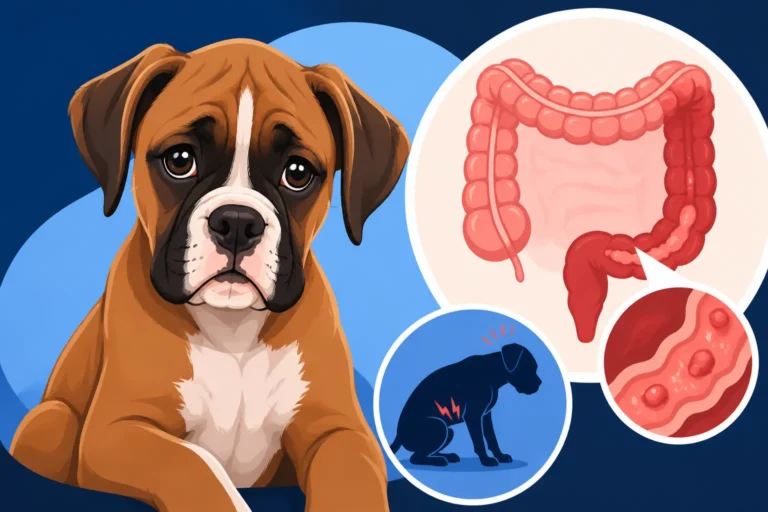
Boxers, as much as we adore their goofy antics and boundless energy, are unfortunately prone to certain health challenges, and chronic colitis is high on that list. It's not just a run-of-the-mill upset stomach; it’s an inflammation of the colon, the large intestine, that can be incredibly persistent and difficult to resolve without the right approach. When you see your Boxer straining, producing those small, pudding-like stools, often with streaks of bright red blood or slimy mucus, your heart just sinks. It’s a clear sign something serious is going on in their gut.
Why Boxers Are Prone to Colitis
The exact reasons why Boxers seem to be predisposed to certain types of colitis are still being thoroughly researched, but there’s a strong suspicion that genetics play a role. Many theories point to a unique immune response or specific gut microbiome characteristics in the breed. Unlike a simple dietary indiscretion that might clear up with a bland diet, Boxer colitis often points to something more ingrained, sometimes referred to as histiocytic ulcerative colitis (HUC) or granulomatous colitis. This particular form of colitis, which often afflicts young Boxers, is characterized by an infiltration of inflammatory cells (macrophages) into the colon wall. This deep-seated inflammation makes it particularly resistant to conventional antibiotics or diet changes alone. It’s a frustrating journey for owners who just want their happy-go-lucky companion back to normal. If you're observing these symptoms, it's worth reading more about Bloody Mucus in a Young Boxer's Stool to understand the nuances of what you're seeing.
The Role of E. coli in Boxer Colitis
For a long time, the specific cause of this persistent, inflammatory colitis in Boxers was a mystery, often just labeled "idiopathic" (of unknown cause). However, groundbreaking research has shed light on a fascinating and crucial piece of the puzzle: a specific type of E. coli bacteria. This isn't just any E. coli; it's an invasive strain that actually penetrates and resides within the cells lining the colon wall. Think about that for a moment – most bacterial infections in the gut are on the surface, easily reached by standard oral antibiotics. But this particular E. coli burrows deep, effectively shielding itself from many common treatments. This unique characteristic is precisely why some antibiotics fall short, and why a more targeted approach, like using enrofloxacin, becomes necessary. Understanding Why E Coli Sits Inside a Boxer's Colon Wall is key to grasping the challenge of treating this condition.
How Enrofloxacin Works to Combat Boxer Colitis
When your vet suggests enrofloxacin (often known by the brand name Baytril), it's usually because they suspect this particular invasive E. coli strain is at play, or that other treatments have failed. Enrofloxacin is a powerful antibiotic belonging to the fluoroquinolone class, and its mechanism of action is particularly well-suited for battling infections that hide deep within tissues. It’s not just another antibiotic; it’s often the antibiotic for this specific type of Boxer colitis.
The Unique Penetration Power of Enrofloxacin
What makes enrofloxacin so effective against the tenacious E. coli causing Boxer colitis? It all comes down to its pharmacokinetics – how the drug moves through the body. Unlike many antibiotics that primarily work in the bloodstream or on the surface of the gut, enrofloxacin has excellent tissue penetration. This means it can effectively reach those deeply embedded E. coli bacteria hiding within the colon wall cells. It’s like having a specialized tool that can get into all the nooks and crannies where the enemy is hiding, rather than just blasting the general area. This ability to get to the root of the problem is why it can be so much more successful than antibiotics that only work superficially. It directly addresses Why Boxer Colitis Responds to One Antibiotic.
Dosage and Duration of Treatment
Treating Boxer colitis with enrofloxacin isn't a short-term affair like a typical 7-10 day antibiotic course for a skin infection. Because the E. coli is so deeply entrenched, treatment often needs to be prolonged, sometimes lasting for several weeks or even months. Your veterinarian will determine the precise dosage and duration, which can vary based on your Boxer's weight, the severity of the condition, and their response to the medication. It's absolutely critical to adhere to the full prescribed course, even if your Boxer's symptoms improve dramatically early on. Stopping too soon risks a relapse because not all the deep-seated bacteria might have been eliminated, allowing the infection to rebound even stronger. This prolonged treatment can be a significant commitment, both in time and cost. Having pet insurance, like a comprehensive plan from Healthy Paws, can certainly alleviate some of the financial stress associated with such long-term care.
Administering Enrofloxacin and Managing Potential Side Effects
While enrofloxacin is a potent ally against Boxer colitis, administering it properly and being aware of potential side effects is crucial for your dog's well-being. Communication with your vet is paramount throughout this process.
Tips for Administration
Enrofloxacin typically comes in tablet form, which can sometimes be a challenge for a discerning Boxer. Here are a few tips to help ensure your dog gets their full dose:
- Pill Pockets or Food Wraps: These soft, moldable treats are often a lifesaver for administering medication. Just pop the pill inside, shape it, and offer it like a regular treat. Many Boxers will gobble them down without a second thought.
- With Meals: Giving the medication with food can sometimes help prevent stomach upset and ensure better absorption. Your vet will advise if it needs to be given on an empty stomach or with food.
- Direct Administration: If your Boxer is particularly stubborn, you might need to administer the pill directly. Gently open their mouth, place the pill as far back on their tongue as possible, close their muzzle, and gently stroke their throat until you see them swallow. Following up with a treat or a small amount of water can help ensure it goes down.
- Consistency is Key: Try to give the medication at the same time each day to maintain consistent drug levels in your Boxer’s system. Setting an alarm can be incredibly helpful for this.
Remember, patience and a positive attitude can make a big difference. Your Boxer picks up on your stress, so keeping things calm and positive will help them associate medication time with a less negative experience.
Recognizing and Addressing Side Effects
Like all medications, enrofloxacin can have side effects, though many Boxers tolerate it well. Being vigilant and knowing what to look for is important:
- Gastrointestinal Upset: Nausea, vomiting, diarrhea (ironically, given what it's treating), and loss of appetite are possible. If you notice these, especially if severe or persistent, contact your vet immediately. They might suggest giving the medication with food or at a different time, or even adjusting the dose.
- Cartilage Damage in Young Animals: This is a more significant concern, though less common with therapeutic doses. Fluoroquinolones can potentially affect cartilage development in growing puppies. This is why enrofloxacin is generally used with caution in very young Boxers, especially those under 8-12 months of age, unless absolutely necessary and other options have failed. Your vet will weigh the risks and benefits carefully. If your Boxer is quite young, understanding The Age Boxer Colitis Usually Starts might provide additional context.
- Central Nervous System Effects: In rare cases, neurological signs like seizures, lethargy, or behavioral changes can occur. These are very rare but warrant immediate veterinary attention.
- Drug Interactions: Enrofloxacin can interact with other medications, such as antacids, certain supplements, or other antibiotics. Always inform your vet about all medications, supplements, and even herbal remedies your Boxer is taking to avoid adverse interactions.
If you observe any unusual symptoms or changes in your Boxer's behavior while on enrofloxacin, don't hesitate to call your veterinarian. It's always better to be safe than sorry, especially when dealing with a powerful antibiotic and a potentially serious condition. Pet insurance plans like those offered by Healthy Paws can be invaluable in covering the costs of these emergency vet visits or follow-up consultations for side effects.
| Symptom Category | General Diarrhea (Non-Colitis) | Boxer Colitis (Often HUC/Granulomatous) |
|---|---|---|
| Stool Consistency | Loose, watery, sometimes shapeless | Small, frequent, often soft to pudding-like |
| Presence of Blood | Occasional streaks, bright red, usually from straining | Frequent, bright red streaks, or frank blood |
| Presence of Mucus | Rare or minimal | Frequent, slimy, jelly-like mucus |
| Straining (Tenemus) | Mild, occasional | Prominent, prolonged, painful straining |
| Frequency of Defecation | Can be frequent, but sometimes normal | Very frequent, sometimes urgent, small amounts |
| Appetite | Often normal or slightly reduced | Can be significantly reduced or fluctuating |
| Weight Loss | Uncommon (unless chronic) | Common due to malabsorption/inflammation |
| General Demeanor | May be slightly subdued | Can be lethargic, uncomfortable, depressed |
| Response to Bland Diet | Often improves rapidly | Little to no improvement, or temporary relief |
Beyond Enrofloxacin: Long-Term Management for Boxer Colitis
While enrofloxacin can be a miracle worker for resolving the active infection in Boxer colitis, it's often not the end of the road. This condition tends to be chronic and can recur, meaning a comprehensive long-term management strategy is essential to keep your Boxer healthy and comfortable. This often involves a multi-faceted approach focusing on diet, lifestyle, and ongoing monitoring. For owners dealing with recurrent issues, it’s worth considering Whether Boxer Colitis Comes Back.
Dietary Adjustments and Novel Proteins
Diet plays a colossal role in managing chronic colitis. Many Boxers with this condition benefit significantly from specialized diets. The goal is often to reduce inflammation and minimize the workload on the colon.
- Novel Protein Diets: These diets feature protein sources your Boxer has never eaten before (e.g., duck, venison, rabbit, kangaroo). The idea is to avoid common allergens like chicken or beef, which can sometimes trigger or exacerbate gut inflammation.
- Hydrolyzed Protein Diets: In these prescription diets, the proteins are broken down into such tiny molecules that the immune system doesn't recognize them as allergens. This can be incredibly effective for Boxers with severe food sensitivities. Brands like Purina Pro Plan Veterinary Diets HA Hydrolyzed or Hill's Prescription Diet z/d often come to mind.
- High Fiber Diets: Sometimes, a carefully balanced increase in dietary fiber can help regulate bowel movements and promote a healthy gut environment. However, this needs to be done under veterinary guidance, as too much fiber can sometimes worsen symptoms in certain types of colitis.
- Limited Ingredient Diets: These diets simplify the food list, making it easier to identify and avoid potential triggers.
Changing your Boxer's food should always be a gradual process, transitioning over 7-10 days to avoid further upsetting their sensitive system. It's also vital to stick strictly to the prescribed diet – no cheating with treats or table scraps! The costs associated with these specialized prescription foods can add up, making a good pet insurance plan from Healthy Paws a wise investment for long-term health management. You can explore more about Diet Changes for a Boxer With Colitis for detailed insights.
Probiotics and Gut Health Support
Once the acute infection is under control with enrofloxacin, supporting and rebuilding a healthy gut microbiome is critical. The powerful antibiotics, while necessary, can also disrupt the balance of beneficial bacteria in the gut.
- Probiotics: Introducing beneficial bacteria through high-quality canine-specific probiotics can help restore balance, improve digestion, and strengthen the gut barrier. Look for products with multiple strains of bacteria and a guaranteed CFU (colony-forming unit) count. Products like FortiFlora or Prostora Max are often recommended by vets.
- Prebiotics: These are non-digestible fibers that act as food for the beneficial bacteria in the gut, encouraging their growth. Many specialized diets for sensitive stomachs include prebiotics.
- Omega-3 Fatty Acids: Supplements containing EPA and DHA, found in fish oil, have anti-inflammatory properties that can help soothe the inflamed colon. Again, your vet can recommend the appropriate dosage.
The goal here is to create an environment in your Boxer's gut where good bacteria thrive, making it harder for opportunistic pathogens to take hold and reducing overall inflammation. This isn't a quick fix but a sustained effort to maintain gut health. For further reading on post-antibiotic care, consider "Probiotics for a Boxer After Antibiotics".
Ongoing Monitoring and Vet Check-ups
Even after successful treatment and implementing long-term management strategies, regular monitoring is essential. Boxer colitis can be sneaky, and flare-ups can occur.
- Keep a Stool Log: Continue to monitor your Boxer's stool consistency, frequency, and presence of blood or mucus. A simple log can help you and your vet spot patterns or early signs of recurrence.
- Watch for Other Symptoms: Be vigilant for changes in appetite, energy levels, or any signs of discomfort.
- Regular Vet Visits: Scheduled follow-up appointments with your veterinarian are crucial. They might recommend periodic blood tests, stool analyses, or even repeat biopsies if symptoms persist or return, to ensure the condition is truly under control and to rule out other issues. Sometimes, managing this condition requires a team approach with a veterinary internal medicine specialist. These specialized consultations and diagnostics can be costly, highlighting again the value of a robust pet insurance plan.
Living with a Boxer prone to colitis means staying proactive and having a strong partnership with your vet. With the right treatment, diligent long-term care, and a keen eye for changes, you can help your Boxer live a happy, comfortable life, minimizing the impact of this challenging condition.
Disclaimer
The information provided in this article is for educational purposes only and is not intended to be a substitute for professional veterinary advice, diagnosis, or treatment. Always seek the advice of your veterinarian or other qualified animal health provider with any questions you may have regarding a medical condition. Never disregard professional veterinary advice or delay in seeking it because of something you have read here.