The Vet Visits a Boxer Needs Beyond Screening
It’s easy to think that once your Boxer puppy has had their initial rounds of shots, your vet visits will settle into a nice, predictable annual check-up routine. But the truth is, owning a Boxer means a much more dynamic and involved relationship with your veterinarian throughout their life. From unexpected bumps and scrapes to managing breed-specific health challenges, your Boxer will need more than just those yearly screenings. This guide is here to walk you through the essential vet visits your Boxer will need beyond the routine, preparing you for the full scope of their healthcare journey.
The Foundation: Puppy Visits and Early Care
Bringing home a Boxer puppy is a whirlwind of joy, boundless energy, and, let’s be honest, a fair amount of slobber and chaos! Amidst all the puppy cuddles and house training, establishing a strong relationship with your veterinarian right from the start is paramount. These early visits aren’t just about getting shots; they’re about setting up a lifetime of good health.
Initial Wellness Checks and Vaccinations
That very first vet visit, usually within a few days of bringing your puppy home, is critical. Your vet will give your little Boxer a thorough nose-to-tail examination to make sure everything is developing as it should be. They'll listen to their heart and lungs, check their eyes and ears, palpate their abdomen, and check for any congenital issues, like a potential heart murmur. This is also when the discussion about their vaccination schedule really begins.
Typically, Boxer puppies will receive a series of vaccinations over several weeks to protect them against common and often life-threatening diseases such as canine distemper, parvovirus, adenovirus, and parainfluenza. Rabies vaccination usually comes a little later, as mandated by local laws. Your vet will tailor a schedule based on your puppy's age and local risk factors. Beyond vaccines, your puppy will also be dewormed multiple times to clear out any intestinal parasites they might have picked up from their mother or environment. It’s a lot for a tiny pup, but each visit builds their immunity and creates a comprehensive health record, which is invaluable down the line. We also can't forget microchipping during one of these early visits, which is such a simple way to ensure they can be identified if they ever get lost.
Growth and Development Monitoring
As your Boxer puppy grows from a clumsy bundle of paws into a lanky, energetic adolescent, these regular vet checks become crucial for monitoring their physical development. Your vet will keep a close eye on their weight gain, ensuring they’re growing at an appropriate rate – not too fast, which can put undue stress on their developing joints, but steadily enough to indicate good nutrition. They'll also assess their musculoskeletal system, checking for proper joint formation and alignment, particularly important for a large, athletic breed like the Boxer.
Nutrition is a huge topic at this stage, and your vet will likely offer advice on feeding a large breed puppy diet that supports slow, steady growth and helps prevent conditions like hip dysplasia. This is also the time to discuss spaying or neutering. While the traditional advice was often to spay or neuter early, recent research suggests that waiting until your Boxer is more mature, perhaps closer to two years old, might offer some long-term health benefits, especially regarding orthopedic development and certain cancers. Your vet can discuss the pros and cons and help you make an informed decision based on your individual Boxer's needs and lifestyle.
Routine Adult Care: More Than Just an Annual Shot
Once your Boxer transitions from puppyhood to adulthood, the excitement of those frequent puppy visits might fade, but the importance of consistent veterinary care certainly doesn't. Many owners fall into the trap of thinking an annual vaccination booster is all their adult Boxer needs. However, a truly comprehensive approach to adult Boxer health goes far beyond a quick jab.
Comprehensive Annual Exams
An annual physical exam for an adult Boxer should be a thorough, head-to-tail investigation, not just a five-minute glance. Your vet will perform a comprehensive physical assessment, carefully checking everything from the tip of their nose to the end of their tail. This includes inspecting their teeth and gums for signs of dental disease, examining their eyes and ears, feeling their lymph nodes and thyroid gland, palpating their abdomen for any abnormalities, and listening intently to their heart and lungs. They'll also assess their gait and body condition, looking for any subtle changes that might indicate early arthritis or weight issues.
Beyond the physical, blood work becomes increasingly important as Boxers mature, typically starting around 3-4 years old. A complete blood count (CBC) and a chemistry panel can provide invaluable insights into organ function (kidneys, liver), blood sugar levels, and detect signs of infection or inflammation long before outward symptoms appear. A urinalysis can also catch early signs of kidney disease, urinary tract infections, or diabetes. These tests are preventative superpowers, allowing your vet to catch potential issues early, which is absolutely key with a breed prone to so many health challenges. Regular fecal exams are also essential to screen for intestinal parasites that might not always cause obvious symptoms but can impact overall health.
Parasite Prevention and Dental Health
Parasites aren't just a puppy problem; adult Boxers need year-round protection. Heartworm disease, transmitted by mosquitoes, is a silent killer, and prevention is infinitely easier and safer than treatment. Your vet will prescribe a monthly oral or topical medication, and typically recommend an annual heartworm test to ensure no breakthrough infection has occurred. Similarly, flea and tick prevention is vital, not just to avoid itchy skin, but to prevent tick-borne diseases like Lyme disease or anaplasmosis, which are prevalent in many regions.
Dental health is another area often overlooked but critical for Boxers. Their unique undershot jaw can sometimes lead to crowded teeth and an increased predisposition to tartar buildup and gum disease. During annual exams, your vet will assess their dental health, but many Boxers will need professional dental cleanings under anesthesia every few years, or even more frequently. This involves scaling off plaque and tartar, polishing the teeth, and often taking dental X-rays to check for problems below the gum line. Poor dental hygiene doesn't just lead to bad breath; it can contribute to more serious health issues, as bacteria from infected gums can travel through the bloodstream to impact organs like the heart, kidneys, and liver. Brands like Chewy offer a wide range of dental chews and toothbrushes, but nothing replaces a vet's professional cleaning.
Addressing Common Boxer-Specific Health Concerns
Boxers are notoriously robust and playful, but they're also a breed with a predisposition to certain health conditions. Being proactive and understanding these specific vulnerabilities is part of being a responsible Boxer owner. These aren't necessarily emergency visits, but rather dedicated follow-ups or investigatory appointments when something doesn't seem quite right.
Cardiac Health Follow-ups
One of the most concerning breed-specific health issues for Boxers is Arrhythmogenic Right Ventricular Cardiomyopathy, or ARVC, sometimes called Boxer Cardiomyopathy. Even if your Boxer has had clear screenings, more frequent cardiac checks, especially once they reach 3-4 years of age, are incredibly important. The disease can be notoriously sneaky, often not showing outward signs until it's quite advanced. If your vet hears an arrhythmia during a routine exam, or if your Boxer shows symptoms like fainting episodes in a Boxer or collapsing after exercise, dedicated follow-up visits will be needed.
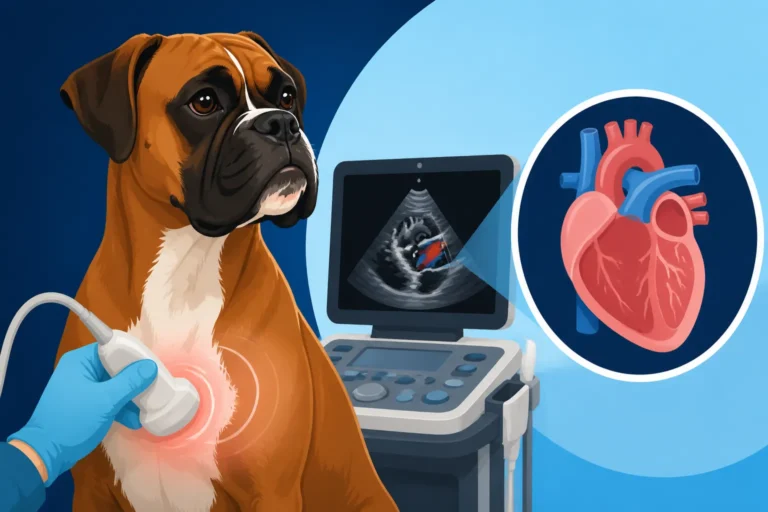
These follow-ups often involve an echocardiogram (an ultrasound of the heart) to assess its structure and function, and especially a Holter monitor. A Holter monitor is a portable ECG device your Boxer wears for 24-48 hours to record their heart's electrical activity during their normal daily routine. This can detect intermittent arrhythmias that might be missed during a brief in-clinic ECG. Managing ARVC or Subaortic Stenosis in a Boxer may involve regular vet visits to adjust medications like Sotalol or Pimobendan, monitor their response to treatment, and assess their overall quality of life. Understanding What Boxer ARVC Actually Does to the Heart or learning about Living With a Boxer That Has SAS can help you be better prepared for these discussions with your vet.
Dermatology and Allergy Management
Boxers have short, sleek coats, but that doesn't mean they're immune to skin problems. In fact, they can be prone to allergies, which manifest as itchy skin, redness, hot spots, or recurring ear infections. If your Boxer is constantly scratching, licking their paws, or develops an unusual rash, a vet visit is in order. Your vet will try to pinpoint the cause, which could be environmental allergies (pollen, dust mites), food allergies, or even parasitic infestations not covered by your regular prevention.
Managing allergies often involves a multi-pronged approach and several follow-up visits. This might include allergy testing (either blood tests or intradermal skin tests), prescription medications like Apoquel or Cytopoint injections, medicated shampoos, or a special hypoallergenic diet. For suspected food allergies, your vet might recommend a limited ingredient or novel protein diet, sometimes for an extended period, to see if symptoms improve. You can find many specialized food options from brands like Ollie or Chewy, sometimes even with vet nutritionist consultations included. Additionally, Boxers are prone to various lumps and bumps, some benign like fatty lipomas or histiocytomas, and some more serious like mast cell tumors. Any new lump should prompt a vet visit for examination and potentially a needle biopsy. Weekly Lump Checks on a Boxer are a crucial part of early detection.
Navigating Unexpected Illnesses and Injuries
No matter how vigilant you are with preventative care, life with a Boxer inevitably includes unexpected twists and turns. Their playful, sometimes clumsy nature, combined with their breed-specific health predispositions, means that urgent and emergency vet visits are a part of their reality. Being prepared for these moments can make all the difference.
Emergency and Urgent Care
Boxers, with their deep chests, are tragically prone to Gastric Dilatation-Volvulus (GDV), commonly known as bloat. This is an absolute emergency where the stomach twists, trapping gas and cutting off blood supply. It progresses rapidly and is life-threatening. If you notice signs like retching without producing anything, a distended abdomen, excessive drooling, or restlessness, it’s a critical dash to the emergency vet. Knowing Bloat Signs Every Boxer Owner Should Know can save your dog's life. Similarly, Boxers can suddenly collapse after exercise due to underlying cardiac issues, or develop severe lameness from a torn cruciate ligament. These scenarios, along with accidental ingestion of toxins (e.g., chocolate, medications, household cleaners), warrant immediate emergency veterinary attention.
It’s not a question of if but when your Boxer might need urgent care. Having the number of your local 24/7 emergency veterinary hospital saved in your phone, and knowing their location, is crucial. These clinics are equipped to handle critical situations, with diagnostic tools like X-rays and ultrasound, and often have specialists available for surgery or intensive care. Don't hesitate if you suspect an emergency; minutes can make a difference in outcomes for many conditions. If you notice A Boxer That Collapses After Exercise, immediate veterinary care is essential.
Chronic Disease Management
Beyond sudden emergencies, many Boxers will develop chronic conditions that require ongoing veterinary oversight. Hypothyroidism, an underactive thyroid gland, is relatively common in Boxers and can lead to weight gain, lethargy, and coat issues. Once diagnosed, it's managed with daily medication, but requires regular blood tests to ensure the dosage is correct. Similarly, Inflammatory Bowel Disease (IBD), often presenting as Boxer Colitis and the Young Dogs It Hits in younger Boxers, requires long-term dietary management, and sometimes immunosuppressive medications, with follow-up visits to monitor symptoms and adjust treatment.
Arthritis is another common foe for older Boxers, whether it's related to hip dysplasia, spondylosis, or general wear and tear. Managing Arthritis in an Older Boxer involves regular vet visits to assess pain levels, discuss pain medications (NSAIDs), joint supplements, and potentially physical therapy or cold laser treatments. These follow-up appointments are vital for maintaining your Boxer's comfort and quality of life, adjusting their care plan as their condition evolves. It’s an ongoing partnership with your vet, navigating the complexities of their health together.
Senior Boxer Care: A Different Kind of Vigilance
As your Boxer enters their senior years, typically around age seven or eight, their veterinary needs shift. While their spirit might still be puppy-like, their bodies start to change, becoming more susceptible to age-related conditions. This isn't a time to relax your vigilance; it's a time to ramp it up, focusing on early detection and maintaining their comfort.
Bi-Annual Senior Wellness Exams
For senior Boxers, annual vet visits often aren't enough. Many veterinarians recommend bi-annual (twice-yearly) check-ups once your Boxer hits around seven years old. The reason is simple: diseases can progress much more quickly in older dogs, and catching issues early often leads to better outcomes and more effective management. During these exams, your vet will pay extra attention to areas commonly affected by aging. This includes more thorough dental checks, looking for advanced gum disease or painful tooth resorption. They’ll meticulously palpate joints for signs of worsening arthritis, and closely monitor their weight, as both sudden weight loss or gain can indicate underlying health problems.
Extensive blood work, including a full chemistry panel, CBC, and thyroid panel, will likely be recommended at each visit to screen for early signs of kidney disease, liver issues, diabetes, and other metabolic changes. Urinalysis is also a standard part of these check-ups. Cognitive decline, akin to dementia in humans, can also start to show, so your vet might ask about changes in behavior, sleep patterns, or house training. Understanding What Changes in a Boxer After Seven can help you recognize subtle signs and discuss them with your vet promptly.
Pain Management and Quality of Life Discussions
One of the most important aspects of senior Boxer care is managing pain and discomfort, particularly from conditions like arthritis or neurological issues like Degenerative Myelopathy. Your vet will regularly assess your Boxer's mobility and comfort levels, which can be challenging since dogs are often stoic. They might recommend specific pain medications, such as NSAIDs, Gabapentin, or Amantadine, to keep your Boxer comfortable. Nutritional supplements like glucosamine and chondroitin, fish oil, and turmeric can also play a supportive role. Physical therapy, hydrotherapy, or even acupuncture might be options to explore for pain relief and improved mobility.
These later-life vet visits also involve candid conversations about your Boxer's overall quality of life. As conditions progress, you and your vet will discuss what steps can be taken to ensure they remain happy and comfortable. This can include palliative care, focusing on symptom relief rather than a cure, to ensure their remaining time is as pleasant as possible. And, heartbreakingly, these discussions will eventually lead to contemplating end-of-life decisions, including euthanasia, ensuring your beloved Boxer's final moments are peaceful and free from suffering. Your vet is there to support you through these incredibly difficult choices, helping you navigate Caring for a Boxer Past Eight and, when the time comes, providing guidance on Hospice Care for a Boxer.
Financial Planning for Boxer Vet Care
It’s no secret that owning a Boxer can be an expensive endeavor, and a significant portion of that cost goes towards their healthcare. While we never want to put a price on our pet’s well-being, being realistic and proactive about the financial aspect of veterinary care is a huge part of responsible Boxer ownership.
Understanding the Costs
From those initial puppy shots to managing senior ailments, the veterinary bills for a Boxer can really add up. Routine annual exams, vaccinations, and parasite prevention are predictable expenses, but it's the unexpected illnesses, injuries, and chronic conditions that can truly impact your budget. An emergency bloat surgery, for example, can easily cost several thousand dollars, and that's just for the initial stabilization and surgery, not including potential complications or follow-up care. Treating cancer, a sadly common diagnosis for Boxers, can involve chemotherapy, radiation, or extensive surgeries, with costs potentially running into the tens of thousands. What Boxer Cancer Treatment Actually Costs is a sobering reality for many Boxer owners.
As Boxers age, their vet bills almost invariably climb. They become more susceptible to conditions like arthritis, heart disease, kidney disease, and various cancers, all of which require diagnostics, medications, and ongoing management. These aren't just one-off payments; they often involve recurring prescriptions, regular monitoring tests, and specialist consultations. It's truly a long-term financial commitment that extends beyond the initial purchase price of your puppy. Knowing The Yearly Bill for a Seventy-Pound Boxer can help you budget effectively for all these potential costs.
Pet Insurance and Wellness Plans
This is where pet insurance can be a genuine lifesaver for Boxer owners. Unlike human health insurance, pet insurance typically works on a reimbursement model, meaning you pay the vet directly and then submit a claim for repayment. Policies from reputable providers like Healthy Paws can cover a significant portion (often 70-90%) of unexpected illness and accident costs, including emergencies, surgeries, chronic disease management, and specialist visits. The key, however, is to enroll your Boxer when they are young and healthy. Any condition diagnosed before enrollment or during the waiting period will be considered a pre-existing condition and will likely not be covered. Given the Boxer's propensity for conditions like ARVC and various cancers, getting coverage early is incredibly wise.
Beyond full pet insurance, some veterinary clinics or third-party providers offer wellness plans. These are usually subscription-based programs that cover routine preventative care like annual exams, vaccinations, and sometimes even dental cleanings, often at a discounted rate or spread out into monthly payments. These plans don't typically cover accidents or illnesses, so they're often best combined with a good insurance policy for comprehensive coverage. Brands like Chewy might offer partnerships with pet insurance providers or resources to help you compare plans. And while a premium fresh food like Ollie might seem like an added expense, some of these brands offer direct access to veterinary nutritionists who can help manage certain health issues, potentially reducing other vet costs down the line by keeping your Boxer in optimal health.
| Boxer Life Stage | Typical Vet Visit Frequency | Primary Focus of Visits | Common Concerns & Added Care |
|---|---|---|---|
| Puppy (8-16 weeks) | Every 3-4 weeks | Vaccinations, deworming, growth monitoring | Socialization, nutrition, microchipping, early disease screening |
| Adolescent (4-18 months) | Annual wellness exam | Growth progress, spay/neuter discussion, parasite prevention | Behavior, injury prevention, diet adjustments |
| Adult (1.5-6 years) | Annual wellness exam | Comprehensive physical, blood work (as recommended), parasite control | Dental health, early cardiac screening, allergy discussions |
| Mature (7-9 years) | Bi-annual (every 6 months) | Increased focus on early disease detection, organ function | Arthritis, cancer screening, thyroid checks, dental care |
| Senior (10+ years) | Bi-annual (every 6 months) | Extensive diagnostics, pain management, quality of life | Cognitive decline, kidney/liver disease, advanced cancer, end-of-life planning |
Disclaimer
The information provided in this article is intended for general knowledge and informational purposes only, and does not constitute veterinary advice. Always consult with a qualified veterinarian for any health concerns or before making any decisions about your Boxer's medical care. Individual Boxer needs may vary.