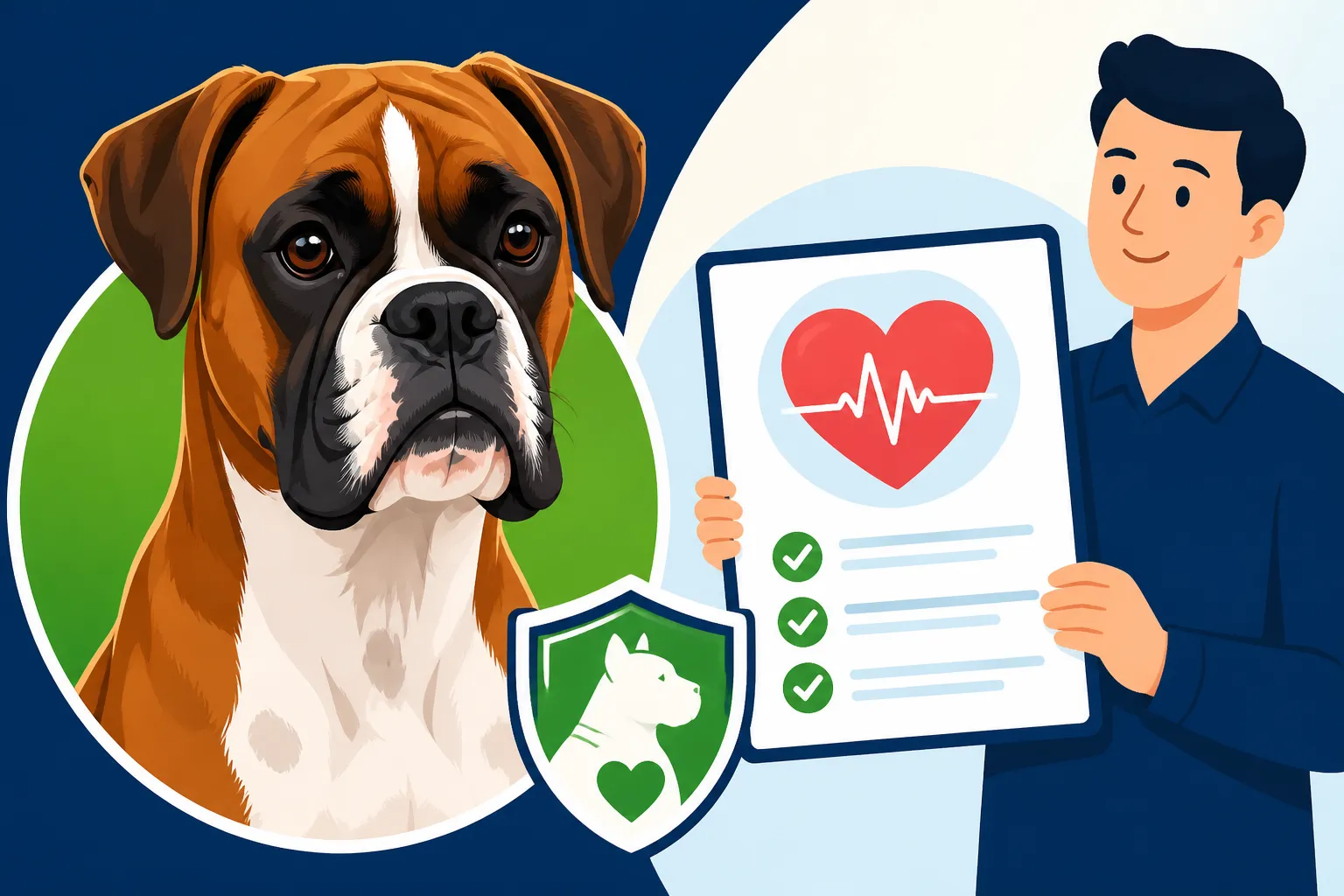
Whether a Boxer Breeder Shows Cardiac Certificates
It’s a heartbreaking scenario many prospective Boxer owners fear: falling head over heels for an adorable puppy, only to discover later that your beloved companion is battling a serious, inherited heart condition. The costs, both emotional and financial, can be crushing. This guide is here to walk you through exactly what you need to know about a responsible Boxer breeder and, specifically, the cardiac certificates they should proudly show you, helping you make an informed choice and avoid future heartache.
The Critical Role of Cardiac Health Screening in Boxers
When you’re looking for a Boxer puppy, the sheer excitement can sometimes overshadow the crucial questions you need to ask a breeder. But for Boxers, more than many other breeds, understanding their potential inherited health conditions, especially those affecting the heart, is paramount. This isn't just about ticking boxes; it's about the very real difference between a long, happy life and one cut tragically short by preventable genetic issues.
Why Cardiac Certificates Matter So Much for Boxers
Boxers are magnificent, athletic dogs, but sadly, they are predisposed to certain heart conditions that can be devastating. The two big ones we always worry about are Arrhythmogenic Right Ventricular Cardiomyopathy (ARVC), often called "Boxer Cardiomyopathy," and Subaortic Stenosis (SAS). Imagine bringing home a vibrant, playful puppy, only for it to start collapsing during exercise as a young adult, or even worse, experiencing sudden death. These are the terrifying realities of undiagnosed, unmanaged ARVC or SAS. Responsible breeders know this and take proactive steps to screen their breeding dogs.
ARVC is a genetic disorder where the heart muscle cells are gradually replaced by fatty or fibrous tissue. This disrupts the heart's electrical signals, leading to dangerous arrhythmias, or irregular heartbeats. While a Boxer can carry ARVC without showing symptoms for years, it can manifest suddenly with fainting spells or even fatal cardiac arrest. On the other hand, SAS is a congenital condition, meaning a Boxer is born with it, where the aorta (the main artery carrying blood from the heart) is narrowed, making the heart work harder to pump blood. This can lead to heart failure, exercise intolerance, and again, sudden death. It's truly a tragedy when these conditions surface in a cherished family member, and a good breeder will do everything in their power to prevent passing them on. To learn more about how ARVC affects your Boxer, you might find our article on What Boxer ARVC Actually Does to the Heart insightful.
Understanding the Types of Cardiac Certificates
So, how do breeders actually screen for these conditions? It's not just a quick listen with a stethoscope (though that's a start!). For ARVC, the gold standard is a 24-hour Holter monitor test. This involves fitting the dog with a special vest that holds an ECG device, recording every heartbeat for a full day as the dog goes about its normal activities. A veterinary cardiologist then analyzes this recording, looking for abnormal heartbeats called PVCs (premature ventricular contractions). The number of PVCs and their patterns helps determine if the dog has ARVC. Breeders typically start this screening when the Boxer is around two to three years old and often repeat it annually, as the condition can develop over time. This ongoing vigilance is what sets truly dedicated breeders apart.
For SAS, the primary diagnostic tool is an echocardiogram, often simply called an "echo." This is an ultrasound of the heart that allows a veterinary cardiologist to visualize the heart's structure, measure blood flow, and identify any narrowing in the aorta. SAS is usually diagnosed much earlier, often when the dog is still a puppy, or before breeding age, as it's a structural issue. Reputable breeders will have both parents screened by a board-certified veterinary cardiologist, and these results are then often submitted to organizations like the Orthopedic Foundation for Animals (OFA). The OFA maintains a public database of health certifications, allowing you to verify a dog's health clearances online. Always ask for documentation that shows the actual cardiologist's report and the OFA certification number. This level of detail confirms the breeder's commitment to the health of their lines. For deeper insight into testing, our guide on The Striatin Gene Test for Boxers could be helpful, though it's important to note the Striatin test is not a definitive diagnostic for ARVC itself, but rather a genetic marker that indicates risk.
What a Responsible Boxer Breeder Will Provide
When you're vetting breeders, the ease and willingness with which they share health certificates speaks volumes. It's not just about having the papers; it's about their understanding, their transparency, and their commitment to the breed's future. A responsible breeder considers health screening a fundamental part of their breeding program, not an optional extra.
Proactive Transparency and Open Communication
A truly responsible Boxer breeder won't wait for you to ask; they'll proactively offer to show you the cardiac certificates for both the dam (mother) and sire (father) of the litter. In fact, they’ll probably talk your ear off about their screening protocols, their chosen veterinary cardiologists, and the history of heart health in their specific lines. This isn't just a transaction; it's a partnership in ensuring a healthy puppy. They should be able to explain what a "clear" Holter means (low PVC count) and what an SAS grade signifies. They should also be happy to share the OFA results or direct you to where you can look them up yourself.
Imagine sitting down with a breeder who pulls out a binder filled with organized paperwork: Holter monitor results from last year, echocardiogram reports, and OFA certificates. They walk you through each document, explaining the numbers, the dates, and why each test is important. They might even discuss how they choose breeding partners to minimize risks. This level of transparency not only builds trust but also shows they understand the gravity of these conditions. It's a huge green flag when a breeder welcomes your questions and takes the time to educate you, rather than rushing through the process or acting like you're inconveniencing them. If you're interested in all the screenings a breeder should conduct, you might want to read our article on The Health Screening a Boxer Breeder Owes You.
Interpreting the Results and What to Look For
Just having a piece of paper isn't enough; you need to understand what that paper says. For Holter results, you're looking for a low number of PVCs over the 24-hour period. While there's no universally agreed-upon "safe" number, many cardiologists consider under 50 PVCs in 24 hours to be clear for breeding, with some setting the bar even higher (e.g., under 10). Crucially, these tests should be performed annually on breeding dogs, especially given that ARVC can progress over time. So, if a breeder shows you a Holter from three years ago and nothing more recent, that’s a concern.
For SAS, the echocardiogram will provide a velocity reading (usually in meters per second) across the aortic valve. This reading determines the "grade" of SAS. A velocity of less than 1.7 m/s is typically considered clear, 1.7-2.7 m/s is mild, 2.7-3.9 m/s is moderate, and anything over 4.0 m/s is severe. You want to see parents with clear (normal) results. If a breeder tells you "Oh, it's just a mild murmur," be very cautious. A heart murmur in a Boxer puppy, while sometimes benign, needs proper investigation with an echocardiogram, and a breeding dog with any degree of SAS should generally not be bred. Always confirm these certifications come from a board-certified veterinary cardiologist, not just a general vet. This specialist expertise ensures the readings and interpretations are accurate and reliable, giving you real peace of mind.
Red Flags and What to Do When Certificates Are Missing
Navigating the world of Boxer breeders can feel like a minefield. You're trying to make the best decision for your future family member, and it’s easy to get swept up in the cuteness of a puppy. But overlooking missing or inadequate health certificates can lead to years of worry and financial strain.
Warning Signs from Less-Than-Reputable Breeders
One of the biggest red flags is when a breeder makes excuses or shows reluctance to provide proper documentation. If they say things like, "My vet said they're fine, we don't do those fancy tests," or "It's too expensive to do all that screening," run the other way. A general vet's cursory exam is simply not a substitute for a board-certified cardiologist's Holter or echocardiogram, especially with conditions as prevalent in Boxers as ARVC and SAS. These tests are vital, and any breeder who dismisses them is likely prioritizing profit over the health and welfare of their dogs.
Another warning sign is a puppy price that seems too good to be true. While it’s tempting to save money upfront, remember that health testing is costly, and a responsible breeder factors these expenses into their puppy prices. A low price often indicates corners have been cut, and those "savings" will almost certainly be dwarfed by vet bills down the line if your dog develops an inherited condition. Be wary if a breeder can't explain their testing protocols, provides outdated certificates, or offers to email you photos of certifications without letting you review the actual documents. True transparency is about open access and clear explanations, not just lip service.
The Potential Consequences of Skipping Health Checks
Ignoring these warning signs and opting for a puppy from untested parents can lead to devastating consequences. The most obvious is the financial burden. Treating a Boxer with ARVC or SAS can involve regular veterinary cardiology visits, expensive medications like sotalol, and ongoing monitoring. These costs can quickly add up to thousands of dollars over your dog's lifetime. While pet insurance companies like Healthy Paws can help mitigate these expenses, many policies consider conditions like ARVC or SAS pre-existing if diagnosed before coverage begins or within waiting periods, leaving you with the full bill. It's why insuring a Boxer before any issues are detected is always recommended.
Beyond the money, the emotional toll of watching your beloved Boxer struggle with a heart condition is immense. Dealing with fainting episodes, managing medication schedules, and constantly worrying about sudden death can be incredibly stressful for a family. Responsible breeding aims to minimize these risks, giving you the best chance at a long, healthy life with your Boxer. You'll want to avoid the heartbreak of dealing with conditions that could have been avoided with proper screening. The article What Boxer Cardiomyopathy Costs a Family provides a somber look into the financial realities.
Beyond Cardiac Health: A Holistic Approach to Breeder Choice
While cardiac health is a huge piece of the puzzle for Boxers, it’s not the only one. A truly ethical and responsible breeder will have a comprehensive approach to health screening and will offer ongoing support to their puppy buyers. Looking at the full picture ensures you’re bringing home a well-rounded, healthy companion.
Other Essential Health Screenings for Boxers
Beyond the heart, Boxers are prone to other inherited conditions that good breeders will screen for. Hip and elbow dysplasia, for example, are common orthopedic issues. Responsible breeders will have their breeding dogs X-rayed and certified clear by the OFA or PennHIP. These certifications ensure the parents have healthy joints, reducing the likelihood of passing on painful and debilitating conditions to their offspring. Nobody wants to see their active Boxer struggling with mobility as they age because of poor joint structure.
Thyroid issues, particularly hypothyroidism, are also seen in Boxers. A breeder should be able to provide thyroid testing results, showing that their breeding dogs have normal thyroid function. Additionally, Degenerative Myelopathy (DM), a progressive neurological disease that affects the spinal cord, is a concern in Boxers. There's a genetic test (SOD1) available, and responsible breeders will test their dogs to ensure they aren't passing on this devastating condition. Finally, eye checks by a board-certified veterinary ophthalmologist (CERF/OFA Eye certification) are also important to screen for various eye conditions. A breeder who proudly presents all these certifications is showing a deep dedication to the overall health of their line.
The Bigger Picture: Support, Environment, and Contracts
Choosing a breeder isn't just about the paperwork; it's about the entire relationship. A responsible breeder will be a resource for you for your Boxer’s entire life. They should be knowledgeable about Boxer temperament, training, and care, and be available to answer questions and offer guidance as your puppy grows. They’ll want updates on their puppies and genuinely care about their welfare long after they leave for their new homes. Their home environment should be clean, safe, and stimulating for the puppies, with the dam present and interacting with her litter.
Look for a breeder who has a comprehensive contract that outlines health guarantees, spay/neuter agreements (if applicable), and a return clause, ensuring the dog always has a home with them if you ever, for any reason, cannot keep it. They might also have specific recommendations for feeding, like trusted brands available on Chewy or even fresh food options like Ollie, to ensure your puppy gets the best start. This holistic approach — from rigorous health screening to lifelong support — is the hallmark of a truly ethical Boxer breeder. Remember, you're not just buying a puppy; you're entering a relationship with the person who brought this life into the world, and that relationship should be built on trust and shared values for the Boxer breed.
| Health Condition | Primary Screening Method | Who Performs the Test | What It Checks For | Frequency |
|---|---|---|---|---|
| Arrhythmogenic Right Ventricular Cardiomyopathy (ARVC) | 24-hour Holter Monitor | Board-certified Veterinary Cardiologist | Abnormal heartbeats (PVCs) indicating ARVC | Annually, starting at 2-3 years |
| Subaortic Stenosis (SAS) | Echocardiogram (Cardiac Ultrasound) | Board-certified Veterinary Cardiologist | Narrowing of the aorta, severity of SAS | Once, before breeding age |
| Hip Dysplasia | X-rays submitted to OFA/PennHIP | Veterinarian (Radiologist reads) | Abnormal development of the hip joint | Once, after 2 years of age |
| Elbow Dysplasia | X-rays submitted to OFA | Veterinarian (Radiologist reads) | Abnormal development of the elbow joint | Once, after 2 years of age |
| Degenerative Myelopathy (DM) | Genetic DNA Test (SOD1) | Accredited Veterinary Laboratory | Genetic markers indicating risk for DM | Once |
| Hypothyroidism | Blood Test (Thyroid Panel) | Veterinarian | Underactive thyroid gland | Annually |
Disclaimer
Please remember that this article is intended for informational purposes only and should not be considered a substitute for professional veterinary advice. Always consult with a qualified veterinarian or a board-certified veterinary cardiologist regarding any health concerns or before making decisions about your Boxer's care.