Harnesses and Leads for a Pulling Boxer
There’s nothing quite like the feeling of taking your energetic Boxer out for a walk, ready to enjoy the fresh air and bond with your best friend. But for many of us, that serene image quickly devolves into a wrestling match, a relentless tug-of-war where our seventy-pound canine companion transforms into a seventy-pound freight train, pulling us down the street with gusto. This guide is here to help you navigate the world of harnesses and leads, not just to survive walks, but to actually enjoy them by gaining better control over your powerful, pulling Boxer.
The Root of the Problem: Why Boxers Pull So Hard on Leash
It’s easy to feel frustrated, even a little defeated, when your Boxer pulls relentlessly on the leash. You might wonder if you're doing something wrong, or if your dog is just exceptionally stubborn. The truth is, there are several reasons why Boxers, with their incredible strength and zest for life, often develop a pulling habit. Understanding these underlying causes is the first step toward finding a solution that works for both of you.
Understanding Their Natural Drive and Energy
Boxers are magnificent athletes. They were bred for endurance, strength, and a high level of energy. When you open that door for a walk, they aren't just going for a stroll; they're embarking on an adventure! Their instinct is to explore, to scent, to move forward with purpose. Imagine being that powerful, with so much to see and smell, and being constrained by a thin strip of fabric. It's no wonder they put their whole body into moving ahead. They're often just so excited to be out, and that excitement translates into a surge of forward momentum. Many Boxer owners will attest that their dogs maintain this puppy-like enthusiasm for far longer than other breeds, with The Boxer Puppyhood That Lasts Three Years being a common experience. This means their high energy levels can persist well into what would be considered adulthood for other dogs.
Furthermore, Boxers are generally very enthusiastic and social dogs. Every new person, every passing dog, every rustling leaf is a potential friend or a fascinating new experience. This intense focus on the environment, combined with their natural athleticism, means they rarely walk at a polite heel without intentional training. They're not being malicious; they're simply being Boxers, full of life and eager to engage with the world around them. This inherent drive requires specific management strategies.
The Impact of Early (or Lack Thereof) Leash Training
Just like teaching a child to read, teaching a Boxer to walk politely on a leash is a skill that needs to be taught, practiced, and reinforced from a young age. Often, new Boxer owners, overwhelmed by puppy cuteness and energy, don't prioritize formal leash training until pulling becomes a significant problem. A puppy that learns it can drag you to where it wants to go, even just a few feet, is quickly reinforced that pulling works. Each time they get to sniff that interesting lamppost because they tugged hard enough, or greet another dog by lunging, they're learning that pulling gets results.
The problem is compounded by our natural human inclination to just keep moving. When a Boxer pulls, it's often easier to just let them pull than to stop and correct. This inadvertently teaches them that sustained pulling will eventually lead them to their desired destination. It's a classic case of inadvertent positive reinforcement. For many Boxers, consistent loose-leash training needs to start almost from day one, or be patiently re-taught later in life, sometimes with the help of professional guidance. Remember, a Boxer's incredible strength means that if they learn to pull, it becomes a much harder habit to break later on.
Environmental Distractions and Overstimulation
The world is a very exciting place for a Boxer. Every walk is a sensory overload, and it's easy for them to get swept up in the sights, sounds, and smells. A squirrel darting across the path, another dog barking from a yard, the scent of a deer that passed by hours ago – any of these can trigger a strong reaction and an immediate urge to investigate. When your Boxer is overwhelmed or highly stimulated, their focus shifts entirely away from you and onto the distraction. At this point, pulling becomes their natural reaction, a powerful lunge towards whatever has caught their attention.
This is especially true for young Boxers or those who aren't regularly exposed to various environments. Without proper socialization and desensitization training, they can find walks incredibly overwhelming, leading to increased pulling, barking, or even reactivity. Think about how much information they're processing through their nose alone. It's like walking through a bustling city square while trying to read a complicated map. For a highly driven breed like the Boxer, these distractions can make it incredibly difficult for them to maintain focus on their handler and walk politely. Consistency in training, even in distracting environments, is key. When your Boxer is overly stimulated, their decision-making skills plummet, and instinct takes over.
Decoding Harness Types: What Works for a Strong Boxer
Choosing the right equipment is absolutely foundational when dealing with a pulling Boxer. Simply attaching a leash to a flat collar on a powerful, broad-chested dog like a Boxer is often an exercise in futility, and can even be dangerous, risking neck injury or a collapsed trachea. Harnesses distribute pressure more evenly and can offer much better control. But not all harnesses are created equal, especially when it comes to managing a determined puller. You might find yourself browsing through countless options on sites like Chewy, and it can feel overwhelming.
Back-Clip Harnesses: The Traditional Choice (and Its Drawbacks for Pullers)
Back-clip harnesses are perhaps the most common type you see. The leash attaches to a ring located on your Boxer's back, typically between their shoulder blades. For dogs that walk nicely on a leash or for smaller, less powerful breeds, these harnesses are perfectly adequate and comfortable. They keep pressure off the neck and distribute it across the chest and back.
However, for a Boxer that pulls, a back-clip harness can actually exacerbate the problem. Think about how sled dogs are harnessed: the point of attachment is on their back, allowing them to lean into the harness and use their full body weight and power to pull. When your Boxer pulls on a back-clip harness, they engage their strong chest and shoulder muscles, essentially becoming a miniature sled dog. They learn that leaning into the pressure on their back allows them to move forward with greater force, making it even harder for you to control them. While comfortable, these harnesses often don't provide the leverage needed to redirect a strong puller. You might find yourself feeling like you're simply being dragged along for the ride, and your shoulders and back certainly won't thank you for it.
Front-Clip Harnesses: A Game Changer for Leash Control
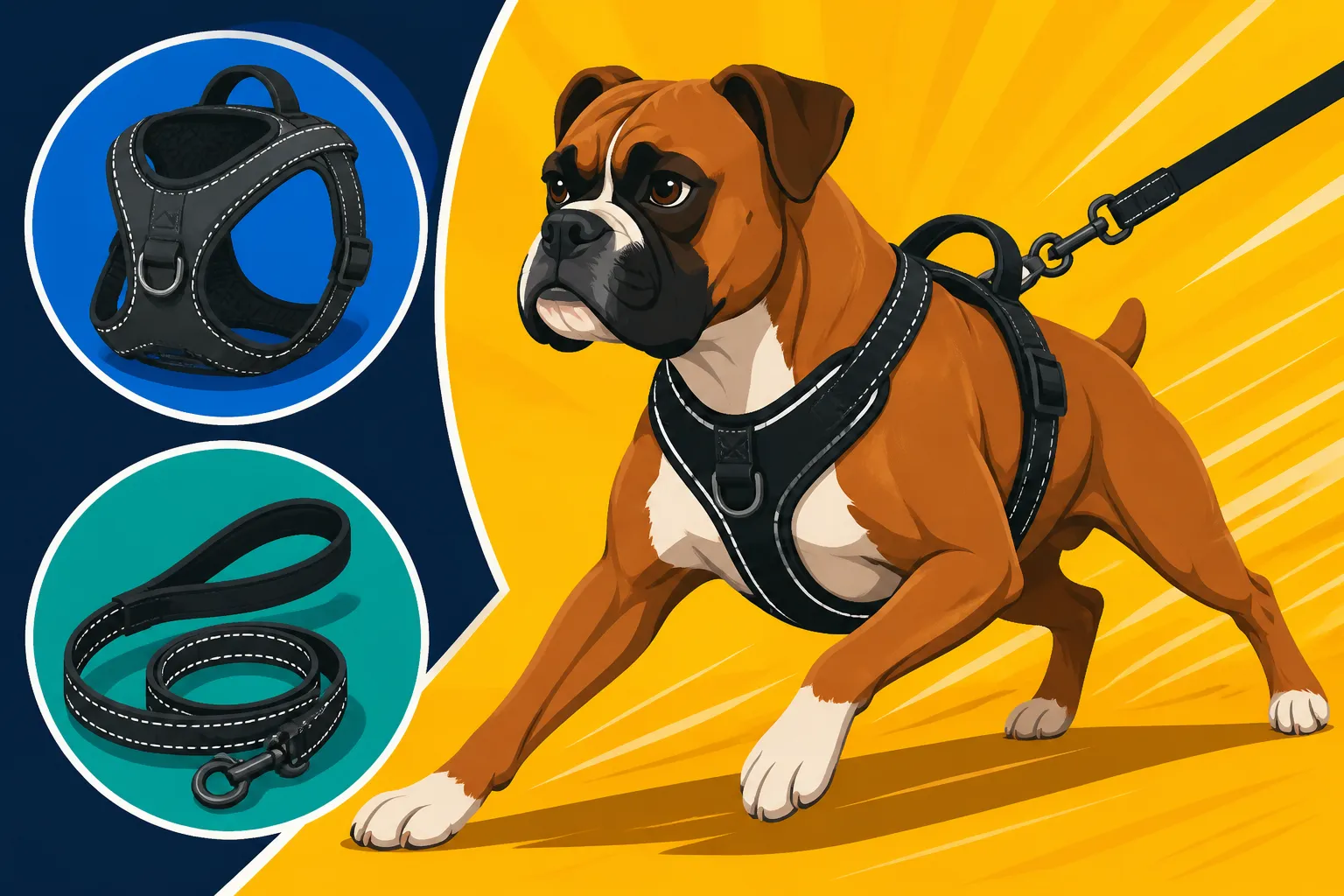
Front-clip harnesses are often recommended as a primary tool for managing pulling in strong breeds like Boxers. With this design, the leash attaches to a ring located on your Boxer's chest, usually around the sternum. The magic here lies in the leverage it provides. When your Boxer starts to pull forward, the leash connection on their chest gently redirects their momentum to the side, turning their body rather than allowing them to continue charging straight ahead.
This redirection takes away their ability to lean into the pull with their full body weight. Instead of pulling you, they essentially turn themselves. This makes it much harder for them to maintain a strong, consistent pull. It's not about causing discomfort, but rather about changing the physics of the walk. Many owners report a significant, sometimes immediate, improvement in pulling behavior when switching to a front-clip harness. Brands like the Freedom No-Pull Harness are popular for this reason. They are generally safe, comfortable, and highly effective for teaching a Boxer to walk with a loose leash. Harnesses That Hold a Pulling Boxer discusses some specific models in more detail.
Dual-Clip Harnesses and Head Halters: Other Options to Consider
Beyond front and back clips, there are a couple of other options that might be suitable depending on your Boxer's specific needs and your comfort level.
- Dual-Clip Harnesses: These harnesses offer the best of both worlds, featuring attachment points on both the back and the front. You can use them with a double-ended leash, attaching one end to the front clip and one to the back. This provides maximum control, allowing you to steer from the front while also having the stability of the back clip. Alternatively, you can use a single leash and choose which clip works best for the situation – perhaps using the front clip for training in high-distraction areas and the back clip for a relaxed walk in a familiar, quiet spot. This versatility can be a huge benefit for adaptable Boxers.
- Head Halters (Gentle Leaders): While technically not a harness, a head halter is another excellent tool for managing a strong puller. It fits around your Boxer's muzzle and behind their ears, similar to how a halter works on a horse. The leash attaches under the chin. When your Boxer pulls, the halter gently turns their head to the side, making it impossible for them to pull forward effectively. This tool offers incredible control, as "where the head goes, the body follows." However, head halters require careful introduction and positive reinforcement to ensure your Boxer accepts it. Some Boxers initially resist them, trying to paw them off, and it can take time for them to get used to the feeling. It's crucial to ensure a proper fit to avoid any rubbing or discomfort. For some owners, it feels a bit too restrictive for their dog, but for an especially stubborn or powerful puller, it can be a lifesaver.
It's important to remember that none of these tools are magic fixes on their own. They are aids to help you manage and train your Boxer, not replacements for consistent training.
Choosing the Perfect Fit: Sizing and Material Matters
Once you understand the different types of harnesses, the next critical step is ensuring you choose one that fits your Boxer perfectly. A poorly fitting harness, regardless of its design, can be uncomfortable, ineffective, and even cause skin irritation or escape hazards. Boxers have unique body shapes – deep chests, lean waists – so finding a harness that accommodates these features is key.
Getting the Right Measurements for Comfort and Effectiveness
Before you even think about purchasing a harness, you need accurate measurements of your Boxer. Don't guess! This is where many owners go wrong, leading to harnesses that chafe, restrict movement, or allow for Houdini-like escapes.
You'll primarily need two measurements:
- Chest Girth: This is the most crucial measurement. Use a soft measuring tape and wrap it around the widest part of your Boxer's rib cage, just behind their front legs. Ensure the tape is snug but not tight, and write down the number in inches or centimeters.
- Neck Circumference: For some harnesses, especially those with fixed neck openings, you'll need this measurement. Measure around the base of your Boxer's neck, where their collar would typically sit.
When you're trying on a harness (which is always recommended if possible), apply the "two-finger rule." You should be able to comfortably slide two fingers underneath any strap of the harness. If you can't, it's too tight. If you can fit more than two, it's too loose. Pay close attention to the areas around the armpits and chest. Boxers have sensitive skin, and rubbing in these areas can quickly lead to sores or raw patches. A harness that restricts shoulder movement can also be detrimental to their gait and long-term joint health. If you're unsure, ask for assistance from a knowledgeable pet store employee or consult your veterinarian.
Durability and Design: What to Look For in Boxer Gear
Boxers are strong dogs, and their gear needs to be up to the task. Flimsy buckles, thin straps, or weak stitching won't stand a chance against a determined Boxer on an exciting walk.
Here are some features to prioritize:
- Robust Materials: Look for harnesses made from durable nylon webbing, reinforced stitching, and sturdy metal D-rings or plastic buckles. Some harnesses offer padded sections, particularly around the chest and armpits, which can add comfort for your Boxer and prevent chafing.
- Adjustability: Boxers can vary in size quite a bit, even within the breed standard, and they might gain or lose a little weight throughout their life. A harness with multiple adjustment points (around the neck, chest, and sometimes even the belly) will allow you to get a custom fit and ensure it remains snug as your Boxer changes. This is also vital for growing puppies, where adjustability means you won't have to buy a new harness every few months.
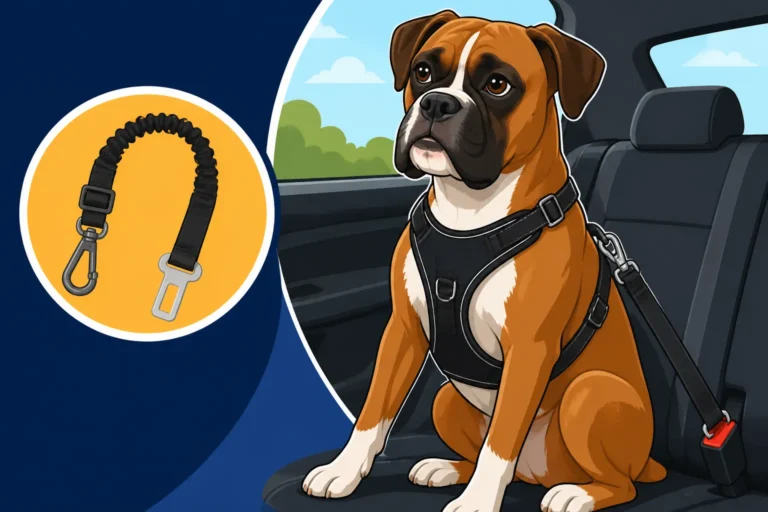
- Safety Features: Consider reflective stitching or material for visibility during early morning or evening walks. A strong handle on the back of the harness can also be incredibly useful for quickly grabbing or steadying your Boxer in an emergency, or for helping them in and out of the car. This is especially useful if you are managing a Car Restraints for a Seventy-Pound Boxer situation.
- Lead Quality: Don't overlook the leash itself. A sturdy, comfortable leash with a strong clip is just as important as the harness. Look for leashes made from thick nylon or rope with a comfortable handle, perhaps padded. The length is also important: a standard 6-foot leash is generally ideal for training, offering enough slack for your Boxer to explore a bit without getting too far ahead.
Just as we invest in their health with good food and perhaps even pet insurance from providers like Healthy Paws, investing in the right training tools and techniques is crucial for their physical and mental health. The right harness helps keep them safe and comfortable, and you in control.
Where to Find Reliable Harnesses and Leads
Finding the right gear for your Boxer can sometimes feel like a quest, especially with so many options out there. However, several reliable avenues can lead you to the perfect harness and leash combination.
- Specialty Pet Stores: These stores often have knowledgeable staff who can help you measure your Boxer and try on different harness styles. Being able to see and feel the quality of the materials in person is invaluable. Plus, if your Boxer can accompany you, you can get a live fitting, which is always the best scenario.
- Online Retailers: Websites like Chewy offer an enormous selection of harnesses and leads, often with detailed descriptions, customer reviews (including photos of various breeds wearing the products), and sizing charts. While you can't try it on in person, the vast selection and competitive pricing can be a huge draw. Just be diligent with your measurements and check return policies carefully.
- Direct from Manufacturers: Some specialized no-pull harness brands sell directly from their websites. These can be great sources for high-quality, purpose-built gear, and their customer service teams are typically well-versed in fitting advice for specific breeds.
- Recommendations from Trainers and Vets: Your local dog trainer or veterinarian can often provide excellent recommendations based on their experience with Boxers and other strong pullers. They might even have samples you can try on.
When sourcing your gear, always prioritize quality and safety over cost. A cheap, ill-fitting harness is a false economy if it causes discomfort or fails during a walk. And remember, good nutrition, like the fresh food options from Ollie, provides the sustained energy your Boxer needs for long, healthy walks once you've mastered the pulling!
Techniques for Success: Walking Your Boxer Without Being Dragged
Having the right harness is a fantastic start, but it’s only one piece of the puzzle. The real magic happens when you combine that effective equipment with consistent training techniques. Remember, the goal isn't just to stop the pulling, but to teach your Boxer how to walk nicely by your side, transforming walks from a chore into an enjoyable shared activity. This requires patience, consistency, and plenty of positive reinforcement. Getting a Boxer to Walk Without Towing You is a goal every Boxer owner can achieve with the right approach.
Consistent Positive Reinforcement and Rewards
Boxers are intelligent, but they need clear communication and motivation. Positive reinforcement is the most effective way to teach them desired behaviors. This means rewarding them for doing what you want, rather than punishing them for what you don't.
- Treats Are Your Best Friend: Carry high-value treats that your Boxer absolutely loves. Small, soft, and easy-to-chew treats are ideal. When your Boxer walks with a loose leash, even for just a step or two, immediately mark the behavior with a verbal cue like "Yes!" or a clicker, and give them a treat. The timing is crucial – the reward needs to happen within a second or two of the desired behavior so they connect their loose leash with the treat.
- Verbal Praise and Affection: For a social dog like a Boxer, enthusiastic verbal praise ("Good boy!") and a gentle pat can also be powerful rewards. Combine these with treats, especially in the early stages of training.
- Use the Environment as a Reward: If your Boxer is pulling towards a particularly interesting bush, stop. When they relax the leash and look at you, reward them with a treat, then give them permission to go sniff the bush. This teaches them that a loose leash earns them access to the things they want. This is far more effective than just letting them pull.
- Short, Frequent Sessions: Don't try to train for an entire hour-long walk. Boxers, especially young ones, have shorter attention spans. Aim for several short training bursts during your walk, focusing on 5-10 minutes of active loose-leash practice, then allow for a more relaxed sniff-and-explore period. This will help prevent your Boxer from becoming frustrated or shutting down, a common Boxer trait discussed in Why Shouting Sets a Boxer Back.
The "Stop-Start" Method and Changing Directions
These are two fundamental techniques that leverage the front-clip harness to teach your Boxer that pulling makes their walk stop, while a loose leash makes it continue.
- The "Stop-Start" Method:
- Start walking with your Boxer.
- The instant you feel tension on the leash (before they even get into a full-blown pull), immediately stop dead in your tracks. Do not say anything. Do not pull back. Just become a tree.
- Wait. Your Boxer might tug, look around, or even sit. As soon as the leash goes slack (even for a moment) and they orient back towards you, immediately reward them and start walking again.
- Repeat this every single time they pull. It can be incredibly tedious at first, and a ten-minute walk might take thirty, but consistency is key. Your Boxer will quickly learn that pulling brings the fun to a halt, and slack means progress.
- Changing Directions:
- As you walk, if your Boxer starts to pull, immediately change direction. Turn 90 degrees, or even 180 degrees.
- The front-clip harness will naturally turn your Boxer's body with you. When they catch up and the leash is loose, praise and reward them.
- This keeps your Boxer engaged and focused on you, as they never know which way you're going to turn next. It also prevents them from fixating on a distraction ahead. This is a great way to practice Loose Leash Work With an Excited Boxer and keep their attention.
Both methods teach your Boxer that you control the pace and direction of the walk, and that staying by your side with a loose leash is the most rewarding path.
Integrating Training Beyond Just the Walk
Loose leash walking isn't just something you do on a walk; it's a mindset and a set of skills that need to be reinforced in various contexts.
- Practice Indoors First: Before taking your Boxer to a highly distracting park, practice loose-leash walking in a quiet environment like your home or backyard. With fewer distractions, your Boxer can focus entirely on you and the new behavior.
- Short Bursts Throughout the Day: Even a quick walk from one room to another, or from the back door to the gate, can be a training opportunity. Put the harness on for these short trips and reinforce loose-leash behavior.
- Foundation Commands: A strong "watch me" or "focus" command is invaluable. Teach your Boxer to make eye contact with you on cue, especially in distracting environments. This gives you a tool to redirect their attention before they even start to pull.
- Manage Excitement Levels: Boxers can get incredibly excited, leading to jumping and pulling. Before you even open the door for a walk, work on settling them down. Make them sit calmly at the door before attaching the leash, and again before stepping outside. This teaches impulse control. You might even want to look into Trainer Rates for a Boxer That Jumps to address those excited behaviors that often accompany pulling.
- Regular Exercise: A Boxer with pent-up energy is much more likely to pull. Ensure your Boxer gets adequate exercise before embarking on a training walk. A game of fetch in the yard, some playtime with another dog, or a brisk run can help them burn off some steam, making them more receptive to training. Remember, Boxers need Sixty to Ninety Minutes a Day With a Boxer to truly thrive.
By integrating these techniques and utilizing the right harness, you'll be well on your way to enjoying calm, controlled walks with your beloved Boxer. It takes time, consistency, and a whole lot of love, but the payoff of a well-behaved walking companion is immeasurable.
Disclaimer
This article is for general informational purposes only and does not constitute professional advice. Laws, prices and regulations vary by location and change over time. Consult a qualified professional for guidance on your specific situation.