Loose Leash Work With an Excited Boxer
If you've ever felt like your arm is being ripped out of its socket during a "walk" with your excited Boxer, you are absolutely not alone. The sheer enthusiasm, the boundless energy, and that incredible Boxer strength can make what should be an enjoyable stroll feel more like an Olympic tug-of-war. This guide is here to break down exactly why your beloved Boxer becomes a freight train on a leash and, more importantly, how you can teach them the art of loose leash walking, making your time together much more pleasant and safe for both of you.
Understanding the "Why" Behind Your Boxer's Pulling
Before we can even begin to tackle the "how," it's crucial to understand why your Boxer pulls in the first place. It's rarely out of malice or a desire to make your life difficult. More often, it's a combination of natural instincts, breed characteristics, and a lack of clear communication on our part. Boxers are incredible dogs, full of life and zest, but these very qualities can be a challenge on the end of a leash.
The Boxer's Innate Drive and Enthusiasm
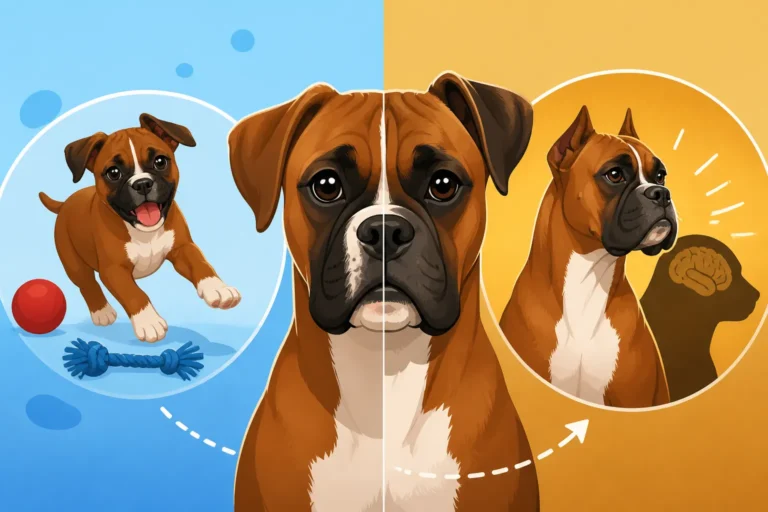
Boxers are a working breed, originally developed for jobs that required strength, stamina, and a keen focus. While modern Boxers are cherished family companions, those instincts are still very much present. They are powerful, athletic dogs with an enormous amount of energy, especially in their younger years. When they hit the pavement, everything is exciting! Every new smell, every rustle in the bushes, every person or dog they see becomes an irresistible magnet. They want to investigate, to play, to greet, and to experience the world with every fiber of their being. This translates directly into a powerful surge forward.
Think about it from their perspective: they're eager to get to the next exciting thing, and if pulling gets them there faster, then pulling becomes a rewarding behavior. It’s not that they are trying to be bad; they're just being Boxers! Their natural exuberance means they simply have more drive to explore than many other breeds, and teaching them to temper that drive on a leash requires patience and consistency. The world is a fascinating place, and your Boxer wants to devour every inch of it, often at full speed.
Lack of Clear Communication and Reinforcement History
Often, pulling on the leash is a habit that has been unintentionally reinforced over time. Every time your Boxer pulls and gets to sniff that interesting lamppost, or reaches that friendly person, or gets a moment closer to the other dog, they learn that pulling works. Even if you eventually give in or get dragged, the momentary success can be enough to solidify the behavior. Dogs are creatures of habit and operate on a principle of what gets rewarded gets repeated. If the reward (getting somewhere, seeing something) is strong enough, the pulling continues.
Furthermore, many owners try to correct pulling with a quick jerk on the leash, which can sometimes backfire. For a powerful Boxer, a quick tug might barely register, or worse, it might be interpreted as an invitation to pull harder. What feels like a significant correction to you might feel like a minor annoyance or even part of the game to your energetic Boxer. They need clear, consistent communication that pulling doesn't get them what they want, and keeping a loose leash does. Without explicit training and positive reinforcement for the desired behavior, they simply continue with what has worked for them in the past.
Essential Tools and Gear for Loose Leash Training
Having the right equipment can make a world of difference when you're working on loose leash walking with a strong, enthusiastic Boxer. It's not about quick fixes or pain, but about gaining better control and communicating more effectively. Different tools offer different advantages, and what works best for one Boxer might not be ideal for another.
Harnesses and Head Halters: The Game Changers
Forget the traditional flat collar for a pulling Boxer on a regular walk – it's often ineffective and can even be harmful. A flat collar puts all the pressure on your Boxer's delicate neck and trachea, especially with their short muzzles, which is not only uncomfortable but can lead to injuries or breathing issues. Instead, consider these tools:
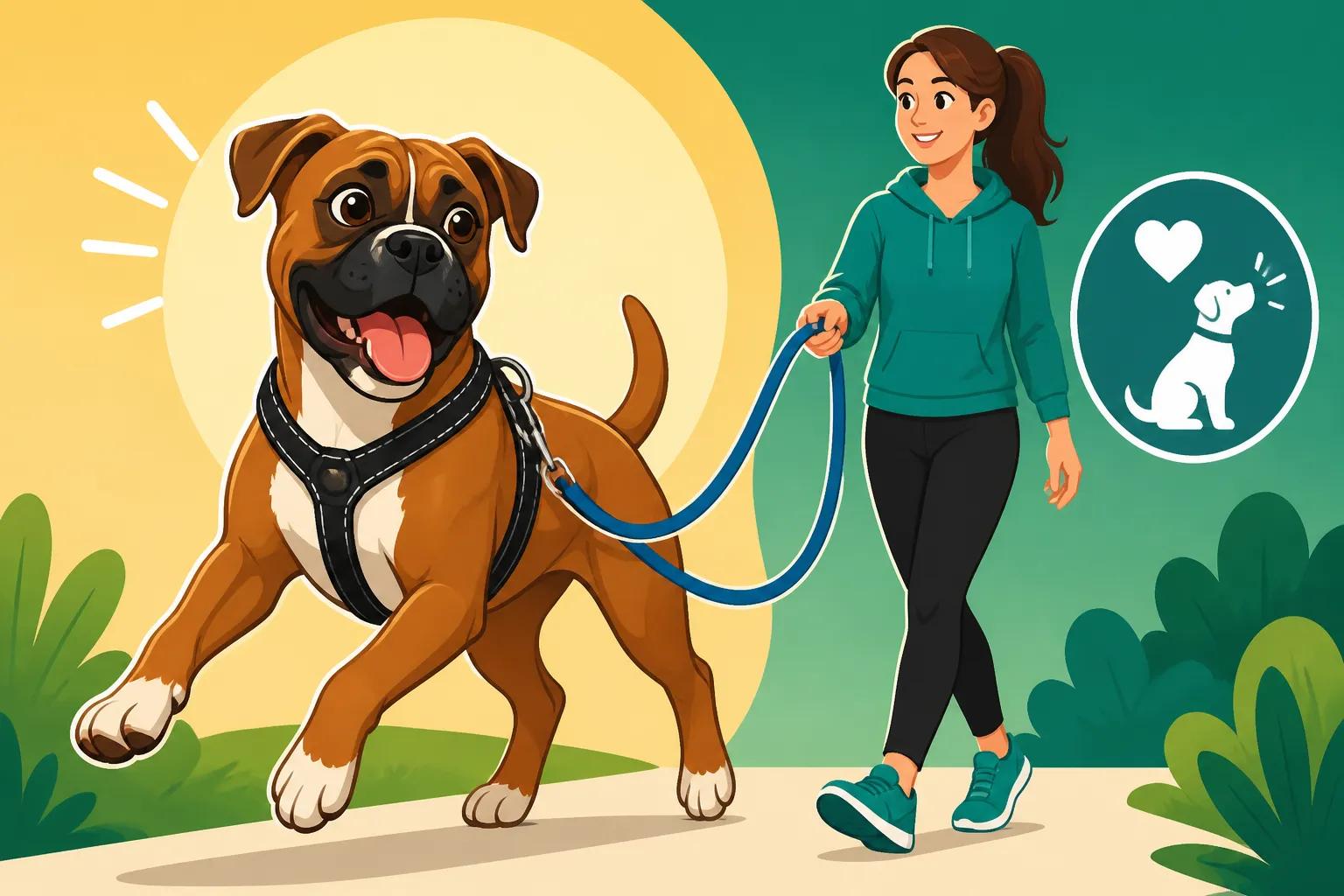
- Front-Clip Harnesses: These are often highly recommended for strong pullers. The leash attaches to a ring on your Boxer's chest. When your Boxer pulls, the harness gently redirects them to the side, turning their body rather than allowing them to lean into the pull. This makes it much harder for them to gain traction and teaches them that pulling changes their direction, rather than getting them where they want to go. Brands available on platforms like Amazon offer a wide variety of well-designed front-clip harnesses that are durable enough for a Boxer. Many owners find immediate improvement in their Boxer's pulling when switching to this type of harness.
- Head Halters (Haltis, Gentle Leaders): These devices fit over your Boxer's muzzle and behind their ears, similar to a horse's halter. The leash attaches under the chin. When your Boxer pulls, the head halter turns their head, making it difficult to pull forward with their full body strength. The principle is "where the head goes, the body follows." Head halters offer a high degree of control with minimal physical effort from you, which can be a huge relief if you have a particularly strong Boxer or physical limitations. However, it's crucial to introduce them positively and slowly, as many dogs initially dislike the sensation of something on their muzzle. Never use them to yank or jerk, as this can cause neck injury.
| Leash Training Tool | Pros | Cons | Best For |
|---|---|---|---|
| Flat Collar | Easy to put on, standard | No control over pulling, can cause choking | Already loose-leash trained dogs |
| Back-Clip Harness | Comfortable, less pressure on neck | Can encourage pulling, less control | Dogs that don't pull much |
| Front-Clip Harness | Redirects pulling, good control | Some dogs dislike chest pressure | Strong pullers, good for all-around use |
| Head Halter | Excellent control, little physical effort | Requires positive introduction, not for jerking | Very strong pullers, reactive dogs, physical limitations |
Leash Length and High-Value Rewards
The length and type of leash you use are also important. For loose leash training, a standard 4-to-6-foot leash is ideal. Avoid retractable leashes, as they actually teach dogs that pulling is necessary to create length, and they offer very little control. A longer leash, such as a Long Line Work With a Young Boxer, might be useful for practicing recall in a safe, open area, but not for initial loose leash training in populated areas.
Equally, if not more, important than the physical tools are your rewards. Boxers are incredibly food-motivated and love to please, especially when there's a tasty incentive.
You need high-value treats – not just their regular kibble. Think small pieces of cooked chicken, cheese, hot dogs, or commercially prepared training treats that they absolutely adore. These treats need to be small enough to be eaten quickly without breaking stride, so you can reward frequently. The idea is to make walking politely next to you the most rewarding thing in the world. Having a steady supply of these treats readily accessible (a treat pouch is a lifesaver!) is non-negotiable for effective training. Rewards a Boxer Will Work Hard For delves deeper into finding what motivates your Boxer best.
Teaching Loose Leash Walking: Step-by-Step Methods
Once you have the right gear and your arsenal of irresistible treats, it's time to dive into the actual training. Remember, consistency is key, and every walk is a training opportunity. Your Boxer might pick it up quickly, or it might take weeks of dedicated effort, but it will pay off.
Starting in a Low-Distraction Environment
Don't start your loose leash training journey in a bustling park or on a busy street. Set yourself and your Boxer up for success by beginning in a quiet, familiar, low-distraction environment. This could be your backyard, a quiet hallway in your home, or a very calm cul-de-sac during off-peak hours. The goal is to minimize external stimuli so your Boxer can focus on you and the task at hand.
In this quiet space, practice the basics. Hold your leash in one hand, with slack in it, and a treat pouch handy. When your Boxer is walking by your side with a loose leash, mark the behavior with a verbal cue like "Yes!" or a clicker, and immediately reward them with a treat. If they start to pull, stop dead in your tracks. Don't move forward until the leash goes slack again. The moment they ease up, even for a second, mark and reward, then start walking again. This teaches them that tension on the leash means the walk stops, and a loose leash means they get to continue and get rewarded. This "stop-and-go" method is incredibly effective because it's clear and immediate feedback.
The "Red Light, Green Light" Technique
This technique is a cornerstone of loose leash training for an excited Boxer, especially because it leverages their natural desire to keep moving forward.
Here's how it works in detail:
- Start Walking: Begin your walk with a loose leash.
- Red Light (Stop): The instant you feel any tension on the leash, you become a tree. Stop immediately. Do not say anything, do not pull back, just stop. Your Boxer will likely continue to pull for a moment, then realize they're not going anywhere.
- Green Light (Go): The moment your Boxer releases the tension on the leash, even if they just turn their head to look at you, mark the behavior (e.g., "Yes!" or a click) and immediately take one step forward, then reward them. Then, resume walking.
- Repeat, Repeat, Repeat: You will stop and start a lot in the beginning. This is normal. The key is absolute consistency. Your Boxer needs to learn that the only way to get where they want to go (forward) is to keep the leash loose. They are smart dogs, and they will connect the dots.
This method is powerful because it's non-confrontational and uses what your Boxer wants (forward motion) as the reward. It directly teaches them that pulling has the opposite effect of what they desire. As they get better, you can start to reward them for walking nicely before they pull, using frequent treats and praise when the leash is loose. Over time, the "Red Light, Green Light" will become less frequent, and you'll have a much more enjoyable walk. For additional guidance, consider exploring online dog training resources like BAXTER & Bella, which often provide video tutorials on these fundamental techniques.
Incorporating Attention and Engagement
A Boxer that is engaged with you is less likely to be solely focused on pulling towards distractions. Building a strong bond and making yourself more interesting than the environment is crucial.
- Look At Me: Teach your Boxer a "look at me" cue. Start in a quiet place. Hold a treat near your nose, say "Look!" (or whatever cue you choose), and when they make eye contact, mark and reward. Gradually increase the duration of eye contact and introduce distractions. This cue is invaluable for redirecting their attention when you see a potential trigger approaching.
- Change of Direction: Randomly change direction during your walk. If your Boxer is pulling straight ahead, suddenly turn left, right, or even do a 180. This forces them to pay attention to where you're going and prevents them from charging forward blindly. When they adjust their pace and follow your change of direction with a loose leash, reward them. This also keeps them mentally engaged, which is vital for a breed as smart as the Boxer.
- Practice Short Bursts: Don't expect a perfect hour-long walk immediately. Start with short training sessions, maybe 5-10 minutes, focusing intensely on loose leash walking. As your Boxer improves, you can gradually increase the duration and introduce more distractions. Remember that Keeping Boxer Training Sessions Interesting is key to their success; they get bored if it's too repetitive.
Troubleshooting Common Loose Leash Challenges
Even with the best tools and techniques, training an enthusiastic Boxer comes with its unique set of challenges. It's easy to get frustrated when you feel like you're taking two steps forward and one step back. But remember, this is a journey, and setbacks are a normal part of the process.
Dealing with Distractions: Other Dogs and People
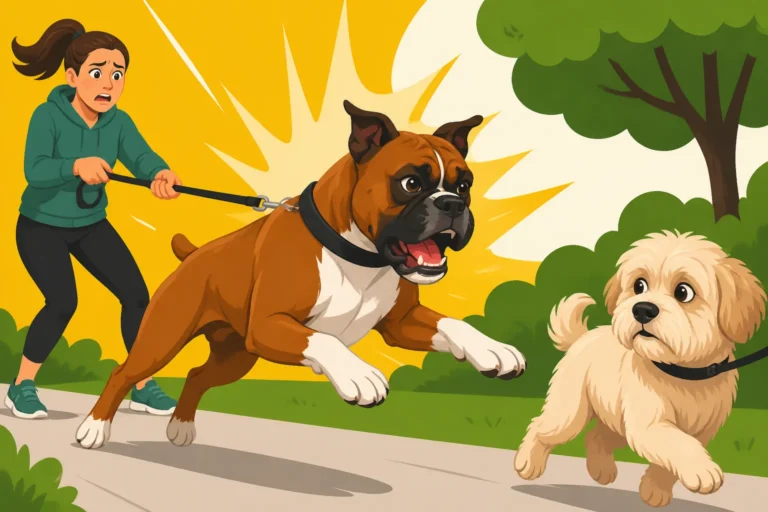
Boxers are often incredibly social, and their excitement to greet other dogs or people can be one of the biggest challenges for loose leash walking. That sudden lunge and full-body wiggle can easily send you flying!
- Pre-Emptive Strikes: The key here is anticipation and management. As soon as you spot a potential distraction (another dog, a person, a squirrel), immediately get your Boxer's attention. Use your "look at me" cue, or rapidly present high-value treats to lure their focus back to you. Reward them heavily for not reacting to the distraction.
- Distance is Your Friend: If your Boxer is still in the early stages of training or gets particularly over-excited, increase your distance from the distraction. Cross the street, turn down a different path, or wait for the distraction to pass at a comfortable distance. The goal is to keep your Boxer under their threshold of excitement, where they can still hear you and make good choices. Getting too close too soon will likely result in pulling and jumping.
- "Engage/Disengage" Game: This advanced technique teaches your Boxer to look at a distraction, then look back at you for a reward. Start far away from the distraction. When your Boxer notices the other dog/person, mark (or click) the moment they look at it, then immediately reward them for looking back at you. You're teaching them that seeing a distraction predicts a treat from you, not that they need to pull towards it. Over time, you can gradually decrease the distance. For more in-depth help with this, many owners find private trainers helpful, particularly those experienced with A Boxer That Lunges at Passing Dogs.
When Your Boxer Gets Overwhelmed or Frustrated
Sometimes, despite your best efforts, your Boxer might become overwhelmed, frustrated, or simply 'shut down' during training. This is a strong, sensitive breed, and they need careful handling.
- Recognize the Signs: Look for signs of stress: excessive panting, yawning, lip licking, refusing treats, or pulling even harder and ignoring you. If you see these, it's time for a break. Pushing through when your Boxer is overwhelmed will only create negative associations with training.
- Shorten Sessions and Lower Expectations: If your Boxer is getting frustrated, you might be asking too much too soon. Go back to basics in a quieter environment. Shorten your training sessions dramatically. Sometimes just 2-3 minutes of focused effort is enough for a young or easily frustrated Boxer. End on a positive note, even if it's just one perfect step. Remember, the goal is successful repetition, not length.
- Re-Evaluate Your Rewards: Are your treats truly high-value enough? Boxers need powerful motivation. If they're blowing off their treats, they're likely too excited or the treat isn't worth their effort in that environment. Consider trying new, even tastier treats. Why a Boxer Stops Working Mid-Session often comes down to this kind of value assessment. You might also want to review Why Shouting Sets a Boxer Back, as a harsh tone can also lead to disengagement.
Consistency is Non-Negotiable
This is perhaps the most critical piece of advice for any Boxer owner struggling with leash pulling. Boxers are incredibly smart and will quickly learn who they can pull with and who they can't. If one person in the household lets them pull, all your hard work can be undone.
- Everyone on Board: Ensure every member of the family who walks the dog understands and applies the same training methods. This means the same cues, the same "Red Light, Green Light" rules, and the same rewards. A Boxer needs clear, consistent boundaries from everyone.
- Every Walk is a Training Walk: Even if you're just taking your Boxer out for a quick potty break, it's a chance to reinforce loose leash behavior. Don't fall into the trap of thinking some walks are "training walks" and others are "free-for-alls." Every time they get to pull, they are practicing and reinforcing that behavior.
- Patience and Persistence: Training an enthusiastic Boxer for loose leash walking can feel like a marathon, not a sprint. There will be good days and bad days. Celebrate the small victories – the three steps they walked nicely, the time they looked at you instead of lunging. Don't give up. With consistent effort, the payoff of enjoyable walks with your wonderful Boxer will be well worth it. You are helping them become a better canine citizen, and enriching your bond in the process. Getting a Boxer to Walk Without Towing You offers further reading on the journey to achieving this goal.
Disclaimer
This article is for general informational purposes only and does not constitute professional advice. Laws, prices and regulations vary by location and change over time. Consult a qualified professional for guidance on your specific situation.