Boxer Reactivity Toward Strange Dogs
There are few things more frustrating, or frankly, embarrassing, than being out for a peaceful walk with your beloved Boxer, only for them to transform into a lunging, barking, howling mess at the sight of another dog. It’s a common scenario that leaves many Boxer owners feeling isolated and disheartened, wondering if they’ll ever enjoy a calm outing with their high-energy companion. This comprehensive guide is here to shed light on why your Boxer might be reacting this way and, more importantly, to equip you with the knowledge and strategies to manage and eventually overcome Boxer reactivity toward strange dogs, allowing both of you to enjoy your walks again.
Understanding Why Your Boxer Reacts to Other Dogs
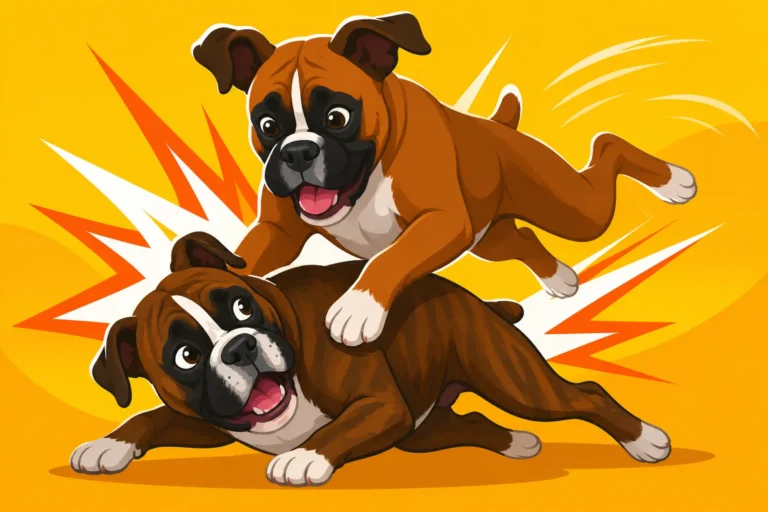
When your Boxer erupts into a flurry of barks and lunges at another dog, it’s rarely out of pure aggression, though it certainly looks that way to passersby. Often, reactivity stems from a complex mix of fear, frustration, over-excitement, or even a lack of appropriate social skills. Understanding the root cause is the first step toward helping your dog.
The Boxer's Innate Protective Instincts
Boxers, by their very nature, are loyal, protective dogs. They were originally bred to be guardians, drivers of cattle, and companions, tasks that required a certain level of courage and wariness. While your modern-day Boxer might be a cuddly couch potato at home, those deep-seated instincts can surface in unfamiliar situations, particularly when they perceive a potential threat or challenge to their space or their human. This isn't about being "mean"; it's about a dog trying to do its job as it understands it, even if that job is no longer required in our suburban parks.
Consider a scenario where your Boxer is walking calmly beside you when another dog suddenly appears from behind a bush. Your Boxer might interpret this sudden appearance, especially if the other dog stares or walks directly towards them, as a challenge. Their response might be to "warn off" the perceived threat, leading to barking, growling, and lunging. This protective impulse is strong in many Boxers, and while it makes them excellent family guardians, it needs careful channeling in social settings. Sometimes, their protective drive extends to you, their beloved human, seeing any approaching dog as a potential danger you need to be shielded from. It's a testament to their loyalty, but it still needs to be managed for everyone's safety and peace of mind.
Lack of Early Socialization and Its Impact
One of the most significant contributors to reactivity in any breed, including Boxers, is insufficient or improper socialization during their critical developmental period. A Boxer puppy, ideally, should be exposed to a wide variety of sights, sounds, smells, people, and well-mannered dogs between 8 and 16 weeks of age. This doesn't mean letting them run wild at the dog park with every dog they meet; it means carefully curated, positive experiences that build confidence and teach appropriate canine etiquette.
If your Boxer missed out on these crucial early experiences, perhaps because they came from a less-than-ideal breeding situation or were adopted later in life, they might simply not know how to interact politely with other dogs. Imagine being thrown into a social event where you don't speak the language or understand the customs – you'd likely feel anxious, overwhelmed, and might react poorly. It's similar for a Boxer who wasn't properly socialized. They might bark out of uncertainty, lunge because they're unsure how to approach, or display fear because they haven't learned that most strange dogs are not a threat. Sometimes, a lack of socialization combines with their natural protective tendencies, creating a dog that feels it must be on guard because it doesn't trust other dogs to be benign. For more on ensuring your pup gets a good start, you might want to read Socializing a Boxer Puppy Before Sixteen Weeks.
Previous Negative Experiences
Just like humans, dogs remember negative experiences. If your Boxer had a bad encounter with another dog—maybe they were jumped on, nipped, or had a fright—that memory can deeply impact their future reactions. Even a single traumatic incident can instill a lasting fear or distrust of other dogs, causing them to preemptively react to avoid a repeat experience. This isn't just about big fights; it could be something as seemingly minor as being continuously bothered by an off-leash dog while on a leash, feeling trapped and unable to escape.
Consider a Boxer who was once attacked by an off-leash dog while on a walk. From that day forward, the mere sight of another dog, especially one that resembles the attacker, can trigger a "fight or flight" response. Since they are leashed and can't flee, they often resort to "fight" behaviors like barking and lunging to make the other dog go away. Their reactivity becomes a coping mechanism, an attempt to control their environment and keep themselves safe. This learned behavior is incredibly powerful and requires a patient, consistent approach to help them re-learn that not all other dogs are a threat. It’s about building new, positive associations to overwrite the old, fearful ones.
Recognizing the Signs of Reactivity in Your Boxer
Being able to read your Boxer’s body language is absolutely essential when dealing with reactivity. Often, their behaviors escalate from subtle cues to full-blown outbursts. Learning to spot these early warning signs allows you to intervene before your Boxer becomes overwhelmed, preventing a full reaction and setting them up for success.
Body Language Cues Before a Reaction
Boxers, like all dogs, communicate constantly through their bodies. Before your Boxer barks or lunges, they’ll typically display a range of more subtle signals that indicate their rising discomfort or anxiety. These might include:
- Stiffening of the body: Their muscles might tense up, and their posture can become rigid, often accompanied by a rigid tail, whether tucked or held high.
- Fixated stare: They might lock their gaze onto the approaching dog, ignoring your attempts to get their attention. This intense focus is a clear sign they are assessing the "threat."
- Mouth tension: Their lips might be pulled back tightly, showing teeth, or their mouth might be tightly closed. They may also stop panting suddenly.
- Ear position: Ears might be flattened back against their head or perked forward in an intense, alert posture.
- Whale eye: You might see the whites of their eyes as they turn their head slightly away but still watch the other dog.
- Low growl or whine: Sometimes, a low growl or a high-pitched whine can precede a full bark, signaling their distress.
- Lip licking or yawning: These can be appeasement signals or signs of stress, particularly when there's no obvious reason for them to be licking their lips or yawning.
- Hackles raised: The hair along their spine may stand up, indicating arousal.
Catching these cues early is crucial. If you notice your Boxer’s body language changing, it's your signal to create more distance, redirect their attention, or simply acknowledge their concern and calmly move them away. The goal is to prevent them from reaching their "trigger stack" — that point where their emotional cup overflows and they react.
The Spectrum of Reactive Behaviors
Reactivity isn't a one-size-fits-all behavior; it manifests differently in different dogs and even in the same dog under varying circumstances. Understanding this spectrum can help you tailor your management and training approaches.
- Barking: This is perhaps the most common reactive behavior. It can range from sharp, rapid barks to deep, guttural barks, often accompanied by lunging. The barking is usually an attempt to create distance or communicate distress.
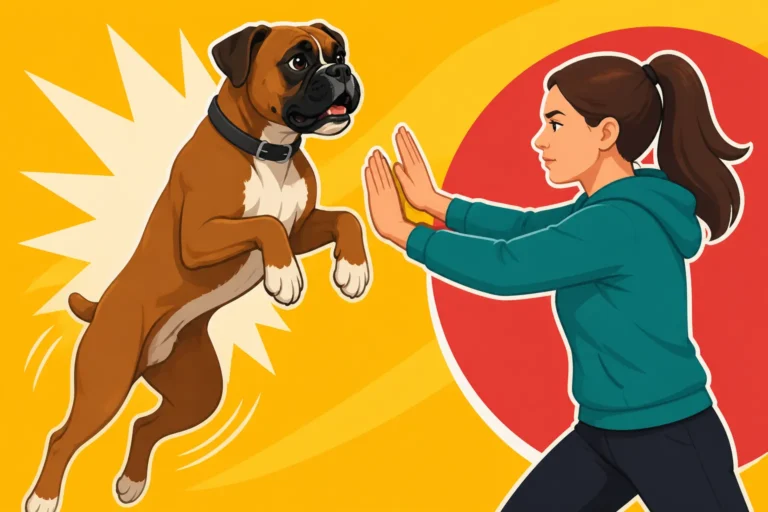
- Lunging: When a Boxer lunges, they throw their body forward against the leash, trying to get closer to (or further from, depending on the motivation) the other dog. This can be startling and physically demanding for the handler.
- Growling: A growl is a clear warning signal. It says, "Stay away," and should always be respected. Ignoring a growl can lead to bites, as the dog feels its warnings are being ignored.
- Whining/Whimpering: Some Boxers, especially those whose reactivity is rooted in frustration or over-excitement, might whine or whimper excessively when they see another dog. They desperately want to greet or play but are prevented by the leash.
- Spinning/Leash biting: In highly aroused states, some Boxers might spin in circles, jump up, or even grab and bite their leash, seemingly redirecting their frustration onto the nearest object.
- Avoidance/Hiding: While less common for the classic "reactive Boxer" image, some reactive dogs will actively try to hide behind their owner or pull away sharply to avoid seeing another dog, indicating fear as the primary driver.
It’s important to note that a Boxer might display a combination of these behaviors, and their intensity can vary depending on the distance from the trigger, the other dog's behavior, and your Boxer's overall stress levels that day. For a deeper dive into specific reactive behaviors, you might find A Boxer That Lunges at Passing Dogs particularly helpful.
Distinguishing Reactivity from Aggression
This is a critical distinction that often gets muddled. While reactive behaviors like barking and lunging can look aggressive, they are not always driven by a desire to harm.
- Reactivity is typically an overreaction to a trigger, often rooted in fear, frustration, or lack of social skills. The dog is usually trying to create distance, communicate discomfort, or get to something it desires (like playing). If the trigger disappears, the reactive behavior usually ceases. The dog isn't actively seeking conflict.
- Aggression, on the other hand, is generally a direct intent to cause harm or assert dominance, though even aggression can be fear-based. Aggressive dogs might display a more consistent pattern of threats, bites, or attacks, even when given space.
With Boxers, much of what we see as reactivity is often fear-based or frustration-based. They are powerful dogs, and their lunges can certainly feel aggressive, but if you look closely at their body language, you might see signs of fear (tucked tail, flattened ears, trying to make themselves small) or intense frustration (whining, pulling, jumping) rather than a clear intent to injure. A truly aggressive dog may not exhibit the same level of fear or frustration, but rather a predatory or dominant stance. Of course, reactivity, if left unmanaged, can escalate into aggression over time, especially if the dog continually feels threatened or misunderstood. This is why addressing reactivity promptly and effectively is so important.
Practical Strategies for Managing Reactive Behavior
Managing a reactive Boxer is an ongoing process that requires patience, consistency, and a willingness to adapt. The goal isn't necessarily to make your Boxer best friends with every dog they meet, but rather to help them feel calm and safe in the presence of other dogs.
Increasing Distance and Changing Environments
The simplest and most effective immediate management strategy is to increase the distance between your Boxer and their trigger. Every dog has a "threshold"—a point at which they can observe a trigger without reacting. Below that threshold, they might be uncomfortable but can still respond to you. Above it, they shut down and react. Your job is to keep your Boxer below their threshold.
- Identify the "Safe Zone": Pay attention to how far away another dog needs to be before your Boxer starts to stiffen, stare, or show other early warning signs. This is your Boxer's threshold distance. For some Boxers, it might be the length of a football field; for others, it might be just across the street. Knowing this is vital.
- Strategic Walking Routes: Walk your Boxer at times and in places where you're less likely to encounter other dogs. This might mean early mornings, late evenings, or choosing less-trafficked routes. Avoid busy parks or dog-heavy areas initially.
- The "U-Turn" or "Change Direction": If you see another dog approaching and you can't create enough distance by stepping off to the side, perform a swift but calm U-turn and walk in the opposite direction. This avoids direct confrontation and teaches your Boxer that you will manage potentially stressful encounters. Reward them for simply turning with you. This can be combined with Long Line Work With a Young Boxer to practice recall and directional changes in a safer, more open environment.
- Block the View: If you’re in a situation where you can’t move, try to place yourself between your Boxer and the other dog, or duck behind a parked car or bush to block their line of sight. This momentary relief can help them reset.
Remember, the goal in these moments is not to "fix" the reactivity, but to prevent a reaction, which in turn prevents your Boxer from practicing the unwanted behavior and becoming more aroused. Each successful, calm encounter (or non-encounter) helps them learn that other dogs aren't always a cause for alarm.
Counter-Conditioning and Desensitization Techniques
These are the bedrock of reactivity training. They involve changing your Boxer's emotional response to other dogs from negative (fear, frustration) to positive (calm, happy anticipation).
- Desensitization: This means gradually exposing your Boxer to their trigger (other dogs) at a distance and intensity where they don't react. You're slowly increasing their tolerance.
- Counter-Conditioning: This means changing your Boxer's emotional association with the trigger. Instead of "other dog = scary/frustrating," you want "other dog = good things happen!"
Here’s how to put it into practice:
- Find the Sweet Spot: Start at a distance where your Boxer notices the other dog but doesn't react. They should still be able to take treats and acknowledge your presence. This is your working distance.
- "Look at That" (LAT) Game: The moment your Boxer sees another dog (before they react, when their body language is still loose), click (if using a clicker) or say a marker word like "Yes!" and immediately give them a high-value treat. Repeat this every time they see a dog. The idea is that they see a dog, good things happen. You're pairing the sight of another dog with something positive.
- Gradual Approach: Over time, as your Boxer consistently remains calm and looks at you for a treat after seeing another dog at your current working distance, you can very, very slowly decrease the distance. This is a process of tiny, incremental steps, sometimes only a few feet at a time. Some days you might need to increase the distance again; progress isn't always linear.
- Keep it Positive: Always use high-value treats that your Boxer absolutely loves – cooked chicken, cheese, hot dogs. The higher the value of the reward, the stronger the positive association. Whether a Boxer Trains Better for Food or Play can give you insight into what motivates your specific Boxer best.
This process takes time, sometimes months or even years, but it's incredibly effective because it addresses the underlying emotional response. It teaches your Boxer to feel differently about other dogs.
Equipping Yourself with the Right Tools
Having the correct gear can make a world of difference in managing a reactive Boxer, providing both safety and control.
- Proper Harness/Collar: For powerful Boxers, a front-clip harness can be invaluable for reducing pulling and giving you more steering control. Brands like Easy Walk or Freedom Harness are often recommended. Avoid retractable leashes, as they offer no control and can be dangerous with a lunging dog. A sturdy, 6-foot standard leash is ideal. You can find a good selection of these on Amazon. A head halter (like a Halti or Gentle Leader) can also provide excellent control, especially for Boxers who pull or lunge intensely, though it requires careful introduction and positive conditioning so your Boxer doesn't associate it with negative experiences. For more on this, see Harnesses That Hold a Pulling Boxer.
- High-Value Treats and Pouch: As mentioned, high-value treats are essential for counter-conditioning. A treat pouch worn on your waist or hip makes it easy to access rewards quickly and consistently. Again, Amazon offers a huge variety of treat pouches, from simple drawstring bags to more elaborate designs with extra pockets.
- A "Calming" Word or Cue: Teach your Boxer a specific word or sound that means "relax" or "pay attention to me." This could be their name, "Touch," or "Look." Practice this cue in calm environments until they reliably respond, then start using it when you spot a trigger at a distance.
- Clicker (Optional but Recommended): A clicker provides a precise marker for desired behavior. The instant your Boxer looks at another dog calmly and then looks back at you, the click signals, "That was exactly right! A treat is coming." This clarity helps your Boxer understand what you want them to do.
- Long Line: For practicing recall and controlled approaches in a safe, enclosed area without the pressure of off-leash interactions, a long line (15-30 feet) can be very useful. It allows your Boxer a sense of freedom while giving you a safety net.
Remember, tools are aids, not solutions. They help you manage the behavior while you implement training that changes the underlying emotional response.
| Tool Category | Specific Examples | Purpose | Considerations for Boxers |
|---|---|---|---|
| Leash | Standard 6-foot nylon/leather leash | Control, safety, communication | Avoid retractables; sturdy material for strong pullers |
| Harness | Front-clip harness (e.g., Easy Walk) | Reduces pulling, better steering control | Ensure proper fit to prevent chafing or restricted movement |
| Head Halter | Halti, Gentle Leader | Maximum control over the head, redirects attention | Requires positive conditioning; not a muzzle |
| Treat Pouch | Any pouch with easy access | Quick reward delivery for counter-conditioning | Durable, easy to clean; Amazon has many options |
| High-Value Treats | Cooked chicken, cheese, hot dogs | Strong motivator for positive association | Small, soft, easy to swallow; avoid crumbly treats |
| Long Line | 15-30 ft training leash | Safe practice of recall and distance work | Use in secure areas; ensure comfortable harness attachment |
| Clicker | Any standard clicker | Precise marker for desired behavior | Charge the clicker positively before use |
Training and Ongoing Support for Your Reactive Boxer
Training a reactive Boxer is an investment of time and energy, but the rewards are immense. It's about building a strong relationship based on trust and clear communication, helping your Boxer navigate a world that can often be overwhelming.
The Importance of Consistent, Positive Reinforcement Training
Consistency is the absolute cornerstone of training a reactive dog. Boxers thrive on routine and clear expectations. If you're inconsistent—sometimes allowing reactions, sometimes managing them—your Boxer will become confused, and progress will be slow or non-existent.
- Establish Clear Communication: Use consistent cues and hand signals. Boxers are intelligent but can be sensitive. Why Shouting Sets a Boxer Back highlights the importance of a calm, consistent tone.
- Positive Reinforcement Only: Punishment-based methods (e.g., leash corrections, shouting) will only worsen reactivity in most cases. They might suppress the outward behavior, but they don't change the underlying fear or frustration. In fact, they can make your Boxer associate other dogs with even more negative experiences (the punishment), leading to increased fear and potentially aggression. Focus on rewarding the behaviors you want to see: looking at you, staying calm, walking loosely on the leash.
- Short, Frequent Sessions: Boxers can get bored easily. Keep training sessions short (5-10 minutes) and frequent throughout the day. This is more effective than one long, intense session. Why Short Sessions Suit a Boxer's Attention Span explains this further.
- Practice in Low-Distraction Environments: Start practicing management skills and basic obedience (sit, stay, come, look at me) in your home or a quiet backyard before attempting them in a high-distraction environment with other dogs. Gradually add distractions as your Boxer becomes more proficient.
- "Engage/Disengage" Game: This is an extension of counter-conditioning. When your Boxer sees another dog, reward them for simply looking at the other dog. Then, reward them again for looking away from the other dog, or for looking back at you. This teaches them to calmly observe and then disengage, rather than fixate.
The beauty of positive reinforcement is that it strengthens your bond with your Boxer, making them more likely to look to you for guidance when they feel unsure.
When to Seek Professional Guidance
While much can be achieved through self-study and consistent effort, there are times when professional help is not just beneficial, but essential.
- Lack of Progress: If you've been consistently applying these techniques for several weeks or months and aren't seeing any improvement, or if the reactivity is worsening, it's time to call in a professional.
- Safety Concerns: If your Boxer's reactivity is escalating to the point where you worry about their safety, the safety of other dogs, or people, immediate professional intervention is crucial. This includes actual bites, or very close calls.
- Overwhelm or Frustration: Dealing with a reactive dog can be emotionally draining. If you feel overwhelmed, frustrated, or burnt out, a professional can provide much-needed support, fresh perspectives, and tailored strategies.
- Specialized Expertise: A qualified professional can help diagnose the underlying cause of your Boxer's reactivity more accurately (fear, frustration, prey drive, over-excitement) and develop a highly individualized training plan. They can also recognize if medical issues might be contributing to the behavior.
Look for a certified professional dog trainer (CPDT-KA), a certified behavior consultant (CBCC-KA), or a veterinary behaviorist. These individuals have specific education and experience in behavior modification. Avoid trainers who advocate for punishment, force, or dominance-based methods. An excellent online resource for ongoing training and support can be found through platforms like BAXTER & Bella, which offer virtual coaching and comprehensive online programs that can complement in-person training or provide a flexible alternative. They often cover specific reactivity challenges.
Building Your Boxer's Confidence and Trust
Reactivity often stems from a lack of confidence or trust, particularly in unfamiliar situations. Helping your Boxer feel more secure in themselves and in your leadership can significantly reduce their need to react.
- Consistent Leadership: This doesn't mean being harsh; it means being a reliable, predictable source of safety and guidance. Your Boxer needs to know you have things under control and they don't need to "manage" the environment themselves.
- Enrichment and Mental Stimulation: A bored Boxer is a reactive Boxer. Provide plenty of mental exercise through puzzle toys, sniff walks, and training games. This burns energy and stimulates their brain in positive ways. Puzzle feeders available on Amazon can be a great way to provide this mental enrichment.
- Success-Oriented Training: Set your Boxer up for success by always working below their threshold. Every time they don't react and instead make a good choice, their confidence grows. Avoid situations where they are guaranteed to fail.
- Safe Socialization (if appropriate): For some reactive Boxers, carefully managed, positive interactions with a known, calm, stable dog can be beneficial, but this should only be attempted under the guidance of a professional trainer. This isn't about dog parks; it's about controlled "parallel walks" or brief, structured encounters.
- Praise and Affection: Reward calmness, focus, and good choices with sincere praise and gentle petting. Let your Boxer know they're doing well and that you appreciate their efforts.
Building confidence is a gradual process. It involves consistent positive experiences, clear communication from you, and an environment where your Boxer feels understood and safe.
Living with a Reactive Boxer: Long-Term Considerations
Managing Boxer reactivity isn't a quick fix; it's a journey. There will be good days and bad days, and it requires a long-term commitment. However, with the right approach, you can significantly improve your Boxer's quality of life and your relationship with them.
Managing Expectations and Celebrating Small Wins
It's easy to get caught up in the ideal of a perfectly behaved dog, but for a reactive Boxer, progress often comes in tiny increments. Don't compare your Boxer to other dogs you see, and don't expect overnight miracles.
- Define Success Realistically: For some Boxers, success might mean walking past another dog at a significant distance without a full-blown meltdown. For others, it might be able to calmly observe another dog from across the park. Not every reactive Boxer will become a dog park social butterfly, and that's perfectly okay.
- Focus on Consistency, Not Perfection: There will be setbacks. You'll have days where your Boxer reacts, even if you thought you were past that point. Don't despair. Acknowledge what happened, learn from it, and recommit to your training. It's about overall improvement, not an absence of mistakes.
- Celebrate Every Small Victory: Did your Boxer just notice a dog but chose to look at you instead? That's huge! Did they only give one bark instead of five? Celebrate it! Every calm moment, every good choice, deserves recognition. These small wins build both your confidence and your Boxer's. Remembering that Whether a Boxer Ever Settles Down is a lifelong process helps manage these expectations.
- Be Kind to Yourself: This journey can be exhausting. Take breaks, lean on support systems, and remember that you're doing your best for your Boxer.
Adjusting your expectations allows you to appreciate the progress you are making and prevents burnout.
Advocating for Your Boxer in Public Spaces
As a reactive Boxer owner, you will inevitably encounter situations where people don't understand your dog's needs or respect your training space. Learning to advocate effectively for your Boxer is crucial.
- Communicate Clearly: Don't be afraid to politely but firmly tell people, "Please give us space, my dog is in training," or "He's not friendly right now." You don't owe anyone an explanation or an interaction.
- Use Visual Cues: Consider getting a "Do Not Pet" or "In Training" vest or leash sleeve for your Boxer. These visual signals can help alert others to your dog's needs before they even approach. Many options for these can be found on Amazon.
- Anticipate and Avoid: Develop a keen awareness of your surroundings. Scan ahead for other dogs, people, or potential triggers, and be prepared to change direction, cross the street, or duck into a doorway to create space.
- Educate (Briefly): If someone is genuinely curious and you have the time and energy, you can offer a brief, simple explanation. "He's working on being calm around other dogs, so we're keeping our distance."
- Don't Apologize for Your Dog's Needs: While it's polite to acknowledge if your dog's reaction was disruptive, you don't need to apologize for having a reactive dog. You are actively working to help them.
Your Boxer relies on you to be their advocate. Protecting their space and managing their environment allows them to feel safer and reduces the likelihood of them feeling the need to react.
The Role of Diet and Exercise in Behavioral Management
While not a direct "cure," a healthy lifestyle can significantly impact your Boxer's overall well-being and their ability to cope with stressors like other dogs.
- Balanced Diet: A high-quality, balanced diet is fundamental for overall health. Some Boxers with sensitivities or gut issues might experience increased anxiety or irritability, which can exacerbate reactivity. Consult with your vet about appropriate nutrition.
- Adequate Exercise: Boxers are high-energy dogs. A well-exercised Boxer is generally a calmer Boxer. Ensure they're getting sufficient physical activity appropriate for their age and health. This doesn't necessarily mean high-intensity dog park romps (especially for a reactive dog), but structured walks, fetch in a secure yard, or mental games can help burn off energy. For ideas on suitable exercise, see Boxer Exercise Needs and the Heat That Limits Them.
- Mental Stimulation: Beyond physical exercise, mental stimulation is crucial. Boxers are intelligent and need to use their brains. Scent work, puzzle toys, and consistent training sessions can help channel their energy in positive ways and reduce boredom-related frustration that can spill over into reactivity.
- Vet Check-ups: Rule out any underlying medical conditions that could be contributing to behavioral changes. Pain, hormonal imbalances, or other health issues can make a dog more irritable or anxious, leading to increased reactivity.
By addressing their physical and mental needs, you create a stronger foundation for your Boxer to engage in training and manage their reactivity more effectively. Remember, supporting your Boxer's overall health is a holistic approach to their well-being.
Disclaimer
This article is for general informational purposes only and does not constitute professional advice. Laws, prices and regulations vary by location and change over time. Consult a qualified professional for guidance on your specific situation.