Why Boxer Owners Say the Puppy Stage Never Ends
Anyone who has loved a Boxer for more than a few months will tell you the same thing: it sometimes feels like their puppy stage never truly ends. This isn't just an endearing anecdote; it's a common, sometimes challenging, reality for Boxer owners. You might find yourself wondering when that boundless energy or the adorable clumsiness will finally subside, only to discover your five-year-old Boxer still acts like a rambunctious toddler. This guide delves into the unique aspects of Boxer development that contribute to this perception, offering insights into their prolonged puppyhood and what it means for living with these wonderful dogs.
The Boxer's Extended Adolescence
It’s true, Boxers mature a little differently from many other breeds. While their bodies might reach adult size fairly quickly, their minds often take a much longer journey to catch up. This mental and emotional lag is a significant reason why Why a Boxer Acts Like a Puppy Until Three is a sentiment so many owners relate to. You might have a Boxer that's already towering over you at six months old, looking every bit the formidable dog, yet still possessing the goofy, easily distracted brain of a much younger pup.
This extended adolescence isn't a sign of a flaw; it's simply how the breed is wired. Many larger, more powerful breeds have a longer development period, but with Boxers, it’s particularly noticeable due to their inherent exuberance. They’re still exploring the world with an open, sometimes chaotic, curiosity long after other breeds have settled into a more sedate adult rhythm. This means that while they might be physically capable of adult tasks, their judgment, impulse control, and emotional regulation are still very much under construction. It can be a real test of patience, especially when you're dealing with a seventy-pound "puppy" that still thinks it's a lapdog.
Physical vs. Mental Maturity in Boxers
The distinction between physical and mental maturity is key here. A Boxer puppy typically grows to its full height and weight between 18 and 24 months. By two years old, they are physically adult, with their skeletal system largely finished developing and their musculature filling out. You might even notice them starting to look a little thicker and more robust. However, their brain development, particularly the parts responsible for impulse control, focus, and sustained calmness, continues well beyond this point.
Imagine a human teenager who has the physical build of an adult but still struggles with making sound decisions or managing their emotions. That’s a bit like living with a Boxer between the ages of two and three, sometimes even longer. They have all the power and size, but sometimes lack the "off switch" or the nuanced understanding of social cues that come with full maturity. This can manifest as continued nipping, jumping, or an inability to settle down, even after a good walk. It's not defiance; it's just their continued mental development playing out in real-time.
Energy Levels That Defy Age
One of the most defining characteristics of the Boxer breed is their almost boundless energy. This isn't just a puppy trait; it's deeply ingrained in their genetic makeup, a remnant of their working dog ancestry. Even well into adulthood, many Boxers maintain an impressive capacity for activity, which directly contributes to the feeling that they never truly grow out of their puppy phase. That sudden burst of speed across the yard, the enthusiastic pounce on a favorite toy, or the impromptu zoomies around the living room are behaviors you can expect to see for many years.
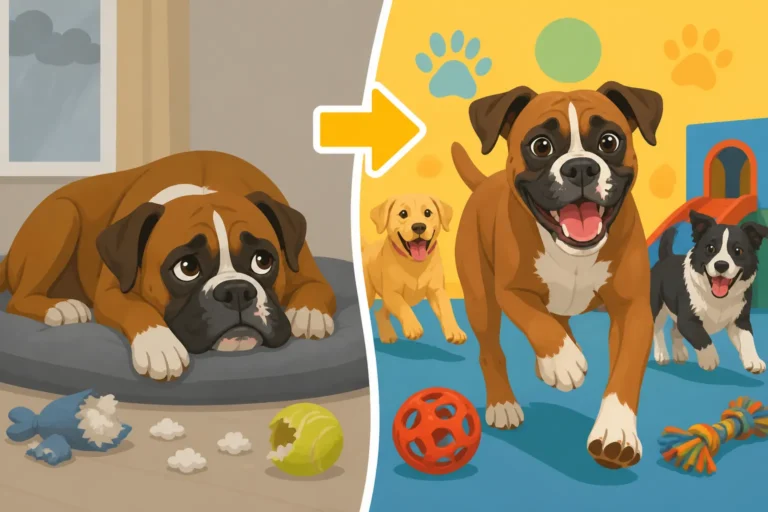
This high energy means that "settling down" looks very different for a Boxer than it might for a more laid-back breed. What might be considered a mature, calm demeanor in another dog breed could still be a Boxer pacing with a toy, bumping you for attention, or wanting to play fetch just one more time. Owners quickly learn that meeting their Boxer's exercise needs is paramount to a harmonious household. Without sufficient outlets for their energy, that "puppy" behavior can quickly morph into destructive habits or endless demands for attention, making the impression of a never-ending puppyhood even stronger.
Consistent, Quality Exercise is Non-Negotiable
For a Boxer, a casual stroll around the block simply isn't going to cut it, not even for an older adult. They need significant, structured physical activity every single day to truly burn off that youthful exuberance. We’re talking about Sixty to Ninety Minutes a Day With a Boxer as a baseline, often split into multiple sessions. This might include brisk walks, extended games of fetch, or even joining you for a run if their health allows. The kind of exercise matters too – mental engagement through training or puzzle toys can be just as tiring as physical exertion.
Imagine trying to keep a toddler entertained indoors on a rainy day; that's often what it feels like if your adult Boxer hasn't had enough exercise. They'll start inventing their own games, which might involve chasing the cat, "redecorating" your couch, or turning household objects into chew toys. Providing consistent opportunities for vigorous play and mental stimulation is crucial. On hot days, when outdoor exercise is limited, Indoor Exercise for a Boxer in a Heatwave becomes vital to prevent cabin fever and manage their energy. These needs don't magically disappear at age two or three; they remain a consistent part of Boxer ownership for many years.
The Playful, Clowning Temperament
Boxers are famous for their fun-loving, sometimes silly, personalities. This is perhaps the biggest reason why Boxer owners so often say their dog never fully sheds its puppy-like qualities. They are known as the "clowns of the canine world" for a very good reason: their primary goal often seems to be to make you laugh and to engage in playful interaction. This inherent trait is not something they grow out of; it’s an integral part of who they are, woven into the fabric of the breed.
This playful nature means they maintain a youthful outlook on life, even as their muzzle starts to gray. They retain that spark of mischief and that eagerness to engage, whether it's by performing the classic Boxer "wiggle butt" greeting, pawing at you for attention, or staging impromptu wrestling matches with other dogs. Their desire for interaction and their goofy antics are endearing, but they can also make it feel like you’re living with a perpetual adolescent who’s always ready for a game, even when you're not. This persistent lightheartedness contributes significantly to the feeling of an endless puppy stage.
The Delightful and Demanding Clown
Why Boxers Are Called Clowns is clear to anyone who has spent time with them. They love to entertain, often with clumsy yet charming antics that can make you burst out laughing. This can involve carrying around oversized objects with a proud bounce, "talking" to you with an array of grumbles and groans, or simply tripping over their own feet in their excitement. This constant desire to be the center of attention and to elicit a happy reaction from their humans means they don't develop the stoic seriousness sometimes seen in other adult dogs.
Their play style also remains distinctly puppy-like. Boxer Body Slamming During Play is a common, if sometimes startling, sight. They use their whole bodies, pouncing, bumping, and "boxing" with their front paws in a way that is utterly characteristic of the breed but also very reminiscent of boisterous puppy play. While this is wonderful for dogs and people who appreciate high-energy interaction, it can feel like you're still managing a puppy who doesn't quite know his own strength, especially around small children or older adults. Their exuberance is a huge part of their charm, but it undeniably contributes to the feeling that they're forever young at heart.
Training Challenges and The Need for Lifelong Consistency
While Boxers are intelligent, their lively and sometimes stubborn nature, combined with a relatively short attention span, means that training can feel like an ongoing journey rather than a finite project. This consistent need for reinforcement and redirection can certainly make it seem as though their "puppy stage" never truly concludes. They're not necessarily difficult to train, but they require a handler who is patient, consistent, and willing to make training a regular, enjoyable part of their lives, rather than a one-and-done course.
Many Boxer owners report that just when they think a behavior is finally mastered, their dog will have a "brain fart" and revert to an earlier, less refined version of themselves. This is a normal part of Boxer development and temperament. Their enthusiasm can sometimes override their learned manners, especially in exciting situations. Therefore, living with a Boxer means embracing the idea that you’ll be doing some form of training or refresher work throughout their lives. This continuous engagement can feel like you're perpetually raising a smart, but easily distracted, student.
Keeping Training Engaging for the "Perpetual Puppy"
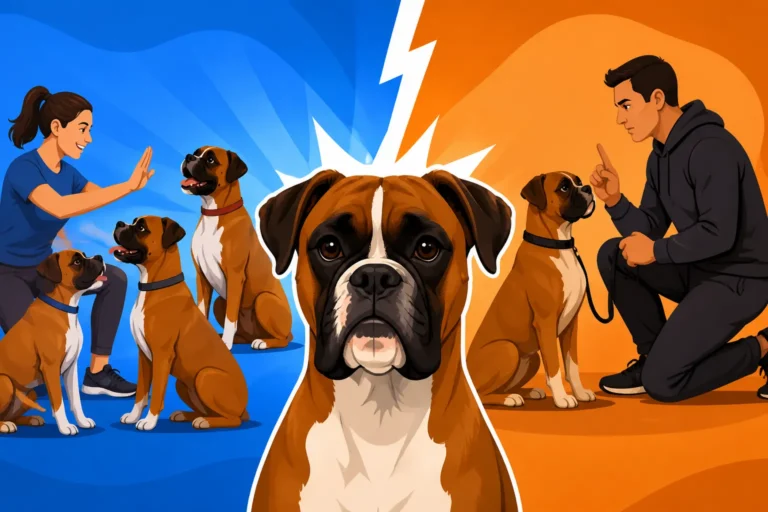
The key to successful training with a Boxer is to keep it fun, positive, and varied. Why Short Sessions Suit a Boxer's Attention Span is a crucial piece of advice. Instead of long, drawn-out drills, aim for multiple short bursts of training throughout the day. This keeps their focus and prevents them from getting bored and tuning you out. Positive reinforcement, using high-value treats and enthusiastic praise, works wonders. Boxers thrive on connection and pleasing their people, even if they sometimes get a little too excited about it.
It's also important to understand that what works for one Boxer might not work for another, or even for the same Boxer on a different day. Keeping Boxer Training Sessions Interesting means incorporating new challenges, different environments, and varying rewards. For engaging puzzle toys to keep their active minds busy and redirect that puppy-like chewing, a quick search on Amazon will show you countless options. If you're looking for structured guidance, platforms like BAXTER & Bella offer comprehensive online training programs that can be a lifesaver for managing that extended Boxer puppy phase, providing structured lessons you can do at home.
Consistency is king. Even an adult Boxer needs clear boundaries and predictable routines. Don't assume that because your Boxer is four years old, they no longer need reminders about jumping on guests or waiting at the door. Whether an Adult Boxer Can Be Retrained is a resounding yes, but it often feels more like continuous refinement than an overhaul. Many owners reflect on What Boxer Owners Wish They Had Trained Sooner, often citing leash manners, impulse control, and polite greetings as areas that benefit from consistent, early, and ongoing work.
Here’s a look at how Boxer maturity compares to what you might expect from other breeds:
| Aspect | Typical Dog Breed (Adult by 1.5-2 years) | Boxer (Adult by 2-3+ years) | What it Feels Like for Owners |
|---|---|---|---|
| Physical Growth | Reaches full size by 12-18 months | Reaches full size by 18-24 months | Fairly standard, but they're big puppies for a while. |
| Mental Maturity | Settles mentally by 1.5-2 years | Settles mentally by 3-4 years (or sometimes never fully!) | Long-term patience; dealing with a perpetual "teenager." |
| Energy Levels | High energy puppy phase tapers | Sustains high energy for many years | Endless need for play and exercise, even in older dogs. |
| Play Style | Matures, becomes less clumsy | Retains boisterous, clumsy, "boxing" style | Constant awareness of their enthusiastic body language. |
| Attention Span | Lengthens with age | Can remain relatively short, easily distracted | Training feels like an ongoing, never-ending endeavor. |
| Clownish Behavior | May become more sedate | Stays strong, a defining trait | Constant amusement, but also managing constant demands. |
Living with a Boxer is a unique and deeply rewarding experience precisely because of their enduring youthful spirit. While it might feel like their puppy stage never truly ends, it’s this very quality that makes them such joyful, entertaining, and affectionate companions. Embracing their spirited nature, rather than fighting against it, is the key to a happy life with your forever-young Boxer. Even as adults, they benefit from interactive toys, perhaps a durable Kong from Amazon filled with a treat, to keep their minds engaged. Consider investing in a good quality, chew-resistant bed, easily found on Amazon, as they often don't outgrow their 'destructive puppy' phase for a while.
Disclaimer
This article is for general informational purposes only and does not constitute professional advice. Laws, prices and regulations vary by location and change over time. Consult a qualified professional for guidance on your specific situation.