Whether a Boxer Plays Too Rough for a Small Dog
It's a common dilemma for Boxer owners: you adore your energetic, goofy companion, but you also worry about their boisterous play style when they encounter a tiny terrier or a delicate Dachshund. We've all seen the sheer exuberance of a Boxer at play — the paws flying, the body slams, the full-throttle zoomies that can send smaller dogs scattering. This guide is here to help you understand the Boxer's unique way of playing, the potential challenges it poses for smaller dogs, and practical, empathetic strategies to ensure everyone stays safe and happy, whether at the dog park or just during a casual meet-and-greet.
Understanding the Boxer Play Style
Boxers are renowned for their playful, clownish personalities, which they often retain well into adulthood. While this boundless energy and joyous approach to life are part of what makes them such beloved companions, their play style can be quite intense, especially when contrasted with smaller, more fragile breeds. Owners frequently describe it as a full-contact sport, and they’re not wrong!
The "Box" in Boxer: Paws and Body Contact
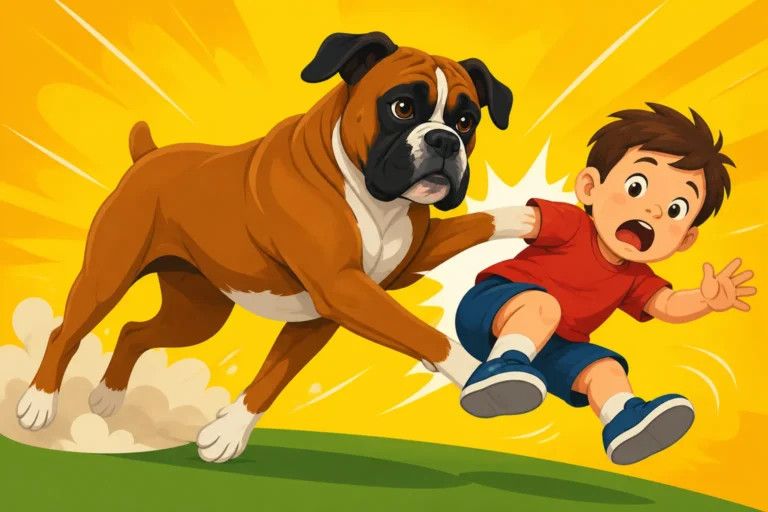
The very name "Boxer" is thought to derive from their characteristic use of their front paws in play. They will often "box" with other dogs, standing on their hind legs and batting playfully with their front paws. While this might be adorable (and surprisingly gentle) with another large, sturdy dog, it can look and feel incredibly intimidating, if not downright dangerous, for a small dog. A playful jab from a seventy-pound Boxer could easily send a fifteen-pound dog tumbling, potentially causing injury or, at the very least, a fright. It's not malicious; it's just how they communicate and engage.
Beyond the pawing, Boxers are also masters of the "body slam" or "hip check." They love to lean into other dogs, push, and sometimes even bowl them over in a display of joyful, albeit powerful, interaction. Imagine a tiny Shih Tzu trying to navigate playtime with a Boxer who thinks a friendly nudge is a full-body tackle! For Boxers, this is often a way of initiating play or demonstrating their enthusiasm. They might lower their head, wiggle their whole body, and then suddenly launch into a playful charge. This high-impact style means that accidental collisions are always a risk, even if your Boxer has the kindest intentions. If you want to dive deeper into this unique aspect of their behavior, consider reading Why a Boxer Boxes With Its Front Paws.
Intense Energy and Unfiltered Enthusiasm
Boxers are dogs with a high motor, often described as perpetual puppies, with a puppyhood that lasts a good three years. This means they often have bursts of incredible speed and energy that can be overwhelming. Their zoomies are legendary – suddenly, your dog is a furry missile, tearing around the yard or park at top speed, weaving and turning on a dime. While exhilarating to watch, this can be a terrifying experience for a small dog caught in the path of a speeding Boxer.
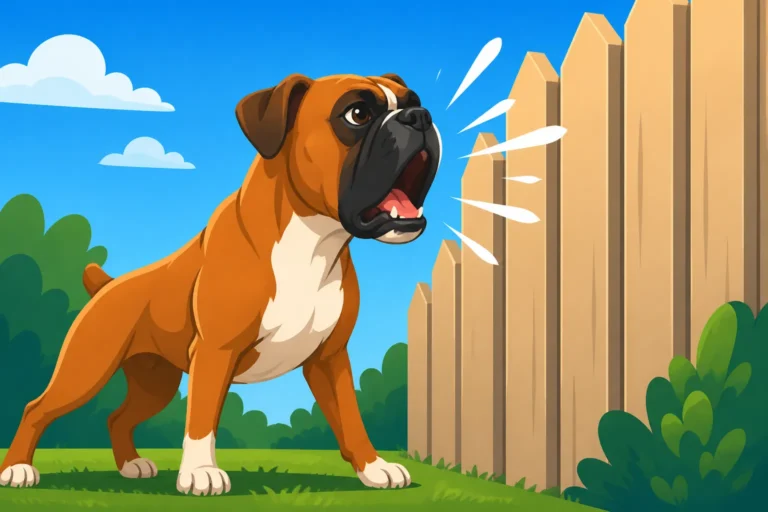
Their enthusiasm is also often unfiltered. When a Boxer gets excited, their whole body wiggles, their tail thumps, and their desire to engage is palpable. They might bark, whine, and bounce, inviting other dogs to play with a fervor that can be misconstrued. They don't always gauge the reaction of a smaller, more reserved dog effectively, leading to situations where the small dog feels cornered or overwhelmed by the sheer intensity of the Boxer's invitation. Understanding Boxer Play Style With Other Dogs can help you interpret these signals better.
Potential Risks for Smaller Dogs
It’s crucial to acknowledge that a Boxer's natural play style, while typically non-aggressive, does inherently pose risks to smaller dogs due to the sheer size and power differential. Many owners of small dogs become incredibly anxious when a Boxer approaches, and their concerns are valid.
Accidental Injury and Overwhelm
The most significant risk is accidental injury. A Boxer's hard paws, strong jaws (even if not used aggressively), and substantial body weight can inadvertently cause harm. A small dog could easily be knocked off its feet, stepped on, or suffer an internal injury if a Boxer playfully jumps on them or collides at speed. We’re talking about bone fractures, sprains, or even more serious trauma in worst-case scenarios. It’s not about malice; it’s about physics.
Beyond physical injury, there's the psychological impact. A small dog, constantly body-slammed or pursued by a larger, faster Boxer, can become stressed, fearful, or even reactive. They might start growling or snapping defensively, not because they are inherently aggressive, but because they feel perpetually threatened and lack the ability to escape or communicate effectively with their much larger playmate. This can sour their experiences with other dogs altogether, making future introductions difficult. Learning to identify Reading a Boxer Before Play Turns Sharp is vital for intervention.
Intimidation and Lack of Reciprocity
Small dogs often have a different play style. They might prefer chasing and being chased, gentle wrestling, or parallel play. A Boxer's approach to play can quickly become overwhelming for them. Picture a small Cavalier King Charles Spaniel trying to play with a Boxer who wants to mouth and wrestle like it’s playing with another Boxer. The small dog might try to disengage, hide, or emit appeasement signals, but a highly excited Boxer might not pick up on these cues, continuing to press for interaction.
This lack of reciprocal play is key. For true play to occur, both dogs need to be enjoying the interaction and able to disengage. If the smaller dog is constantly trying to get away, yelping, or showing signs of fear (tail tucked, ears back, panting excessively), it's no longer play. It becomes harassment, even if the Boxer's intent is innocent. Understanding how Boxers react in social settings, particularly at Boxers at a Dog Park, is crucial for responsible ownership.
Strategies for Safe Inter-dog Play
Given these risks, proactive management and specific training are not just recommended, but essential for any Boxer owner who wants their dog to coexist peacefully and safely with smaller canines.
Structured Introductions and Supervision
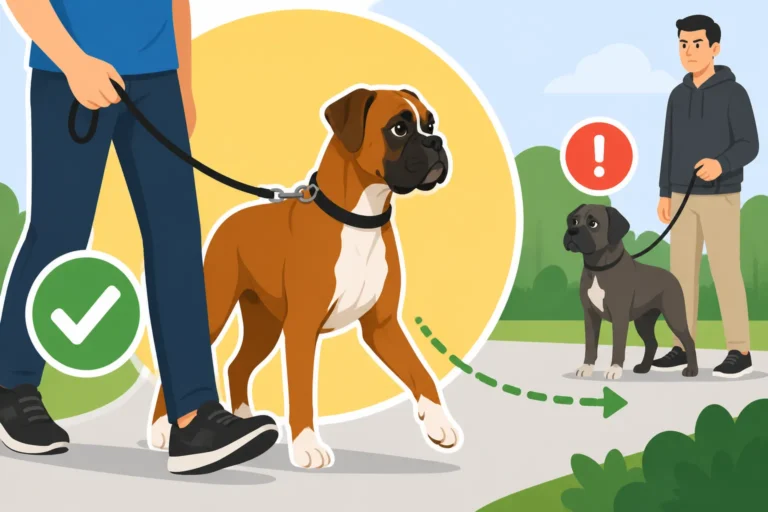
Never let your Boxer charge into a group of dogs, especially if smaller breeds are present. Always initiate introductions calmly, on leash, and in a controlled environment. A great strategy is to start with parallel walks. Walk both dogs side-by-side at a distance where they are aware of each other but not overly stimulated. Gradually decrease the distance if they remain calm. This allows them to acclimate to each other's presence without the immediate pressure of direct interaction.
Once off-leash, maintain close supervision. This isn't the time to check your phone or chat endlessly with other owners. Your eyes need to be on your Boxer, constantly assessing their body language and that of the smaller dog. Look for signs of stress or discomfort in the small dog – tucked tail, ears back, lip licking, yawning, stiff body, or trying to hide. Simultaneously, watch for your Boxer becoming overly aroused, fixated, or starting to ignore your commands. You might find that Socializing a Boxer Puppy Before Sixteen Weeks lays a great foundation for these interactions.
Here’s a quick guide to reading play styles:
| Boxer Play Behavior | Small Dog Play Behavior (Often) | Potential Issue for Small Dog | Recommended Action |
|---|---|---|---|
| Pawing, "boxing" | Gentle nips, parallel running | Accidental hit, intimidation | Interrupt, redirect to a toy, separate |
| Body slams, hip checks | Gentle pushing, short chases | Knocked over, physical injury | Interrupt, leash up, create space |
| Full-speed zoomies near small dog | Short bursts, evasive maneuvers | Collision, feeling pursued | Call Boxer away, change play area, engage in solo play |
| Loud vocalizations, intense stares | Soft barks, looking away | Feeling trapped, overwhelmed | Introduce a "break" cue, use a calming voice, remove |
| Continuous pursuit, no breaks | Trying to hide, showing teeth | Escalation to fear-aggression | Immediately separate and give both dogs space |
Training Crucial Cues
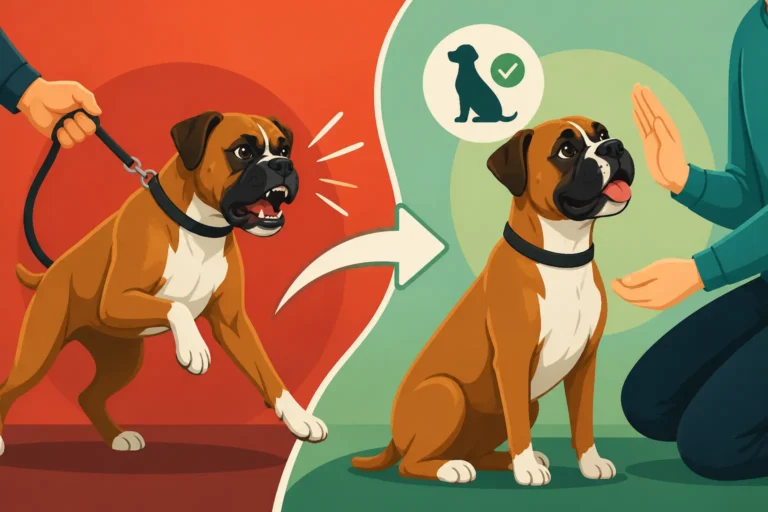
Your Boxer must have a rock-solid recall and a reliable "leave it" or "break" cue. These are non-negotiable for managing their interactions with other dogs. The moment you see play escalating or a small dog showing signs of discomfort, you need to be able to instantly interrupt your Boxer. A strong "come" command means you can call your Boxer away before any harm is done. The "leave it" cue teaches them to disengage from whatever they are focused on, whether it's a tempting treat or a small, yelping dog.
Consider investing in an online training program like BAXTER & Bella, which offers comprehensive guidance on basic obedience and impulse control. Their structured lessons can be incredibly helpful for teaching a Boxer to focus on you even amidst distractions. Teaching a "place" command or Teaching a Boxer to Keep Four Feet Down can also be invaluable, giving your dog an alternative behavior when they're tempted to jump or push. Practice these cues relentlessly in various environments, gradually increasing distractions. Always reward heavily when they comply, especially when it means disengaging from exciting play. High-value treats from Amazon can be a great motivator! Rewards a Boxer Will Work Hard For delves into effective motivation.
Using Management Tools and Environments
Sometimes, training isn't enough, or your Boxer is still a work in progress. That's where smart management comes in. Use a sturdy leash and harness (rather than just a collar) when you're in areas where you might encounter smaller dogs. This gives you more control over your powerful Boxer if they suddenly lunge or try to initiate play too roughly.
Choose your play environments wisely. If your Boxer tends to play too rough, avoid small, enclosed dog parks where smaller dogs can't easily escape. Look for larger, open spaces where dogs have room to move and self-regulate, or seek out dog parks with separate sections for large and small dogs. Better yet, arrange playdates with other large dogs who match your Boxer’s energy and play style. This allows your Boxer to get their vigorous play needs met without putting smaller dogs at risk. You might also want to explore Trainer Rates for a Boxer That Jumps for professional guidance on specific behavior challenges.
When to Seek Professional Help
Even with the best intentions and diligent training, there might be times when you feel out of your depth managing your Boxer's interactions. This is completely normal, and it's a sign of a responsible owner to recognize when professional intervention is needed.
Persistent Roughness or Inability to Disengage
If your Boxer consistently plays too rough, despite your efforts, and seems unable to read or respond to other dogs’ cues, it’s time to call in a certified professional dog trainer or a canine behaviorist. This is particularly true if your Boxer ignores signals from small dogs to stop, or if their play frequently escalates to a point where a small dog is clearly distressed or potentially injured. A professional can assess your Boxer's individual temperament, identify any underlying issues, and help you implement a tailored training plan. They can observe the interactions objectively and pinpoint exactly where communication is breaking down.
They might suggest specific exercises to build impulse control, teach your Boxer how to play more appropriately, or even work on desensitization protocols if your Boxer gets overly excited by small dogs. Sometimes, simply having an extra pair of expert eyes can make all the difference in understanding Whether an Adult Boxer Can Be Retrained.
Signs of Fear or Aggression in Response to Small Dogs
While Boxer play is typically exuberant, not aggressive, you need to be vigilant for any signs that their interactions are not just rough, but becoming problematic. If your Boxer starts showing aggression (growling, snapping, prolonged hard stares, body blocking) towards small dogs, or if they display extreme fear (cowering, barking defensively, trying to escape in a panic) around them, professional help is absolutely essential. These behaviors indicate a deeper issue than just an over-enthusiastic play style.
A qualified behaviorist can help determine the root cause of these reactions, which could be anything from poor socialization experiences to underlying anxiety. They can then guide you through behavior modification techniques to help your Boxer develop more positive associations and appropriate responses. This is not something to tackle alone, as incorrect interventions can inadvertently make the problem worse. Addressing issues like A Boxer That Lunges at Passing Dogs effectively requires expert guidance.
Disclaimer
This article is for general informational purposes only and does not constitute professional advice. Laws, prices and regulations vary by location and change over time. Consult a qualified professional for guidance on your specific situation.