A Teenage Boxer That Ignores Cues
It's incredibly frustrating when your once-eager-to-please Boxer puppy suddenly seems to develop selective hearing, ignoring every cue you thought they mastered. You call their name, ask for a "sit," and they just stare blankly or, worse, bound off in the opposite direction, leaving you feeling unheard and frankly, a bit exasperated. This guide is here to help you navigate this challenging "teenage" phase, understand why it happens, and arm you with strategies to get your Boxer back on track.
Understanding the "Teenage" Phase in Boxers
Just like human teenagers, Boxer dogs go through an adolescent phase where their brains are undergoing significant changes. What was once reliable behavior can become erratic, and boundaries are often tested. It’s not about malice; it’s about development.
When the Boxer "Teenage" Phase Kicks In
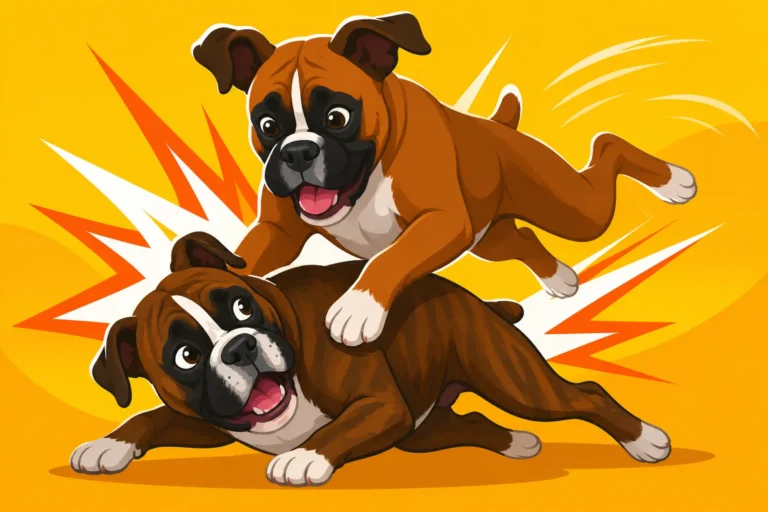
For Boxers, this period of adolescence typically kicks in around six to eight months of age and can famously last until they are two, even three years old. It’s why many Boxer owners will tell you that the Why Boxer Owners Say the Puppy Stage Never Ends. During this time, your Boxer is experiencing a surge in hormones, much like human teenagers. Their bodies are growing and filling out, their minds are becoming more independent, and the world outside the immediate family unit suddenly becomes much more interesting. They're trying to figure out their place in the world, and sometimes that means pushing against the rules they once accepted without question.
It’s a time when you might notice that while they were once perfectly happy to come when called in the backyard, now the mere scent of a squirrel or the sight of a leaf blowing down the street is far more compelling than your voice. This isn't a sign that your training failed; it's a normal part of their development, though a taxing one for us owners!
Why Your Boxer Seems to Forget Everything
There are several key reasons why your Boxer might suddenly seem to have amnesia regarding their training. It's rarely about them genuinely "forgetting," but rather about new priorities and a shifting mental landscape.
First, distraction levels skyrocket. Where a young puppy might have been completely focused on you in a quiet living room, a teenage Boxer is acutely aware of every sight, sound, and smell. Their world has expanded, and their curiosity is at an all-time high. A bird fluttering past the window, the sound of a distant dog barking, or a new smell on the sidewalk can completely override even the most ingrained cue.
Second, hormonal changes play a huge role. Intact male Boxers, for instance, might become much more interested in sniffing out the scent of a female dog, leading to a strong desire to explore rather than respond to your call. Female Boxers going through their heat cycles can also exhibit changes in focus and behavior. These biological drives are powerful and can make even the most tempting treat seem secondary.
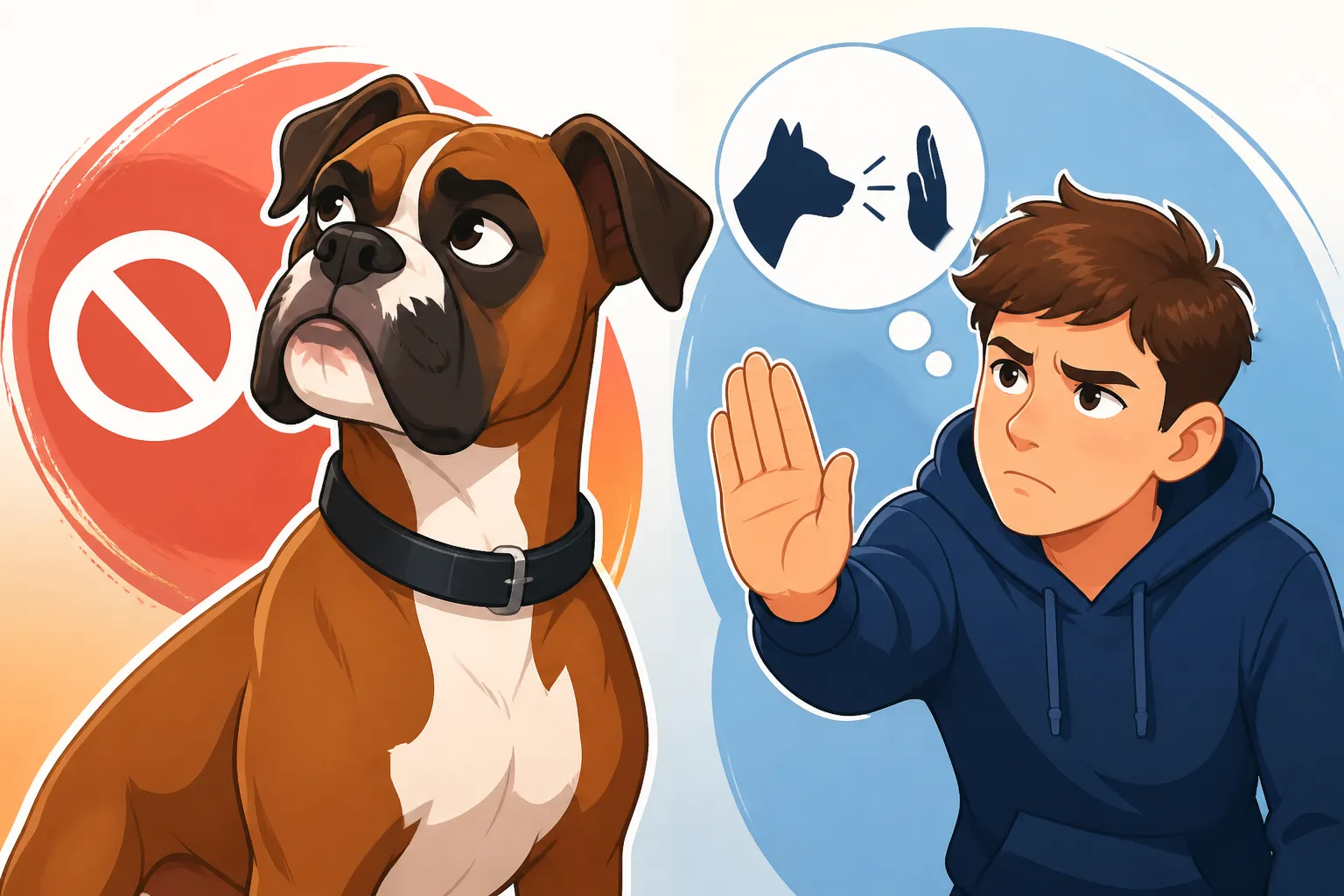
Third, boundary testing is a natural part of adolescence. Your Boxer is exploring what they can get away with. If they discover that ignoring "sit" sometimes leads to you getting frustrated and giving up, they might learn that they don't always have to comply. This isn't defiance in a human sense, but a dog learning the consequences (or lack thereof) of their actions. They're just figuring out the rules of engagement in their ever-changing world. It’s a period where you might feel like The Month a Boxer Starts Testing Rules.
Re-establishing Communication and Consistency
The key to navigating this phase is not to get angry or frustrated, but to be patient, persistent, and go back to basics. You need to remind your Boxer that you are still the most interesting and rewarding thing in their environment.
Going Back to Basics with Training
When your Boxer seems to be ignoring cues, it's time to rewind. Imagine them as a brand new puppy again, and start from square one with all the basic commands.
Start in a low-distraction environment. This means your living room, a quiet bedroom, or even a fenced backyard with no other animals or people around. Practice "sit," "stay," "come," and "down" as if they've never heard them before. Use clear, consistent vocal cues and hand signals. The goal here is to rebuild their confidence in understanding what you're asking and to reinforce that responding to you is always worthwhile.
Keep sessions short and positive. Boxers, especially teenage ones, can get bored fast. Aim for five to ten-minute training bursts a few times a day rather than one long, tedious session. Always end on a positive note, even if it's just for a simple "sit" and a treat. This builds a positive association with training and keeps them engaged. Remember, Why Short Sessions Suit a Boxer's Attention Span is crucial for this breed.
Boosting Motivation and Reinforcement
What motivated your Boxer as a young puppy might not cut it now. You need to upgrade your reward system to be more compelling than the distractions around them.
High-value treats are your secret weapon. Forget the dry kibble pieces; now is the time for tiny pieces of cooked chicken, cheese, hot dogs, or whatever your Boxer absolutely goes nuts for. These aren't everyday treats; they are special motivators reserved for successful training responses, especially when they overcome a distraction. The idea is to make sure that listening to you is literally the most rewarding thing they could possibly do at that moment. Many owners find success with soft, smelly treats that they can quickly consume and don't require much chewing, keeping the training flow going. You can find a huge variety of high-value training treats on platforms like Amazon.
Incorporate play into your rewards. Boxers are playful dogs, and sometimes a quick game of tug or fetch can be an even better reward than a treat. If your Boxer responds to a recall in a distracting environment, celebrate with an enthusiastic game of chase or a favorite toy. This helps them associate coming back to you with fun and excitement, not just a static reward. It's often debated Whether a Boxer Trains Better for Food or Play, but the answer is often "both!"
Vary your rewards. Don't always give the same treat or play the same game. Keep them guessing! This unpredictability makes you even more interesting and keeps their attention sharp, wondering what amazing thing they might get next for listening.
Managing Distractions in the Real World
Once your Boxer is reliably responding in a low-distraction environment, you need to slowly and systematically introduce distractions. This process is called "proofing" your cues.
Gradual increase in distraction. Start by training in your living room with the TV on low, then move to the backyard with a family member walking quietly nearby. Next, try a slightly busier park at a quiet time of day, or an empty parking lot. The key is to control the environment initially, so your Boxer has a chance to succeed. If they struggle, you've moved too fast; go back to a less distracting environment.
Leash work is essential. For many teenage Boxers, the leash is your best friend. It provides control and allows you to prevent them from practicing unwanted behaviors like running off. Use a sturdy leash and a comfortable harness. A front-clip harness can be particularly helpful for Harnesses That Hold a Pulling Boxer by redirecting their momentum without putting pressure on their throat. This control allows you to interrupt unwanted behavior and redirect their focus back to you and the training task.
Short bursts of exposure. Don't expect your teenage Boxer to focus for long periods in a highly stimulating environment. Practice a few "sits" or "stays" for a minute or two, then give them a break to sniff around and be a dog. Then, re-engage for another short session. Over time, they will build their stamina for focus in distracting places. This gradual process helps your Boxer understand that even with distractions, the expectation to listen remains.
Addressing Specific Challenges of a Teenage Boxer
Teenage Boxers often present with specific behavioral challenges that require targeted approaches. These aren't signs of a "bad" dog, but often an enthusiastic, energetic one navigating a complex world.
Dealing with Selective Hearing on Walks
Walks can become a battleground when your teenage Boxer seems to forget every leash manner they ever learned, pulling relentlessly or completely ignoring you if another dog or person appears.
Revisit loose leash walking fundamentals. Start back in a quiet area. When your Boxer pulls, stop dead in your tracks. Don't move forward until the leash is slack. The moment they relieve the tension, even for a second, praise and reward them lavishly with a high-value treat. Repeat, repeat, repeat. This teaches them that pulling gets them nowhere, but a loose leash means progress and rewards. Many owners benefit from online programs like BAXTER & Bella's virtual puppy school, which offers structured lessons that can be applied to reinforcing good leash manners in older, adolescent dogs too.
Work on recall in controlled settings. A solid recall is non-negotiable for a Boxer, especially a teenage one. Start with a long line in a securely fenced area. Call your Boxer, and the moment they turn their head towards you, praise them and start backing away excitedly, making yourself irresistible. When they reach you, jackpot them with treats and enthusiastic play. Never call your Boxer to do something unpleasant, like ending a fun play session. Always make coming to you the most rewarding option. This is essential for their safety and your peace of mind. For more on this, check out Getting a Boxer's Attention Outdoors.
Anticipate and redirect. If you know your Boxer is likely to lunge at another dog or person, get their attention before the distraction gets too close. Use a "watch me" cue, reward heavily for eye contact, and then pass the distraction. If necessary, create more distance or change direction. This proactive approach helps them practice good behavior rather than reacting poorly.
Nipping Common Teenage Tendencies
Teenage Boxers are full of energy and can sometimes revert to or develop behaviors that are less than ideal for living politely in a human household.
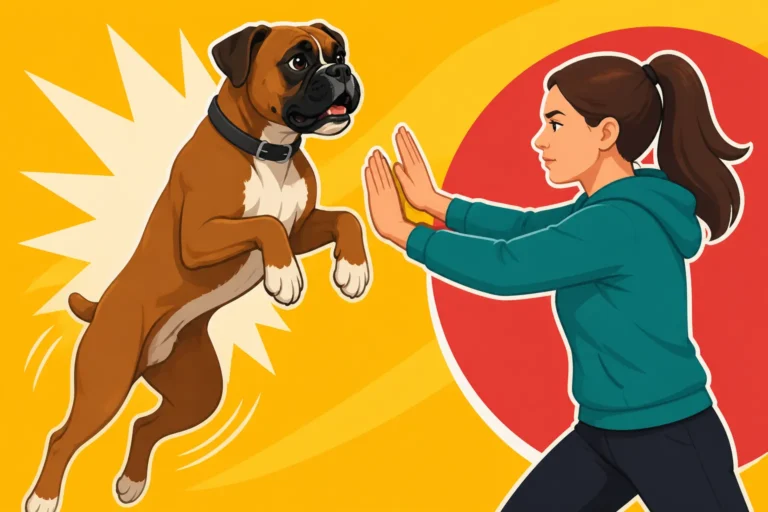
Jumping: A common Boxer trait. When they jump on you or visitors, turn your back, cross your arms, and completely ignore them. No eye contact, no pushing them down, no talking. The moment all four paws are on the floor, turn around and calmly reward them. You can also teach an incompatible behavior, like "sit" to greet. Have visitors ask for a sit before offering attention. If you’re struggling with this, the article Stopping a Seventy-Pound Boxer From Jumping offers more specific advice.
Counter-surfing/Mouthiness: Boxers are naturally mouthy dogs. If they are still jumping on counters or grabbing things with their mouths, ensure nothing tempting is left within reach. For mouthing on hands, immediately redirect their attention to an appropriate chew toy. If the mouthing is persistent and painful, completely disengage: say "ouch" loudly, and walk away, ending interaction for a minute or two. This teaches them that hard bites end the fun. For more on this, read Boxer Puppy Biting That Does Not Stop.
Demand barking: If your Boxer barks for attention, ignore it completely. This is incredibly difficult but crucial. Wait for a moment of silence, then reward them. If you give in even once, you've taught them that barking can work. Ensure they are getting adequate mental and physical exercise, as a bored Boxer is often a noisy one. Whether Boxers Bark More Than Other Breeds can sometimes feel like a personal question during this phase!
Building a Stronger Bond Through Engagement
Beyond formal training, strengthening your bond with your teenage Boxer through engaging activities can make a world of difference in their responsiveness and overall behavior. A strong bond fosters trust and a desire to work with you.
Incorporating Brain Games and Mental Exercise
Boxers are smart, but that intelligence can lead to mischief if not channeled properly. Mental stimulation is just as important as physical exercise, especially for a teenage Boxer who needs to learn focus and problem-solving.
Puzzle feeders and enrichment toys are fantastic. Instead of just putting their food in a bowl, make them work for it. Lick mats, snuffle mats, KONGs stuffed with frozen treats, or puzzle toys where they have to manipulate parts to get kibble can keep them occupied and mentally stimulated for a good while. This can be especially useful when you need them to settle down or when you leave them alone for short periods. Puzzle Feeders That Hold a Boxer's Attention lists some great options.
Training new tricks. Beyond basic obedience, teaching fun tricks like "shake a paw," "spin," "bow," or "fetch specific toys" can be a great way to engage your Boxer's mind. These activities are fun, build communication, and reinforce the idea that working with you is enjoyable. Remember to keep sessions short and positive, ending before they get bored.
Scent work. Boxers have good noses! Hide treats or their favorite toy around the house or yard and encourage them to "find it." This taps into their natural instincts, builds confidence, and is wonderfully mentally tiring. You can even explore introductory nose work classes if you're looking for structured activities.
The Importance of Consistent Structure and Routine
Teenage Boxers thrive on predictability. A consistent routine provides a sense of security and helps them understand what is expected of them throughout the day.
Establish a clear daily schedule. This includes set times for meals, walks, training sessions, playtime, and quiet time. When your Boxer knows when to expect these activities, they are generally calmer and less likely to engage in attention-seeking or destructive behaviors. For example, a morning walk, followed by breakfast, then some quiet chew time, helps manage their energy and expectations.
Be consistent with rules and boundaries. If "no jumping on the couch" means no jumping on the couch sometimes, your Boxer will quickly learn that it's worth trying their luck. Every member of the household needs to enforce the rules consistently and use the same commands. This eliminates confusion and helps your Boxer learn faster. If your family struggles with this, a family meeting to discuss consistent expectations for your Boxer can be very helpful.
Provide appropriate outlets for Boxer energy. Boxers are high-energy dogs, and their "teenage" zoomies can be impressive. Ensure they get ample physical exercise, split into sessions to avoid overheating. This could be a brisk walk in the morning before it gets hot, an evening walk when it's cooler, and some dedicated playtime in a securely fenced area. A tired Boxer is a well-behaved Boxer. Always be mindful of the heat; The Degrees at Which a Boxer Struggles can be surprisingly low.
| Behavior Shift | Why It Happens | Solution Strategy |
|---|---|---|
| Ignoring Cues | Hormones, distractions, testing boundaries | Revisit basics in low-distraction environments, use high-value rewards. |
| Pulling on Leash | Excitement, lack of self-control | Stop-and-go method, front-clip harness, practice in quiet areas. |
| Jumping Up | Seeking attention, excitement | Ignore completely (turn back), reward for "four on the floor" or a "sit." |
| Mouthiness/Nipping | Exploring, over-arousal, lack of bite inhibition | Redirect to appropriate chew toys, disengage immediately for hard bites. |
| Destructive Chewing | Boredom, excess energy, anxiety | Provide appropriate chew toys, mental stimulation, consistent exercise. |
| Selective Hearing | Distractions, lower motivation for your rewards | Upgrade to high-value treats, incorporate play, proof cues gradually. |
| Demand Barking | Learned behavior to get attention | Ignore completely, reward for silence, ensure sufficient exercise/mental work. |
The teenage Boxer phase is a marathon, not a sprint. There will be days when you feel like you've made no progress, and then suddenly, something clicks. Stay patient, stay positive, and remember that underneath all that burgeoning independence is still the loving, goofy Boxer you adore. With consistency and understanding, you’ll help them grow into a well-adjusted, delightful adult companion.
Disclaimer
This article is for general informational purposes only and does not constitute professional advice. Laws, prices and regulations vary by location and change over time. Consult a qualified professional for guidance on your specific situation.