Whether Boxer Myelopathy Is Painful
It's absolutely heartbreaking to watch your Boxer lose the use of their back legs, stumbling and struggling, and a natural, immediate thought is, "Are they in pain?" The fear that your beloved companion might be suffering silently with something like degenerative myelopathy can be incredibly distressing. This guide will walk you through the nuances of Boxer myelopathy, clarifying whether this challenging condition causes pain and how you can best support your dog through its progression.
Understanding Degenerative Myelopathy in Boxers
When you first hear the words "degenerative myelopathy" (DM), it sounds frighteningly serious, and it is. DM is a progressive, incurable neurological disease that primarily affects the spinal cord in dogs. For Boxer owners, this condition is a particularly heavy burden, as our breed is sadly predisposed to it, much like German Shepherds, Corgis, and other breeds.
What Exactly Is DM?
At its core, degenerative myelopathy is a disease that targets the white matter of the spinal cord. Think of the white matter as the superhighways of your dog's nervous system, carrying critical signals between the brain and the limbs. With DM, this white matter slowly breaks down. What happens is that the protective myelin sheath around the nerve fibers deteriorates, and the nerve fibers themselves start to degenerate. This process disrupts the communication channels, leading to a gradual loss of motor function. It’s often compared to Amyotrophic Lateral Sclerosis (ALS) in humans because of the similar progressive neurological decline.
A key factor in Boxer DM is a genetic mutation in the SOD1 gene. While not every Boxer with two copies of this gene will develop DM, it significantly increases their risk. This is why breeders committed to the health of the breed will often perform The SOD1 Test for Boxer Myelopathy on their breeding dogs, aiming to reduce the incidence of this devastating condition. Knowing your Boxer's genetic status can offer some foresight, though it doesn't change the disease once it takes hold.
The Progression of Symptoms
DM doesn't hit all at once; it's a slow, insidious creep. Typically, the first signs you might notice are subtle and often appear in middle to older Boxers, usually between 8 and 14 years of age. You might start seeing a slight clumsiness in their hind legs, maybe a little scuffing of their back paws as they walk, or a tendency to drag one foot. This is often referred to as a "proprioceptive deficit" – meaning they lose the sense of where their limbs are in space. They might cross their back legs when standing or walking, or struggle a bit to rise from a lying position.
As the disease progresses, these initial wobbles become more pronounced. Your Boxer might start swaying more, having difficulty with stairs, or struggling to maintain balance when trying to relieve themselves. Eventually, the weakness in the hindquarters progresses to an inability to stand or walk without significant help, leading to what many owners describe as Watching a Boxer Lose Its Back Legs. In the very late stages, the paralysis can extend to the front legs and even affect bodily functions, but this is usually over a period of many months, sometimes years. It's this gradual loss of mobility that is so visibly distressing for us as owners, even if the underlying cause isn't directly painful.
Is Boxer Myelopathy Painful? The Crucial Distinction
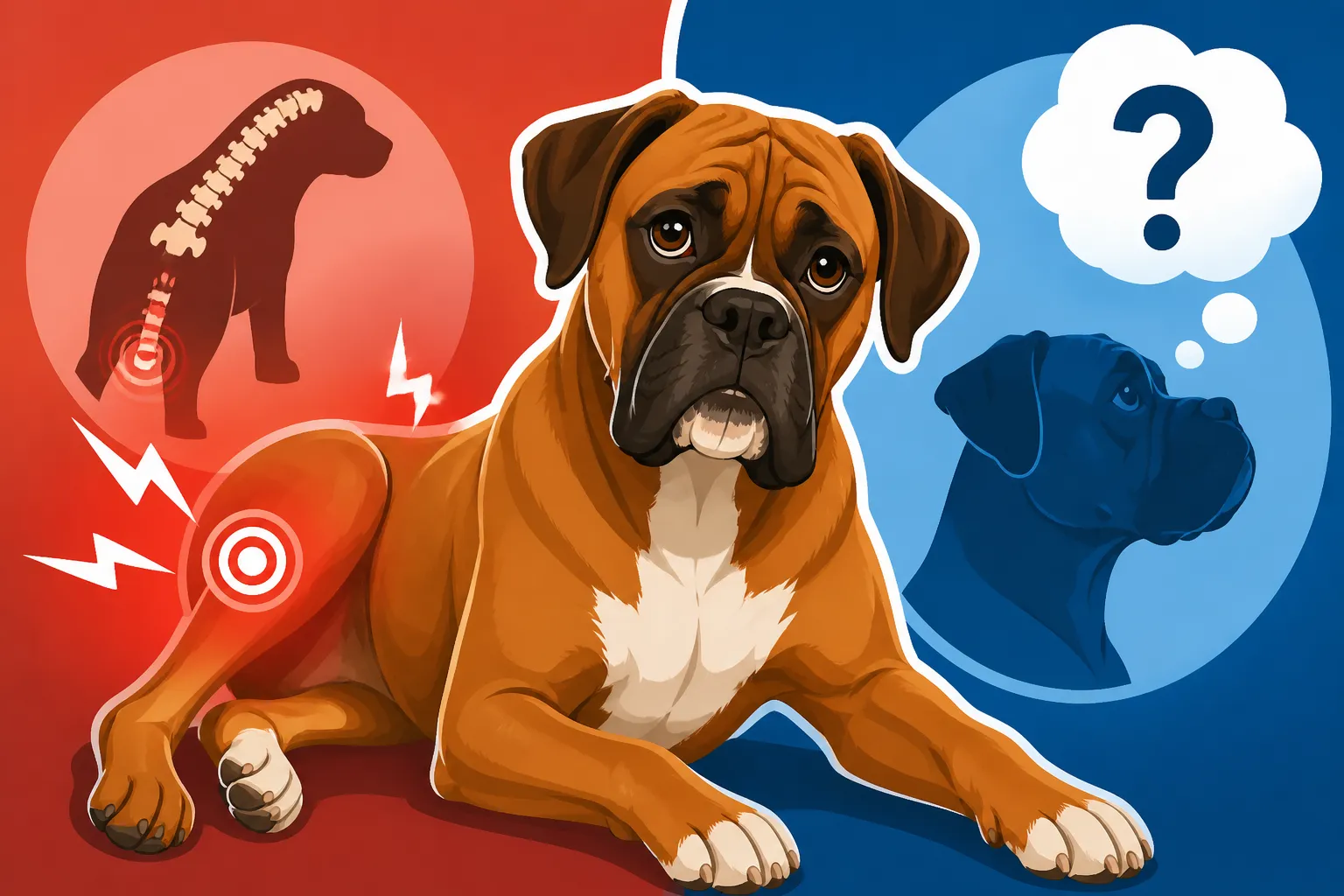
This is often the first and most urgent question on an owner's mind, and it's a vital one to understand. The direct answer, in the vast majority of cases, is no: degenerative myelopathy itself is not a painful disease.
The Neurological Aspect of Pain
To understand why DM isn't inherently painful, we need a quick look at how the nervous system works. Your Boxer's spinal cord contains different types of nerve fibers. Some are responsible for motor signals (telling muscles to move), some for proprioception (knowing where the body is in space), and others for sensory signals, including pain.
Degenerative myelopathy primarily affects the motor and proprioceptive pathways in the white matter of the spinal cord. It's a loss of communication, not a signal of pain. The nerves that transmit pain sensation (nociceptors) are generally not damaged by the disease process itself, at least not until extremely advanced stages, if at all. So, while your Boxer might look incredibly uncomfortable or even distressed by their inability to move their legs as they wish, that distress stems from frustration, confusion, and the physical struggle, rather than actual nerve pain from the myelopathy.
It’s crucial for owners to grasp this distinction. You see your dog struggling, collapsing, dragging themselves, and your natural empathy screams that they must be in agony. But in the case of DM, what you're witnessing is a profound loss of function and coordination, not a direct pain signal from the spinal cord lesion. This knowledge can offer a small measure of relief in an otherwise devastating diagnosis.
Secondary Pain and Discomfort
While DM itself isn't painful, that doesn't mean a Boxer with the condition will never experience pain. The reality is that the compensatory movements, the strain of struggling to move, and the pressure on their bodies can absolutely lead to secondary sources of pain and discomfort.
Here's how secondary pain can manifest:
- Muscle Strain and Soreness: When your Boxer's hind legs weaken, their front legs and core muscles have to work overtime to compensate. This extra strain can lead to significant muscle soreness, stiffness, and even muscle spasms. Imagine trying to walk with a constant limp – other parts of your body would quickly become sore.
- Joint Pain: Boxers are already prone to joint issues like arthritis as they age, and the altered gait and uneven weight distribution caused by DM can exacerbate these existing problems. Conditions like Boxer Hip Dysplasia and Spondylosis might become more painful under the stress of DM. The hips, knees, and even the spine can suffer increased wear and tear.
- Pressure Sores: As mobility decreases, Boxers spend more time lying down. Without proper padding and regular repositioning, they can develop pressure sores (decubitus ulcers) on bony prominences like hips, elbows, and hocks. These sores can be quite painful and prone to infection.
- Injuries from Falls: A Boxer with compromised hind legs is much more prone to falling, especially on slippery surfaces or when trying to navigate stairs. Falls can lead to bumps, bruises, cuts, or even more serious sprains or fractures, all of which are painful.
- Nail Injuries: When Boxers drag their paws, their nails can wear down unevenly, snag, or even tear, causing discomfort or infection.
It's vital for owners to be vigilant for these secondary issues. Many pet insurance providers, like Healthy Paws, recognize the extensive care needs associated with chronic conditions, and having a good policy in place early can help cover the costs of managing these secondary pains and the supportive therapies required. This allows you to focus on your Boxer's comfort rather than agonizing over vet bills.
Managing Comfort and Quality of Life
Even though the underlying disease isn't painful, ensuring your Boxer's comfort and maintaining their quality of life becomes paramount once a DM diagnosis is made. This involves a multi-faceted approach to supportive care.
Supportive Care for Mobility
One of the most impactful things you can do is to maintain your Boxer's mobility for as long as safely possible, and then provide assistance as needed. This doesn't mean pushing them to do things they can no longer manage, but rather finding ways to help them stay active and engaged.
- Physical Therapy and Gentle Exercise: Regular, gentle physical therapy exercises, often guided by a certified canine rehabilitation therapist, can help strengthen remaining muscles and slow down atrophy. This might include passive range-of-motion exercises, controlled leash walks, and balance exercises.
- Hydrotherapy: Swimming or walking on an underwater treadmill can be incredibly beneficial. The buoyancy of the water takes pressure off their joints while allowing them to move their legs more freely, building muscle without the strain of gravity.
- Assistive Devices: As weakness progresses, various aids can make a huge difference. Full-body harnesses with handles can help you support your Boxer's hindquarters when walking. Eventually, wheelchairs or Carts and Slings for a Boxer With Myelopathy can restore a surprising amount of independence and allow your dog to continue enjoying walks and being part of family activities. These devices prevent dragging injuries and allow them to get around without constantly straining their front end.
- Home Modifications: Making your home DM-friendly can prevent falls and reduce struggle. Lay down non-slip rugs on hard floors, block off stairs, and ensure their bed is easily accessible and well-padded.
Addressing Secondary Pain
Actively monitoring for and treating any secondary sources of pain is a critical component of DM care. Your veterinarian will be your best partner in this.
- Pain Management Medication: If your Boxer is diagnosed with concurrent arthritis or muscle soreness, your vet might prescribe non-steroidal anti-inflammatory drugs (NSAIDs) like carprofen or meloxicam, or other pain relievers. These medications don't treat the DM itself but can significantly improve comfort by addressing secondary pain.
- Complementary Therapies: Many owners explore complementary therapies for secondary pain, such as acupuncture, chiropractic adjustments (from a vet or certified practitioner), or therapeutic laser treatments. While not cures, these can sometimes provide relief from muscle tension and joint discomfort.
- Comfortable Bedding and Hygiene: Invest in orthopedic, well-cushioned beds to prevent pressure sores. Regularly check your Boxer for any skin redness or open sores, especially on their hips, elbows, and hocks. Keep their living area clean and dry, especially if they start having incontinence issues, to prevent skin irritation and infection.
- Nail Care: Regular and careful nail trimming is essential. If your Boxer is dragging their paws, their nails can become dangerously long and cause injury. A Dremel tool can often be easier and safer for maintaining nail length than traditional clippers.
- Nutritional Support: While diet won't cure DM, a high-quality, balanced diet can support overall health and muscle mass. Supplements like omega-3 fatty acids can have anti-inflammatory benefits that might help with secondary joint pain, and antioxidants are sometimes recommended to support neurological health. Many pet owners appreciate that a comprehensive pet insurance plan from a company like Healthy Paws can often alleviate the financial stress associated with various diagnostic tests for secondary conditions, specialized prescription diets, and ongoing therapies. This support means you can make decisions based on your Boxer’s needs, not just your wallet.
Prognosis and Emotional Support for Owners
Receiving a diagnosis of degenerative myelopathy is devastating, and it’s okay to feel overwhelmed and heartbroken. Understanding the prognosis and preparing for the journey ahead is part of loving a Boxer with DM.
The Inevitable Progression
It's important to be realistic: DM is a progressive disease, and unfortunately, there is no cure. The disease will continue to advance, typically leading to complete hindquarter paralysis over time. The rate of progression varies from dog to dog, but generally, it can take anywhere from six months to three years from the onset of initial symptoms for the disease to reach its later stages. You can learn more about How Fast Boxer Myelopathy Progresses to get a better sense of what to expect, though every dog's journey is unique.
Despite the grim prognosis, the non-painful nature of the disease itself can offer a small comfort. Your focus will shift from pain management (beyond secondary issues) to maximizing your Boxer's comfort, dignity, and quality of life for every day they have left. This means being keenly attuned to their emotional well-being, their ability to engage with the family, and their overall zest for life, even as their body declines.
Supporting Your Boxer and Yourself
Living with a Boxer affected by DM is an emotional rollercoaster. There will be good days and bad days, triumphs and setbacks. Your unconditional love and dedication are the most powerful tools you have.
- Quality of Life Assessment: As the disease advances, you’ll need to regularly assess your Boxer’s quality of life. This isn't just about pain (as we know DM isn't directly painful), but about their overall well-being. Are they still enjoying their food? Do they wag their tail when they see you? Are they still able to get outside to potty, even with assistance? Are they frustrated or anxious? These are the indicators that help you determine when it might be time to consider difficult decisions. Resources like "quality of life" scales available online can help you objectively evaluate your dog's state.
- Incontinence Management: In later stages, many Boxers with DM develop fecal and urinary incontinence. This is tough, both for the dog and the owner. Doggy diapers, frequent cleaning, and meticulous hygiene are essential to prevent skin infections and keep your Boxer comfortable and dignified.
- Emotional Support for You: The emotional toll of watching your dog decline can be immense. Don't go through it alone. Talk to your veterinarian, who can offer guidance and support. Connect with other Boxer owners or online communities who have experience with DM. Understanding that you are not alone in this struggle can be incredibly helpful. You might even want to look into services for Hospice Care for a Boxer, which can provide invaluable support and comfort during their final months. Many owners struggle with decisions like Deciding Against Treatment for a Boxer when dealing with incurable conditions, and having emotional and practical support is crucial.
- Financial Planning: The long-term care of a dog with DM, including specialized equipment, physical therapy, and potential medications for secondary issues, can be expensive. Just as you might plan for What a Boxer Costs Across Ten to Twelve Years, it's wise to consider the financial implications of managing chronic conditions. This is where pet insurance, especially if enrolled early with a provider like Healthy Paws, can be a true lifeline, covering a significant portion of these ongoing costs and allowing you to prioritize your Boxer's comfort above financial stress.
Table: Degenerative Myelopathy Symptoms vs. Signs of Secondary Pain
| Symptom Category | Degenerative Myelopathy (DM) | Secondary Pain/Discomfort |
|---|---|---|
| Mobility | – Hind leg weakness, stumbling, crossing paws – Difficulty rising, navigating stairs – Progressive loss of coordination – Dragging feet, knuckling over |
– Limping, favoring a leg – Stiffness after rest – Reluctance to move or jump – Muscle spasms, trembling |
| Behavior | – Frustration, confusion due to inability to move – Less desire for walks due to difficulty, not pain |
– Restlessness, pacing – Licking, chewing at a specific body part – Growling or snapping when touched – Hiding, reluctance to interact – Changes in appetite or sleep due to discomfort |
| Physical Signs | – Muscle atrophy in hind legs (later stages) – Worn nails on hind paws from dragging |
– Yelping, flinching upon palpation of joints or muscles – Swelling or heat around joints – Visible pressure sores – Guarding behavior |
| Key Distinction | Directly non-painful, causes loss of motor control. | Caused by compensatory strain, falls, co-existing conditions, or pressure. |
Disclaimer
The information provided in this article is for general informational purposes only and is not intended as a substitute for professional veterinary advice. Always seek the advice of your veterinarian or other qualified animal health provider with any questions you may have regarding a medical condition or treatment plan for your Boxer.