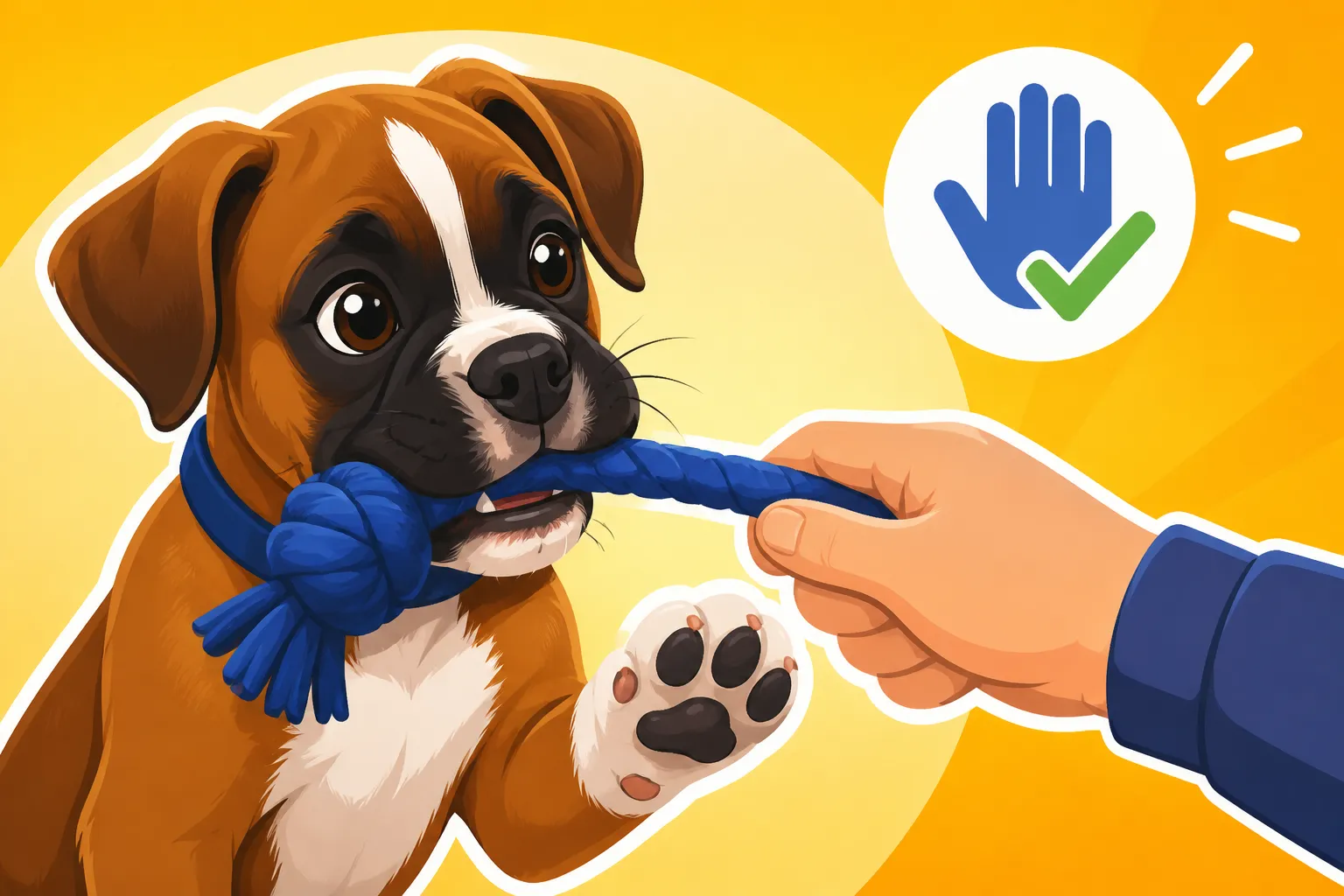
Teaching a Boxer Puppy to Soften Its Grip
It's incredibly frustrating, and let's be honest, often quite painful, when your adorable Boxer puppy seems to think your hands and ankles are the best chew toys in the house. Those sharp puppy teeth can really hurt, and you might worry if this seemingly playful behavior will escalate or never stop. This comprehensive guide is here to walk you through exactly why your Boxer puppy is mouthing so much and, more importantly, how you can gently and effectively teach them to soften their grip and redirect that instinct onto appropriate objects, ensuring a happier and less toothy future for both of you.
Understanding Why Your Boxer Puppy Mouths
Before we dive into solutions, it's crucial to understand that your Boxer puppy isn't trying to be mean. This mouthing, or "play biting," is a completely normal and instinctual part of puppy development. For a high-energy, intelligent breed like the Boxer, understanding these underlying reasons can make training much more effective and less frustrating.
Instinctual Behavior and Social Learning
In a litter, puppies learn bite inhibition from their mother and siblings. When one puppy bites too hard, the bitten puppy will yelp, and the play will stop. This immediate consequence teaches them that a hard bite means the fun ends. Without this natural feedback, puppies don't learn the limits of their jaw pressure. When they come into our homes, we become their new playmates, and it's our job to continue this crucial social education. Your Boxer puppy is essentially trying to communicate and engage with you in the only way they know how, using their mouth to explore and interact. It’s part of how they test boundaries and learn about the world around them.
Puppy Teething and Exploration
Just like human babies, Boxer puppies go through a significant teething phase. From around three weeks to six months of age, their deciduous (baby) teeth emerge, fall out, and are replaced by adult teeth. This process can be uncomfortable, and chewing helps to relieve the pressure and soothe their gums. Your hands, fingers, and anything within reach become prime targets for this natural urge to chew. Beyond teething, puppies explore their environment with their mouths. It's how they gather information about textures, shapes, and the properties of objects. Allowing them to use their mouths constructively on appropriate items is key, rather than simply trying to suppress the behavior entirely.
Energy Outlet and Seeking Attention
Boxers are renowned for their boundless energy and playful nature, often acting like puppies well into their "teenage" years, sometimes until they are three years old! Boxer Puppyhood That Lasts Three Years If your Boxer puppy isn't getting enough mental and physical stimulation, that pent-up energy has to go somewhere, and mouthing can become an easy outlet. They might also learn that biting gets a reaction from you, even if it's a negative one. For a bored or under-stimulated puppy, any attention is better than no attention. This can quickly become a self-reinforcing cycle, where the puppy mouths, you react (even by pulling your hand away and saying "no!"), and they've successfully engaged you.
Gentle Guidance: The Core Principles of Bite Inhibition
Teaching your Boxer puppy to soften its grip is all about consistency, positive reinforcement, and clear communication. It's a process, not an overnight fix, and it requires patience. Remember, your goal isn't to stop them from using their mouth entirely, but to teach them how to use it gently.
Consistency is Key Across All Interactions
One of the biggest hurdles many owners face is inconsistency. If one family member allows a puppy to mouth their hands, but another immediately corrects it, the puppy receives mixed signals. It's confusing for them and hinders their learning. Every person who interacts with your Boxer puppy needs to be on the same page regarding rules and reactions to mouthing. This means discussing the training plan with everyone in the household – adults and children alike – and ensuring everyone applies the same methods every single time. A single lapse can set your puppy's progress back significantly. Think of it as creating a universal language for your puppy to understand.
Avoiding Punishment and Negative Reinforcement
It's tempting to react to a painful bite with a sharp "no!" or even a tap on the nose. However, Boxers are sensitive dogs, and harsh punishment can backfire dramatically. It can make your puppy fearful, erode trust, or even cause them to bite harder in the future because they learn that humans are unpredictable or scary. In some cases, punishment can suppress the biting without teaching bite inhibition, meaning they might bite without warning later on, which is far more dangerous. The goal is to teach them what to do, not just what not to do. Focus on redirecting and rewarding desirable behavior, rather than punishing undesirable behavior.
Positive Reinforcement and Rewarding Calmness
Positive reinforcement is your most powerful tool. This means rewarding your puppy when they exhibit a soft mouth or when they choose an appropriate chew toy over your hands. When they lick instead of bite, or gently mouth with very little pressure, offer praise and a treat. If you're playing and they offer a gentle mouth, immediately reward them and continue playing. This helps them associate gentleness with positive outcomes and continued fun. Pay attention to those brief moments of calmness or appropriate chewing and seize the opportunity to reinforce them. It builds a positive association with good behavior.
Practical Steps to Teach a Soft Mouth
Now that we understand the 'why' and the 'how', let's get into the actionable steps you can take to teach your Boxer puppy to soften its grip. These techniques are tried and true, focusing on mimicking the natural learning process puppies experience in a litter.
The "Yelp and Withdraw" Method
This is perhaps the most effective method for teaching bite inhibition, as it replicates how puppies learn from their littermates. When your Boxer puppy bites you too hard during play, let out a high-pitched yelp, much like a puppy would. Simultaneously, immediately withdraw your hand or body part from their mouth and completely stop playing. Turn your back, cross your arms, and ignore them for about 10-15 seconds. If they calm down, you can re-engage gently. If they continue to bite hard, get up and leave the room for 30-60 seconds, effectively ending the interaction. The key is to consistently teach them that a hard bite equals the immediate cessation of all fun. Your puppy needs to learn that their jaw pressure directly controls whether play continues or stops. This teaches them to modulate their force.
Redirection with Appropriate Chews
Boxer puppies need to chew. It's a fundamental part of their development. Your job is to provide plenty of appropriate, safe, and engaging chew toys. When your puppy starts to mouth your hands or clothes, immediately offer a suitable chew toy instead. Praise them enthusiastically when they take the toy in their mouth. Rotate toys to keep them interesting and exciting. Look for durable chew toys made from rubber or tough nylon, especially for powerful Boxer jaws. Brands like Kong, Nylabone, and Benebone offer a good range of options that can stand up to enthusiastic chewing. You can find a vast selection on Amazon, often with reviews from other Boxer owners. Providing a variety of textures and shapes can also keep them engaged. Remember, a bored Boxer is a destructive Boxer! Chews That Redirect a Mouthy Boxer
Here's a quick comparison of popular chew types:
| Chew Toy Type | Benefits | Best For | Considerations |
|---|---|---|---|
| Rubber Toys | Durable, often stuffable, good for teething | Moderate to heavy chewers, mental enrichment | Can be expensive, check for appropriate size |
| Nylon Bones | Very long-lasting, satisfying texture | Heavy chewers, dental health | Can be very hard, supervise to prevent tooth damage |
| Rope Toys | Interactive play, some dental cleaning | Mild to moderate chewers, fetch & tug | Can fray and be ingested, supervise closely |
| Bully Sticks | Edible, highly palatable, digestible | All chewers, short-term distraction | Can be expensive, higher calorie |
Teaching "Leave It" and "Drop It"
These commands are invaluable for managing a mouthy puppy and promoting impulse control. "Leave It" teaches your puppy to ignore an object, and "Drop It" teaches them to release something they already have in their mouth. Start teaching "Leave It" by placing a low-value treat on the floor and covering it with your hand. When your puppy loses interest or looks at you, say "Yes!" and reward them with a different, higher-value treat. Gradually increase the temptation and duration. For "Drop It," offer a desirable toy. When they have it, present an even higher-value treat. As they open their mouth to take the treat, say "Drop It" and then give them the treat. Once they drop the toy, you can sometimes give the toy back as well, teaching them that dropping doesn't mean losing it forever. These commands are crucial not just for bite inhibition but for overall safety and good manners. Teaching a Boxer to Drop It
When to Seek Professional Help and What Else Can Assist
Sometimes, despite your best efforts, your Boxer puppy's mouthing behavior feels overwhelming or escalates. Knowing when to call in the cavalry can make all the difference, and there are excellent resources available to support you.
Persistent Hard Biting or Aggression Concerns
If your Boxer puppy's bites are consistently hard, breaking the skin, or seem to be accompanied by growling, snarling, or a stiff body posture, it's time to seek professional help. While mouthing is normal, aggression is not, and early intervention is critical. These behaviors could indicate underlying fear, anxiety, or a lack of appropriate socialization. A certified professional dog trainer or a veterinary behaviorist can assess the situation, identify triggers, and develop a tailored behavior modification plan. Don't wait hoping it will get better on its own; proactive intervention is always best. Boxer Puppy Biting That Does Not Stop
Utilizing Training Resources and Online Programs
Even if your puppy's mouthing isn't aggressive, sometimes you just need an experienced guide. Online training programs can be incredibly helpful, offering structured lessons, video demonstrations, and sometimes even direct access to trainers. For example, BAXTER & Bella offers an online puppy training program that covers everything from bite inhibition to house training and basic obedience, all from the comfort of your home. These resources can provide the detailed, step-by-step guidance you need, ensuring you're implementing techniques correctly and consistently. They can also offer troubleshooting tips for common challenges.
Environmental Enrichment and Consistent Exercise
Remember that Boxers are intelligent, high-energy dogs. A well-exercised and mentally stimulated Boxer is less likely to engage in unwanted behaviors like excessive mouthing. Ensure your puppy gets appropriate physical exercise for their age, splitting it into several short sessions to avoid over-exertion. Mental stimulation is just as important! Puzzle toys, sniff walks, and short training sessions throughout the day can tire their brains, leading to a calmer, happier puppy. Boxer Exercise Needs and the Heat That Limits Them A bored Boxer will find its own (often undesirable) entertainment. By proactively meeting their needs, you reduce the likelihood of attention-seeking mouthing behaviors.
Teaching your Boxer puppy to soften its grip is an investment of time and patience, but it's one that pays off immensely in a well-behaved, gentle adult dog. Stay consistent, stay positive, and celebrate every small victory!
Disclaimer
This article is for general informational purposes only and does not constitute professional advice. Laws, prices and regulations vary by location and change over time. Consult a qualified professional for guidance on your specific situation.