Whether a Boxer Grows Out of Mouthing
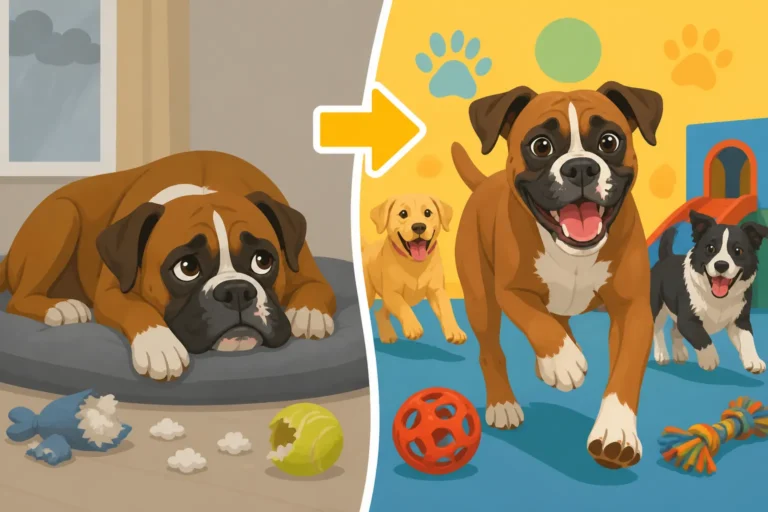
Oh, the Boxer mouthing stage! It’s a rite of passage for every Boxer owner, and let me tell you, it can feel like it lasts forever, leaving you wondering if your sweet, goofy companion will ever learn to keep their teeth to themselves. Many of us grapple with this, hoping against hope that one day our Boxer will simply "grow out of it." This guide is here to shed some realistic light on Boxer mouthing, why it happens, and more importantly, how you can shape that behavior into something manageable, rather than just waiting it out.
The Early Days: Why Boxer Puppies Mouth Everything
Let's face it, Boxer puppies are adorable, but they also have mouths like tiny, furry piranhas. This isn't because they're being naughty, but rather because it's a completely normal, instinctual part of their development. Understanding why they do it is the first step in addressing it effectively.
Teething and Exploration: The World Through Their Mouths
Just like human babies, Boxer puppies explore the world primarily with their mouths. Everything new, interesting, or just within reach goes straight into their jaws for a good chew. This is how they gather information about textures, shapes, and the general properties of objects around them. Your hands, your furniture, your slippers – it's all fair game for investigation.
Beyond pure exploration, puppies also experience significant discomfort as their baby teeth fall out and their permanent teeth erupt. This teething process can be quite painful, and chewing helps to alleviate the pressure and irritation in their gums. They'll gnaw on anything that provides relief, and unfortunately, sometimes that's your fingers or the corner of your coffee table. It's not malicious, it's just their way of self-soothing. If you're struggling with little shark teeth, you might find some solidarity in Boxer Puppy Teeth on Hands and Clothes.
Learning Bite Inhibition: The Foundation of Good Manners
Perhaps the most crucial reason puppies mouth is to learn bite inhibition. In a litter, puppies constantly play-bite each other. When one puppy bites another too hard, the bitten puppy will yelp, stop playing, and disengage. This teaches the offender a valuable lesson: "If I bite too hard, the fun stops." Their mother also plays a vital role, correcting overly enthusiastic biters with a growl or a firm nip of her own.
When your Boxer puppy comes home, it's your job to continue this education. If they never learn how much pressure is too much, they'll never develop a "soft mouth." This isn't just about comfort for you; it's a safety skill. Even if an adult Boxer never intends to harm, an accidental hard bite could cause injury. Teaching them to control the force of their jaws is paramount. Many owners feel frustrated when their puppy seems to bite harder when told "no," and that's a common experience, which we touch upon in A Boxer Puppy That Bites Harder When Told No.
Beyond Puppyhood: When Mouthing Persists
While much of the intense, indiscriminate puppy mouthing should subside as they mature and their adult teeth come in, some Boxers will continue to be mouthy. This can be frustrating, especially when you were hoping they'd simply "grow out of it." The truth is, without consistent guidance, mouthing behaviors can become ingrained habits.
The Adolescent Boxer: Still Acting Like a Puppy
Boxers are famously slow to mature, often acting like rambunctious puppies well into their second or even third year. This extended adolescence means that behaviors you hoped would disappear by six months might still be present at two years old. If your Boxer wasn't adequately taught bite inhibition and redirection during puppyhood, they might continue to mouth out of habit, excitement, or even as a way to seek attention.
An adolescent Boxer might mouth when they're overstimulated, overly excited, or simply bored and looking for something to do with their powerful jaws. This isn't necessarily aggression, but it can be unwelcome and even painful from a dog that now weighs 60-70 pounds. It's a prime example of why early, consistent training is so vital; what's cute in a 15-pound puppy becomes a real issue in a full-grown dog. This extended "puppyhood" can sometimes make owners feel like their Boxer will never settle down, a topic often explored in Why a Boxer Acts Like a Puppy Until Three.
Play Mouthing Versus True Aggression
It's important to distinguish between typical Boxer play mouthing and actual aggression. Boxers are known for their playful "boxing" behavior, using their front paws and mouths in a very characteristic way during play. This is usually accompanied by loose, wiggly body language, a happy demeanor, and no tension in their body or face. They might gently take your hand in their mouth during a game or "box" your arm playfully. This is part of their charm and natural Why a Boxer Boxes With Its Front Paws.
True aggression, on the other hand, involves a different set of signals: stiff body language, growling, snarling, raised hackles, a hard stare, or an intent to cause harm. Most Boxer mouthing is purely playful and lacks any aggressive intent. However, even play mouthing can cross a line if it's too hard or constant, which is why it's crucial to teach appropriate boundaries. Understanding your Boxer's body language during play is key, especially when they're interacting with other dogs, as discussed in Boxer Play Style With Other Dogs.
| Behavior Characteristic | Puppy Mouthing (Typical) | Adolescent/Adult Mouthing (Problematic) |
|---|---|---|
| Primary Motivation | Teething, exploration, bite inhibition learning | Excitement, attention-seeking, habit, boredom |
| Bite Force | Often uncontrolled, but easily corrected | Can be hard if not inhibited, sometimes gentle |
| Body Language | Loose, wiggly, playful, soft eyes | Can still be playful, but might be more demanding or frantic |
| Common Triggers | Play, petting, hunger, discomfort | Greetings, overstimulation, demand for attention, frustration |
| Impact on Owners | Annoying, uncomfortable, minor scratches | Painful, can cause bruising, perceived as rude or uncontrolled |
| Resolution | Redirection, yelp/disengage, consistent training | Consistent training, managing arousal, structured play, appropriate outlets |
Strategies to Curb Mouthing in Your Boxer
Waiting for your Boxer to "grow out of it" without intervention is likely to leave you with a perpetually mouthy dog. The good news is that with consistent effort and the right approach, you can significantly reduce and manage this behavior at any age. It's about teaching them what to do instead of mouthing.
Redirection and Appropriate Chews
The most effective way to manage mouthing is to redirect your Boxer's attention to something acceptable to chew. This requires consistency. The moment their teeth touch your skin or an inappropriate object, immediately remove your hand/object and offer a designated chew toy. This teaches them, "Hands aren't for biting, but this toy is!" Ensure you have plenty of durable, enticing chew toys readily available around the house.
For a powerful chewer like a Boxer, you'll need toys that can withstand their strong jaws. Look for solid rubber toys, Nylabones, or puzzle toys that dispense treats. You can find a fantastic array of tough, Boxer-friendly chews on platforms like Amazon. Rotate toys to keep them interesting, and consider freezing some for extra relief for teething puppies. For more ideas on durable options, take a look at Chews That Redirect a Mouthy Boxer or Toys a Boxer Cannot Destroy in a Day. The key is to make the appropriate chewing option more rewarding and accessible than chewing on you or your belongings.
Teaching "Off" and "Leave It"
Two incredibly valuable commands for a mouthy Boxer are "Off" and "Leave It." These cues give you direct control over what your dog interacts with and can be instrumental in preventing unwanted mouthing.
- "Off": This command is for when your Boxer is already mouthing something inappropriate (your hand, a piece of furniture). When they mouth, firmly say "Off" and immediately offer an appropriate chew toy. As soon as they take the toy, praise them enthusiastically. If they don't disengage from your hand, stand up and calmly walk away for a few seconds before returning and trying again.
- "Leave It": This is a preventative command, used when your Boxer is about to mouth something inappropriate. Hold a treat in your closed fist. When your Boxer tries to nose or mouth your hand, say "Leave It." Wait until they pull their head back or look away, then immediately open your hand and reward them with the treat (or a different, high-value treat). Gradually increase the difficulty, placing tempting items on the floor, always rewarding for looking away from the item when you say "Leave It."
These commands, practiced regularly and patiently, empower you to communicate clear boundaries. Consistency is paramount; everyone in the household needs to use the same cues and expectations. Online training resources, such as those provided by BAXTER & Bella, often have excellent step-by-step guides for teaching these foundational commands, offering support and structure for owners.
Managing Excitement and Over-Stimulation
Boxers are notoriously enthusiastic, and their mouthing often flares up when they get overly excited or stimulated. Think about greetings when you come home, or high-energy play sessions that spiral out of control. Learning to manage these situations can significantly reduce mouthing.
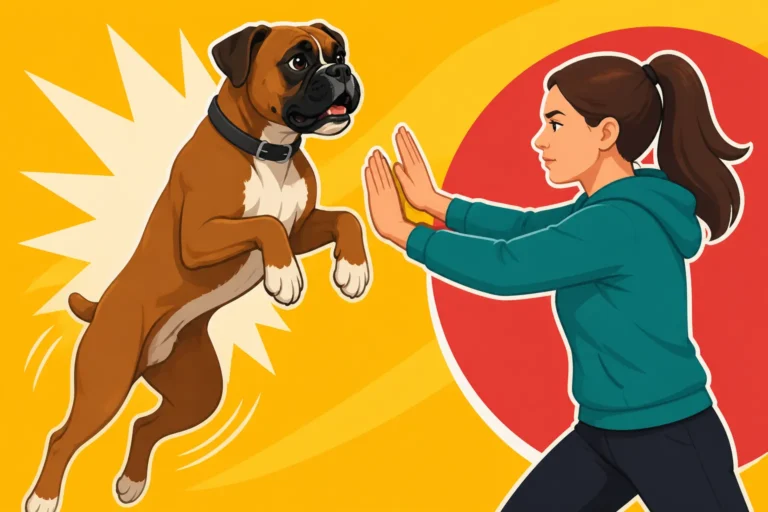
Instead of letting your Boxer jump and mouth all over you when you arrive home, practice calm greetings. Ask them to sit before you give them attention, or ignore them until they've settled down. Keep your tone of voice calm and movements slow. During play, monitor your Boxer's arousal levels. If they start getting too "amped up" and mouthing intensifies, call for a brief time-out. Stop play, ask for a sit or a down, and wait for them to calm down before resuming. This teaches them that calm behavior earns continued fun. For more on calm greetings, check out Greeting Manners for an Excited Boxer. Remember, a tired Boxer is often a less mouthy Boxer, so ensure they're getting sufficient mental and physical exercise, but always mindful of overheating.
The Lifelong Reality of the Boxer's Mouthiness
So, will your Boxer truly "grow out of mouthing?" The honest, realistic answer is: probably not entirely. Boxers are, by nature, a mouthy breed. Their genetics and playful disposition mean that some level of gentle mouthing, especially during play or excited greetings, is likely to remain part of their personality.
Some Mouthing May Always Remain (But It's Manageable)
The goal isn't necessarily to eliminate all mouthing, but rather to ensure that any mouthing that occurs is gentle, controlled, and appropriate. A Boxer that takes your hand gently in their mouth during a game of fetch, or gives a soft, muzzle-only "kiss" in excitement, is a very different scenario from one that clamps down painfully. What you're aiming for is excellent bite inhibition and the understanding that human skin is sensitive.
With consistent training, your Boxer should develop a soft mouth, meaning they understand exactly how much pressure they can apply without causing pain. Even if they continue to "test" the boundaries occasionally, your ongoing training and redirection will reinforce those lessons. It becomes about managing an inherent breed trait rather than eradicating it completely. This is why some owners will tell you the puppy stage never truly ends, a sentiment captured well in Why Boxer Owners Say the Puppy Stage Never Ends.
The Role of Consistent Training
This brings us to the most crucial point: consistent training is not a one-time event; it's a lifelong commitment. Just because your Boxer is an adult doesn't mean the lessons stop. Reinforcing good behavior, practicing commands, and immediately redirecting any unwanted mouthing are ongoing tasks for responsible Boxer owners. This continuous effort ensures that your Boxer remains a well-mannered member of the family, even if they occasionally forget themselves in a moment of exuberance.
If you have an older Boxer who still struggles with mouthing, don't despair! It's absolutely possible to teach an old dog new tricks, or in this case, reinforce forgotten manners. Resources like Whether an Adult Boxer Can Be Retrained offer hope and practical steps for retraining mature Boxers. Online programs, such as those from BAXTER & Bella, can be invaluable for providing structured training plans, support from professional trainers, and community insights, no matter your dog's age. Remember, patience, persistence, and positive reinforcement are your best tools in shaping your Boxer's mouthy tendencies into something you can both live with happily.
Disclaimer
This article is for general informational purposes only and does not constitute professional advice. Laws, prices and regulations vary by location and change over time. Consult a qualified professional for guidance on your specific situation.