Keeping a Short-Coated Boxer Warm in Winter
That crisp bite in the air might feel invigorating to some, but for us Boxer owners, it often brings a unique concern: how do we keep our beloved short-coated companions warm and comfortable when winter arrives? Unlike many breeds, Boxers aren't built for cold weather, and seeing them shiver or hesitate to go outside can be a real worry. This guide will walk you through everything you need to know to ensure your Boxer stays snug and happy through the chilliest months, from understanding their unique needs to practical tips for warmth, both indoors and out.
Why Your Boxer Feels the Cold So Much
It's a common misconception that all dogs are naturally equipped for cold weather. While some breeds thrive in snow, our Boxers are definitely not among them. Their physical characteristics, which make them so distinctive and appealing, also make them particularly vulnerable to low temperatures. Understanding these reasons is the first step in providing them with the best winter care.
The Boxer's Single Coat: A Lack of Insulation
One of the primary reasons your Boxer gets chilly so quickly is their coat. Boxers possess a short, smooth, single coat, meaning they lack the dense undercoat that acts as a natural insulator for many other breeds. Think of it like wearing a t-shirt in winter versus a thick wool sweater. That single layer of fur offers very little protection against cold air, wind, or moisture. Without that insulating barrier, heat escapes rapidly from their bodies, making them feel the cold much more intensely than, say, a Siberian Husky or a Newfoundland.
When you run your hand over your Boxer's coat, you can feel how fine and close-lying it is. This is fantastic for shedding heat in warmer climates, which is where the breed originated, but it's a significant disadvantage when the mercury drops. You'll likely notice your Boxer shivering even when you feel perfectly comfortable, especially if they're standing still outside or lying on a cool floor. This natural lack of a thick, protective coat is just a part of their breed make-up. It’s why you might find yourself reaching for a jacket for your Boxer long before you even consider one for yourself. They truly do feel the cold, and it’s not just them being dramatic! You can learn more about how they feel temperature in The Degrees at Which a Boxer Struggles.
Low Body Fat and Lean Musculature
Beyond their thin coat, Boxers are naturally lean and muscular dogs, typically carrying less body fat compared to some other breeds. While this contributes to their athletic and powerful appearance, it also means they have less natural insulation to rely on during cold weather. Fat acts as an extra layer of warmth, and a Boxer's streamlined physique, while beautiful, doesn't provide this benefit.
A Boxer's metabolism also plays a role. While they are active dogs, when they're not moving, their core body temperature can drop more quickly without that fatty layer to help retain heat. This is especially true for senior Boxers or those with certain health conditions, who might have even less muscle mass or a slower metabolism. A healthy, well-fed Boxer might generate enough heat through activity, but as soon as they stop, the cold can set in rapidly. This is why you often see them trying to burrow under blankets or cuddle tightly against you for warmth.
Brachycephalic Challenges and Winter Air
While not directly about their coat, a Boxer's brachycephalic (short-nosed) facial structure can also influence their overall comfort and health during winter. While the primary concern with brachycephalic breeds is usually overheating, the structure of their airways can also make breathing in very cold, dry air more challenging or irritating. The nasal passages don't do as much work to warm and humidify the air before it reaches their lungs.
This isn't to say they can't breathe in winter, but for some Boxers, especially those with more pronounced brachycephaly, extremely cold or dry air can sometimes exacerbate respiratory issues or simply make breathing less comfortable. This might make them more reluctant to spend extended periods outdoors, even if they're otherwise well-protected. It's an important consideration, especially during heavy frosts or dry, windy days when the air can feel harsh. This also explains why they might struggle with overheating in summer, as detailed in How Fast a Flat-Faced Boxer Overheats.
Practical Ways to Keep Your Boxer Warm Outdoors
When winter genuinely sets in, getting your Boxer outdoors for exercise and potty breaks becomes a careful balancing act. You don't want them to suffer, but they still need to go out! The good news is there are plenty of practical measures you can take to make their outdoor experiences safer and more comfortable.
Choosing the Right Winter Wear: Coats, Sweaters, and Jumpsuits
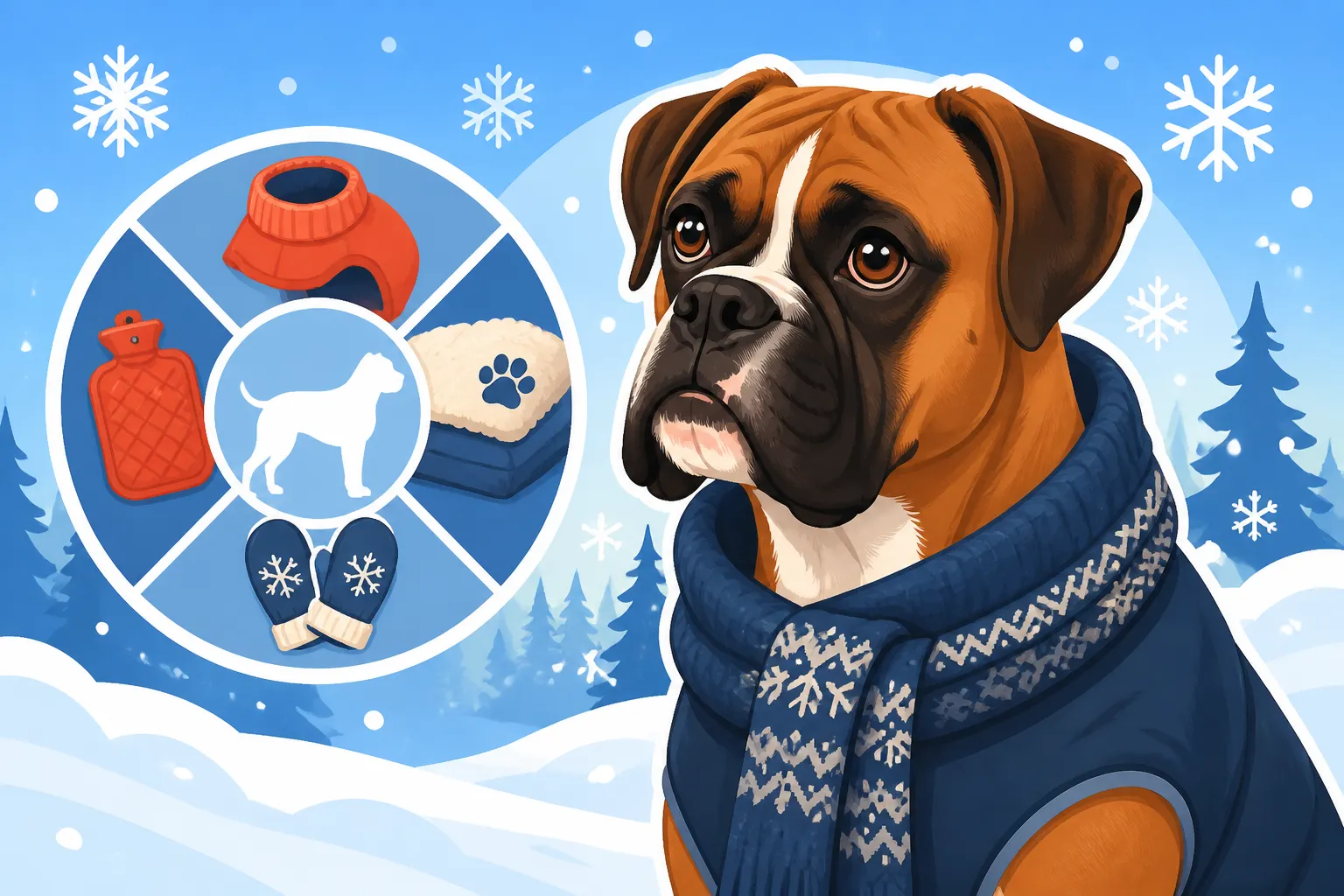
This is perhaps the most obvious, yet crucial, step. A good dog coat or sweater is not a fashion statement for a Boxer in winter; it’s a necessity. But not all dog clothes are created equal, and choosing the right one depends on your local climate and your Boxer's activity level.
For mild, dry, chilly days, a simple fleece sweater can provide that much-needed extra layer of insulation. It’s breathable and allows for good range of motion, perfect for a quick walk around the block or playing in a cool yard. However, fleece isn't waterproof, so it won't do much good in rain or wet snow.
When the weather turns truly nasty – think freezing rain, heavy snow, or biting wind – you'll need something more substantial. Look for insulated, waterproof coats that cover a good portion of your Boxer's back and belly. Many coats are designed with durable outer shells and warm fleece or synthetic linings. Some brands even offer full-body "jumpsuit" style coats that cover the legs, which can be fantastic for protecting against deep snow and keeping your Boxer's muscles warm during longer outdoor adventures. You'll find a wide array of options on platforms like Chewy or Amazon, allowing you to compare features and read reviews from other Boxer owners. Just make sure whatever you choose fits well – not too tight to restrict movement, but snug enough to prevent cold air from seeping in. Remember to check out Coats and Sweaters for a Boxer for more specific recommendations.
Protecting Paws from Ice, Snow, and Salt
Your Boxer's paws are incredibly vulnerable during winter. Ice can accumulate between their paw pads, causing painful cracks or frostbite. Snow can ball up, making walking uncomfortable. Even worse, road salt and de-icers can be extremely irritating and even toxic if ingested when your Boxer licks their paws after a walk.
Dog boots are an excellent solution. While they might take some getting used to (and a bit of comical initial walking!), they provide a protective barrier against these hazards. Look for boots that are waterproof, insulated, and have a good grip to prevent slips on icy surfaces. Ensuring they fit securely is key; you don't want them falling off mid-walk.
If boots aren't an option or your Boxer simply won't tolerate them, a paw balm or wax applied before walks can offer some protection. These products create a barrier that helps shield pads from the elements and chemical irritants. After every walk, make it a habit to thoroughly clean your Boxer's paws with warm water to remove any salt, ice, or de-icers. This simple step can prevent irritation and potential ingestion of harmful substances.
Adjusting Outdoor Exercise and Playtime
Even with the best winter gear, it's vital to adjust your Boxer's outdoor routine when temperatures plummet. Extended exposure to severe cold can still be dangerous, leading to hypothermia or frostbite, especially on unprotected areas like ears and paws.
On very cold days, consider shortening walks and increasing the pace to keep their blood flowing and muscles warm. If you typically spend an hour at the dog park, perhaps opt for two shorter, brisk walks instead. For potty breaks, make them quick and to the point. Monitor your Boxer for signs of cold, such as shivering, hunching, whining, or lifting paws. If you see any of these, it's time to head inside immediately.
Remember, your Boxer still needs to burn off that energy! So, if outdoor time is limited due to the cold, be prepared with plenty of indoor enrichment. Puzzle toys, interactive games, or even a vigorous game of fetch in a long hallway can help keep their minds and bodies active. This is similar to how we manage them during hot summer days, when we need Indoor Exercise for a Boxer in a Heatwave.
Here's a quick guide to winter gear options:
| Gear Type | Best Use Case | Key Features | Considerations |
|---|---|---|---|
| Sweaters/Fleece | Mild cold, indoor warmth, layering | Soft, breathable, easy to move in | Not waterproof, less wind protection, can get dirty easily |
| Light Coats | Moderate cold, dry conditions, quick trips | Water-resistant, some insulation, good range of motion | May not be enough for extreme cold, not fully waterproof |
| Heavy/Padded Coats | Severe cold, snow, extended outdoor time | Waterproof, insulated, full body coverage (some) | Can be bulky, may restrict movement slightly, needs proper fit |
| Dog Jumpsuits | Extreme cold, deep snow, full body protection | Full coverage including legs, insulated, often waterproof | Can be restrictive for some dogs, fitting can be tricky |
| Dog Boots | Ice, snow, salt, harsh terrain | Waterproof, insulated, durable sole, secure straps | Takes training to get used to, fit is crucial, can be lost easily |
Creating a Cozy Indoor Environment for Your Boxer
While outdoor adventures are still important, the reality is that much of your Boxer's winter will be spent indoors. Making your home a haven of warmth and comfort for them is essential. This means thinking about their sleeping areas, their favorite lounging spots, and even the general temperature of your living space.
Warm and Insulated Sleeping Spots
Your Boxer spends a significant portion of their life sleeping, and in winter, their bed needs to be more than just a place to lie down; it needs to be a source of warmth. Ditch any thin, unpadded beds for the season and invest in an orthopedic or deeply cushioned bed. These offer better insulation from cold floors, especially if you have tile or hardwood. Memory foam beds are excellent choices as they provide both support and a barrier against the cold.
Consider an elevated dog bed. These lift your Boxer off the cold floor, preventing drafts and radiating cold from below. You can then pile it high with soft, warm blankets. Many Boxers love to burrow, so having extra blankets that they can nest into will be a huge hit. Old fleece throws or dedicated dog blankets work perfectly. You might even consider a dog sleeping bag for those particularly burrow-loving Boxers, providing an enclosed, warm space. For an older Boxer, this can make a huge difference to their comfort, helping with joint pain that can worsen in the cold, as discussed in Bedding for an Old Boxer's Joints.
Managing Household Temperatures and Drafts
We all try to save a little on heating bills, but for your Boxer, a consistently warm house is vital. While you might be comfortable at 68-70°F (20-21°C), your Boxer, with their short coat, might prefer it a few degrees warmer. Pay attention to their behavior: if they're constantly seeking out sunbeams, burrowing into blankets, or huddling against you, it's a sign they're feeling cold.
Walk around your home and identify any drafty areas. Windows and doors are common culprits. Use draft stoppers or weather stripping to seal gaps. Position your Boxer’s bed away from direct drafts, like near an exterior door or a poorly insulated window. Some Boxers love to lie near a heat vent, but be cautious of placing beds directly over a vent where it might get too hot.
For extra warmth, especially if your Boxer has a favorite spot that tends to be cooler, consider a dog-safe heating pad or a self-warming pet mat. These are often filled with reflective materials that use your dog's own body heat to create warmth. Always ensure any electric heating pad is specifically designed for pets and has safety features like automatic shut-off to prevent overheating or burns. Never use a human heating pad, as these can get too hot and lack the necessary safety protocols for pets.
Providing Indoor Enrichment When Outdoor Time is Limited
Winter often means less time for long walks or vigorous play outdoors. This doesn't mean your Boxer's mental and physical needs should be neglected. A bored Boxer can quickly become a destructive one.
Rotate their toy collection to keep things fresh and exciting. Invest in a variety of puzzle toys that dispense treats, engaging their minds and providing mental stimulation. Snuffle mats are another fantastic option for Boxers, allowing them to use their strong sense of smell to forage for kibble or treats. Interactive games like "hide and seek" with toys or treats can also be a great way to burn energy and bond with your dog indoors. Even practicing obedience commands in short, enthusiastic bursts can be a good workout.
Consider enrolling in an indoor dog sport or training class, if available in your area. Agility, obedience, or even canine nose work classes can provide an excellent outlet for their energy and intelligence when outdoor conditions are less than ideal. Your Boxer thrives on interaction and purpose, so maintaining a stimulating indoor environment is key to their well-being during the winter months.
Nutrition and Hydration Considerations for Winter
While comfort and warmth are paramount, don't overlook the role of proper nutrition and hydration in helping your Boxer cope with the colder months. A well-nourished Boxer is better equipped to maintain their body temperature and support a healthy immune system.
Adjusting Calorie Intake for Energy and Warmth
It might seem logical to increase your Boxer's food intake during winter, especially if they are spending more time outdoors in the cold. However, this isn't always necessary for every dog and can lead to unwanted weight gain if not managed carefully. Your Boxer's activity level is the most important factor. If their outdoor exercise is reduced due to bad weather, their calorie needs might actually decrease, or stay the same.
On the other hand, if your Boxer is still highly active, perhaps engaging in vigorous play in the snow, or if they struggle to maintain their weight in the cold, a slight increase in calorie-dense food might be beneficial. Consult your veterinarian to determine if an adjustment is appropriate for your individual Boxer, taking into account their age, activity level, and current body condition. The goal is to ensure they have enough fuel to generate body heat and maintain their ideal weight without becoming overweight, which can lead to other health issues. Remember the importance of Feeding a Boxer Twice a Day and monitoring their physique by Reading a Boxer's Ribs and Waist.
For a Boxer with specific dietary needs, such as those prone to colitis, sticking to their prescribed diet is crucial year-round. However, if you're looking for nutritious, fresh options, brands like Ollie offer customized meal plans that can provide excellent nutrition for a healthy Boxer.
Maintaining Optimal Hydration
Even though the weather is cold and your Boxer might seem less thirsty, staying adequately hydrated is just as important in winter as it is in summer. Dry indoor air from heating systems can be dehydrating, and dogs can still lose moisture through respiration.
Ensure your Boxer always has access to fresh, clean water. If your Boxer spends any time outdoors, particularly if you have an outdoor water bowl, make sure it doesn't freeze. Heated water bowls are an excellent solution for keeping water accessible and palatable in freezing temperatures. Regularly check and refill indoor water bowls, and consider having multiple water sources around the house to encourage drinking. Proper hydration supports all bodily functions, including circulation and metabolism, which are crucial for maintaining body temperature and overall health during winter.
Supporting Skin and Coat Health
The dry air of winter, both indoors and out, can be harsh on your Boxer's skin and coat. You might notice their skin becoming drier, flakier, or their coat losing some of its shine.
Adding a high-quality omega-3 fatty acid supplement, such as fish oil, to their diet can be incredibly beneficial. Omega-3s support skin barrier function, helping to lock in moisture and reduce dryness and itchiness. They also contribute to a healthy, lustrous coat. This is a general benefit for Boxers, not just in winter, as detailed in Fish Oil for a Boxer's Skin and Heart. Again, always consult your vet before adding any new supplements to your Boxer's regimen.
Beyond diet, regular but not excessive bathing with a moisturizing dog shampoo can help. Avoid harsh shampoos that strip natural oils. If your Boxer's skin seems particularly dry, consider a humidifier in the rooms where they spend the most time, especially where they sleep. This can add moisture back into the air, benefiting both their skin and respiratory system. Weekly Checking a Boxer for Lumps Every Week is important year-round, but paying extra attention to skin health in winter can catch issues exacerbated by dry conditions.
Conclusion
Winter might present its challenges for us Boxer owners, but with a bit of foresight and preparation, your short-coated companion can remain perfectly comfortable, warm, and happy. From choosing the right outerwear and protecting their paws outdoors, to creating a snug indoor retreat and paying attention to their nutritional needs, every step you take contributes to their well-being. Remember, your Boxer relies on you to be their personal thermostat, so watch their cues, provide the warmth they need, and enjoy those cozy winter snuggles!
Disclaimer
This article is for general informational purposes only and does not constitute professional advice. Laws, prices and regulations vary by location and change over time. Consult a qualified professional for guidance on your specific situation.