Feeding a Boxer With Colitis
If you're a Boxer owner, few things are quite as gut-wrenching as watching your beloved companion struggle with colitis. That awful sight of bloody mucus in their stool, the frantic straining, the sudden urgency – it's enough to send any dog parent into a spiral of worry and frustration. It's a common, often chronic, battle for our Boxers, and navigating it can feel overwhelming. This guide is here to unravel the complexities of feeding a Boxer with colitis, offering a comprehensive look at dietary strategies, management techniques, and how to bring comfort back to your furry family member.
Understanding Boxer Colitis: The Gut Wrenching Reality
Dealing with colitis in your Boxer can be incredibly distressing. You love your dog fiercely, and seeing them in discomfort, or cleaning up messy, bloody stools, is heartbreaking. It's a condition that demands patience, attention, and a deep dive into what goes into their bowl.
What Exactly is Colitis and Why Boxers?
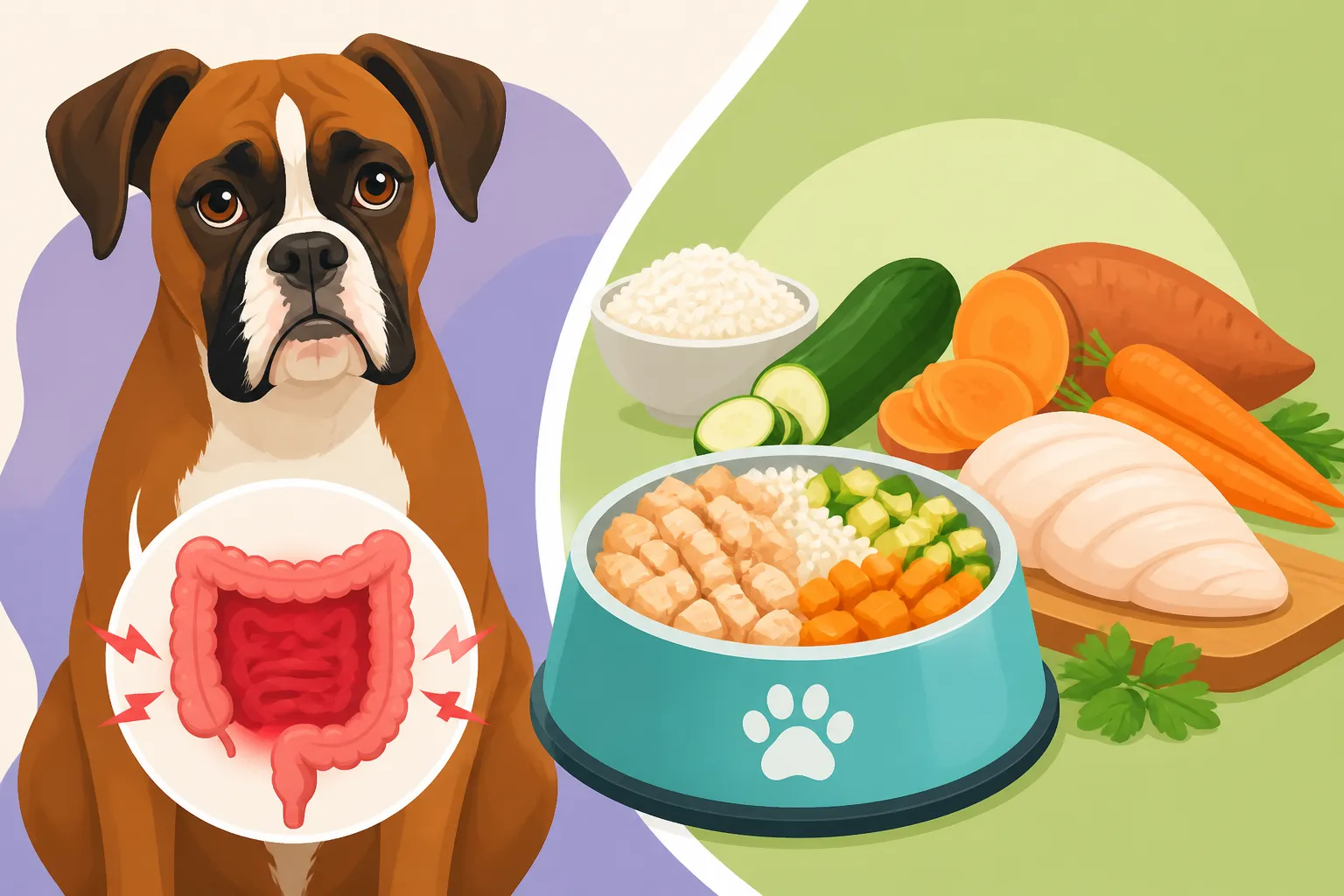
At its heart, colitis is simply inflammation of the colon, which is the large intestine. When the colon becomes inflamed, it doesn't function correctly, leading to all those unpleasant symptoms you're seeing. Instead of absorbing water and forming firm stools, the irritated colon becomes hypersensitive, leading to frequent, often small, and very urgent bowel movements. You might notice your Boxer straining intensely, producing small amounts of soft stool, or even just mucus and blood, sometimes with little to no fecal matter. That tell-tale jelly-like mucus or streaks of bright red blood are clear indicators that something is amiss in the large intestine.
For some reason, Boxers seem particularly prone to certain types of inflammatory bowel disease, including a condition often referred to as "Boxer colitis" or granulomatous colitis, though not all colitis in Boxers is this specific type. Often, the cause is idiopathic, meaning we can't pinpoint an exact reason, but dietary sensitivities frequently play a massive role in triggering or exacerbating the inflammation. Their unique genetic makeup seems to make their digestive systems, particularly their colons, more reactive to certain ingredients. It’s a real challenge, and it's absolutely normal to feel overwhelmed when faced with Bloody Mucus in a Young Boxer's Stool or persistent Straining and Small Stools in a Boxer.
Imagine your Boxer, usually full of boundless energy and joyous wiggles, suddenly looking miserable, hunched over, or hesitant to eat. This is the reality for many owners battling colitis. The constant trips outside, the accidents in the house, the worry about their overall health – it takes a toll on both dog and owner. Recognizing these signs early and understanding that it's a specific issue with the large intestine is the first step toward effective management.
Getting to a Diagnosis: Beyond Just Symptoms
While the symptoms of colitis are quite clear, jumping straight to a dietary change without a proper veterinary diagnosis can be a mistake. It's crucial to work closely with your veterinarian to rule out other potential causes for your Boxer's digestive upset. Many conditions can mimic colitis, and treating the wrong one could delay relief for your dog and even worsen their condition.
Your vet will likely start with a thorough physical examination and ask you a lot of questions about your Boxer's history, diet, and symptoms. They'll almost certainly recommend fecal tests to check for parasites like Giardia, roundworms, or whipworms, which can all cause severe colon inflammation. Blood work might also be done to check for underlying infections, metabolic diseases, or signs of inflammation elsewhere in the body. In some cases, imaging like X-rays or ultrasound might be used to rule out foreign bodies or other structural abnormalities. If the problem persists and other causes are eliminated, your vet might suggest more invasive procedures, such as a colonoscopy with biopsies, to get a definitive diagnosis of inflammatory bowel disease or to identify specific types of colitis. This step is vital to understanding the exact nature of the problem and guiding the most effective treatment plan. Diagnosing Boxer Colitis by Biopsy can provide invaluable information.
It can be a frustrating journey, feeling like you're going from test to test while your Boxer continues to suffer. But remember, each ruled-out possibility brings you closer to the right answer. Your vet is a crucial partner in this process, helping you distinguish between a simple dietary indiscretion and a more complex, chronic condition. Don't hesitate to ask questions and voice your concerns throughout this diagnostic phase.
Identifying Dietary Triggers: The Elimination Diet as Your North Star
Once other causes are ruled out, diet almost always becomes the central focus in managing Boxer colitis. The challenge lies in identifying exactly what in their food is causing the problem. This is where the elimination diet comes in, acting as your most powerful investigative tool.
Common Food Sensitivities in Boxers
Boxers, with their notoriously sensitive stomachs, often react to common protein sources and certain carbohydrates or fillers. The usual suspects for triggering gut inflammation include proteins like chicken and beef, which are staples in many commercial dog foods. While delicious to them, these proteins can, for some Boxers, provoke an immune response in the gut, leading to inflammation. Dairy products, wheat, corn, and soy are also frequently cited culprits due to their potential to be allergenic or simply difficult for an inflamed Boxer gut to process. Imagine your Boxer's immune system mistakenly identifying a food protein as a harmful invader; it mounts an attack, and the battlefield is their colon.
The problem is often compounded by the cumulative effect of various ingredients found in typical dog foods. A kibble might contain chicken, corn, and soy, and it's hard to tell which one (or combination) is causing the issue. Even seemingly innocent ingredients, artificial colors, or preservatives can be irritants. It's not always a true "allergy" in the typical sense, but rather an "intolerance" or "sensitivity" where the gut simply can't handle it well, leading to inflammation. This is why addressing Chicken and Beef Allergies in a Boxer is a common starting point for many Boxer owners facing colitis.
Understanding these common sensitivities doesn't mean you automatically know what your Boxer reacts to. It just gives you a roadmap for what to eliminate. Each dog is an individual, and while these are frequent triggers, your Boxer might react to something entirely different. The key is to approach their diet methodically and with an open mind, ready to strip it back to basics.
The Rigor of a Novel Protein Elimination Diet
This is where the real work begins, but it's also where you'll see the most profound changes. A novel protein elimination diet involves feeding your Boxer only a protein source and a carbohydrate source that they have never eaten before. The "novel" part is critical – if they've had lamb before, it's not a novel protein for them. Think truly exotic or less common meats like venison, duck, rabbit, or even kangaroo, paired with a digestible carbohydrate like sweet potato, white potato, or specific kinds of rice.
The strictness of this diet cannot be overstated. For 8 to 12 weeks, your Boxer can consume absolutely nothing else. This means no other food, no conventional treats, no table scraps, no flavored medications (check with your vet about alternatives), and even no chew toys that might be ingested. If you have other pets, feeding them separately is a must, and meticulous clean-up of dropped crumbs is essential. It's tough, I know. Those big, pleading Boxer eyes asking for a bite of your toast or a piece of their old favorite treat are hard to resist. But every single crumb of an offending ingredient can set back weeks of progress, causing another flare-up and restarting the clock.
Many commercial brands offer specially formulated limited ingredient diets (LIDs) or novel protein diets designed for elimination trials. These often feature ingredients like duck and potato, or salmon and sweet potato, but always check the full ingredient list carefully. If your vet approves, these can be a convenient way to implement the diet. You can find a wide range of these specialized foods on platforms like Chewy, making it easier to source specific novel proteins. Remember, the goal is to calm the inflamed gut by removing all potential irritants, giving it a chance to heal. Think of it as hitting the reset button on your Boxer's digestive system. Sticking with it for the full duration is what will give you the clearest picture of what your Boxer can and cannot tolerate. This commitment can feel like a marathon, but the relief your Boxer experiences is absolutely worth it. It’s exactly the kind of dedication required for Eight Weeks of One Protein for an Itchy Boxer.
The Power Players: Fiber, Prebiotics, and Probiotics
Once you've established a baseline with an elimination diet, or in conjunction with a specialized commercial diet, certain dietary additives can become powerful allies in supporting your Boxer's gut health. Fiber, prebiotics, and probiotics all play distinct but complementary roles in fostering a healthy colon environment.
Harnessing Fiber for Stool Consistency
Fiber often gets a bad rap, but in the right context and amount, it can be a game-changer for a Boxer with colitis. There are two main types: soluble and insoluble. Soluble fiber, found in things like psyllium husk, certain fruits, and vegetables (like pumpkin and sweet potato), dissolves in water to form a gel-like substance. This gel can absorb excess water in the colon, firming up loose stools, and it can also slow down digestion, providing more consistent transit time. It's like a gentle sponge for the gut, normalizing stool consistency.
Insoluble fiber, found in ingredients like whole grains (which may be avoided initially in an elimination diet), vegetable skins, and fibrous vegetables, adds bulk to the stool and helps it move more efficiently through the digestive tract. For colitis, a balanced approach often involves emphasizing soluble fiber to help soothe and firm. Incorporating small amounts of pureed canned pumpkin (make sure it's 100% pumpkin, not pie filling with spices) or cooked sweet potato into your Boxer's meals can make a noticeable difference. Start with a very small amount, like a teaspoon or tablespoon mixed into their food, and gradually increase it, carefully monitoring their stool. Too much fiber too quickly can sometimes exacerbate discomfort or gas. Understanding Whether Fiber Helps a Boxer's Loose Stools is crucial, and it's about finding that sweet spot for your individual dog.
The beauty of fiber is its ability to act as a gut regulator. It can help prevent both constipation and diarrhea by promoting a more normal and predictable stool. For an inflamed colon that's desperately trying to regain balance, this regularity is incredibly beneficial. It also helps to feed the beneficial bacteria in the gut, which brings us to our next important group of players.
Cultivating a Healthy Gut with Probiotics and Prebiotics
The gut microbiome, an intricate ecosystem of bacteria, yeasts, and other microorganisms living in your Boxer's digestive tract, plays a profound role in overall health, and especially in conditions like colitis. In a Boxer with colitis, this microbiome is often out of balance, with an overgrowth of "bad" bacteria and a deficiency of "good" bacteria. This imbalance further perpetuates inflammation. That's where probiotics and prebiotics come in.
Probiotics are live, beneficial microorganisms that, when administered in adequate amounts, confer a health benefit to the host. Essentially, they are the "good" bacteria that help restore balance to your Boxer's gut. By introducing specific strains of beneficial bacteria, probiotics can help reduce inflammation, strengthen the gut barrier, and outcompete harmful bacteria. However, not all probiotics are created equal. Look for veterinary-specific products with a high number of Colony Forming Units (CFUs) and a variety of strains known to benefit canine gut health. Your vet can recommend reputable brands. They come in various forms, from powders you sprinkle on food to tasty chews, and can be found on online platforms like Amazon or Chewy.
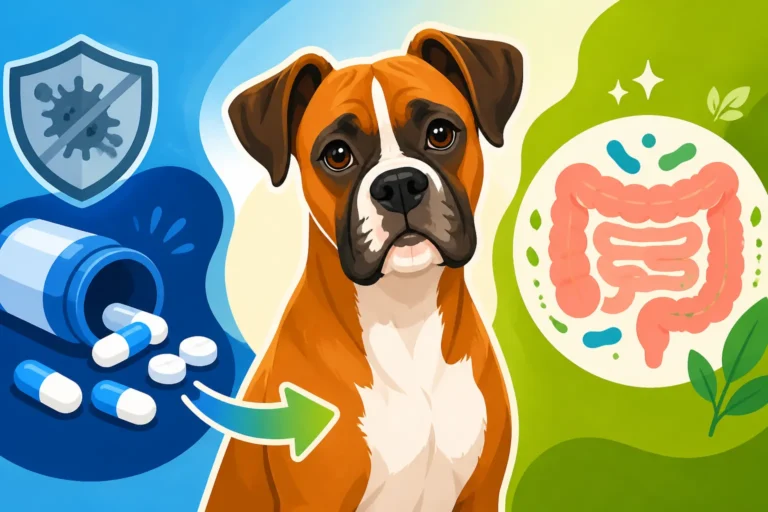
Prebiotics, on the other hand, are non-digestible food ingredients that selectively stimulate the growth and/or activity of beneficial bacteria already present in the colon. Think of them as food for the good bacteria. Common prebiotics include FOS (fructooligosaccharides) and inulin, which are often found in some commercial dog foods or can be supplemented separately. Working together, prebiotics nourish the existing good bacteria, while probiotics introduce new ones, creating a powerful synergy to rebalance the gut microbiome and help calm that inflamed colon. Managing Probiotics for a Boxer After Antibiotics is a common scenario, as antibiotics can disrupt the gut flora, but probiotics are beneficial for ongoing colitis support as well. This two-pronged approach helps to re-establish a healthy internal environment, contributing significantly to your Boxer's long-term well-being.
Specialized Commercial Diets: A Veterinary Guided Path
Sometimes, despite your best efforts with elimination diets or homemade cooking, or perhaps due to the severity or persistence of your Boxer's colitis, your vet may recommend a specialized commercial diet. These are not just "sensitive stomach" foods; they are scientifically formulated therapeutic diets designed to manage complex digestive issues.
Hydrolyzed and Highly Digestible Formulas
Two common types of specialized diets for colitis are hydrolyzed protein diets and highly digestible diets. Hydrolyzed protein diets are quite fascinating. In these foods, the protein sources (like chicken or soy) are broken down into incredibly tiny pieces, essentially individual amino acids or very small peptides. These fragments are so small that your Boxer's immune system doesn't recognize them as foreign protein, thus avoiding an allergic or inflammatory reaction. It's like presenting a puzzle piece instead of the whole completed puzzle; the immune system can't make sense of it to trigger a response. These diets are often a last resort when other elimination strategies haven't worked or when the sensitivity is extreme.
Highly digestible diets, while not necessarily hydrolyzed, are formulated with ingredients that are very easy for the gastrointestinal tract to break down and absorb. This means less work for an already inflamed colon, and fewer undigested food particles reaching the large intestine to cause further irritation. They typically feature carefully selected, limited ingredients, moderate fat, and sometimes increased levels of specific fibers and prebiotics. Both types aim to reduce the antigenic load on the gut, calm inflammation, and promote healing. Your vet might suggest these if your Boxer has a severe flare-up, or if you find the complexities of a homemade elimination diet too challenging. These specific formulas are often the answer for Prescription Diets for a Boxer With Colitis.
These diets are not something you pick up on a whim at the local pet store. They are developed by veterinary nutritionists and require careful consideration and recommendation from your own veterinarian, as they are part of a therapeutic treatment plan.
Sourcing and Sustaining a Prescription Diet
Due to their specialized nature, prescription diets for conditions like colitis are not freely available. You'll typically need a veterinary authorization or prescription to purchase them. Your vet will assess your Boxer's specific needs, discuss the various options (different brands, dry vs. wet formulations), and help you select the most appropriate diet.
Once prescribed, you can usually purchase these diets directly from your veterinary clinic. However, many owners find it more convenient to order them online through authorized retailers. Reputable online pet supply stores, such as Chewy and Amazon, stock a wide range of prescription diets, but they will require you to provide your veterinarian's information for verification before they can fulfill the order. This ensures that your Boxer is truly receiving the diet that has been specifically recommended for their medical condition.
It's important to understand that these specialized diets can be more expensive than conventional dog foods. However, many owners find the cost worth it for the relief and stability they bring to their Boxer's health. Committing to a prescription diet means it becomes your Boxer's only food source, including treats (which often have prescription-specific versions). Consistency is paramount. Think of it as a long-term investment in your Boxer's gut health and overall quality of life, often allowing them to live more comfortably with their chronic condition.
The Art of Homemade Diets for Boxer Colitis
For some Boxer owners, the journey through colitis management leads them to the kitchen. Homemade diets offer unparalleled control over ingredients, which can be a huge advantage for a dog with severe or multiple food sensitivities. However, it's a path that requires careful planning and expert guidance.
Weighing the Benefits and Challenges
The primary benefit of a homemade diet for a Boxer with colitis is the absolute control you gain over every single ingredient. You choose the novel protein, the digestible carbohydrate, and you know exactly what goes into your dog's bowl, free from hidden fillers, preservatives, or potential allergens found in commercial foods. For some Boxers, especially those with very specific or unusual sensitivities, a meticulously prepared homemade meal can be the only way to achieve consistent relief. Owners often report that their Boxers are not only symptom-free but also thrive on fresh, human-grade ingredients, showing improved coat, energy, and overall vitality. It can also be a great option for picky eaters who turn their noses up at commercial options.
However, the challenges are significant and must not be underestimated. The biggest hurdle is ensuring nutritional completeness and balance. Dogs, especially those with health issues, have very specific dietary requirements for vitamins, minerals, amino acids, and fats. Simply cooking some chicken and rice is not a balanced diet and can lead to severe nutrient deficiencies over time, which can create new health problems on top of the colitis. Preparing these meals is also time-consuming, requiring shopping for specific ingredients, cooking, and portioning. It's a commitment that requires dedication. This is why Cooking for a Boxer That Reacts to Kibble effectively requires professional help.
The bottom line is this: if you're considering a homemade diet for your Boxer with colitis, you must consult with a board-certified veterinary nutritionist. This isn't optional. They are the experts who can formulate a precise recipe tailored to your Boxer's individual needs, ensuring it's nutritionally complete while avoiding their specific triggers.
Crafting and Delivering a Balanced Homemade Plan
Working with a veterinary nutritionist, you'll embark on a journey to craft the perfect diet for your Boxer. The plan will typically revolve around your chosen novel protein (e.g., lean ground turkey, rabbit, duck) and a digestible carbohydrate (e.g., white rice, cooked sweet potato). Healthy fats, often in the form of a specific oil like flaxseed or fish oil, will also be included in precise amounts. The nutritionist will then prescribe a specific vitamin and mineral supplement that will fill any nutritional gaps, ensuring the diet is perfectly balanced for a dog, especially one dealing with inflammatory bowel disease.
A typical recipe might involve gently cooking the ground meat, boiling the carbohydrate until soft, mixing them in exact proportions, and then adding the measured oil and supplement. Precision is key. You'll need a food scale to weigh ingredients accurately, rather than relying on volume measurements, as even small deviations can throw off the nutritional balance. The meals are then typically portioned and can often be prepared in larger batches and frozen for convenience.
For owners who want the benefits of fresh, human-grade food but lack the time or expertise for home cooking, services like Ollie offer pre-portioned, customized fresh meals. While not always a novel protein elimination diet, they can be a highly digestible and limited ingredient option for some Boxers, often formulated with input from veterinary nutritionists. It's an alternative worth exploring if traditional home cooking feels too daunting, providing a convenient way to feed a high-quality, fresh diet. The nutritionist will also advise on safe preparation and storage to maintain food safety.
Navigating Treats, Chews, and Accidental Indiscretions
When you're meticulously managing your Boxer's colitis through diet, every single morsel that goes into their mouth matters. Treats and chews, often seen as harmless expressions of love, can become secret saboteurs that undo all your hard work.
The Treacherous World of "Just One Bite"
This is perhaps one of the hardest parts of managing a Boxer with colitis: resisting the urge to give them "just one little bite" of something outside their prescribed diet. Whether it's a piece of cheese that falls on the floor, a neighbor who offers a dog biscuit, or even a flavored dental chew, any off-plan ingredient can trigger a full-blown colitis flare-up. Imagine you've spent weeks on a strict elimination diet, finally seeing firm, healthy stools, and then a well-meaning relative gives your Boxer a bit of chicken from their plate. Within hours, or certainly by the next day, you could be back to square one, with painful straining and bloody mucus. It's incredibly frustrating and demoralizing.
The problem is that for a sensitive Boxer, their gut can be exquisitely reactive. Even trace amounts of an offending protein or ingredient can be enough to set off the inflammatory cascade. Common culprits in regular treats include chicken, beef, dairy, wheat, corn, and artificial flavors or preservatives. Many dental chews, seemingly designed for dog health, contain a multitude of ingredients that can irritate a Boxer's sensitive colon. This is why strict adherence isn't just a suggestion; it's a necessity for managing the condition. Explaining this to well-meaning friends and family can be awkward, but your Boxer's health has to come first. You're constantly walking a tightrope, trying to balance their joy with their health.
Accidental indiscretions are also a real worry. A dropped piece of food, a curious nose in the trash, or even sniffing another dog's treats on a walk can lead to problems. It's a constant vigilance that can be exhausting, but it's crucial to minimize these risks to keep your Boxer comfortable and symptom-free.
Safe & Satisfying Alternatives
Thankfully, there are plenty of safe and satisfying ways to treat your Boxer without derailing their progress. The golden rule is to stick to single-ingredient treats that align with your Boxer's current approved diet. If they are on a venison and sweet potato diet, then freeze-dried venison treats or small pieces of cooked sweet potato are perfect. Look for treats that have literally one ingredient. Many companies now offer freeze-dried single-protein treats like duck, rabbit, or lamb, which can be excellent options, easily found on platforms like Chewy or Amazon.
Beyond food, consider non-food enrichment. Puzzle toys filled with a small portion of their regular kibble or fresh food can provide mental stimulation and a "treat" without any risk of dietary upset. Interactive games, training sessions using praise and approved kibble, or even a good, robust chew toy (ensure it's not ingestible and doesn't contain hidden flavors) can fulfill their chewing needs. For their well-being, it's important that your Boxer still gets to experience the joy of a treat or a chew.
Don't forget the power of plain, cooked vegetables from their approved list. Small pieces of steamed green beans or carrot sticks can be fantastic, low-calorie, and safe rewards. Always ensure you know exactly what's in anything your Boxer consumes. It’s hard to always say no, but ultimately, providing Treats That Do Not Wreck a Boxer's Diet is an essential part of keeping your Boxer healthy and happy.
The Long Game: Ongoing Management and Adjustments
Living with a Boxer that has colitis is rarely a one-and-done situation. It's typically a chronic condition that requires ongoing vigilance, flexibility, and a strong partnership with your veterinarian. The good news is that with careful management, many Boxers can lead comfortable, symptom-free lives.
Thoughtful Reintroduction of Foods
Once your Boxer has been stable and symptom-free on their elimination or prescription diet for a significant period (usually 8-12 weeks), you and your vet might consider slowly reintroducing other ingredients. The goal here is not to return to a regular, unrestricted diet, but rather to identify what else your Boxer can tolerate to provide more variety and potentially more accessible food options. This process is painstakingly slow and methodical.
You introduce one new ingredient at a time, and in very small amounts. For example, if chicken was a suspected culprit, you might introduce a tiny piece of plain, cooked chicken breast to their meal for a few days, then increase the amount slightly, all while monitoring intensely for any return of symptoms. If symptoms reappear, that ingredient is immediately removed and marked as a trigger. If there are no issues after a week or two, you can try another new ingredient. This careful dance helps you build a clearer picture of your Boxer's sensitivities. Be prepared for the fact that some foods, like common proteins or grains, may forever be off-limits. Diet Changes for a Boxer With Colitis are not just about initial elimination, but about carefully expanding their palate over time.
This reintroduction phase is critical because it helps you understand your Boxer's "safe" list of foods, which makes managing their diet in the long term much easier. It also empowers you to make informed decisions about future food purchases or even preparing safe homemade meals. Patience is key, as rushing this process can lead to unnecessary flare-ups and setbacks.
Living with Chronic Colitis: Monitoring and Support
For many Boxers, colitis will be an ongoing condition that requires continuous management through diet, and sometimes medication. It's a journey, not a destination. Keeping a detailed food diary and symptom tracker is an invaluable tool. Note down everything your Boxer eats, any new treats, and precisely when and how symptoms appear. This log can help you and your vet identify subtle patterns or triggers that might otherwise be missed.
Regular check-ups with your veterinarian are crucial to monitor your Boxer's overall health, ensure they are maintaining a healthy weight, and discuss any necessary adjustments to their diet or medication protocol. Sometimes, as Boxers age or their environment changes, their sensitivities can shift, requiring a reevaluation of their diet. It’s important to acknowledge that Whether Boxer Colitis Comes Back is often a reality, and being prepared for potential relapses is part of living with a chronic condition.
Dealing with a chronic illness in your pet can be emotionally taxing. It's okay to feel frustrated, worried, or even exhausted. Seek support from your vet, fellow Boxer owners who've been through similar struggles, or even online communities. Remember, you're doing your best for your beloved Boxer, and with careful dietary management and a dedicated partnership with your vet, you can help them live a happy, comfortable, and full life despite their sensitive gut.
| Dietary Approach | Pros | Cons | Best For |
|---|---|---|---|
| Novel Protein Elimination | Pinpoints specific triggers; often highly effective. | Extremely strict; time-consuming; can be initially challenging. | Boxers with suspected food allergies/intolerances; initial diagnosis. |
| Hydrolyzed Protein Diets | Highly effective for severe allergies; nutritionally complete. | Requires vet prescription; can be expensive; limited flavor variety. | Boxers with severe, persistent colitis; when elimination diets fail. |
| Highly Digestible Diets | Easy on the gut; good for sensitive stomachs; nutritionally complete. | Requires vet prescription; may not address specific protein allergies. | General gut sensitivity; post-flare-up recovery; long-term maintenance. |
| Homemade Diets | Ultimate ingredient control; fresh; palatable. | Must be vet nutritionist balanced; time-consuming; risk of deficiency. | Boxers with multiple/unusual allergies; owners committed to precise preparation under expert guidance. |
| Fiber & Probiotic Supp. | Supports gut health; improves stool quality; complementary to diet. | Not a standalone solution; requires careful selection. | Adjunctive therapy for all colitis management; improving gut microbiome balance. |
Disclaimer
This article is for general informational purposes only and does not constitute professional advice. Laws, prices and regulations vary by location and change over time. Consult a qualified professional for guidance on your specific situation.