Holter Rental Prices for a Boxer
The stress of knowing your beloved Boxer might have a hidden heart condition is immense, and then comes the practical hurdle of understanding the costs involved in diagnostic testing, like Holter monitoring. It's easy to feel overwhelmed by the process and worry about unexpected expenses. This guide is here to walk you through everything you need to know about Holter monitor rental prices for your Boxer, exploring the various factors that influence the cost and helping you navigate this essential part of their health care journey.
Understanding the "Why" Behind Holter Monitoring for Your Boxer
A lot of Boxer owners hear "Holter monitor" and immediately think of a hefty bill, but it's crucial to understand why this piece of equipment is so vital for our goofy, energetic companions. Boxers, bless their hearts, are predisposed to a serious condition called Arrhythmogenic Right Ventricular Cardiomyopathy, or ARVC. It's often silent, meaning your dog could be acting completely normal one minute and then suddenly collapse or worse. The Holter monitor is our best tool for catching these electrical abnormalities before they become catastrophic, directly addressing What Boxer ARVC Actually Does to the Heart.
The Silent Threat of ARVC in Boxers
ARVC is a sneaky disease because it doesn't always show obvious symptoms until it's quite advanced. Your Boxer might appear perfectly healthy, bounding around the park with their usual gusto, completely unaware that their heart is skipping beats or developing dangerous rhythms. A routine vet visit, even with a stethoscope, might not pick up on these intermittent issues. That's where the Holter comes in—it's like a 24-hour detective, quietly recording every single heartbeat. We delve deeper into this in our piece on Boxer Cardiomyopathy and the Holter Monitor.
The problem is, these abnormal heartbeats, known as Premature Ventricular Contractions (PVCs), aren't always present during a quick vet exam. They can pop up at random times: during rest, sleep, excitement, or even strenuous exercise. Without a continuous recording, these crucial clues go undetected. Early detection means your vet can start a treatment plan sooner, potentially extending your Boxer's life and improving their quality of life. This proactive approach is a cornerstone of responsible Boxer ownership, particularly once they hit a certain age. It's truly about preventing a sudden, heartbreaking event.
How a Holter Monitor Works for Your Dog
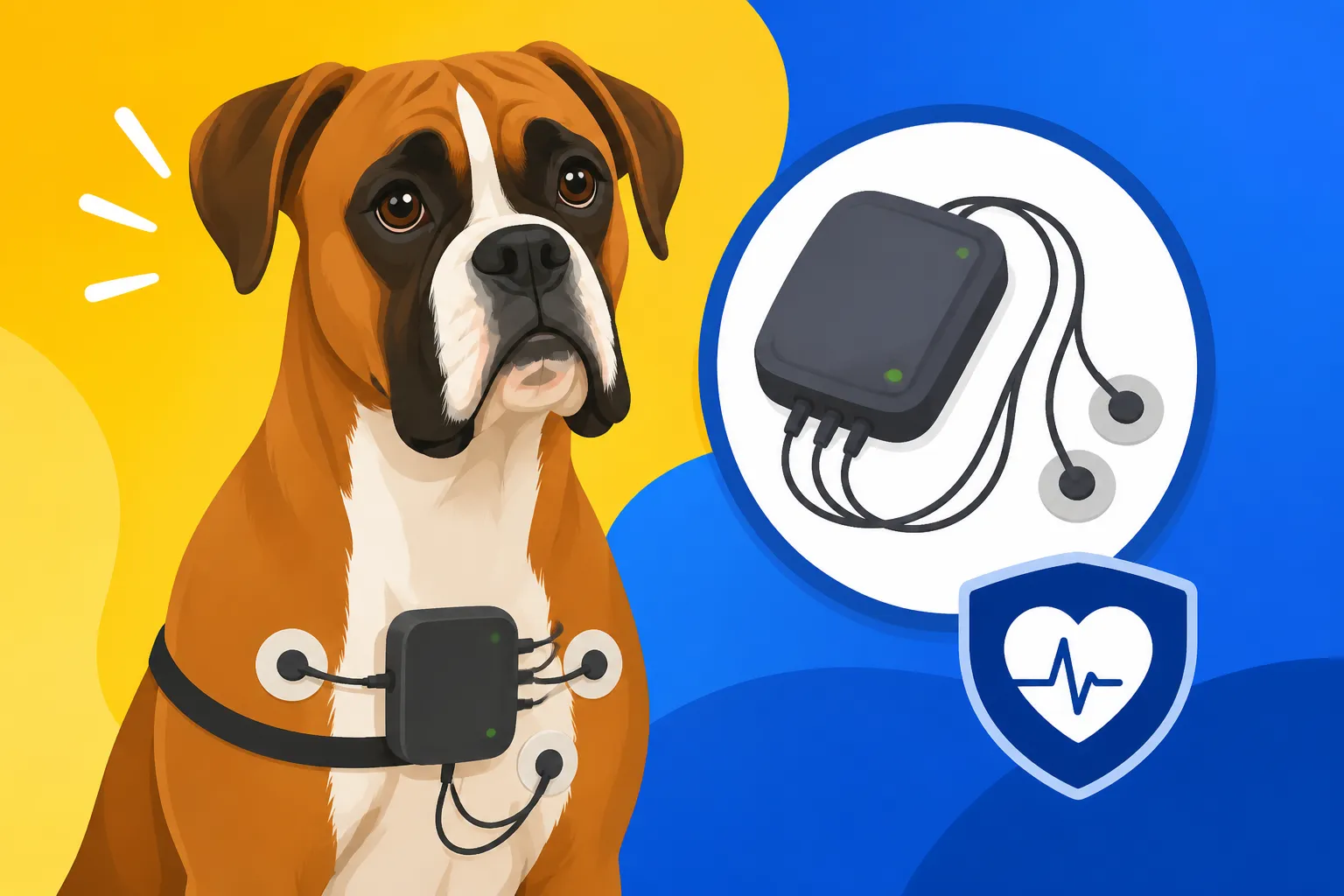
Imagine a small, lightweight device, usually no bigger than a small smartphone, that your Boxer wears in a special vest for 24 to 48 hours. This device has several electrodes that attach to specific points on your dog's chest, underneath their fur. These electrodes pick up the electrical activity of the heart and send the data to the monitor, which records it continuously. Your vet will instruct you to maintain your Boxer's normal routine during this period—walks, playtime, meals, and rest—because you want to capture their heart's activity during typical daily stressors and calm moments.
Once the monitoring period is over, you return the device. The data is then downloaded and analyzed by a veterinary cardiologist, who meticulously reviews every single heartbeat recorded. They look for patterns, count the number of abnormal beats, and assess the severity of any arrhythmias. This detailed report gives your vet the comprehensive picture they need to make an accurate diagnosis and recommend appropriate treatment, such as medications like Sotalol or Mexiletine, which we discuss in Medication for a Boxer With an Arrhythmia. It's a far more telling snapshot than a single, brief ECG, which might miss crucial intermittent arrhythmias.
Breaking Down the Costs: What Goes Into Holter Rental Prices for a Boxer
When you're faced with the need for a Holter monitor, one of the first questions that pops into your head, after "Is my dog okay?", is "How much is this going to cost me?" It's a valid concern, as veterinary care can be a significant expense. The price of renting a Holter monitor for your Boxer isn't a single, flat fee; it's usually a combination of several factors that contribute to the overall bill. Understanding these components can help you anticipate the expense and budget accordingly.
The Rental Fee for the Device Itself
The most obvious component of the cost is the rental fee for the Holter monitor unit. These devices are specialized medical equipment, and just like any high-tech gadget, they come with a certain value. Veterinary clinics often don't own a large fleet of these monitors but instead rent them from specialized veterinary cardiology services or diagnostic companies. The rental fee covers the use of the equipment for the 24 or 48-hour period, including any necessary shipping if it's coming from an external provider.
This fee can vary based on the duration of the rental (24-hour vs. 48-hour studies), the demand for the equipment, and the specific company providing it. Some clinics might have a few units in-house, which could slightly reduce the external rental and shipping costs. However, generally speaking, the device itself represents a baseline cost that's relatively consistent across different providers. It's worth noting that this fee typically just covers the physical device and its availability, not the interpretation of the results or the initial setup.
The Cost of Application and Removal by Veterinary Staff
Getting the Holter monitor properly attached to your Boxer isn't just a simple stick-on job. It requires trained veterinary technicians or vets to shave small patches of fur, meticulously clean the skin, and then apply the electrodes in precisely the right spots to ensure accurate readings. This process takes time, skill, and specialized supplies. If the electrodes aren't placed correctly, the data could be compromised, rendering the entire test useless.
After the monitoring period, the device needs to be carefully removed, the electrodes peeled off, and the area checked for any skin irritation. These steps are part of the veterinary staff's professional service and are factored into the overall cost. You're paying for their expertise, their time, and the supplies used to ensure the test is conducted properly and comfortably for your Boxer. This administrative and technical component is usually billed as a separate "setup" or "application" fee. This is a standard part of The Yearly Heart Screening a Boxer Needs From Three.
Interpretation and Cardiologist Consultation Fees
This is arguably the most critical part of the Holter monitoring process. Once the data is collected, it needs to be processed and interpreted by a veterinary cardiologist—a specialist in animal heart conditions. This isn't something your general practice vet typically does in-house, as it requires highly specialized knowledge to analyze hundreds of thousands of heartbeats and identify subtle abnormalities. The cardiologist will review the full 24-48 hours of your Boxer's heart rhythm, looking for specific patterns, counting PVCs (which we discuss in How Many PVCs a Boxer Can Have Safely), and identifying other arrhythmias.
The cardiologist then generates a detailed report, which is sent back to your primary veterinarian. This report includes a diagnosis, a prognosis, and recommendations for treatment. The fee for this specialized interpretation is usually a significant portion of the total cost, reflecting the high level of expertise involved. In some cases, your vet might recommend a direct consultation with the cardiologist, especially if the findings are complex or require intricate management plans. This adds another layer of cost but provides invaluable expert insight. Understanding What a Boxer Cardiology Referral Involves can help you prepare for this possibility.
Navigating Rental Options and Hidden Fees
When you're looking into Holter monitoring for your Boxer, it's not just about the initial quote. There can be variations in how clinics structure their pricing, and sometimes, unexpected fees can crop up. Being prepared and knowing what questions to ask can save you from surprises and ensure you're getting comprehensive care.
Clinic-Specific Pricing vs. Referral Services
The cost of Holter monitoring can vary depending on whether your primary veterinary clinic offers the service in-house or if they refer you to a specialized cardiology center.
- In-house services: Some larger veterinary hospitals or specialty practices have their own Holter monitors and staff trained to apply and remove them. They might still send the data out for interpretation by a board-certified cardiologist, but the convenience of keeping everything under one roof can sometimes streamline costs, though not always significantly. They manage the entire process, making it simpler for you.
- Referral services: More commonly, your general practice vet will refer you to a mobile veterinary cardiology service or a dedicated cardiology clinic. These specialists often carry their own Holter units and perform the application, data collection, and interpretation themselves. While this might involve a trip to a different facility, it ensures you're getting highly specialized care from experts who deal with ARVC in Boxers every single day. The pricing structure might be different, with the cardiologist's fees clearly itemized.
It's always a good idea to ask your vet for a detailed estimate that breaks down all the potential charges upfront, whether they handle it directly or refer you out. Clarity on costs is key to avoiding stress later.
Potential Additional Costs to Consider
Beyond the basic rental, application, and interpretation fees, there are a few other things that might add to your overall bill:
- Sedation: While most Boxers tolerate the Holter monitor application well, some particularly anxious or squirmy dogs might require mild sedation to ensure the electrodes are placed correctly and stay put. This is an extra charge for the sedative and the time it takes to administer and monitor.
- Deposit for the device: Because these monitors are expensive pieces of equipment, some clinics or rental companies might require a refundable deposit. Make sure you understand the terms for getting this deposit back. This is part of the overall experience of Renting a Holter Monitor for a Boxer.
- Follow-up appointments: After the Holter report is back, you'll need a follow-up appointment with your vet to discuss the results and any recommended treatment plan. This consultation fee is separate from the Holter monitoring itself.
- Re-testing: If the initial Holter yielded inconclusive results (perhaps due to a technical glitch or your Boxer managing to dislodge electrodes), or if your vet needs to monitor treatment effectiveness, a second Holter might be necessary. This means incurring the costs again. This is why it's so important to adhere to the instructions for keeping the device secure.
Understanding these potential additions will help you budget more accurately and avoid any financial surprises down the line. It’s always better to ask upfront than to be caught off guard.
How to Manage the Expense of Holter Monitoring
The cost of specialized veterinary care, like Holter monitoring, can be a heavy burden for any pet parent. It's a fact of life that medical procedures for our beloved Boxers can add up quickly, but there are strategies you can employ to make these necessary health screenings more manageable.
Pet Insurance and Pre-Existing Conditions
This is perhaps one of the most important discussions to have before any health issues arise. Pet insurance can be a literal lifesaver when it comes to unexpected veterinary bills, especially for conditions like ARVC that require ongoing monitoring and treatment. However, the key here is "before." Most pet insurance policies, including those from providers like Healthy Paws, have clauses about pre-existing conditions. If your Boxer is diagnosed with ARVC or has shown symptoms before you enroll them or before the waiting period is over, that condition will likely not be covered.
This is why many experienced Boxer owners consider Insuring a Boxer Before the First Lump or before any heart murmurs are detected. You need to read the fine print of any policy carefully. Some policies might cover routine screenings, while others might only kick in after a diagnosis. Understanding Whether Pet Insurance Pays Off for a Boxer is a complex decision, but for a breed prone to serious genetic conditions, it's certainly worth exploring. Don't wait until you're already facing a diagnosis to look into it, as it will likely be too late for that specific condition.
Comparing Providers and Utilizing Payment Plans
Don't be afraid to shop around and get quotes from different veterinary clinics or cardiology referral services. While the core components of the Holter cost are similar, there can be variations in application fees, interpretation charges, and even the rental fee for the device itself. A simple phone call to a few different practices in your area could yield a range of estimates.
| Cost Component | Description | Pricing Structure |
|---|---|---|
| Holter Device Rental | Fee for using the specialized monitor for 24-48 hours. | Flat fee per monitoring period |
| Application/Setup Fee | Vet tech/staff time to shave, attach electrodes, and prep the dog. | Hourly or flat service charge |
| Cardiologist Interpretation | Specialist's fee to analyze the data and generate a report. | Professional service fee |
| Follow-up Consultation | Vet visit to discuss results and treatment plan. | Standard consultation fee |
| Sedation (if needed) | Cost for mild sedation for anxious dogs during application. | Medication + staff time |
| Deposit (refundable) | Security deposit for the expensive equipment. | Returned upon device return |
Note: Specific prices cannot be provided as they vary greatly by location and provider. Always contact your local veterinary clinics for current estimates.
Additionally, many veterinary practices understand the financial strain of pet care and offer payment plans or work with third-party financing options like CareCredit. It never hurts to ask about these possibilities. Setting up a dedicated savings fund for your Boxer's healthcare can also be a proactive step. Even saving a small amount regularly can build up a significant buffer for unexpected costs or for their routine Annual Holter Screening as a Boxer Expense. Companies like Chewy and Ollie focus more on day-to-day supplies and food, but they are great for managing recurring expenses to free up budget for these medical necessities.
Proactive Health Management and Breeding Practices
While Holter monitoring is a diagnostic tool, proactive health management starts even before you bring a Boxer home. Choosing a responsible breeder who rigorously health tests their breeding stock, including regular Holter screenings for ARVC, can significantly reduce the risk of inheriting serious conditions. A good breeder will be transparent about their dogs' health history and willingly provide results for tests like The Striatin Gene Test for Boxers or recent Holter reports for the dam and sire.
Regular veterinary check-ups are also crucial. Your vet can listen for other subtle signs that might warrant earlier Holter screening. Maintaining a healthy weight for your Boxer, providing a balanced diet (perhaps with high-quality options you can find on platforms like Chewy or from fresh food services like Ollie, tailored to their needs), and ensuring appropriate exercise can all contribute to their overall well-being, potentially mitigating some health risks. While a Holter is a reactive step to a potential problem, good general care is a preventive one, and it starts from the moment you welcome your Boxer into your home. The healthier they are generally, the better they may cope with any conditions that do arise, and the less stress on your wallet for preventable issues.
Disclaimer
This article is for general informational purposes only and does not constitute professional advice. Laws, prices and regulations vary by location and change over time. Consult a qualified professional for guidance on your specific situation.