Signs a Boxer Is Overheating
It's a fear every Boxer owner knows well: that sudden moment when you realize your energetic, playful companion might be struggling with the heat. Our Boxers are bundles of joy, full of zest for life, but their unique physical traits make them incredibly vulnerable to overheating, even on days that don't feel all that warm to us. Knowing the signs, from the subtle to the severe, isn't just helpful — it's absolutely critical to keeping them safe. This guide will walk you through exactly what to look for, so you can act quickly and confidently if your beloved Boxer starts to show signs of distress from the heat.
Why Our Boxers Are So Prone to Overheating
The truth is, Boxers are inherently at a disadvantage when it comes to regulating their body temperature. It's not their fault, and it's certainly not yours, but understanding why they struggle helps us be better, more proactive caregivers. We often see them running around with such boundless energy, and it's easy to forget that their internal cooling systems aren't as efficient as those of many other breeds.
The Brachycephalic Challenge
Our Boxers are part of the brachycephalic club, meaning they have those adorable, flat faces and short muzzles. While we love their squishy faces and expressive snorts, this anatomy comes with a significant health trade-off, especially in the heat. Dogs primarily cool themselves by panting. The air flows over the moist surfaces of their tongue, mouth, and upper respiratory tract, evaporating moisture and releasing heat. For a Boxer, that pathway is compromised. Their shortened muzzles mean less surface area for heat exchange, and their often-narrowed nostrils and windpipes create resistance, making it harder to move air efficiently.
Imagine trying to breathe through a pinched straw while running a marathon. That's a bit like what a Boxer experiences when trying to cool down. They have to work much harder to pant effectively, which in turn generates even more body heat. This cycle can quickly spiral, leading them to overheat faster than a dog with a long, open airway. This is also why you often hear about concerns like Anesthesia Risk in a Flat-Faced Boxer, as their respiratory systems are just naturally more delicate.
Activity Levels and Metabolic Heat
Beyond their facial structure, Boxers are also naturally very active dogs. They thrive on exercise, play, and mental stimulation. Whether it's a vigorous game of fetch, a long walk, or just an excited bout of "zoomies" in the backyard, their powerful muscles generate a lot of metabolic heat. In cooler weather, this isn't usually a problem because they can dissipate that heat through panting and their skin. However, when the ambient temperature rises, or humidity is high, the air they're trying to breathe in to cool down is already warm and saturated with moisture. This dramatically reduces the efficiency of their natural cooling mechanisms.
Even a moderate amount of exercise on a warm day can quickly push a Boxer past their comfortable temperature threshold. This isn't just about direct sun exposure; humidity plays a huge role by preventing evaporative cooling. If you live somewhere with high humidity, even a seemingly mild day can be dangerous. We have to be vigilant, especially given The Degrees at Which a Boxer Struggles, and factor in both temperature and humidity when planning their outdoor activities.
The Early Whispers: Recognizing Subtle Signs of Overheating
Catching overheating early is absolutely critical. Often, the initial signs are subtle, easily missed if you're not specifically looking for them. As a Boxer owner, you're their first line of defense, so becoming attuned to these "whispers" can prevent a serious emergency. Don't wait for dramatic collapse; know what to watch for from the start.
Behavioral Changes to Watch For
One of the first things you might notice is a shift in your Boxer's usual demeanor. They might become unusually subdued or lethargic, pulling back from play when they'd normally be all in. My own Boxer, Buster, would often be the last one to give up on a game of fetch, but on a hot day, he'd suddenly just lie down, panting excessively, and look at me with tired eyes. This isn't just about them being "lazy"; it's their body sending a signal that it's struggling.
You might also see them seeking out shade or cooler surfaces more intently than usual, often trying to press their bodies against cool tile floors or concrete. They might seem disoriented or less responsive to commands. Perhaps they stumble a little, or their coordination seems slightly off. If your Boxer is typically a shadow, following you from room to room, but suddenly opts to stay put, glued to the cool kitchen floor, pay attention. It's a clear indicator they're trying to manage their rising body temperature.
Physical Cues That Demand Attention
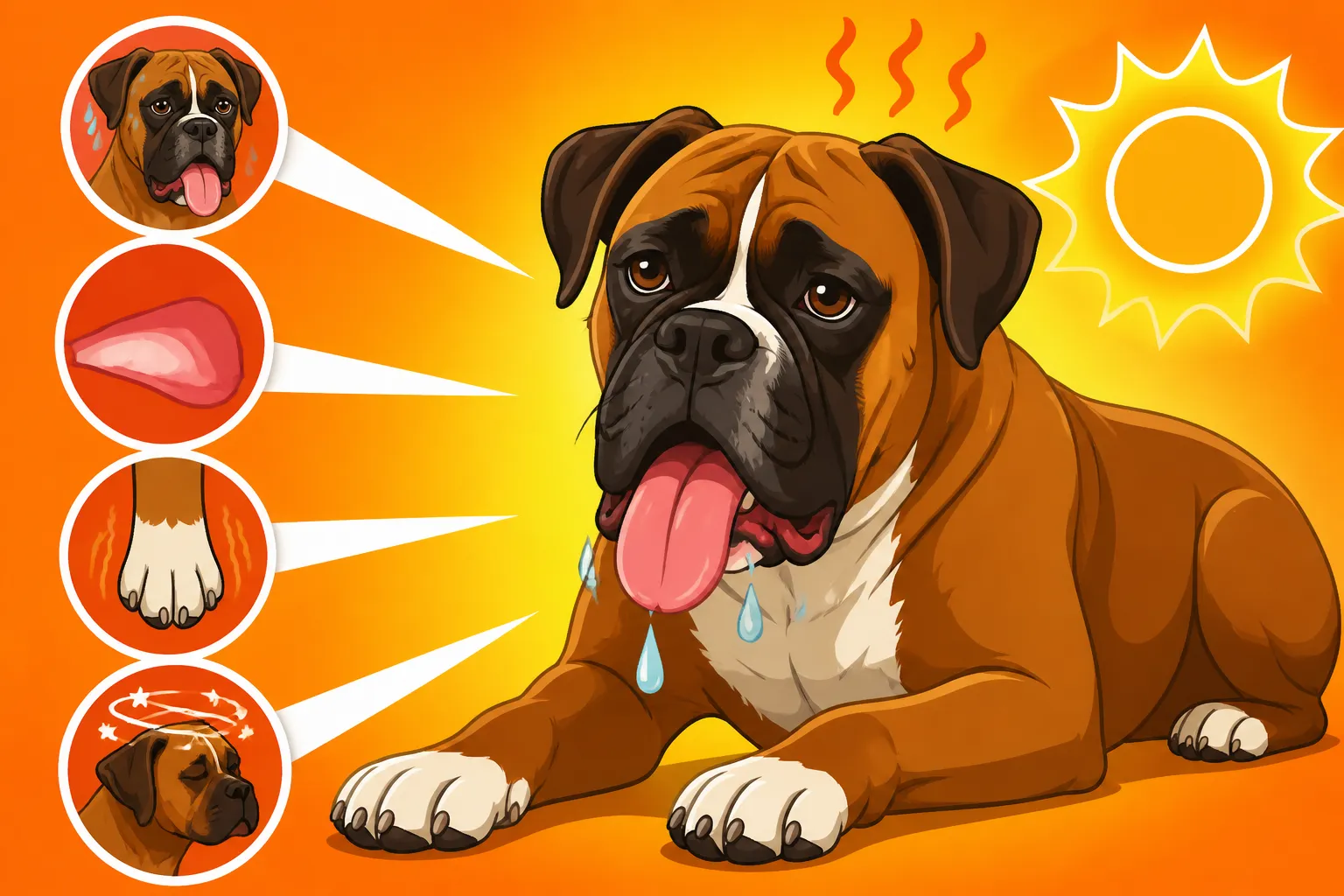
Beyond behavior, there are several physical cues that your Boxer is getting too hot. The most obvious is excessive panting. While all dogs pant, an overheated Boxer's panting will be notably more rapid and labored. You'll see their sides heaving, and it might sound more strained, almost desperate. Their tongue might also look longer and wider than usual, as they try to maximize surface area for cooling.
Another key indicator is their gums and tongue color. Normally, a Boxer's gums should be a healthy bubblegum pink. When they're overheating, their gums might become bright red or even dark brick red, signaling increased blood flow to the surface in an attempt to cool down. In later stages, they can even turn pale or bluish, which is an emergency. Their saliva might become thick and ropey, almost foamy, rather than thin and watery. This is due to dehydration and indicates severe struggle. You might also notice their eyes appear glassy or sunken, another sign of dehydration. Keep an eye out for Why a Boxer's Short Coat Shows Every Rash as sometimes skin irritation can be worsened by heat, but the more critical skin sign for overheating is simply feeling their body temperature. Touch their ears, paws, and inner thighs – do they feel unusually hot to the touch? This isn't an exact science, but an intuitive check can often tell you a lot.
Here's a quick comparison of early versus advanced signs:
| Symptom Category | Early Overheating Signs | Advanced Heatstroke Signs |
|---|---|---|
| Panting | Rapid, heavier than usual, slightly labored | Extremely rapid, frantic, noisy, possibly gasping |
| Tongue/Gums | Bright red tongue/gums, possibly slightly swollen | Dark red, purple, or bluish gums/tongue; very thick, foamy saliva |
| Behavior | Lethargy, seeking shade, reluctance to play, mild disorientation | Stumbling, collapse, seizures, unconsciousness, profuse vomiting/diarrhea |
| Body Temp. | Warm to touch (ears, paws, inner thighs) | Very hot to touch, possibly rectal temp over 104°F |
| Eyes | Appear glazed or slightly sunken | Glazed, possibly rolled back |
| Other | Restlessness, excessive drooling | Tremors, uncoordinated movement, bloody diarrhea |
When It Turns Serious: Identifying Advanced Heatstroke Symptoms
If the early warning signs are missed, or if your Boxer is simply overwhelmed by extreme conditions, overheating can rapidly progress to full-blown heatstroke. This is a life-threatening emergency that requires immediate and aggressive intervention. These advanced symptoms indicate that your Boxer's internal systems are beginning to shut down.
Neurological Distress and Collapse
One of the most alarming signs of advanced heatstroke is neurological distress. This happens because the brain, like other vital organs, is extremely sensitive to high temperatures. You might see your Boxer staggering or wobbling, as if they are drunk. Their gait might become completely uncoordinated, and they could even walk into objects. Tremors, muscle twitching, or full-blown seizures are critical indicators of severe brain involvement.
Eventually, if not cooled down, a Boxer experiencing severe heatstroke will collapse. This isn't just lying down; it's a loss of consciousness or the inability to stand or respond. Their eyes might roll back into their head, and they may appear unresponsive to your voice or touch. This is the moment when every second truly counts. If your Boxer reaches this stage, they are in grave danger, and you need to initiate cooling measures and get to a vet without delay. This kind of collapse is reminiscent of Sudden Death in an Apparently Healthy Boxer if not addressed swiftly.
Organ System Failure Indicators
As the body temperature continues to rise unchecked, vital organs begin to fail. The digestive system is often one of the first to show severe signs. You might observe profuse vomiting, sometimes with blood, and severe diarrhea, which can also be bloody. This is due to damage to the intestinal lining and internal hemorrhaging caused by the extreme heat. It’s a terrifying sight for any owner.
The kidneys can also be severely impacted, and while you might not see overt signs of kidney failure immediately, it's a serious consequence. Heart function can become compromised, potentially leading to arrhythmias or even cardiac arrest. In some cases, you might notice pinpoint red spots on the gums or skin, which can indicate issues with blood clotting (disseminated intravascular coagulation, or DIC), a very serious and often fatal complication of heatstroke. Recognizing these devastating symptoms means your Boxer needs emergency medical care, not just at-home cooling.
Immediate Action: What To Do When Your Boxer Shows Signs of Overheating
Seeing your Boxer struggle with the heat is terrifying, but knowing exactly what to do can make all the difference. Panicking won't help; quick, calm, and effective action is paramount. Your primary goal is to safely lower their body temperature without causing shock, and then get them to a vet.
The Golden Rules of Rapid Cooling
The very first thing you need to do is get your Boxer out of the heat source immediately. Move them into the coolest area you can find – air conditioning, shade, a cool basement. Don't rush to dump ice water over them, as this can constrict blood vessels and hinder cooling or even send them into shock. Instead, focus on gradual, continuous cooling.
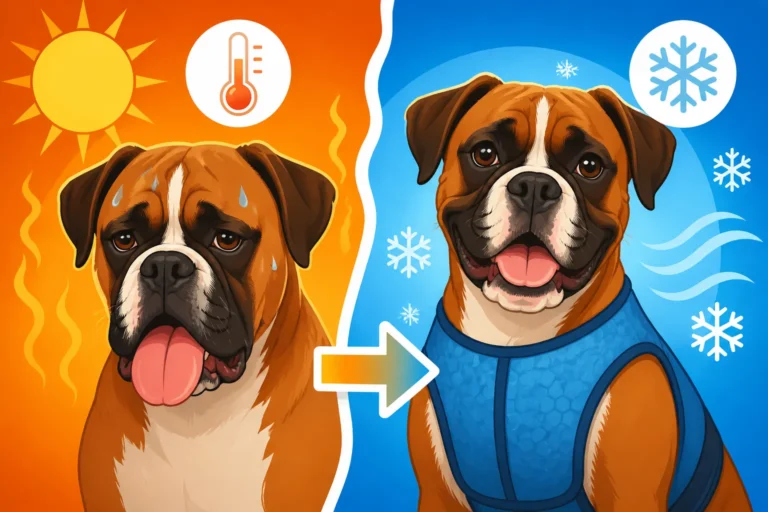
- Cool Water Application: Use cool, not ice-cold, water. Soak towels or cloths and gently wipe down their body, focusing on areas with less fur and high blood flow, such as their paw pads, armpits, and groin. You can also run cool water over these areas. A garden hose on a gentle setting can be effective, but make sure the water isn't freezing. If you have a kiddie pool, letting them stand or lie in cool water for a few minutes can help, as long as they're not fully submerged and can breathe easily. A fan directed at them will greatly enhance the evaporative cooling effect. Many owners find products like cooling mats or vests helpful, which can be found on sites like Amazon or Chewy.
- Hydration (if conscious): If your Boxer is conscious and able to swallow, offer small amounts of cool (not ice-cold) water. Don't force them to drink, as this can lead to aspiration. You can also wipe their tongue with a cool, wet cloth.
- Monitor Temperature: If you have a rectal thermometer, take their temperature. The goal is to bring their temperature down to around 102.5-103°F. Once it reaches this point, stop active cooling measures to prevent over-cooling, which can be just as dangerous. Continue to monitor them closely.
- Air Flow: Always ensure good air circulation around them. Fans are incredibly helpful.
Remember, the emphasis is on cool water and evaporative cooling, not shocking their system with ice. For more in-depth techniques, check out Getting a Boxer's Temperature Down in Minutes.
When to Seek Emergency Veterinary Care
Even if your Boxer seems to recover quickly after initial cooling, it is always crucial to contact your veterinarian immediately. Heatstroke can cause internal damage that isn't immediately apparent. Organs like the kidneys, liver, and brain can be affected, leading to delayed complications that might manifest hours or even days later. Your vet will want to check for organ damage, ensure proper hydration, and monitor for any signs of secondary issues.
Be prepared to explain the circumstances of the overheating, the signs you observed, and the cooling measures you took. Time is of the essence, so if your Boxer is showing any advanced signs of heatstroke (collapse, seizures, bloody diarrhea, unconsciousness), call ahead while you're on your way to the nearest emergency veterinary clinic. They can prepare for your arrival and begin treatment immediately upon reaching them. While a healthy Boxer needs regular The Vet Visits a Boxer Needs Beyond Screening, an overheating Boxer needs immediate, emergency attention. Don't delay, don't try to "wait and see." Their life could depend on it.
Disclaimer
This article is for general informational purposes only and does not constitute professional advice. Laws, prices and regulations vary by location and change over time. Consult a qualified professional for guidance on your specific situation.